Creeping Saxifrage (Saxifraga Stolonifera)
Plants play a pivotal role in the natural world, providing oxygen, food, and habitat for countless organisms. Among the plethora of plant species, the.
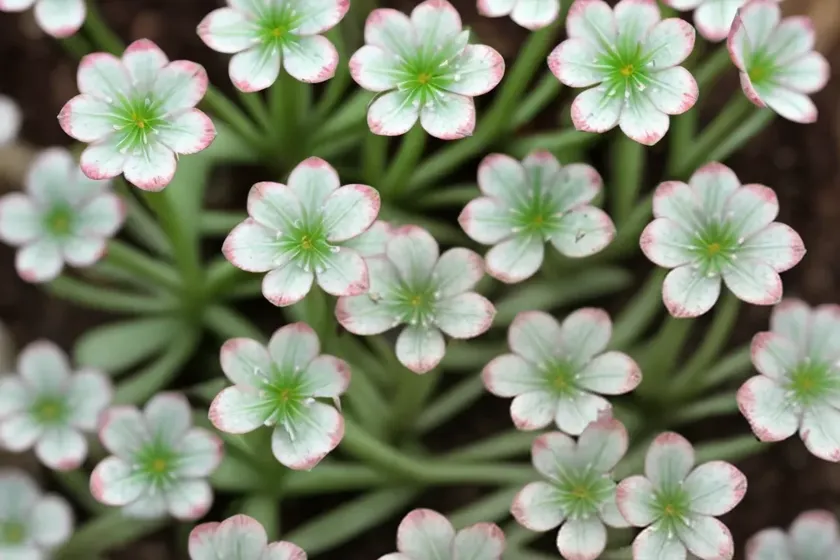
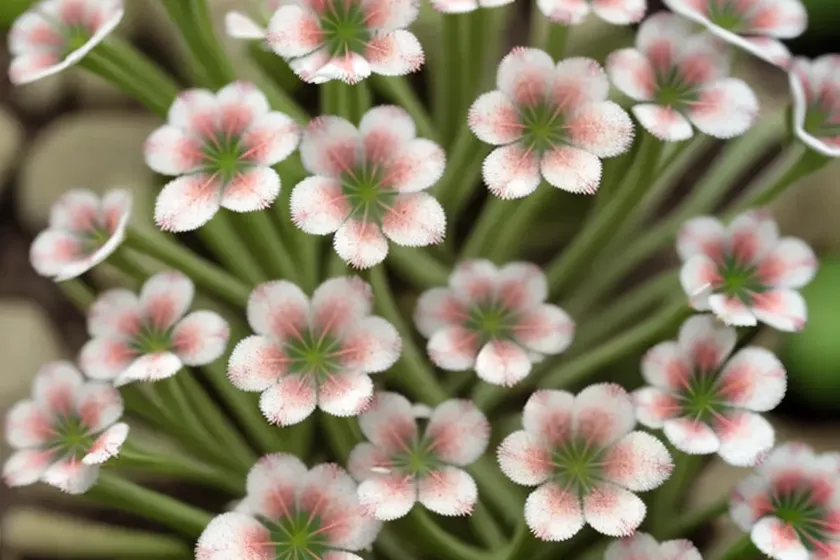
Plants play a pivotal role in the natural world, providing oxygen, food, and habitat for countless organisms. Among the plethora of plant species, the creeping saxifrage (Saxifraga stolonifera) stands out for its enchanting beauty and versatility. In this comprehensive guide, we will delve into the nuances of this captivating plant, exploring its cultural significance, uses, cultivation methods, maintenance, and much more.
What is Creeping Saxifrage?
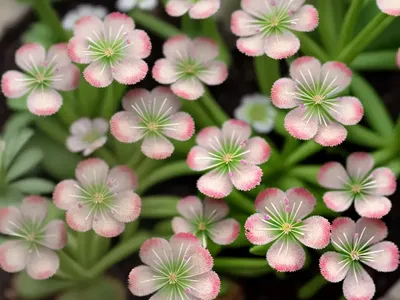
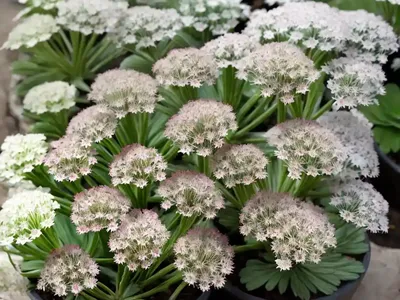
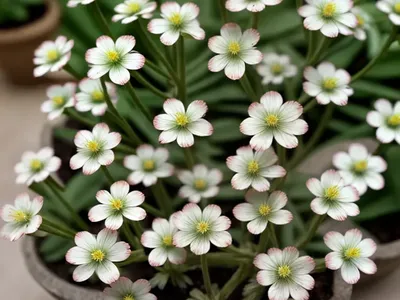
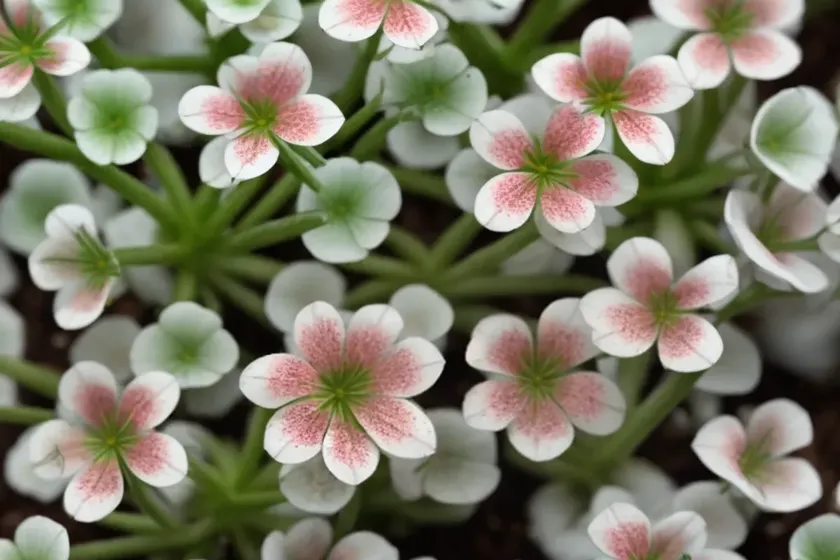
Creeping saxifrage, scientifically known as Saxifraga stolonifera, is a herbaceous perennial plant belonging to the family Saxifragaceae. It is native to East Asia, particularly in Japan, Korea, and China. This delicate plant is renowned for its attractive, heart-shaped, scalloped leaves and tiny, star-shaped flowers that bloom in clusters on wiry stems. Creeping saxifrage spreads through stolons, which are horizontal, above-ground stems that take root at nodes, enabling the plant to form extensive colonies.
Key Takeaways – Creeping Saxifrage (Saxifraga stolonifera)
- Botanical Name: Saxifraga stolonifera
- Family: Saxifragaceae
- Common Names: Creeping saxifrage, Aaron’s beard, Mother of Thousands
- Native Habitat: East Asia – Japan, Korea, China
- Growth Habit: Herbaceous perennial
- Foliage: Heart-shaped, scalloped, variegated leaves
- Flowers: Small, star-shaped, white or pink
- Propagation: Division, stem cuttings
- Uses: Ground cover, rock gardens, containers, indoor ornamental plant
- Cultural Significance: Medicinal use in traditional herbal medicine
Now that we have gained a basic understanding of the plant, let’s explore the various aspects of cultivating and caring for creeping saxifrage.
Culture
Uses
Creeping saxifrage has myriad uses, making it a versatile and valuable addition to any garden or indoor space:
-
Ground Cover: Its trailing growth habit and ability to form dense colonies make it an excellent ground cover for shaded areas, rock gardens, and woodland gardens.
-
Containers: Due to its charming foliage and low maintenance requirements, creeping saxifrage thrives in containers, hanging baskets, and as an indoor ornamental plant.
-
Landscaping: Its compact habit and attractive foliage make it an appealing choice for edging, border planting, and as a filler in mixed plantings.
-
Medicinal Properties: In traditional herbal medicine, certain parts of Saxifraga stolonifera are believed to have medicinal properties, with applications ranging from wound healing to the treatment of respiratory ailments.
Water
Proper watering is crucial for the health and vigor of creeping saxifrage. Here are some key considerations regarding its water requirements:
-
Moisture Level: Creeping saxifrage thrives in moist, well-draining soil. It is essential to maintain consistent soil moisture, keeping the soil evenly moist but not waterlogged.
-
Summer Watering: During the warmer months, regular watering is necessary to prevent the soil from drying out. Consider mulching around the plant to conserve soil moisture.
-
Winter Dormancy: While the plant is dormant in winter, reduce watering, ensuring that the soil remains just lightly moist. Overly wet conditions during dormancy can lead to root rot.
Sunlight
Creeping saxifrage exhibits preferences for specific light conditions, and providing the appropriate sunlight is crucial for its well-being:
-
Light Requirements: Partial to full shade is ideal for creeping saxifrage. In its natural habitat, it often grows in the dappled shade of trees or in sheltered, rocky areas.
-
Indoor Cultivation: When grown indoors, place the plant in a location that receives bright, indirect light. Avoid placing it in direct sunlight, as this can scorch the delicate foliage.
-
Outdoor Considerations: In outdoor settings, a sheltered location with filtered sunlight or light shade from taller plants or structures is ideal. Avoid prolonged exposure to intense midday sun.
Fertilizer
Proper fertilization supports the growth and vitality of creeping saxifrage. Here are some guidelines for fertilizing this enchanting plant:
-
Organic Matter: Prior to planting, enrich the soil with organic matter such as well-aged compost or leaf mold. This helps improve soil structure and provides essential nutrients.
-
Slow-Release Fertilizer: Apply a balanced, slow-release fertilizer in early spring, following the manufacturer’s recommendations. Refrain from over-fertilization, as excessive nutrients can be detrimental to the plant.
-
Fertilization Frequency: A light application of fertilizer once a year in spring is generally adequate for creeping saxifrage. Avoid fertilizing during the dormant winter months.
Soil
The type of soil in which creeping saxifrage is planted is a crucial factor in its overall health and growth. Consider the following soil requirements for this fascinating plant:
-
Acidic Soil: Creeping saxifrage thrives in slightly acidic to neutral soil with a pH range of 5.5 to 7.0. Conduct a soil test to determine the pH of the planting area and amend the soil accordingly.
-
Well-Draining Soil: Good drainage is essential for the plant’s roots, as waterlogged soil can lead to root rot and other issues. Incorporate organic matter and coarse sand into heavy or compacted soils to improve drainage.
-
Soil Texture: A loamy, humus-rich soil that retains moisture while allowing excess water to drain away is ideal for creeping saxifrage. It should be well-aerated and friable to facilitate root growth.
Pruning
Pruning is an important aspect of maintaining the appearance and health of creeping saxifrage. Here are some pruning techniques and considerations for this delightful plant:
-
Regular Maintenance: Remove any dead or yellowing foliage regularly to maintain the plant’s overall appearance. This also prevents the accumulation of debris that can harbor pests and diseases.
-
Shearing: After the blooming period, shear back the spent flower stems to encourage a tidy, compact growth habit. Use clean, sharp pruners to avoid damaging the plant.
-
Division: Over time, creeping saxifrage may become overcrowded, leading to reduced vigor and flowering. Divide the plant every few years in spring to rejuvenate it, replanting the divided sections in suitable locations.
Propagation
Propagating creeping saxifrage allows you to expand your plant collection and share this charming species with fellow gardening enthusiasts. Here are some effective propagation methods for Saxifraga stolonifera:
-
Division: Divide established clumps of creeping saxifrage every 2-3 years in early spring or autumn. Carefully separate the clumps into smaller sections, ensuring that each division has healthy roots and shoots.
-
Stem Cuttings: Take 4-6 inch stem cuttings from healthy, vigorous plants in late spring or early summer. Remove the lower leaves and plant the cuttings in a well-draining propagation medium. Keep the medium consistently moist and provide a warm, humid environment to promote rooting.
Container Popularity
The allure of creeping saxifrage extends to container gardening, where its trailing growth habit and ornamental foliage make it an appealing choice for various container settings:
-
Hanging Baskets: Plant creeping saxifrage in hanging baskets, allowing the foliage to cascade gracefully over the edges. This creates a stunning display, especially when the plant is adorned with delicate blooms.
-
Mixed Containers: Incorporate creeping saxifrage in mixed containers with other shade-loving plants such as ferns, hostas, and heucheras. Its low-growing nature makes it an excellent filler and ground cover in container gardens.
-
Indoor Cultivation: When grown indoors, creeping saxifrage thrives in containers placed near windows that receive bright, indirect light. It adds a touch of natural beauty to indoor settings and is relatively low maintenance.
Common Diseases
As with any plant, creeping saxifrage is susceptible to certain diseases that can affect its vitality and appearance. Familiarize yourself with common diseases to promptly identify and address any issues:
-
Powdery Mildew: A fungal disease characterized by a powdery white growth on the foliage. Ensure good air circulation, avoid overhead watering, and apply fungicidal sprays if necessary.
-
Cercospora Leaf Spot: This disease presents as small, circular, brown spots on the leaves. Remove and dispose of affected foliage and avoid overhead watering to minimize the risk of infection.
-
Botrytis Blight: Gray mold caused by the Botrytis fungus can affect creeping saxifrage, especially in humid conditions. Remove and dispose of infected plant parts and maintain dry, airy growing conditions.
Disease Diagnosis
When diagnosing diseases in creeping saxifrage, carefully observe the symptoms and take proactive measures to manage and prevent further spread of the issue:
-
Symptom Recognition: Regularly inspect the foliage for any abnormal signs such as discoloration, spotting, or unusual growths. Use resources such as plant disease guides to aid in symptom recognition.
-
Isolation: If you suspect a disease, isolate the affected plant to prevent potential spread to nearby plants. This is especially important in a greenhouse or indoor setting where diseases can rapidly spread.
-
Cultural Practices: Implement cultural practices that promote plant health, such as proper watering, adequate spacing, and removal of debris and dead plant material. Healthy plants are less susceptible to diseases.
Common Pests
Pests can pose a threat to the well-being of creeping saxifrage, necessitating vigilance and proactive pest management strategies. Familiarize yourself with common pests and effective control methods:
-
Aphids: These small, sap-sucking insects can cause distorted growth and yellowing of foliage. Rinse the plant with a strong stream of water to dislodge aphids, or use insecticidal soaps for severe infestations.
-
Spider Mites: These tiny arachnids can cause stippling, webbing, and reduced vigor in creeping saxifrage. Increase humidity, especially in indoor environments, and use miticides if mite infestations persist.
-
Slugs and Snails: These mollusks can feed on the foliage and leave characteristic slime trails. Use physical barriers, such as copper tape or diatomaceous earth, to protect the plant from these voracious pests.
Botanist’s Tips
As a plant scientist with a deep appreciation for the wonders of nature, I’ve gathered a few invaluable tips to help you nurture and appreciate the beauty of creeping saxifrage:
-
Naturalize in Woodland Settings: Embrace the plant’s naturalistic charm by allowing it to naturalize in shaded woodland areas. Its delicate blooms and lush foliage add an enchanting allure to naturalistic landscapes.
-
Companion Plant Pairings: Pair creeping saxifrage with shade-loving companions such as ferns, heucheras, and tiarellas to create visually appealing and cohesive plant combinations.
-
Pollinator Gardens: The delicate flowers of creeping saxifrage can attract pollinators such as bees and butterflies, making it a delightful addition to pollinator-friendly gardens.
-
Winter Interest: Appreciate the evergreen foliage of creeping saxifrage during the winter months, where it adds a touch of greenery when many other plants are dormant.
Fun Facts
To further enrich your knowledge and appreciation of Saxifraga stolonifera, here are some fascinating fun facts about this captivating plant:
-
The common name “Aaron’s beard” is said to be a reference to the biblical figure Aaron, who was known for his flowing, luxuriant beard. The dense, trailing growth habit of creeping saxifrage resembles a lush, green beard.
-
In Japan, creeping saxifrage is known as “yukinoshita,” which translates to “under the snow.” This name alludes to its ability to persist and thrive in cold, snowy conditions, adding a touch of beauty to winter landscapes.
Links to External Resources
- Royal Horticultural Society – Saxifraga stolonifera
- Missouri Botanical Garden – Plant Finder: Saxifraga stolonifera
- University of Wisconsin-Madison – Saxifraga stolonifera Fact Sheet
In conclusion, creeping saxifrage (Saxifraga stolonifera) enchants us with its graceful foliage, delicate blooms, and versatile nature. As we’ve explored its cultivation, uses, and ecosystem contributions, may this comprehensive guide serve as a source of inspiration for both novice and seasoned plant enthusiasts. Whether adorning a shaded garden, thriving in a container, or naturalizing in woodlands, the captivating allure of creeping saxifrage continues to captivate the hearts of plant lovers worldwide.
After all, the essence of the natural world lies in the vibrant tapestry of remarkable plants, each with its own unique story and significance.
Happy Gardening!