Rhododendron periclymenoides (Pinxterbloom Azalea) – The Complete Guide
The Rhododendron periclymenoides, commonly known as the Pinxterbloom Azalea, is a stunning deciduous shrub belonging to the Rhododendron genus. This plant is celebrated for its beautiful pink and white blooms, making it a popular choice among gardeners and landscaping enthusiasts. In this comprehensive guide, we will delve into the various aspects of the Pinxterbloom Azalea, including its cultural requirements, uses, maintenance, and much more.
What is Rhododendron periclymenoides (Pinxterbloom Azalea)?
The Rhododendron periclymenoides, often referred to as the Pinxterbloom Azalea, is a native plant to the eastern United States and parts of Canada. As a member of the Ericaceae family, it shares its lineage with other well-known ornamental plants such as Rhododendrons and Blueberries. This deciduous shrub typically reaches a height of 6 to 12 feet, with a spread of 3 to 6 feet, forming a rounded and bushy silhouette.
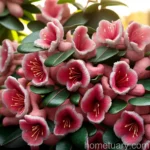
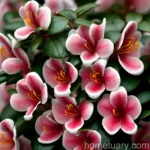
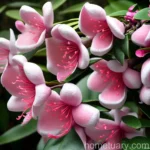
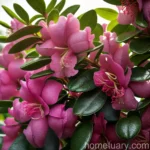
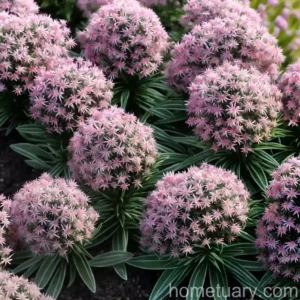
One of the most captivating features of the Pinxterbloom Azalea is its abundance of showy, funnel-shaped blooms. These flowers, which appear in late spring, display a mesmerizing combination of pink, white, and occasionally, delicate hues of lavender. The foliage of the Rhododendron periclymenoides is equally attractive, with its dark green, elliptical leaves providing a stunning backdrop for the profusion of blossoms.
Key Takeaways – Rhododendron periclymenoides (Pinxterbloom Azalea)
Before we delve deeper into the specifics of caring for the Pinxterbloom Azalea, let’s take a moment to highlight some key takeaways about this remarkable plant.
- Scientific Name: Rhododendron periclymenoides
- Common Name: Pinxterbloom Azalea, Pinksterbloom
- Plant Type: Deciduous shrub
- Mature Height: 6 to 12 feet
- Mature Spread: 3 to 6 feet
- Bloom Time: Late spring
- Flower Color: Pink, White, Lavender
- Foliage: Dark green, elliptical leaves
With these essential details in mind, you can now gain a clearer understanding of the fundamental characteristics of the Pinxterbloom Azalea.
Culture
Understanding the cultural requirements of the Rhododendron periclymenoides is essential for its successful growth and development. Let’s explore the key cultural considerations necessary for cultivating this exquisite plant.
Water
Amount: Adequate moisture is crucial for the health and vigor of the Pinxterbloom Azalea, particularly during periods of active growth and flowering. While it is important to ensure sufficient watering, it is equally crucial to prevent waterlogged conditions, which can lead to root rot and other moisture-related issues.
Frequency: Regular watering, especially during dry spells, is recommended to maintain consistently moist but not waterlogged soil. Pay close attention to the plant’s watering needs, particularly in the absence of rainfall or during hot, dry periods.
Method: Water the plant directly at the base to deliver moisture to the root zone, ensuring thorough penetration of the soil. Utilize a soaker hose or drip irrigation system to provide a slow, steady flow of water, promoting efficient absorption by the roots.
Sunlight
Exposure: The Pinxterbloom Azalea thrives in partial shade to full shade conditions, making it an excellent choice for areas with filtered sunlight or dappled shade. While the plant can tolerate some morning sun, it generally prefers sheltered locations with limited exposure to intense midday and afternoon sunlight.
Site Selection: When choosing a site for planting your Rhododendron periclymenoides, prioritize locations with gentle morning sunlight and protection from the harsh rays of the afternoon sun. Consider areas beneath the canopy of taller trees or alongside buildings that provide the ideal balance of light and shade.
Soil
Acidity: The Pinxterbloom Azalea favors acidic soils with a pH range between 4.5 and 6.0, thriving in environments with a distinct acidity level.
Composition: Well-draining, humus-rich soils with ample organic matter are essential for the successful cultivation of the Rhododendron periclymenoides. These soil types facilitate effective water infiltration and aeration while providing crucial nutrients for the plant’s growth and development.
Amendment: If your soil does not naturally exhibit the desired acidity level, consider amending it with organic matter and acidic soil amendments to create an optimal growing environment for the Pinxterbloom Azalea.
Maintenance
Pruning: Prune the Pinxterbloom Azalea immediately after flowering to promote compact growth and encourage the development of new flower buds. Remove spent flowers and perform selective pruning to shape the plant and maintain its desired form.
Mulching: Apply a layer of organic mulch around the base of the plant to conserve moisture, regulate soil temperature, and inhibit the growth of weeds. Mulching also contributes to the enrichment of the soil as it decomposes, enhancing the overall health of the Rhododendron periclymenoides.
Uses
The multifaceted utility of the Rhododendron periclymenoides extends beyond its ornamental value, encompassing a range of practical and aesthetic applications. Let’s explore the diverse uses of the Pinxterbloom Azalea that make it a compelling choice for gardeners and landscape enthusiasts.
Landscaping
The Pinxterbloom Azalea is a favored selection for landscaping purposes, adding a delightful burst of color and texture to garden beds, borders, and woodland settings. Its vibrant springtime blooms create a captivating focal point, enhancing the visual appeal of any landscape.
Habitat Restoration
Due to its native status in certain regions, the Rhododendron periclymenoides plays a crucial role in habitat restoration endeavors. Its inclusion in ecological restoration projects contributes to the preservation of native plant communities and the enhancement of wildlife habitats.
Pollinator Support
The abundant flowers of the Pinxterbloom Azalea attract a variety of pollinators, including bees, butterflies, and hummingbirds. By providing essential nectar sources, this plant contributes to the overall health and sustainability of local pollinator populations.
Propagation
The propagation of Rhododendron periclymenoides can be achieved through several methods, each offering distinct advantages and considerations. Whether you prefer to propagate your Pinxterbloom Azalea through seeds or cuttings, understanding the underlying principles of each approach is essential for successful plant reproduction.
Seed Propagation
-
Seed Collection: Collect mature seeds from the capsules of the Pinxterbloom Azalea after the flowering period has concluded. Gently remove the seeds from the capsules, ensuring that they are fully developed and viable for propagation.
-
Preparation: Prior to sowing, it is beneficial to stratify the seeds to mimic natural winter conditions. This process involves exposing the seeds to cold, moist conditions for a specific duration to break dormancy and prompt germination.
-
Sowing: Plant the stratified seeds in a suitable growing medium within a controlled environment such as a greenhouse or cold frame. Maintain consistent moisture and provide adequate light to facilitate the germination of the seeds.
Stem Cutting Propagation
-
Cutting Selection: Select healthy, non-flowering stems from the parent plant, ensuring that each cutting exhibits a sufficient number of nodes for rooting.
-
Preparation: Trim the selected cuttings to include 4 to 6 inches of stem length, removing any excess foliage or flower buds. Treat the cut ends with a rooting hormone to stimulate the development of roots.
-
Rooting Medium: Plant the cuttings in a well-draining rooting medium such as a mixture of perlite and peat moss. Maintain high humidity and provide gentle bottom heat to promote rapid rooting.
By following these propagation techniques, you can successfully propagate the Pinxterbloom Azalea, enabling you to expand your garden or share this captivating plant with others.
Container Popularity
The Rhododendron periclymenoides is well-suited for container cultivation, offering a plethora of benefits for plant enthusiasts seeking to incorporate its beauty into their outdoor or indoor spaces. Let’s explore the reasons behind the widespread popularity of the Pinxterbloom Azalea for container gardening.
Versatility
The compact size and alluring aesthetics of the Pinxterbloom Azalea make it an ideal candidate for container gardening. Its ability to thrive in containers allows individuals with limited garden space to enjoy the captivating allure of this plant on patios, balconies, and other outdoor settings.
Seasonal Display
By cultivating the Rhododendron periclymenoides in containers, you can effortlessly relocate the plant to prime locations during its blooming period, effectively showcasing its exquisite flowers in prominent areas of your outdoor living spaces. This mobility provides the flexibility to curate captivating seasonal displays, enhancing the visual appeal of your surroundings.
Microclimate Control
Containers offer the advantage of creating microclimates tailored to the specific needs of the Pinxterbloom Azalea. By carefully selecting an appropriate container and growing medium, you can regulate moisture levels, soil acidity, and overall growing conditions, optimizing the plant’s health and performance.
Accessibility
Container cultivation facilitates easy accessibility to the Rhododendron periclymenoides, allowing for convenient maintenance, monitoring, and admiration of the plant’s ornamental features. This accessibility is particularly beneficial for individuals with limited mobility, enabling them to engage with and care for the plant with ease.
Common Diseases
While the Pinxterbloom Azalea is generally considered a relatively disease-resistant plant, it is important to remain vigilant and proactive in addressing potential issues that may arise. Familiarize yourself with the common diseases that can affect the Rhododendron periclymenoides, empowering you to implement preventative measures and responsive strategies to safeguard the plant’s health.
Powdery Mildew
Symptoms: Powdery mildew manifests as a white, powdery coating on the surfaces of the leaves. Infected foliage may appear distorted or exhibit stunted growth, detracting from the plant’s overall vitality.
Prevention and Treatment: To prevent powdery mildew, ensure proper air circulation around the Pinxterbloom Azalea and avoid overhead watering. Additionally, applying fungicidal treatments early in the season can help mitigate the risk of powdery mildew development.
Leaf Spot
Symptoms: Leaf spot diseases result in the formation of dark, irregular lesions on the foliage of the Rhododendron periclymenoides. These lesions may vary in size and appearance, often leading to premature leaf drop and diminished aesthetic appeal.
Prevention and Treatment: Implementing proper sanitation practices and maintaining adequate spacing between plants can reduce the likelihood of leaf spot diseases. Fungicidal applications may be warranted in severe cases to manage the spread of the disease.
Phytophthora Root Rot
Symptoms: Phytophthora root rot can cause significant damage to the root system of the Pinxterbloom Azalea, leading to wilting, yellowing foliage, and overall decline in plant health.
Prevention and Treatment: To mitigate the risk of Phytophthora root rot, ensure well-draining soil and avoid overwatering. Applying appropriate fungicidal treatments and promoting optimal soil conditions can help manage this destructive disease.
By maintaining a proactive stance on plant health and employing effective disease management practices, you can protect your Pinxterbloom Azalea from common diseases, preserving its beauty and vitality.
Common Pests
While the Rhododendron periclymenoides is generally resistant to pest infestations, it may still encounter certain insect adversaries that can compromise its health and appearance. Familiarize yourself with the common pests that may target the Pinxterbloom Azalea, enabling you to detect early signs of infestation and take prompt action to mitigate potential damage.
Lace Bugs
Identification: Lace bugs are tiny insects with lace-like wings, typically found on the undersides of leaves. They may cause stippling, discoloration, and premature leaf drop on the foliage of the Pinxterbloom Azalea.
Management: To manage lace bugs, employ targeted applications of horticultural oils or insecticidal soaps to control infestations. Improving overall plant health through proper cultural practices can also enhance the natural resistance of the Rhododendron periclymenoides to these pests.
Caterpillars
Identification: Caterpillars, particularly those of the azalea caterpillar (Datana major) and other moth species, may feed on the leaves of the Pinxterbloom Azalea, resulting in noticeable defoliation and damage.
Control: Handpicking caterpillars or utilizing biological controls such as Bacillus thuringiensis (Bt) can effectively manage caterpillar populations. Inspecting the plant regularly for signs of caterpillar activity is vital for early detection and intervention.
Spider Mites
Indications: Spider mite infestations often lead to the appearance of fine webbing on the foliage of the Rhododendron periclymenoides, accompanied by stippling and discoloration of the leaves.
Mitigation: Maintaining adequate humidity levels and employing targeted applications of miticides can help manage spider mite populations. Regularly rinsing the foliage with water can also aid in the removal of spider mites and their webbing.
By remaining vigilant and implementing effective pest management strategies, you can safeguard the Pinxterbloom Azalea from common insect pests, preserving its aesthetic appeal and overall well-being.
Botanist’s Tips
Soil Acidity Maintenance
To ensure the soil remains suitably acidic for the Rhododendron periclymenoides, periodically monitor the pH levels and apply appropriate amendments as necessary. Conduct soil tests at least once a year to evaluate the acidity of the soil and make adjustments based on the findings.
Seasonal Fertilization
Employ a balanced, acidic-formulated fertilizer to provide essential nutrients to the Pinxterbloom Azalea. Administer fertilizers in early spring and early summer to support the plant’s growth and facilitate robust flowering.
Strategic Planting
When incorporating the Rhododendron periclymenoides into your landscape or garden, consider its growth habits and ensure adequate spacing to promote air circulation and prevent overcrowding. By strategically planting the Pinxterbloom Azalea, you can optimize its performance and aesthetic impact.
Mulch Application
Apply a layer of organic mulch around the base of the plant to conserve soil moisture and regulate temperature. Avoid excessive mulch depth against the stem to prevent potential issues such as rot and decay.
Fun Facts
- The name “Pinxterbloom” is derived from the Dutch word “pinxter,” which translates to “Pentecost” or “Whitsunday,” aligning with the plant’s typical flowering period.
- The Rhododendron periclymenoides is not only cherished for its captivating beauty but also esteemed for its ecological significance in supporting diverse pollinator species.
- Some cultivars of the Pinxterbloom Azalea display elegant variegated foliage, adding an extra dimension of visual interest to this enchanting plant.
Links to External Resources
For further exploration of the Rhododendron periclymenoides and related topics, consider delving into the wealth of information available from trusted external sources.
- American Rhododendron Society
- Missouri Botanical Garden – Rhododendron periclymenoides
- Royal Horticultural Society – Azaleas and Rhododendrons
Incorporate these valuable resources into your research and learning journey, enriching your understanding of the Pinxterbloom Azalea and its broader botanical context.
Conclusion
The allure of the Rhododendron periclymenoides, or Pinxterbloom Azalea, extends far beyond its captivating blooms, encompassing a diverse array of cultural, horticultural, and ecological dimensions. By immersing yourself in the comprehensive details presented in this guide, you can cultivate and appreciate this remarkable plant with confidence and insight, fostering its health and vibrancy within your own garden or landscape. Embrace the enchanting beauty of the Pinxterbloom Azalea and marvel at the wonders it brings to your botanical pursuits.
Note: The information provided in this guide is intended for educational and informational purposes. It is important to validate any cultural recommendations with regional expertise and specific growing conditions.
The blog post provides comprehensive insights into the Rhododendron periclymenoides, popularly known as the Pinxterbloom Azalea. Through detailed sections addressing cultural requirements, uses, propagation, common diseases, pests, and botanist’s tips, readers gain a thorough understanding of this captivating plant. The inclusion of fun facts and external resource links further enhances the informative nature of the content.