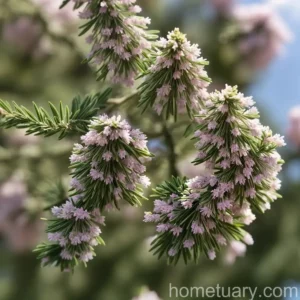
Rhododendron prinophyllum (Roseshell Azalea): A Comprehensive Guide
Rhododendron prinophyllum, commonly known as Roseshell Azalea, is a stunning flowering shrub that belongs to the genus Rhododendron. Native to North America, it is cherished for its captivating blooms and adaptability to various environmental conditions. In this comprehensive guide, we will delve into the various aspects of this enchanting plant, including its cultural requirements, uses, care techniques, and much more.
Key Takeaways – Rhododendron prinophyllum (Roseshell Azalea)
Before we embark on an in-depth exploration of Rhododendron prinophyllum, let’s highlight the key takeaways that will be covered in this guide:
- Plant Name: Rhododendron prinophyllum (Roseshell Azalea)
- Culture: Understanding the cultural requirements for optimal growth
- Uses: Exploring the versatile uses of Roseshell Azalea
- Water: Insights into the watering needs of Rhododendron prinophyllum
- Sunlight: Understanding its sunlight requirements for thriving blooms
- Fertilizer: Unraveling the essential fertilizer requirements
- Soil: Exploring the ideal soil conditions for this species
- Pruning: Techniques and frequency for maintaining its form and vigor
- Propagation: Insights into the propagation methods
- Container Popularity: Exploring its suitability for container gardening
- Common Diseases: Identifying potential diseases and preventive measures
- Common Pests: Understanding the pests that may affect Roseshell Azalea
- Botanist’s Tips: Expert tips for cultivating and caring for this plant
- Fun Facts: Uncovering interesting and unique facts about Rhododendron prinophyllum
- Links to External Resources: Providing additional references to enrich your understanding
Now, let’s embark on an enlightening journey to discover the captivating world of Rhododendron prinophyllum.
What is Rhododendron prinophyllum (Roseshell Azalea)?
Rhododendron prinophyllum, also commonly referred to as Roseshell Azalea, is a deciduous flowering shrub that is revered for its captivating blooms and delightful fragrance. This native North American plant is a member of the Ericaceae family and is known for its adaptability to various environmental conditions. The species name, prinophyllum, is derived from the Latin words prinos and phyllum, referring to prinos, which means “holly,” and phyllum, which means “leaf,” highlighting the resemblance of its leaves to those of holly plants.
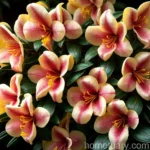
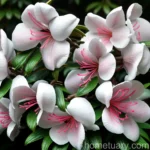
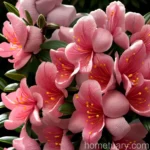
Roseshell Azalea is distinguished by its clusters of showy, trumpet-shaped flowers that adorn the plant, creating a stunning visual spectacle. The blooms typically appear in shades of pale pink to deep rose, exuding a pleasant fragrance that adds to its allure. Its foliage, which emerges after the blooms, showcases a vibrant green color and contributes to the plant’s ornamental appeal.
Culture
Understanding the cultural requirements of Rhododendron prinophyllum is essential for promoting its health and vigor. Let’s delve into the key cultural aspects that contribute to the optimal growth of this enchanting plant.
Uses
Roseshell Azalea holds exceptional versatility in its uses, making it a prized addition to various landscapes and gardens. Some of the prominent uses of Rhododendron prinophyllum include:
- Ornamental Beauty: The stunning blooms and vibrant foliage make it a popular choice for ornamental and aesthetic purposes, adding splendor to gardens, parks, and landscapes.
- Naturalizing Woodlands: Due to its native habitat, Roseshell Azalea is often utilized to enhance and naturalize woodland areas, infusing color and fragrance into the natural environment.
- Borders and Hedges: Its dense growth habit and beautiful blooms make it well-suited for creating borders and hedges, adding visual interest and structure to outdoor spaces.
- Pollinator Support: The nectar-rich blooms attract pollinators such as bees and butterflies, making it an invaluable addition to pollinator-friendly gardens.
Water
Ensuring proper watering is critical for the health and vitality of Rhododendron prinophyllum. While this plant thrives in moist conditions, it is also essential to maintain well-draining soils to prevent waterlogging, which can be detrimental to its root system.
Sunlight
Rhododendron prinophyllum thrives in filtered or partial shade, making it well-suited for woodland and dappled shade settings. When selecting a planting location, it is advisable to choose an area that receives dappled sunlight or partial shade to provide the ideal conditions for its growth and blooming.
Fertilizer
Applying a balanced fertilizer specifically formulated for acid-loving plants is crucial for promoting the health and vigor of Rhododendron prinophyllum. These fertilizers are designed to provide the necessary nutrients, including nitrogen, phosphorus, and potassium, while also aiding in maintaining the appropriate soil pH levels.
Soil
Rhododendron prinophyllum thrives in well-drained, acidic soils that are rich in organic matter. When cultivating this species, it is essential to ensure that the soil pH remains within the acidic range, typically between 4.5 and 6.0, to create an optimal growing environment for the plant.
Pruning
Pruning is an essential aspect of maintaining the form, vitality, and flowering potential of Rhododendron prinophyllum. By employing targeted pruning techniques, gardeners can remove dead or damaged branches, shape the plant, and promote new growth, contributing to its overall health and aesthetic appeal.
Propagation
Propagating Rhododendron prinophyllum can be achieved through various methods, including:
- Seed Propagation: Growing Roseshell Azalea from seeds requires patience and careful attention to the specific germination requirements of the species.
- Stem Cuttings: Utilizing stem cuttings from healthy, established plants offers a reliable method for propagating Rhododendron prinophyllum, allowing for the production of new plants with desirable traits.
- Layering: Layering involves encouraging the formation of roots on a branch while it is still attached to the parent plant, enabling the creation of new plants with a well-established root system.
Container Popularity
Rhododendron prinophyllum is well-suited for container gardening, making it a desirable choice for individuals with limited outdoor space or those seeking to adorn patios, decks, or balconies with its charming blooms and foliage. When cultivating this species in containers, it is important to select a suitable potting mix that provides adequate drainage while also retaining the necessary moisture for the plant’s well-being.
Common Diseases
Rhododendron prinophyllum, like other members of the genus Rhododendron, may be susceptible to certain diseases, including:
- Powdery Mildew: This fungal disease can affect the foliage of Roseshell Azalea, leading to the development of a powdery white coating on the leaves. Proper air circulation and moisture management are crucial for preventing powdery mildew.
- Phytophthora Root Rot: Excessive soil moisture can create favorable conditions for the development of Phytophthora root rot, a destructive disease that affects the roots of Rhododendron species. Maintaining well-drained soils is essential for mitigating the risk of this fungal infection.
Disease Diagnosis
Accurately diagnosing and identifying potential diseases impacting Rhododendron prinophyllum is essential for implementing targeted treatment measures and preventing the spread of the disease within the garden or landscape. Common symptoms and signs of diseases affecting Roseshell Azalea include:
- Leaf Spotting: The appearance of irregular or concentric spots on the foliage may indicate the presence of fungal or bacterial pathogens.
- Wilting and Decline: Sudden wilting, yellowing, or decline of the plant’s overall vigor can be indicative of root diseases or systemic infections.
- Abnormal Growth: Any abnormal growth patterns, distortion of leaves, or stunted development may be a sign of disease or pest infestation.
Common Pests
Several pests may pose a threat to the health and vitality of Rhododendron prinophyllum, including:
- Spider Mites: These tiny arachnids can infest the foliage of Roseshell Azalea, causing stippling and discoloration of the leaves. Regular monitoring and early intervention are key for managing spider mite infestations.
- Azalea Lace Bug: This pest feeds on the undersides of the leaves, leading to discoloration, stippling, and reduced vigor in affected plants. Implementing targeted control measures is essential for mitigating lace bug damage.
- Rhododendron Borer: The larvae of this pest tunnel into the stems, potentially causing significant damage and weakening the plant. Regular inspection and prompt action are crucial for managing this pest effectively.
Botanist’s Tips
To ensure the optimal growth and well-being of Rhododendron prinophyllum, here are a few expert tips to consider:
- Mulching: Applying a layer of organic mulch around the base of the plant helps conserve soil moisture, suppress weeds, and enhance the overall growing environment for Roseshell Azalea.
- Regular Monitoring: Periodic inspection of the plant for signs of disease, pest infestations, and nutrient deficiencies is essential for maintaining its health and vitality.
- Seasonal Maintenance: Adhering to a consistent schedule for pruning, fertilizing, and soil amendments can significantly contribute to the long-term success of Rhododendron prinophyllum.
- Pollinator Support: Embracing the role of Roseshell Azalea as a pollinator-friendly plant by creating a welcoming environment for beneficial insects and pollinators within the garden or landscape.
Fun Facts
Uncover some fascinating and unique facts about Rhododendron prinophyllum:
- Native Habitat: Roseshell Azalea is indigenous to North America, particularly thriving in woodland settings and along stream banks in its natural habitat.
- Fragrance: The delightful fragrance of its blooms adds to the allure of Rhododendron prinophyllum, creating an enchanting sensory experience for admirers.
- Deer Resistance: This species exhibits a degree of resistance to deer browsing, making it a valuable addition to landscapes where deer pressure is a concern.
- Winter Interest: While renowned for its captivating blooms, the attractive foliage and structure of Rhododendron prinophyllum offer visual interest during the winter months, enhancing the appeal of the landscape.
Now that we’ve delved into the cultural, care, and interesting aspects of Rhododendron prinophyllum, it is essential to have access to additional resources for enriching your knowledge and expertise in cultivating this captivating plant.
Links to External Resources
- American Rhododendron Society: https://www.rhododendron.org/
- The Rhododendron Species Foundation & Botanical Garden: https://rhodygarden.org/
- Missouri Botanical Garden: Plant Finder – Rhododendron prinophyllum: https://www.missouribotanicalgarden.org/PlantFinder/PlantFinderDetails.aspx?taxonid=277103
By incorporating the insights and guidance provided in this comprehensive guide, you can embark on an enriching journey to cultivate, care for, and appreciate the captivating beauty of Rhododendron prinophyllum, adding a touch of elegance and charm to your landscape.