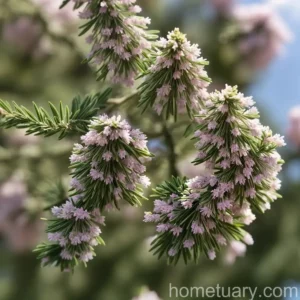
Azalea (Rhododendron ‘Darkie’): A Complete Guide
Introduction
Azaleas are prized for their exquisite blossoms and lush foliage, and one standout variety is the ‘Darkie’ azalea, scientifically known as Rhododendron ‘Darkie.’ Named for its deep, rich purple blooms, the ‘Darkie’ azalea is a stunning addition to any garden or landscape. In this comprehensive guide, we will delve into the characteristics, care, uses, and maintenance of the ‘Darkie’ azalea, ensuring that both novice and experienced gardeners can cultivate and enjoy this remarkable plant to its fullest potential.
Plant Name
Common Name: Azalea ‘Darkie’
Scientific Name: Rhododendron ‘Darkie’
Key Takeaways – Azalea (Rhododendron ‘Darkie’)
Before delving into the intricate details of this beautiful plant, let’s start with some key takeaways regarding the ‘Darkie’ azalea:
- The ‘Darkie’ azalea, also known as Rhododendron ‘Darkie’, features striking dark purple flowers that make a bold statement in any garden.
- This azalea variety requires well-draining, acidic soil and thrives in partial shade with protection from harsh afternoon sunlight.
- ‘Darkie’ azaleas are versatile and can be grown in the ground or in containers, making them suitable for various landscaping and gardening applications.
- These plants can be susceptible to certain diseases and pests, emphasizing the importance of proper care and maintenance to promote their overall health and vigor.
What is Azalea (Rhododendron ‘Darkie’)?
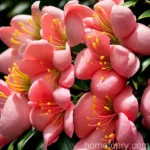
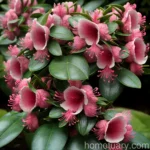
The ‘Darkie’ azalea is a cultivar of the evergreen Rhododendron genus, valued for its elegant, dark purple blossoms. Known for its distinctively vibrant and large flowers, this azalea variety boasts an impressive visual impact in any garden setting. Its glossy, dark green foliage provides an attractive backdrop to the stunning blooms, making the ‘Darkie’ azalea a sought-after ornamental plant for many landscaping enthusiasts.
Characteristics of Azalea (Rhododendron ‘Darkie’)
- Flower Color: Dark Purple
- Foliage Type: Evergreen
- Mature Size: 3 to 4 feet in height and width
- Bloom Time: Spring to early summer
- Hardiness Zone: 6-9
- Growth Habit: Compact, rounded
The ‘Darkie’ azalea’s charming flowers, coupled with its tidy growth habit, position it as a versatile and desirable plant for gardens, borders, and containers.
Culture
Cultivating azaleas, including the ‘Darkie’ variety, requires a fundamental understanding of their specific cultural requirements. This encompasses aspects such as light exposure, water needs, soil conditions, and fertilization. By addressing these essential aspects, gardeners can ensure the optimal growth and flowering of their ‘Darkie’ azaleas.
Uses
The ‘Darkie’ azalea offers a multitude of uses in landscaping and gardening. Its vibrant flowers and evergreen foliage make it suitable for the following applications:
– Garden Borders: Create stunning borders and hedges with the ‘Darkie’ azalea, harnessing its compact growth habit and delightful blooms to define garden spaces.
– Container Planting: Utilize the ‘Darkie’ azalea as a striking focal point in containers, whether placed on patios, porches, or within garden landscapes.
– Woodland Gardens: Introduce the ‘Darkie’ azalea to woodland or shaded garden areas to infuse vibrant color and texture into naturalistic settings.
The versatility of the ‘Darkie’ azalea makes it an inviting option for various landscape designs, offering an array of possibilities for creative expression within garden spaces.
Water
Proper watering is essential for the health and vitality of the ‘Darkie’ azalea. As with many ornamental plants, azaleas display specific water needs that should be met to ensure their overall well-being.
Watering Tips for Azalea (Rhododendron ‘Darkie’)
- Frequency: Water ‘Darkie’ azaleas thoroughly and deeply, ensuring that the soil remains consistently moist but not waterlogged. During dry periods, supplement with additional irrigation to support their hydration requirements.
- Avoid Water Stress: Prevent water stress in azaleas by monitoring soil moisture levels and adjusting watering frequency based on environmental conditions and seasonal changes.
- Mulching: Apply a generous layer of organic mulch around the base of ‘Darkie’ azaleas to help retain soil moisture and regulate the temperature of the root zone.
By adhering to these watering guidelines, gardeners can establish a balanced and sustainable approach to meeting the ‘Darkie’ azalea’s water needs, promoting robust growth and floral abundance.
Sunlight
Appropriate light exposure plays a pivotal role in the cultivation of ‘Darkie’ azaleas, impacting their flowering potential and overall vigor. Understanding the ideal sunlight conditions for these plants is crucial for their success in garden landscapes.
Sunlight Needs of Azalea (Rhododendron ‘Darkie’)
- Partial Shade: ‘Darkie’ azaleas thrive in locations with filtered or dappled sunlight, offering protection from intense midday sun. These plants can also tolerate morning sun and some direct sunlight if the overall exposure is moderated.
- Morning Sun: Position ‘Darkie’ azaleas in areas that receive gentle morning sunlight, as it aids in promoting healthy growth and flower development.
- Afternoon Shade: Shield ‘Darkie’ azaleas from intense afternoon sunlight to prevent potential leaf scorch and maintain optimal growing conditions.
By intentionally situating ‘Darkie’ azaleas in locations that align with their sunlight preferences, gardeners can optimize their performance and ensure the development of abundant and vibrant blooms.
Fertilizer
Providing appropriate nourishment to ‘Darkie’ azaleas through fertilization is instrumental in fostering robust growth and encouraging prolific flowering. Selective and timely application of fertilizer can significantly enhance the overall health and aesthetic appeal of these ornamental plants.
Fertilization Guidelines for Azalea (Rhododendron ‘Darkie’)
- Acidic Fertilizer: Employ a specialized acidic or azalea-specific fertilizer to cater to the ‘Darkie’ azalea’s preference for low pH soil conditions.
- Application Timing: Administer fertilizer to ‘Darkie’ azaleas in early spring, following the conclusion of the flowering period, to support their growth and bud formation for the subsequent season.
- Rate of Application: Apply fertilizer as per the manufacturer’s instructions, ensuring that it is evenly distributed around the root zone and gently worked into the soil surface.
- Avoid Overfertilization: Exercise caution to prevent overfertilizing ‘Darkie’ azaleas, as excessive nutrient levels can lead to adverse effects on the plant’s health and performance.
Adhering to these fertilization recommendations enables gardeners to provide ‘Darkie’ azaleas with the essential nutrients necessary for flourishing growth and abundant blooms, ultimately contributing to their visual appeal and vitality.
Soil
The choice and quality of soil significantly influence the growth and development of ‘Darkie’ azaleas. As acid-loving plants, these azaleas demand specific soil characteristics to thrive and reach their full potential.
Soil Requirements for Azalea (Rhododendron ‘Darkie’)
- Acidic Soil: ‘Darkie’ azaleas necessitate acidic soil with a pH range of 4.5 to 6.0 for optimal growth and nutrient uptake. Acidic conditions facilitate the solubility and availability of essential minerals to the plants.
- Well-Draining Soil: Ensure that the soil is well-draining, preventing waterlogged conditions that can compromise the root health of ‘Darkie’ azaleas.
- Organic Matter: Incorporate organic matter, such as peat moss or compost, into the soil to improve its texture, water retention, and nutrient content, creating a favorable environment for the growth of ‘Darkie’ azaleas.
By thoughtfully addressing the soil requirements of ‘Darkie’ azaleas, gardeners can establish an ideal foundation for their cultivation, nurturing healthy and robust plants with the potential for profuse flowering.
Pruning
Pruning plays a pivotal role in shaping and maintaining the form, vigor, and floral abundance of ‘Darkie’ azaleas. Employing proper pruning techniques is essential to manage the growth of these plants and promote their overall health and aesthetic appeal.
Pruning Techniques for Azalea (Rhododendron ‘Darkie’)
- Deadheading: Remove spent blooms promptly to encourage continued flowering and prevent the formation of seeds, redirecting the plant’s energy towards growth and bud development.
- Thinning: Thin out crowded or crossing branches to enhance air circulation and light penetration within the ‘Darkie’ azalea’s canopy, promoting overall plant health.
- Shaping: Prune ‘Darkie’ azaleas after the bloom period to shape and control their growth, ensuring a tidy and compact form while preserving their natural beauty.
Adhering to these pruning strategies empowers gardeners to effectively manage the growth and appearance of ‘Darkie’ azaleas, fostering their vigor and blossoming potential throughout the growing seasons.
Propagation
Expanding the presence of ‘Darkie’ azaleas in a garden or landscape often involves propagation through various methods, offering opportunities to cultivate new plants and preserve desirable genetic traits.
Propagation Techniques for Azalea (Rhododendron ‘Darkie’)
- Cutting Propagation: Utilize stem cuttings from healthy ‘Darkie’ azaleas to propagate new plants, ensuring that the cuttings are taken from non-flowering shoots and treated with a rooting hormone to facilitate the development of roots.
- Air Layering: Employ air layering as a method to encourage the formation of roots on a mature branch of a ‘Darkie’ azalea, allowing it to be eventually separated and established as an independent plant.
- Division: Divide established ‘Darkie’ azaleas during the dormant season, carefully separating the root ball into sections and transplanting them to specific locations for continued growth.
By mastering these propagation techniques, gardeners can expand the presence of ‘Darkie’ azaleas within their garden landscapes, creating a visually captivating and diverse array of these exquisite plants.
Container Popularity
The ‘Darkie’ azalea’s versatility extends to its popularity as a container plant, offering opportunities to introduce its vibrant blooms and lush foliage into various outdoor and indoor settings.
Advantages of Container Planting for Azalea (Rhododendron ‘Darkie’)
- Portability: Container-grown ‘Darkie’ azaleas can be moved and repositioned as needed, allowing for flexible placement within garden landscapes and outdoor living spaces.
- Space Optimization: Accommodate ‘Darkie’ azaleas in limited garden areas or on patios and decks, maximizing their ornamental impact within compact settings.
- Indoor Cultivation: Showcase ‘Darkie’ azaleas indoors, providing an infusion of color and natural beauty within interior spaces, such as living rooms, entryways, or offices.
The container popularity of ‘Darkie’ azaleas underscores their adaptability and aesthetic appeal, presenting enticing possibilities for integrating these plants into diverse environmental contexts.
Common Diseases
Azaleas, including the ‘Darkie’ variety, may be susceptible to certain diseases that can affect their overall health and vigor. Recognizing these common diseases and their associated symptoms is critical for implementing preventive measures and timely interventions to mitigate their impact.
Common Diseases Affecting Azalea (Rhododendron ‘Darkie’)
- Powdery Mildew: Recognized by the development of powdery white patches on the leaves and young shoots, powdery mildew can impair the growth and aesthetic quality of ‘Darkie’ azaleas.
- Leaf Spot: Leaf spot diseases manifest as circular or irregularly shaped spots on the foliage, often accompanied by yellowing or browning of the affected areas, compromising the plant’s photosynthetic capacity.
- Phytophthora Root Rot: Phytophthora root rot can manifest as a decline in the overall vigor of ‘Darkie’ azaleas, with symptoms such as wilting, yellowing leaves, and eventual dieback of branches, stemming from the infection of root systems.
Understanding the nature of these common diseases equips gardeners with the knowledge to identify and address potential issues affecting ‘Darkie’ azaleas, safeguarding their well-being and preserving their visual appeal.
Disease Diagnosis and Management
Diagnosing and managing diseases affecting ‘Darkie’ azaleas involve proactive measures to maintain plant health and vitality, combined with appropriate interventions to mitigate the impact of identified diseases.
Steps for Disease Diagnosis and Management
- Visual Inspection: Regularly inspect ‘Darkie’ azaleas for any signs of disease, including abnormal leaf discoloration, spots, or mildew-like growth on the foliage.
- Cultural Practices: Implement cultural practices, such as proper plant spacing, adequate ventilation, and mindful watering, to minimize disease development and spread.
- Fungicidal Treatments: Apply fungicidal sprays or treatments as a preventive measure against powdery mildew and leaf spot diseases, particularly during periods conducive to their development.
- Root Health Management: Monitor soil moisture levels and drainage to prevent the onset of phytophthora root rot, promoting a healthy root environment for ‘Darkie’ azaleas.
By adhering to these disease diagnosis and management strategies, gardeners can effectively safeguard ‘Darkie’ azaleas from the impact of common diseases, fostering their long-term health and ornamental appeal within garden landscapes.
Common Pests
In addition to diseases, ‘Darkie’ azaleas may also be susceptible to certain pests that can compromise their growth and overall vitality. Understanding these common pests and their associated signs is crucial for implementing pest control measures and preserving the health of these ornamental plants.
Common Pests Affecting Azalea (Rhododendron ‘Darkie’)
- Azalea Lace Bug: Lace bugs can inflict damage on ‘Darkie’ azaleas by feeding on the underside of leaves, causing stippling, discoloration, and premature leaf drop.
- Spider Mites: Spider mites are tiny arachnids that can infest ‘Darkie’ azaleas, resulting in stippled or bronzed leaves, webbing on the foliage, and diminished plant vigor.
- Azalea Caterpillars: Caterpillars, such as the azalea caterpillar, can chew on the leaves of ‘Darkie’ azaleas, leading to unsightly foliage damage and potential defoliation.
Recognizing the presence of these common pests equips gardeners with the knowledge to implement targeted pest control measures, mitigating potential damage and preserving the visual appeal of ‘Darkie’ azaleas.
Botanist’s Tips
Here are some valuable tips from botanists and experienced gardeners to enhance the care and cultivation of ‘Darkie’ azaleas:
- Soil Testing: Conduct regular soil tests to monitor pH levels and nutrient content, ensuring that the growing environment for ‘Darkie’ azaleas remains conducive to their overall health and flowering potential.
- Mulching Benefits: Apply organic mulch, such as pine bark or wood chips, around ‘Darkie’ azaleas to conserve soil moisture, regulate temperature, and inhibit weed growth, providing a conducive growing environment.
- Integrated Pest Management: Employ integrated pest management strategies, incorporating beneficial insects and natural predators to mitigate pest issues in a sustainable and environmentally sensitive manner.
Incorporating these expert tips into the care and maintenance of ‘Darkie’ azaleas empowers gardeners to nurture healthy, vibrant plants, showcasing their captivating blooms and evergreen foliage to their fullest extent.
Fun Facts
Uncover intriguing and captivating facts about the ‘Darkie’ azalea that showcase its unique attributes and captivating allure:
- The ‘Darkie’ azalea is a hybrid rhododendron that emerged from the intersectional crossbreeding of specified parent species, resulting in its striking dark purple flowers and compact growth habit.
- While revered for its exceptional floral display, the ‘Darkie’ azalea also contributes to the overall biodiversity of garden landscapes, attracting pollinators such as bees and butterflies with its nectar-rich blooms.
- With proper care and maintenance, ‘Darkie’ azaleas can thrive and blossom for many years, evolving into eye-catching focal points within garden borders, woodland settings, and container arrangements.
By delving into these fun and captivating facts, enthusiasts can gain a deeper appreciation for the ‘Darkie’ azalea and the distinctive allure it brings to garden landscapes and outdoor spaces.
Links to External Resources
Explore additional resources and expert insights on the care, cultivation, and ornamental uses of the ‘Darkie’ azalea through the following links:
These external resources provide valuable information and perspectives on azaleas, including specific cultivars such as Rhododendron ‘Darkie’, enriching the understanding and appreciation of these fascinating ornamental plants.
In conclusion, the ‘Darkie’ azalea stands as a captivating and enchanting addition to garden landscapes and outdoor environments, boasting its striking dark purple flowers, evergreen foliage, and versatile uses. By embracing the insights and guidelines presented in this comprehensive guide, gardeners can cultivate, care for, and celebrate the unique allure of the ‘Darkie’ azalea, unlocking its full potential within diverse garden settings and horticultural expressions.
Keywords: Rhododendron Darkie, Azalea Darkie, Rhododendron azalea, Darkie Azalea, Azalea Dark Purple, Rhododendron ‘Darkie’ care, Darkie Azalea plant, Rhododendron ‘Darkie’ varieties, Darkie Azalea flower, Azalea Rhododendron hybrid, Rhododendron Darkie characteristics, Darkie Azalea plant care, Rhododendron ‘Darkie’ pruning, Darkie Azalea garden, Azalea ‘Darkie’ landscaping, Rhododendron ‘Darkie’ growth, Darkie Azalea landscape design, Azalea Darkie fertilization, Rhododendron ‘Darkie’ planting, Darkie Azalea watering tips, Azalea ‘Darkie’ propagation, Rhododendron ‘Darkie’ disease resistance, Darkie Azalea pruning techniques, Azalea Darkie soil requirements, Rhododendron ‘Darkie’ sunlight needs, Darkie Azalea companion plants, Azalea ‘Darkie’ container gardening, Rhododendron ‘Darkie’ winter care, Darkie Azalea landscaping ideas, Azalea Darkie pest control, Rhododendron ‘Darkie’ seasonal changes, Darkie Azalea pollination, Azalea ‘Darkie’ indoor cultivation, Rhododendron ‘