Rhododendron Mollis: A Complete Guide to Care, Cultivation, and Maintenance
Introduction
Rhododendron mollis, also known as the Azalea mollis, is a beautiful and vibrant flowering plant that belongs to the Rhododendron genus. Its captivating flowers and lush foliage make it a popular choice for gardens and landscapes. Native to parts of East Asia, including Japan and Korea, this plant has gained recognition for its stunning blooms and ornamental appeal. In this comprehensive guide, we will delve into the essential aspects of caring for and cultivating Rhododendron mollis, covering its cultural requirements, uses, maintenance, common diseases, pests, and much more.

What is Rhododendron Mollis?
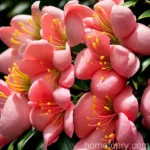
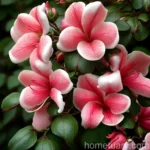
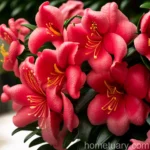
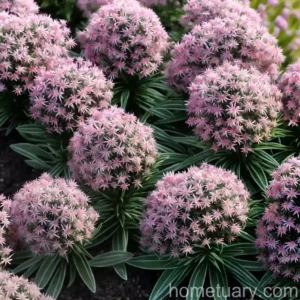
Rhododendron mollis is a broad-leaved evergreen shrub that is renowned for its large, showy flowers, which bloom in an array of colors, including shades of yellow, orange, and red. The plant typically reaches a height of 4 to 8 feet and is characterized by its vibrant floral display and glossy, deep green foliage. When in full bloom, Rhododendron mollis can transform a garden or landscape into a colorful and visually captivating space.
Key Takeaways
Before delving into the intricacies of caring for Rhododendron mollis, let’s briefly summarize some key takeaways relating to this plant:
- Common Name: Rhododendron Mollis or Azalea Mollis
- Genus: Rhododendron
- Type: Broad-leaved evergreen shrub
- Flower Colors: Yellow, orange, red, and shades thereof
Culture
Understanding the cultural requirements of Rhododendron mollis is essential for ensuring its optimal growth and blooming. Below, we will explore various aspects of the plant’s cultural needs, including its uses, water requirements, sunlight preferences, fertilization, soil conditions, pruning, propagation, and its popularity in container gardening.
Uses
Rhododendron mollis holds significant ornamental value and is widely used for landscaping, particularly in gardens and parks. Its large and colorful blooms, combined with its evergreen foliage, make it a favored choice for adding visual appeal to outdoor spaces. It is often used as a standout specimen plant, in mass plantings, as a hedge, or within mixed borders where its vibrant flowers can complement other garden plants.
Water
Proper watering is crucial for the health and vitality of Rhododendron mollis. While the plant requires regular watering, it is essential to avoid overwatering, which can lead to root rot and other water-related issues. During the growing season, provide consistent moisture, ensuring that the soil remains evenly moist but not waterlogged. In periods of drought, additional watering may be necessary to prevent the plant from becoming stressed.
Sunlight
Rhododendron mollis thrives in partial shade to full sun, with a preference for dappled sunlight or light shade. In regions with intense or prolonged sunlight exposure, providing some shelter or afternoon shade can be beneficial, particularly during the hottest parts of the day. When grown in too much shade, the plant may produce fewer flowers, so it is essential to strike a balance that allows for adequate light without subjecting the plant to excessive heat and sunlight.
Fertilizer
Fertilizing Rhododendron mollis is an important aspect of its care routine. A balanced and acidic fertilizer, specifically formulated for acid-loving plants such as Rhododendrons, can promote healthy growth and vibrant blooms. Apply a suitable fertilizer in early spring before new growth begins, and avoid excessive use of high-nitrogen fertilizers, which can lead to lush foliage at the expense of flowers.
Soil
Rhododendron mollis flourishes in well-draining, humus-rich, and slightly acidic soil. Ideally, the soil should have a pH range of 5.0 to 5.5, providing an environment that is conducive to the plant’s growth and blooming. Additionally, incorporating organic matter such as compost or leaf mold into the soil can enhance its structure and fertility, creating an optimal foundation for the plant to thrive.
Pruning
Pruning is an essential practice for maintaining the shape, vigor, and flowering performance of Rhododendron mollis. The best time to prune is shortly after flowering, as this allows adequate time for the development of new flower buds for the following year. Regular pruning can help control the size of the plant, remove dead or diseased wood, and encourage a bushy and well-branched growth habit.
Propagation
Propagating Rhododendron mollis can be achieved through various methods, including semi-hardwood cuttings, layering, and seed propagation. Semi-hardwood cuttings, taken in mid to late summer, can be rooted under controlled conditions to produce new plants with identical characteristics to the parent plant. Layering involves encouraging a stem to produce roots while still attached to the parent plant, resulting in a genetically identical offspring. Seed propagation, while possible, may yield variations from the parent plant and is therefore less commonly practiced.
Container Popularity
Rhododendron mollis is well-suited for container gardening, making it a popular choice for those seeking to enjoy its beauty on patios, balconies, or in small gardens. When grown in containers, it is essential to use a well-draining potting mix and to provide appropriate care regarding water, sunlight, and fertilization. Containers offer the added flexibility of being able to move the plant to a more suitable location based on its sunlight and temperature requirements.
Common Diseases
Like many plants, Rhododendron mollis is susceptible to certain diseases that can impact its health and appearance. Understanding these common diseases and their management is essential for ensuring the plant’s longevity and vitality.
Disease Diagnosis
Diagnosing diseases in Rhododendron mollis involves recognizing symptoms such as discoloration, wilting, spotting, or abnormal growth patterns. Common diseases to watch out for include powdery mildew, root rot, leaf spot, and petal blight. Timely identification and appropriate intervention, such as corrective pruning or targeted fungicidal treatments, can help manage these diseases and prevent their spread.
Common Pests
The health of Rhododendron mollis can also be impacted by various pests, including aphids, spider mites, lace bugs, and caterpillars. These pests can feed on the plant’s foliage, causing damage and potentially reducing its vitality. Implementing pest management strategies such as insecticidal soaps, neem oil, or introducing beneficial predators can help control pest populations and minimize their impact on the plant.
Botanist’s Tips
Botanist’s tips for successfully caring for Rhododendron mollis can include selecting suitable varieties for the local climate, ensuring consistent and appropriate moisture levels, monitoring for signs of nutrient deficiencies, and being vigilant in preventing and addressing common diseases and pests. Additionally, being mindful of the plant’s growth and flowering habits can inform decisions related to pruning, fertilization, and overall maintenance.
Fun Facts
Rhododendron mollis is known for more than just its visual appeal. Here are some intriguing and fun facts about this captivating plant:
- Some varieties of Rhododendron mollis are prized for their fragrant blooms, adding an extra sensory dimension to their allure.
- Rhododendron mollis is part of the Ericaceae family, which includes a diverse array of plants such as heathers, cranberries, and blueberries.
- This plant has been cultivated for centuries, with various hybrids and cultivars developed to showcase an extensive range of colors and forms.
Links to External Resources
To further expand your knowledge and understanding of Rhododendron mollis, consider exploring the following external resources:
By delving into these resources, you can gain valuable insights and practical tips from experienced enthusiasts and experts in the field of Rhododendron cultivation.
In the next section, we will delve deeper into the specific aspects of Rhododendron mollis care, covering topics such as specific varieties, pruning techniques, planting guidelines, and much more.
Plant Name: “Rhododendron mollis”
Rhododendron Mollis Care
Caring for Rhododendron mollis involves attending to a range of factors that contribute to its overall health, growth, and blooming. Understanding the specific care requirements related to fertilization, blooming, soil preferences, and propagation techniques is essential for successfully cultivating this vibrant plant.
Rhododendron Mollis Varieties
The variety of Rhododendron mollis plants available offers a diverse range of flower colors, growth habits, and foliage characteristics. Some popular varieties include ‘Golden Oriole’ with its striking yellow blooms, ‘Harvest Moon’ known for its rich orange flowers, and ‘Narcissiflorum’ featuring pale yellow blooms with a light fragrance. Exploring the unique attributes of different varieties can provide options for creating visually dynamic landscapes and gardens.
Rhododendron Mollis Pruning
Pruning Rhododendron mollis is a crucial aspect of its care, influencing the plant’s shape, size, and blooming potential. Pruning techniques such as deadheading spent flowers, removing dead or diseased wood, and selectively shaping the plant can contribute to its overall health and appearance. Understanding the timing and methods for pruning can optimize the plant’s flowering performance while maintaining its desired form.
Rhododendron Mollis Planting
When planting Rhododendron mollis, it is important to consider its soil, water, and sunlight requirements. Select a planting site with well-draining acidic soil and partial shade to full sun exposure. Incorporating organic matter into the planting area can enhance soil structure and fertility, providing an ideal environment for the new plant to establish itself.
Rhododendron Mollis Diseases
Managing diseases that can affect Rhododendron mollis is an integral part of its care routine. Common diseases such as powdery mildew and petal blight can impact the plant’s foliage and blooms. Implementing preventive measures such as proper spacing, adequate air circulation, and diligent monitoring can help minimize the risk of disease outbreaks.
Rhododendron Mollis Fertilization
Fertilizing Rhododendron mollis with a suitable acidic fertilizer can support its growth and blooming. Applying fertilizer in early spring before new growth begins provides essential nutrients to the plant, aiding in the development of healthy foliage and vibrant flowers. Monitoring the plant’s response to fertilization can guide adjustments to the fertilization regimen as needed.
Rhododendron Mollis Blooming
The blooming season of Rhododendron mollis showcases its stunning array of colorful flowers. Understanding the plant’s blooming habits, such as the duration of the flowering period and the sequence of flower bud development, can offer valuable insights for planning and appreciating its seasonal displays. Promoting optimal blooming through suitable cultural practices can enhance the plant’s visual impact.
Rhododendron Mollis Soil Requirements
Rhododendron mollis thrives in slightly acidic soil with good drainage. Ideal soil conditions provide a stable foundation for the plant’s root development, allowing it to access essential nutrients and moisture. Testing and amending the soil to achieve the desired pH range and structure can create an environment conducive to the plant’s overall health and vigor.
Rhododendron Mollis Propagation
Exploring propagation methods for Rhododendron mollis offers opportunities to expand plantings and cultivate new specimens. Methods such as taking semi-hardwood cuttings, layering, and seed propagation can yield genetically identical or unique offspring, each with its distinct characteristics. Tailoring propagation techniques to specific goals and preferences can open up avenues for creating diverse plant collections.
Rhododendron Mollis Sun Exposure
Providing suitable sun exposure for Rhododendron mollis supports its overall vitality and blooming potential. Balancing the plant’s preference for partial shade to full sun with the need to protect it from intense sunlight and heat can contribute to healthy growth and robust flowering. Understanding the nuances of sun exposure can guide decisions related to plant placement and care.
Rhododendron Mollis Watering Needs
Maintaining appropriate moisture levels is essential for the well-being of Rhododendron mollis. Consistent watering during the growing season, ensuring that the soil remains evenly moist without becoming waterlogged, can promote vigorous growth and abundant flowering. Monitoring the plant’s response to watering practices can inform adjustments to meet its specific moisture requirements.
Rhododendron Mollis Pests
Being vigilant about pest management is crucial for protecting Rhododendron mollis from potential damage caused by pests such as aphids, spider mites, and lace bugs. Implementing preventive measures and targeted control strategies can help minimize the impact of pests and preserve the plant’s aesthetic and health. Understanding the signs of pest infestations and their management techniques can empower effective intervention.
Rhododendron Mollis Common Problems
A proactive approach to identifying and addressing common problems that can affect Rhododendron mollis is essential for maintaining the plant’s resilience and visual appeal. Issues such as nutrient deficiencies, environmental stress, and inadequate care can manifest as symptoms affecting the plant’s foliage, blooms, or overall vigor. Diagnosing and rectifying common problems can contribute to the plant’s long-term well-being.
Rhododendron Mollis Landscape Uses
Incorporating Rhododendron mollis into landscape designs offers opportunities to enhance outdoor spaces with its vibrant flowers and evergreen foliage. Whether used as a focal point, a colorful border, or a mass planting, the plant can contribute to visually dynamic and multi-seasonal landscapes. Collaborating with other plants that complement its characteristics can further enrich its landscape contributions.
Rhododendron Mollis Native Habitat
Understanding the native habitat of Rhododendron mollis, which includes regions of East Asia such as Japan and Korea, can provide insights into its environmental preferences and natural growing conditions. The plant’s adaptation to specific climates and soil types can inform care practices aimed at replicating or accommodating its native habitat in cultivated settings.
Rhododendron Mollis Growth Rate
Rhododendron mollis exhibits a moderate growth rate, gradually reaching its mature size over several years. Recognizing the plant’s growth habits and potential size at maturity can inform decisions related to spacing, pruning, and long-term landscape planning. Understanding the trajectory of its growth can guide expectations for its development and maintenance requirements.
Rhododendron Mollis Cold Hardiness
Rhododendron mollis demonstrates cold hardiness, able to withstand colder temperatures within specific ranges. Understanding the plant’s tolerance for cold conditions and its potential need for protection during severe weather events can contribute to its successful cultivation in regions with diverse climates. Care practices tailored to its cold hardiness features can help ensure its resilience in challenging environments.
Rhododendron Mollis Companion Plants
Choosing suitable companion plants to grow alongside Rhododendron mollis can create visually harmonious and ecologically supportive plantings. Selecting plants that complement its cultural preferences and thrive in similar conditions can contribute to cohesive and well-integrated landscape designs. Additionally, considering the functional and aesthetic interactions of companion plants can enhance the overall appeal of the plantings.
Rhododendron Mollis Pruning Tips
Optimizing the impact of pruning on the health and blooming of Rhododendron mollis involves understanding specific tips and techniques for effective pruning. Addressing aspects such as the timing of pruning, the removal of spent flowers, and the shaping of the plant can promote vigorous growth and abundant flowering. Honing pruning skills can contribute to the plant’s long-term care and vitality.
Rhododendron Mollis Maintenance
Maintaining the health and visual appeal of Rhododendron mollis involves ongoing care practices that support its growth and blooming. Regular maintenance activities such as watering, fertilizing, pest management, and pruning can preserve the plant’s vigor and contribute to its longevity. Adhering to a consistent maintenance regimen can help manage the plant’s needs and contribute to its overall well-being.
Rhododendron Mollis Flowering Season
The seasonal flowering display of Rhododendron mollis adds vibrancy and color to outdoor spaces, with its blooms typically appearing in spring. Understanding the length of its flowering season, the sequence of blooming, and the characteristics of its flowers can help plan and appreciate its seasonal displays. Maximizing the impact of its blooming season through suitable care practices can enhance its visual appeal.
Rhododendron Mollis Soil pH
Maintaining an acidic soil pH within the optimal range is essential for supporting the health and blooming of Rhododendron mollis. Testing and adjusting the soil pH to the recommended levels can create a favorable environment for the plant’s nutrient uptake and overall growth. Monitoring and managing soil pH can contribute to the plant’s long-term vitality and flowering performance.
Rhododendron Mollis Shade Tolerance
Recognizing Rhododendron mollis’ tolerance for shade and light exposure can guide decisions related to its placement and care. Understanding its preferences for partial shade to full sun and its potential sensitivity to intense sunlight can inform strategies for providing suitable light conditions. Balancing the plant’s shade tolerance with its need for adequate light can support its healthy growth and blooming.
Rhododendron Mollis Soil Drainage
Ensuring appropriate soil drainage for Rhododendron mollis is crucial for preventing waterlogging and supporting healthy root development. Implementing measures to enhance soil drainage, such as incorporating organic matter and adjusting the soil structure, can optimize the plant’s growing conditions. Promoting adequate soil drainage contributes to the plant’s resilience and overall well-being.
Rhododendron Mollis Leaf Characteristics
Recognizing the distinctive characteristics of Rhododendron mollis foliage, including its glossy, deep green leaves and their contribution to the plant’s overall visual appeal, can provide insights into its aesthetic and ecological value. Understanding the traits of its leaves and their role in the plant’s growth and environmental interactions can deepen appreciation for its unique attributes.
Rhododendron Mollis Planting Instructions
Following specific planting instructions for Rhododendron mollis, including soil preparation, site selection, and post-planting care, can contribute to the successful establishment of the plant. Providing suitable conditions for its initial growth and ensuring ongoing attention to its cultural needs can support its adaptation and vigor. Adhering to planting instructions can set the stage for the plant’s long-term development.
Rhododendron Mollis Disease Resistance
Recognizing the potential disease resistance of certain Rhododendron mollis varieties can inform decisions related to plant selection and care. Identifying varieties known for their resistance to common diseases such as powdery mildew or petal blight can contribute to low-maintenance and resilient plantings. Leveraging disease-resistant varieties can support the long-term health and visual appeal of the plantings.
Rhododendron Mollis Landscape Design
Incorporating Rhododend