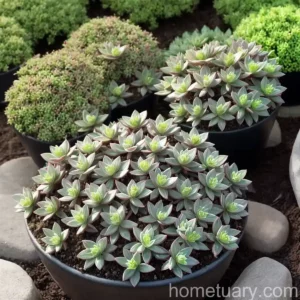
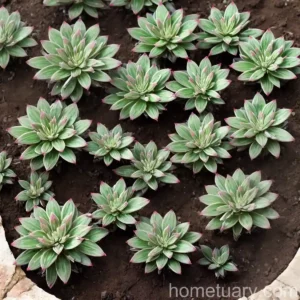
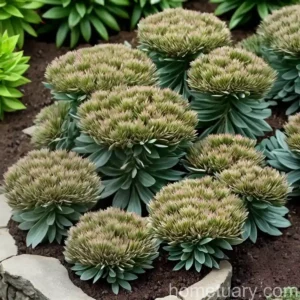
Sempervivum calcareum ‘Mrs Giuseppi’ (Hens and Chicks)
Sempervivum calcareum ‘Mrs Giuseppi’, commonly known as Hens and Chicks, is a beautiful succulent plant that belongs to the Crassulaceae family. This resilient plant is a favorite among gardeners for its unique rosette-forming habit and its ability to thrive in various growing conditions. In this comprehensive guide, we will explore the characteristics, care requirements, propagation techniques, and much more about the Sempervivum calcareum ‘Mrs Giuseppi’ plant.
Key Takeaways
- Plant Name: Sempervivum calcareum ‘Mrs Giuseppi’ (Hens and Chicks)
- Common Names: Hens and Chicks, Houseleek
- Family: Crassulaceae
- Type: Succulent perennial
- Origin: Europe, particularly in the Alps and the Carpathians
Culture
Sempervivum calcareum ‘Mrs Giuseppi’ is a fascinating plant with captivating characteristics. Let’s delve into the various aspects of its culture to understand how to best care for this remarkable succulent.
Uses
- Garden Ornament: The rosette-forming nature of the Hens and Chicks plant makes it a perfect addition to rock gardens, alpine gardens, and container gardens. Its charming appearance and low maintenance requirements have made it a popular choice for landscaping projects.
- Green Roof Plantings: Due to its drought tolerance and ability to thrive in shallow soil, Sempervivum calcareum ‘Mrs Giuseppi’ is often used in green roof plantings to provide a diverse and visually appealing cover.
- Erosion Control: In regions prone to soil erosion, Hens and Chicks plants are utilized to stabilize the soil on slopes and prevent erosion.
Water
- Sempervivum calcareum ‘Mrs Giuseppi’ is renowned for its drought tolerance and ability to thrive in arid conditions. It is essential to allow the soil to dry out between waterings to prevent root rot and promote a healthy root system.
- During the growing season, water the plant deeply and then allow the soil to dry completely before the next watering. In the winter months or during dormancy, reduce the frequency of watering to mimic its natural habitat.
Sunlight
- Hens and Chicks plants thrive in full sun to partial shade. In regions with hot summers, providing some protection from intense afternoon sun may be beneficial to prevent leaf scorch and dehydration.
- When grown indoors, place the plant near a sunny window to ensure it receives an adequate amount of sunlight.
Fertilizer
- Due to its adaptation to nutrient-poor soils, Sempervivum calcareum ‘Mrs Giuseppi’ does not require frequent fertilization. In fact, excessive fertilization can lead to overly lush growth, which may make the plant more susceptible to damage from moisture and pests.
- However, if the plant is grown in a container or in a particularly nutrient-deficient soil, a diluted, balanced liquid fertilizer can be applied during the growing season to support healthy growth.
Soil
- Well-draining soil is crucial for the successful cultivation of Hens and Chicks plants. A sandy or gravelly soil mixture is ideal for replicating its natural habitat and preventing waterlogged conditions.
Pruning
- Sempervivum calcareum ‘Mrs Giuseppi’ is a low-maintenance plant that generally does not require regular pruning. Remove any dried or dead leaves from the base of the rosettes to maintain a tidy appearance and to prevent the onset of disease.
Propagation
- The propagation of Hens and Chicks plants is primarily accomplished through offsets, which are the small rosettes that develop around the base of the mother plant. These offsets can be carefully removed and replanted to establish new individuals.
- Additionally, Sempervivum calcareum ‘Mrs Giuseppi’ can also be propagated from seed. However, this method is less commonly used due to the relatively slow growth of the plant from seed and the simplicity of propagating through offsets.
Container Popularity
Sempervivum calcareum ‘Mrs Giuseppi’ is a popular choice for container gardening due to its compact size, striking appearance, and minimal maintenance requirements. When grown in containers, it can add a delightful touch to patios, balconies, and other outdoor living spaces.
Common Diseases
While Hens and Chicks plants are generally resistant to many pests and diseases, they can occasionally encounter issues under certain conditions. Understanding common diseases and their treatment is essential for maintaining the health of the plant.
Disease Diagnosis
- Root Rot: Overwatering or poorly draining soil can lead to root rot in Sempervivum calcareum ‘Mrs Giuseppi’. Symptoms include wilting, yellowing leaves, and a foul odor emanating from the soil. To address this issue, reduce watering and improve soil drainage.
- Powdery Mildew: In humid or poorly ventilated environments, powdery mildew may develop on the leaves of the plant, appearing as a white, powdery substance. To combat powdery mildew, ensure proper air circulation, and consider applying a fungicidal treatment if the issue persists.
Common Pests
- Spider Mites: These tiny pests can infest Hens and Chicks plants, particularly in hot and dry conditions. They cause stippling and webbing on the leaves. Regularly inspect the undersides of the leaves for signs of infestation and treat the plant with insecticidal soap if spider mites are present.
- Aphids: Aphids may occasionally feed on the sap of Sempervivum calcareum ‘Mrs Giuseppi’, causing distorted growth and honeydew secretion. Use a strong blast of water to dislodge the aphids, or apply neem oil as a natural control method.
Botanist’s Tips
- Consider planting Sempervivum calcareum ‘Mrs Giuseppi’ in a shallow container and combining it with other succulents and drought-tolerant plants to create visually appealing and low-maintenance arrangements.
- When growing Hens and Chicks plants in regions with high summer temperatures, provide some afternoon shade to protect the plant from excessive heat and sun exposure.
Fun Facts
- Sempervivum plants, including the ‘Mrs Giuseppi’ variety, are known for their ability to survive harsh conditions and even thrive on rocky, inhospitable terrain.
- The common name “Hens and Chicks” refers to the way the mother plant produces numerous offsets, resembling a mother hen surrounded by her chicks.
Links to External Resources
- The Spruce – How to Grow and Care for Hens and Chicks Plants
- Plant Delights Nursery – Sempervivum Mr. Giuseppe
- Royal Horticultural Society – Sempervivum calcareum ‘Mrs Giuseppi’
Stay tuned for the in-depth discussion on Sempervivum calcareum ‘Mrs Giuseppi’ characteristics, growth habits, and more in the next segment of this guide.