The Evergreen Azalea (Rhododendron ‘Girard’s Scarlet’): A Comprehensive Guide
Introduction
Plants are incredible living organisms with diverse characteristics and requirements. They come in various shapes, sizes, and colors, each uniquely adapted to its environment. The Evergreen Azalea, specifically the Rhododendron ‘Girard’s Scarlet’, is a fascinating plant that captivates the hearts of many gardening enthusiasts and landscape designers.
In this comprehensive guide, we will delve into the intricacies of caring for the Evergreen Azalea – Rhododendron ‘Girard’s Scarlet’. From its cultural requirements to common diseases and potential pests, we will explore every aspect of nurturing this beautiful plant. Whether you’re a seasoned gardener or a novice enthusiast, this guide will equip you with the knowledge needed to ensure the health and vibrancy of your Evergreen Azaleas.
What is the “Evergreen Azalea (Rhododendron ‘Girard’s Scarlet’)”?
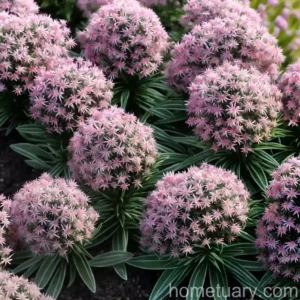
The Evergreen Azalea, known by its scientific name Rhododendron, specifically the ‘Girard’s Scarlet’ cultivar, is a stunning flowering shrub that belongs to the Rhododendron genus. This evergreen shrub is prized for its lush, glossy foliage and vibrant, long-lasting blooms, making it a popular choice for gardens, landscapes, and even container gardening.
Key Takeaways – “Evergreen Azalea (Rhododendron ‘Girard’s Scarlet’)”
Before we delve into the details of caring for the Evergreen Azalea, let’s highlight some key takeaways:
- Cultural Requirements: Understanding the cultural preferences, such as the ideal soil, sunlight, and water conditions, is crucial for the plant’s overall health and growth.
- Uses: Explore the versatile uses of the Evergreen Azalea, from ornamental landscaping to container gardening, and even its ecological significance.
- Watering: Establishing a proper watering schedule is essential for preventing both drought stress and waterlogging, ensuring the plant’s vitality.
- Sunlight: Recognizing the plant’s sunlight requirements and providing adequate light exposure promote robust growth and abundant flowering.
- Fertilizer: Implementing an appropriate fertilization regimen supports the plant’s nutritional needs and enhances its blooming potential.
- Soil: Identifying the best soil type and composition for the Evergreen Azalea is fundamental for optimizing its root development and overall health.
- Pruning: Learning the correct pruning techniques and timing enables you to shape the plant and promote its flowering capacity.
- Propagation: Exploring various propagation methods allows you to expand your Evergreen Azalea collection and share the plant’s beauty with others.
- Container Gardening: Discover the benefits and considerations for growing Evergreen Azaleas in containers, bringing their elegance to smaller spaces.
- Popularity: Understanding the plant’s widespread appeal and popularity provides insight into its desirability and relevance in landscaping and gardening.
- Common Diseases: Being aware of potential diseases affecting the Evergreen Azalea equips you to preemptively address and mitigate these issues.
- Common Pests: Recognizing common pests that may target the Evergreen Azalea empowers you to implement pest management strategies effectively.
- Botanist’s Tips: Benefit from expert insights and recommendations for nurturing this beautiful flowering shrub.
- Fun Facts: Delight in intriguing and little-known facts about the Evergreen Azalea, deepening your appreciation for this captivating plant.
Now, let’s embark on an in-depth exploration of the care and cultivation of the Evergreen Azalea – Rhododendron ‘Girard’s Scarlet’.
Cultural Requirements
Water
Water is an essential element for the growth and well-being of the Evergreen Azalea. Understanding the watering needs and proper techniques is crucial for maintaining the plant’s health and ensuring its longevity.
Watering Schedule for Evergreen Azaleas
Establishing a consistent watering schedule is vital for the Evergreen Azalea’s overall health. Adequate hydration promotes lush foliage and abundant flowering, while preventing drought stress and encouraging root development. The frequency of watering depends on various factors such as climate, soil type, and the plant’s stage of growth. Here are some general guidelines for watering Evergreen Azaleas:
-
Newly Planted Azaleas: Newly planted Evergreen Azaleas require regular watering to establish their root systems. Water them deeply immediately after planting and maintain moisture around the root ball during the initial weeks. As a general rule, water newly planted azaleas two to three times a week, adjusting based on rainfall and soil moisture.
-
Established Azaleas: Once established, Evergreen Azaleas benefit from a consistent watering schedule, especially during dry periods. Water deeply, ensuring that the soil is moist but not waterlogged. Avoid shallow, frequent watering that can lead to superficial root growth. Consider the following factors when determining the watering frequency:
-
Soil Moisture: Check the soil moisture regularly, particularly during hot and dry periods. Water the azaleas when the top inch of soil feels dry to the touch.
- Climate: Adjust the watering frequency based on the prevailing climate conditions. During hot, dry spells, increase the frequency of watering, while reducing it during cooler, wetter periods.
-
Rainfall: Monitor the amount of rainfall the garden receives and adjust the watering schedule accordingly. Azaleas may require supplemental watering during extended dry periods.
-
Watering Technique: Use a gentle watering method to ensure the water penetrates the soil and reaches the root zone. Avoid overhead watering, especially in the evening, to mitigate fungal diseases. Drip irrigation or soaker hoses are effective options for delivering water directly to the root zone.
It’s important to strike a balance when watering Evergreen Azaleas, as excessive moisture can lead to root rot and other complications. Observing the plant’s response to watering and understanding its specific needs are key to maintaining optimal soil moisture levels.
Sunlight
Sunlight is a vital component of the Evergreen Azalea’s cultural requirements. Providing the appropriate amount of sunlight ensures vigorous growth, abundant blooming, and overall plant vitality.
Sunlight Requirements for Evergreen Azaleas
The Evergreen Azalea thrives in locations with dappled shade or partial sunlight, making it an ideal choice for gardens and landscapes with filtered light conditions. Understanding and meeting the plant’s sunlight requirements are essential for its optimal growth and flowering. Consider the following guidelines for providing suitable sunlight conditions for Evergreen Azaleas:
-
Filtered Light: Plant the Evergreen Azalea in locations that receive filtered sunlight or partial shade. Morning sun and afternoon shade are particularly favorable for these plants, as they benefit from the gentle, indirect light.
-
Shade Considerations: Avoid exposing Evergreen Azaleas to intense, direct sunlight, especially during the hottest part of the day. Excessive sun exposure can lead to leaf scorch and diminished flowering.
-
Site Selection: When planning the placement of Evergreen Azaleas in the landscape, consider locations with partial shade provided by trees, structures, or taller shrubs. This ensures that the plants receive the right balance of light and shade throughout the day.
-
Climate Adaptation: In regions with intense summer heat, providing afternoon shade becomes even more critical for the plant’s well-being. Understanding the local climate and adapting the plant’s placement based on sunlight patterns contribute to its successful cultivation.
By offering the Evergreen Azalea the appropriate amount of sunlight, you can ensure its vigor and floral abundance, creating a captivating display of color in your garden or landscape.
Fertilizer
Proper fertilization is essential for providing Evergreen Azaleas with the necessary nutrients for robust growth, vibrant blooms, and overall health. Understanding the fertilization needs and implementing an appropriate feeding regimen is integral to the plant’s care.
Fertilizing Tips for Rhododendron ‘Girard’s Scarlet’
Fertilizing Evergreen Azaleas is a critical aspect of their care, as it directly impacts their growth, flowering, and resilience. To optimize the plant’s performance and ensure its long-term health, consider the following fertilization guidelines:
-
Timing: Feed Evergreen Azaleas in early spring before new growth begins, ideally using a well-balanced, slow-release fertilizer specifically formulated for acid-loving plants. Avoid fertilizing late in the growing season, as this can stimulate tender growth that may be susceptible to frost damage.
-
Nutrient Composition: Look for fertilizers with a balanced ratio of major nutrients, particularly nitrogen (N), phosphorus (P), and potassium (K), as well as essential micronutrients. The pH level of the fertilizer should also be suitable for acid-loving plants.
-
Application Method: Apply the fertilizer evenly around the base of the plant, avoiding direct contact with the stems. Gently incorporate the fertilizer into the topsoil and water thoroughly to facilitate nutrient absorption.
-
Organic Options: Consider using organic fertilizers, such as compost, well-rotted manure, or specialized formulations for acid-loving plants. Organic fertilizers contribute to soil health and microbial activity, benefiting the overall ecosystem of the plant’s root zone.
-
Soil Testing: Conduct a soil test periodically to assess the nutrient levels and pH of the soil. This information helps tailor the fertilization program to meet the specific needs of the Evergreen Azaleas and ensures that they receive the appropriate nutrients in the right proportions.
Balanced fertilization supports the Evergreen Azalea’s growth, enhances its flowering potential, and fosters its overall well-being. By providing the plant with the necessary nutrients, you can enjoy an exuberant display of blooms and lush foliage.
Soil
The soil composition and quality play a crucial role in the growth, health, and overall development of Evergreen Azaleas. Understanding the best soil type and implementing proper soil management practices are essential for nurturing these beautiful shrubs.
Best Soil for Evergreen Azaleas
Evergreen Azaleas thrive in well-draining, acidic soil with a pH range ideally between 4.5 and 6.0. The composition of the soil directly influences the plant’s root development, nutrient uptake, and resilience to environmental stresses. Here are some considerations for selecting the best soil for growing Evergreen Azaleas:
-
Acidic Soil: Evergreen Azaleas are acid-loving plants, and they require soil with a low pH to thrive. Acidic soil provides an environment that facilitates the uptake of essential nutrients, such as iron and manganese, which are crucial for the plant’s health.
-
Well-Draining Texture: Opt for soil with a well-draining texture to prevent waterlogging and ensure adequate aeration for the plant’s roots. Sandy or loamy soils with good drainage properties are suitable for Evergreen Azaleas.
-
Organic Matter: Incorporating organic matter, such as peat moss, compost, or well-rotted pine bark, into the soil improves its structure, fertility, and moisture retention capacity. Organic amendments also contribute to lowering the soil pH, creating a favorable environment for the plant.
-
Soil Preparation: Prepare the planting site by amending the soil with organic matter and soil acidifiers, if necessary, to create an optimal growing environment for Evergreen Azaleas. Thoroughly mix the amendments into the soil to ensure their uniform distribution.
-
Mulching: Apply a layer of organic mulch, such as pine bark, pine straw, or wood chips, around the base of Evergreen Azaleas. Mulch aids in moisture retention, regulates soil temperature, and suppresses weed growth, contributing to the plant’s overall well-being.
By providing the Evergreen Azalea with a suitable soil environment, you lay the foundation for its healthy growth and prolific flowering. Understanding the importance of soil composition and implementing appropriate soil management practices is vital for nurturing these captivating shrubs.
Pruning
Pruning is an essential horticultural practice that allows you to shape, rejuvenate, and promote the flowering capacity of Evergreen Azaleas. Understanding the correct pruning techniques, timing, and considerations empowers you to optimize the plant’s aesthetic appeal and overall health.
Pruning Techniques for Rhododendron ‘Girard’s Scarlet’
Pruning Evergreen Azaleas serves several purposes, including removing dead or diseased growth, shaping the plant, and rejuvenating older specimens. Implementing the correct pruning techniques enhances the plant’s beauty, promotes flowering, and ensures its long-term vitality. Consider the following pruning guidelines for Evergreen Azaleas:
-
Timing: Prune Evergreen Azaleas immediately after the blooming period, typically in late spring or early summer. Delaying pruning beyond mid-summer risks removing the developing flower buds for the following season, potentially compromising the plant’s floral display.
-
Deadheading: Remove spent flowers promptly after they fade to encourage continued blooming and prevent seed formation. Deadheading redirects the plant’s energy into new growth and flower production.
-
Thinning and Shaping: Thin out overgrown or crowded branches to improve air circulation, light penetration, and overall plant vigor. This also helps maintain a balanced, open growth habit and prevents the plant from becoming overly dense.
-
Diseased and Damaged Branches: Prune out any diseased, damaged, or dead branches to prevent the spread of pathogens and promote the plant’s overall health. Make clean cuts just above a healthy bud or lateral branch to encourage new growth.
-
Rejuvenation Pruning: For older or overgrown Evergreen Azaleas, rejuvenation pruning can be implemented to invigorate the plant and encourage fresh growth. This involves selectively removing older stems to stimulate the emergence of new, vigorous shoots.
-
Tool Maintenance: Use sharp, clean pruning tools, such as bypass pruners or loppers, to make precise cuts without causing unnecessary damage to the plant. Sterilize the pruning tools between cuts, especially when working with potentially diseased branches, to prevent cross-contamination.
Pruning plays a pivotal role in shaping and maintaining the health of Evergreen Azaleas. By applying the appropriate pruning techniques and timing, you can promote the plant’s longevity, floral abundance, and aesthetic appeal.
Propagation
Propagation methods offer an opportunity to expand your collection of Evergreen Azaleas and share the beauty of these plants with others. Understanding the various propagation techniques and practices enhances your ability to multiply and preserve the diversity of these captivating shrubs.
Propagation Methods for Evergreen Azaleas
The propagation of Evergreen Azaleas can be achieved through several methods, including seed propagation, cuttings, and layering. Each technique has its advantages and considerations, allowing you to select the most suitable approach based on your preferences and resources. Consider the following propagation methods for Evergreen Azaleas:
-
Seed Propagation: Growing Evergreen Azaleas from seeds is a viable option for enthusiasts interested in preserving specific cultivars or developing new varieties. Collect mature seeds from existing plants and sow them in a well-draining, sterile seed-starting mix. Provide the seeds with a consistently moist, warm environment to facilitate germination. Seed propagation offers the potential for genetic variation and the development of novel traits in the resulting plants.
-
Cutting Propagation: Taking stem cuttings from healthy, vigorous Evergreen Azaleas is a commonly used and effective propagation method. Select semi-hardwood cuttings from the current season’s growth, typically in late spring to early summer. Remove the lower leaves from the cuttings, dip the cut ends in a rooting hormone, and plant them in a well-draining rooting medium. Provide the cuttings with consistent moisture and warmth to encourage root development. Once rooted, the cuttings can be transplanted into individual containers or directly into the garden.
-
Layering: Air layering and ground layering are additional propagation techniques that can be utilized for Evergreen Azaleas. Layering involves encouraging stems to produce roots while still attached to the parent plant, resulting in new, independent plants. Air layering is particularly suitable for larger, established Evergreen Azaleas, while ground layering may be employed for more compact shrubs.
By exploring various propagation methods, you can propagate and preserve the diversity of Evergreen Azaleas, contributing to the perpetuation and enjoyment of these remarkable plants.
Container Gardening
The versatility of Evergreen Azaleas makes them well-suited for container gardening, allowing you to bring their vibrant blooms and lush foliage to smaller outdoor spaces and indoor environments. Understanding the considerations and best practices for container cultivation enables you to showcase the beauty of these plants in diverse settings.
Evergreen Azalea Container Gardening
Growing Evergreen Azaleas in containers requires attention to specific cultural requirements and container considerations to ensure the plant’s health and vitality. Whether you’re embellishing patios, balconies, or interior spaces, consider the following guidelines for successful Evergreen Azalea container gardening:
-
Container Selection: Choose large containers with ample drainage holes to accommodate the plant’s root system and ensure proper moisture management. Select containers made of durable materials, such as ceramic, terracotta, or resin, that complement the plant’s aesthetic appeal and provide sufficient insulation for the roots.
-
Potting Mix: Utilize a well-draining, acidic potting mix specifically formulated for acid-loving plants. Consider adding organic matter, such as peat moss or compost, to improve the soil structure and enhance moisture retention. Avoid using standard garden soil in containers, as it may lead to drainage issues and hinder the plant’s growth.
-
Watering and Drainage: Implement a consistent watering regimen for container-grown Evergreen Azaleas, ensuring that the soil remains evenly moist but not waterlogged. Monitor the drainage of the container to prevent water accumulation, which can lead to root rot and other complications.
-
Light Exposure: Position the containers in locations that provide the appropriate sunlight conditions for Evergreen Azaleas, offering filtered light or partial shade. Consider the orientation of the containers to optimize light exposure, especially in outdoor settings.
-
Winter Protection: Provide insulation and protection for containerized Evergreen Azaleas during the winter months, particularly in regions with harsh frosts. Consider relocating the containers to sheltered areas or employing additional coverings to shield the plants from extreme cold.
-
Fertilization: Implement a regular fertilization schedule using a balanced, acid-loving plant fertilizer to provide the necessary nutrients for container-grown Evergreen Azaleas. Adjust the frequency and concentration of fertilization based on the specific requirements of the plant and the potting mix.
Container gardening offers a versatile and creative way to feature Evergreen Azaleas in various environments, allowing you to enjoy their beauty and charm in spaces where traditional planting may not be feasible.
Popularity
The Evergreen Azalea, particularly the ‘Girard’s Scarlet’ cultivar, enjoys widespread popularity among gardening enthusiasts, landscapers, and horticultural experts. The plant’s captivating attributes, ease of cultivation, and versatile uses contribute to its enduring appeal and desirability.
Evergreen Azalea Botanical Name: Rhododendron ‘Girard’s Scarlet’
Rhododendron ‘Girard’s Scarlet’ is a cultivar of the larger Rhododendron genus, renowned for its striking scarlet-red flowers and elegant, evergreen foliage. The cultivar’s enduring popularity stems from the following characteristics:
-
Vibrant Blooms: Rhododendron ‘Girard’s Scarlet’ captivates with its profusion of vivid, scarlet-red flowers that adorn the shrub during the spring and early summer, adding a bold splash of color to gardens and landscapes.
-
Evergreen Foliage: The plant’s glossy, dark green