The Evergreen Azalea (Rhododendron ‘Girard’s Rose’)
As a plant scientist, I am always fascinated by the diverse and beautiful world of plants. Today, I am excited to delve into the world of evergreen azaleas, with a special focus on the exquisite Rhododendron ‘Girard’s Rose.’ This blog post will provide an in-depth look at the culture, uses, care, and maintenance of this particular variety of evergreen azalea. Through this comprehensive guide, readers will gain valuable insights into the botanical characteristics, cultivation, and practical tips for ensuring the optimal health and beauty of Rhododendron ‘Girard’s Rose.’
What is an Evergreen Azalea (Rhododendron ‘Girard’s Rose’)?
Before diving into the specifics of Rhododendron ‘Girard’s Rose,’ let’s gain a basic understanding of what an evergreen azalea is. Evergreen azaleas belong to the genus Rhododendron and are prized for their vibrant and long-lasting blooms. These plants are characterized by their glossy, dark green foliage that remains on the plant throughout the year, providing year-round ornamental value.
Plant Name: Evergreen Azalea (Rhododendron ‘Girard’s Rose’)
Key Takeaways
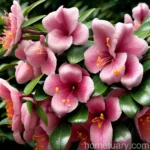
When it comes to evergreen azaleas, Rhododendron ‘Girard’s Rose’ stands out as a popular and sought-after variety. With its stunning rose-colored flowers and evergreen foliage, this azalea adds beauty and elegance to any garden or landscape.
In this blog post, we will explore the culture, uses, watering, sunlight requirements, fertilizer needs, ideal soil conditions, pruning techniques, propagation methods, and potential diseases and pests that may affect Rhododendron ‘Girard’s Rose.’ Additionally, we will provide valuable insights from a botanist’s perspective and share fun facts about this captivating plant.
Culture of Rhododendron ‘Girard’s Rose’
Cultivating Rhododendron ‘Girard’s Rose’ involves understanding its specific cultural requirements to ensure healthy growth and prolific flowering. Let’s explore the key cultural aspects associated with this evergreen azalea.
Uses
Rhododendron ‘Girard’s Rose’ is a versatile plant that can be used in various garden settings, including:
1. Landscape Borders: The vibrant blooms and evergreen foliage make Rhododendron ‘Girard’s Rose’ an excellent choice for creating colorful borders in garden beds.
2. Foundation Plantings: Its compact growth habit and year-round visual appeal make it well-suited for use as a foundation planting around homes and other structures.
3. Container Gardens: Due to its manageable size, it can be grown in containers, adding charm to patios, balconies, and other outdoor spaces.
4. Woodland Gardens: The shade tolerance of this azalea makes it an ideal candidate for woodland or shade gardens, where it can thrive under the dappled light of trees.
Water
- Watering Frequency: Rhododendron ‘Girard’s Rose’ should be watered regularly, especially during dry periods. It is essential to keep the soil consistently moist but not waterlogged to promote healthy growth and flowering.
- Mulching: Applying a layer of organic mulch around the base of the plant helps retain soil moisture and regulate temperature, benefiting the overall health of the azalea.
Sunlight
- Light Requirements: While evergreen azaleas prefer partial shade, Rhododendron ‘Girard’s Rose’ will thrive in dappled sunlight or areas with filtered light. Providing the right balance of light is crucial for optimizing its blooming potential and maintaining healthy foliage.
Fertilizer
- Fertilizing Schedule: The application of a balanced, slow-release fertilizer designed for acid-loving plants can support the growth and blooming of Rhododendron ‘Girard’s Rose.’ It is advisable to fertilize in early spring before new growth emerges and again after the flowering period.
Soil
- Acidic Soil Preference: Evergreen azaleas, including Rhododendron ‘Girard’s Rose,’ require acidic soil with a pH range of 4.5 to 6.0 for thriving. Amending the soil with organic matter and using specialized azalea and rhododendron soil mixes can help create an optimal growing environment for this plant.
Pruning and Propagation of Rhododendron ‘Girard’s Rose’
Proper pruning and propagation techniques are essential for maintaining the health, shape, and vigor of Rhododendron ‘Girard’s Rose.’ Let’s explore the best practices for pruning and propagating this evergreen azalea.
Pruning
- Timing: Pruning of Rhododendron ‘Girard’s Rose’ is best done immediately after the flowering period to avoid interfering with the next season’s flower buds.
- Pruning Objectives: The primary objectives of pruning include removing dead or diseased branches, shaping the plant, and promoting air circulation within the canopy to reduce the risk of fungal diseases.
Propagation
- Methods: Rhododendron ‘Girard’s Rose’ can be propagated through several methods, including softwood cuttings, layering, and grafting. Softwood cuttings taken in late spring or early summer often yield successful results for propagating this azalea variety.
Common Diseases and Pests
Like many plants, Rhododendron ‘Girard’s Rose’ is susceptible to certain diseases and pest infestations. Understanding these potential challenges is key to implementing proactive measures for prevention and management.
Common Diseases
- Powdery Mildew: This fungal disease can affect the foliage of evergreen azaleas, including Rhododendron ‘Girard’s Rose.’ Proper air circulation and the removal of fallen leaves can help mitigate the risk of powdery mildew.
- Leaf Spot: Leaf spot diseases caused by various fungal pathogens can lead to the development of dark spots on the foliage. Maintaining good sanitation practices and promptly removing and destroying affected leaves can aid in disease control.
Disease Diagnosis
If any unusual symptoms or changes are observed in the foliage or overall health of Rhododendron ‘Girard’s Rose,’ it is advisable to consult a plant health specialist or extension service for accurate diagnosis and tailored recommendations for treatment.
Common Pests
- Azalea Lace Bug: These tiny insects can cause stippling and discoloration of the foliage, impacting the aesthetic appeal of the plant. Regular monitoring and the application of insecticidal soaps or horticultural oils can help manage lace bug infestations.
- Spider Mites: These pests are known to feed on the sap of plants, leading to the development of fine webbing and stippled leaves. Pruning out heavily infested areas and using miticides can aid in controlling spider mite populations.
Botanist’s Tips for Growing Rhododendron ‘Girard’s Rose’
Tip 1: Soil Preparation
Prior to planting Rhododendron ‘Girard’s Rose,’ conduct a soil test to assess the pH level and make any necessary amendments to ensure acidic conditions.
Tip 2: Mulching Practices
Apply a layer of mulch around the base of the plant, taking care to avoid direct contact with the stem, to conserve soil moisture and moderate soil temperature.
Tip 3: Monitoring and Maintenance
Regularly inspect the plant for signs of pests, diseases, or nutrient deficiencies, and address any issues promptly to support its overall well-being.
Fun Facts about Rhododendron ‘Girard’s Rose’
- The mesmerizing rose-colored flowers of Rhododendron ‘Girard’s Rose’ can attract a variety of pollinators, including bees and butterflies, enhancing the ecological value of the plant.
- The evergreen nature of this azalea variety contributes to its year-round visual appeal, making it a popular choice for gardens and landscapes seeking constant greenery and occasional bursts of floral color.
Links to External Resources
To further enrich your knowledge and appreciation of evergreen azaleas, including Rhododendron ‘Girard’s Rose,’ I recommend exploring the following external resources:
- American Azalea Society – https://www.azaleas.org
- The Rhododendron, Camellia & Magnolia Group – https://www.rhodogroup-rhs.org
- Plant Pathology and Plant-Microbe Biology Section at Cornell University – https://pppb.cals.cornell.edu
In conclusion, the evergreen azalea Rhododendron ‘Girard’s Rose’ is a captivating plant with a myriad of practical and aesthetic benefits. By understanding its cultural requirements, mastering effective care techniques, and staying vigilant against potential threats, gardeners and plant enthusiasts can cultivate and enjoy the timeless beauty of this remarkable azalea variety.
I hope this comprehensive guide has provided valuable insights and inspiration for your journey with Rhododendron ‘Girard’s Rose’ and evergreen azaleas in general. Happy gardening!