Evergreen Azalea (Rhododendron X Obtusum ‘Amoenum’)
Evergreen azalea, scientifically known as Rhododendron x obtusum ‘Amoenum’, is a delightful addition to any garden or landscape. This stunning evergreen.
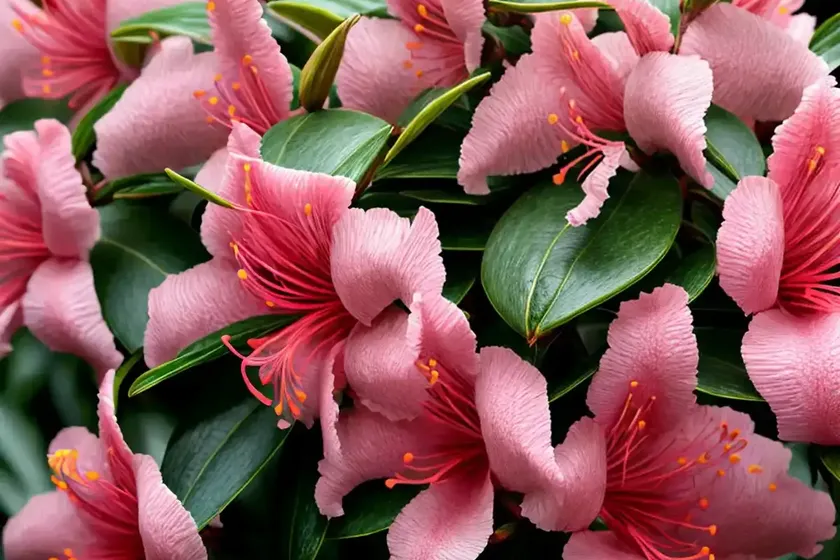
Evergreen azalea, scientifically known as Rhododendron x obtusum ‘Amoenum’, is a delightful addition to any garden or landscape. This stunning evergreen shrub belongs to the family Ericaceae and is cherished for its vibrant and showy flowers, as well as its lush green foliage that persists throughout the year. In this comprehensive guide, we will explore the culture, uses, care, and propagation techniques for the evergreen azalea. Additionally, we will delve into common diseases and pests that affect this beautiful plant, along with botanist’s tips and fun facts. Whether you are an avid gardener, landscape architect, or someone who simply appreciates the beauty of plants, this guide will provide valuable insights into the fascinating world of evergreen azaleas.
Key Takeaways – Evergreen Azalea (Rhododendron x obtusum ‘Amoenum’)
Before we delve into the specific aspects of evergreen azalea cultivation and maintenance, let’s take a quick look at the key takeaways for this remarkable plant:
- Scientific Name: Rhododendron x obtusum ‘Amoenum’
- Common Name: Evergreen Azalea
- Plant Type: Evergreen shrub
- Uses: Ornamental, landscaping, garden borders, containers
- Watering: Regular watering, especially during dry periods
- Sunlight: Partial shade to full sun
- Fertilization: Acidic, well-balanced fertilizer
- Soil Type: Well-drained, acidic soil
- Pruning: Minimal pruning after flowering
- Propagation: Propagate through cuttings or layering
- Container Planting: Well-suited for container gardening
- Popularity: Widely cultivated for its ornamental value
- Common Diseases: Phytophthora root rot, powdery mildew
- Common Pests: Azalea lace bug, spider mites
- Botanist’s Tips: Regular inspection for pests and diseases
- Fun Facts: Diverse flower colors, fragrant blooms
Now, let’s delve into each of these aspects in detail to gain a comprehensive understanding of evergreen azaleas and their care requirements.
What is Evergreen Azalea (Rhododendron x obtusum ‘Amoenum’)?
Plant Description
Evergreen azalea, or Rhododendron x obtusum ‘Amoenum’, is a compact, low-growing shrub that is renowned for its attractive and abundant blooms. It belongs to the genus Rhododendron, which encompasses a diverse range of species and hybrids, and is particularly cherished for its ornamental appeal. The ‘Amoenum’ cultivar, in particular, is celebrated for its vibrant and charming flowers that adorn the plant during the blooming season.
Botanical Features
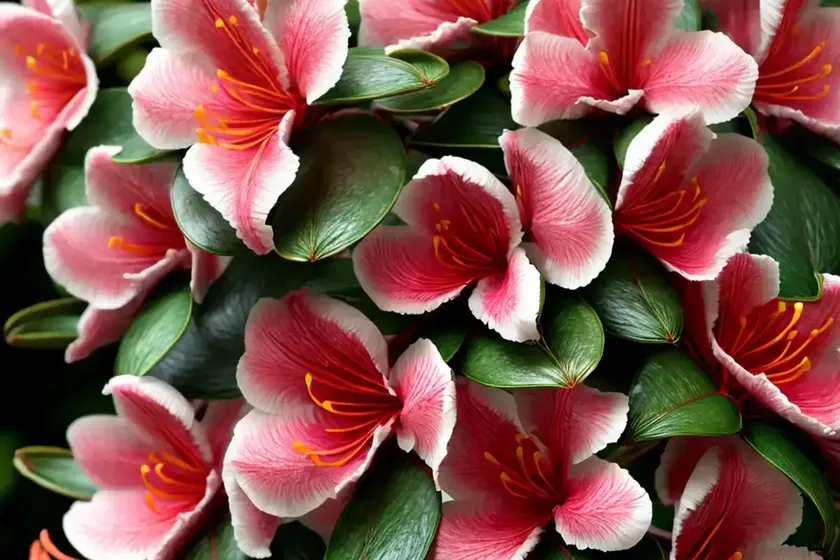
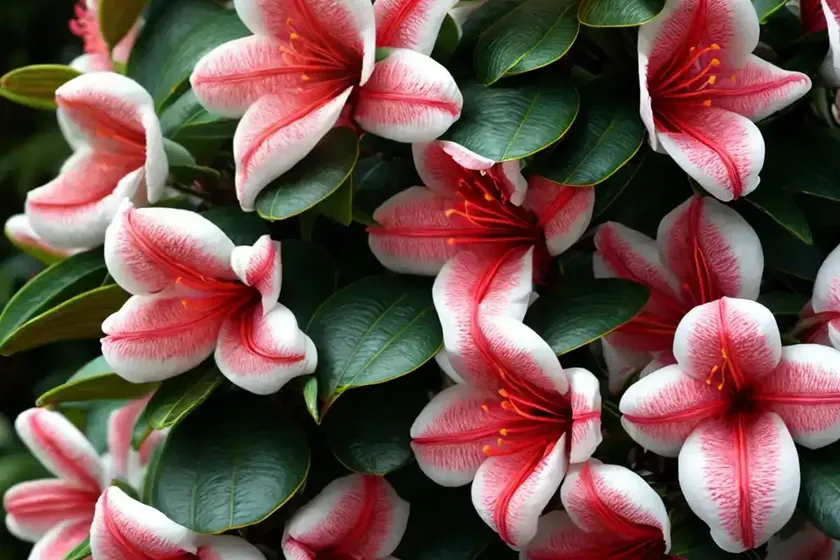
The evergreen azalea displays glossy, dark green foliage that persists throughout the year, adding a touch of greenery to the garden even during the winter months. The flowers, which bloom in spring to early summer, come in a wide array of colors, ranging from shades of pink and red to white and purple. These floral displays bring a burst of color and life to the garden, making the evergreen azalea a favored choice for landscaping and ornamental plantings.
Varieties
Rhododendron x obtusum ‘Amoenum’ is just one of the many captivating cultivars within the Rhododendron genus. There are numerous other varieties and hybrids of evergreen azaleas, each boasting its own unique flower shapes, colors, and growth habits. The diversity within the Rhododendron genus offers an array of options for gardeners and landscapers looking to incorporate these stunning shrubs into their projects.
Landscape Uses
Due to its ornamental value and year-round appeal, evergreen azalea is widely used in various landscaping and gardening applications. Whether planted as standalone specimens, used as border plants, or included in mixed shrub borders, the vibrant blooms and lush foliage of evergreen azaleas can enhance the visual appeal of any outdoor space. Moreover, these shrubs are well-suited for container gardening, allowing individuals to enjoy their beauty on patios, balconies, or in small gardens.
Culture of Evergreen Azalea (Rhododendron x obtusum ‘Amoenum’)
In order to successfully cultivate evergreen azaleas and ensure their optimal growth and flowering, it is essential to understand the specific cultural requirements of these plants. From watering and sunlight exposure to soil and fertilizer needs, each aspect of plant culture contributes to the overall health and vigor of evergreen azaleas. Let’s explore each of these cultural factors in detail.
Water
Proper watering is essential for the health and vitality of evergreen azaleas, especially during their active growing season and periods of dry weather. These plants prefer consistently moist, well-drained soil and are sensitive to both drought stress and waterlogged conditions. When establishing newly planted evergreen azaleas, it is crucial to provide regular watering to promote root establishment and overall growth.
Key Watering Tips:
– Frequency: Water deeply 1-2 times per week, especially during dry spells.
– Avoid Waterlogging: Ensure proper drainage to prevent waterlogging, as it can lead to root rot.
– Mulching: Apply a layer of organic mulch around the base of the plant to retain soil moisture.
Sunlight
Finding the ideal balance of sunlight exposure is crucial for the optimal growth and flowering of evergreen azaleas. While these shrubs thrive in partial shade, they also tolerate full sun under the right conditions. Exposure to excessive sunlight can lead to leaf scorch and reduced flowering, particularly in regions with intense summer heat. Therefore, selecting the appropriate planting location that offers sufficient light without subjecting the plants to harsh afternoon sun is crucial.
Sunlight Requirements:
– Partial Shade: Ideal for most regions, especially in warmer climates.
– Full Sun: Tolerated with adequate soil moisture and protection from intense afternoon sun.
Fertilizer
Proper fertilization is key to promoting vibrant foliage and prolific flowering in evergreen azaleas. These plants have specific nutrient requirements, particularly in relation to soil pH, as they thrive in acidic conditions. Additionally, providing a balanced fertilizer that contains essential macro and micronutrients can support the overall health and vigor of evergreen azaleas.
Fertilization Guidelines:
– Acidic Fertilizer: Select a fertilizer formulated for acid-loving plants, such as azaleas and rhododendrons.
– Application Timing: Fertilize in early spring before new growth emerges and again after flowering.
– Avoid Overfeeding: Excessive fertilization can lead to nutrient imbalances and potential damage to the plants.
Soil
The soil composition and pH level play a critical role in the growth and development of evergreen azaleas. These plants thrive in well-drained, acidic soil that is rich in organic matter. Additionally, maintaining an optimal pH range is essential for ensuring proper nutrient uptake and overall plant health. Testing the soil prior to planting and making necessary amendments can help create an ideal growing environment for evergreen azaleas.
Soil Requirements:
– Acidic pH: Aim for a pH range of 4.5 to 6.0 for optimal growth.
– Organic Matter: Incorporate compost or peat moss to improve soil structure and moisture retention.
– Drainage: Ensure proper drainage to prevent waterlogging and root rot.
Pruning
Pruning evergreen azaleas is a practice that should be approached with care, as these plants set their flower buds during the previous growing season. Minimal pruning is recommended, primarily focusing on removing dead or damaged branches and shaping the overall growth habit of the shrub. Post-flowering pruning can help maintain a neat appearance and encourage healthy regrowth.
Pruning Guidelines:
– Timing: Prune immediately after flowering to avoid interfering with the next year’s bloom cycle.
– Minimal Pruning: Focus on removing spent flowers and any dead or diseased growth.
– Shape Control: Trim selectively to maintain the desired shape and size of the plant.
Propagation
Propagating evergreen azaleas allows for the expansion of plantings and the preservation of favored cultivars. The most common propagation methods for these shrubs include taking softwood cuttings and layering. By following proper techniques and providing the ideal growing conditions, gardeners can successfully propagate evergreen azaleas and create new plants for their landscapes.
Propagation Methods:
– Softwood Cuttings: Harvest young, healthy cuttings and root them in a controlled environment.
– Layering: Encourage the formation of roots on a branch while still attached to the parent plant.
Container Planting
Evergreen azaleas are well-suited for container gardening, offering a compact and colorful addition to patios, porches, and outdoor living areas. When planting in containers, it is essential to select an appropriate potting mix, provide adequate moisture, and monitor the plants for their specific needs. Container-grown evergreen azaleas also benefit from occasional grooming and repotting to maintain their vigor and compact growth habit.
Container Care Tips:
– Potting Mix: Use a well-draining, acidic potting mix formulated for acid-loving plants.
– Drainage Holes: Ensure the containers have sufficient drainage to prevent waterlogging.
– Watering: Monitor moisture levels and adjust watering frequency as needed.
– Repotting: Refresh the potting mix and repot as the plant outgrows its container.
Uses of Evergreen Azalea (Rhododendron x obtusum ‘Amoenum’)
Ornamental Value
The ornamental value of evergreen azaleas is undeniable, as these plants bring a profusion of color and charm to any garden or landscape. With their vibrant blooms and year-round foliage, evergreen azaleas serve as focal points, accent plants, and mass plantings, enhancing the visual appeal of outdoor spaces. Whether incorporated into formal garden designs or naturalistic landscapes, these shrubs offer versatility and aesthetic value.
Key Uses:
– Specimen Planting: Showcasing the beauty of individual plants as focal points.
– Border Plantings: Creating colorful and defined borders in garden beds.
– Mixed Borders: Combining with other plants for diverse and dynamic displays.
– Container Gardening: Adding vibrant color to patios, balconies, and outdoor living areas.
Landscaping Applications
In the realm of landscaping, evergreen azaleas hold significant appeal due to their adaptability to various design styles and environments. From traditional formal gardens to contemporary landscapes, the inclusion of evergreen azaleas brings a touch of elegance, seasonal interest, and low-maintenance beauty. These shrubs also contribute to creating defined spaces, adding layers of visual interest, and softening hardscapes with their lush foliage and vibrant blooms.
Landscaping Uses:
– Formal Gardens: Enhancing the structure and formality of garden layouts.
– Informal Landscapes: Adding a naturalistic element to less structured environments.
– Seasonal Interest: Providing captivating blooms and foliage throughout the year.
– Foundation Plantings: Framing and softening architectural features of buildings and structures.
Common Diseases Affecting Evergreen Azaleas
Despite their overall resilience, evergreen azaleas are vulnerable to certain diseases that can impact their health and appearance. Being aware of the common diseases and their symptoms is essential for early detection and timely intervention. By implementing proper disease management strategies, gardeners can minimize the impact of these diseases and preserve the vigor of their evergreen azaleas.
-
Phytophthora Root Rot (Phytophthora spp.): This soil-borne pathogen can cause root rot and decline in evergreen azaleas, leading to wilting, yellowing foliage, and eventual plant death. Proper soil drainage and avoiding overwatering are crucial for preventing phytophthora root rot.
-
Powdery Mildew (Erysiphe spp.): Powdery mildew is a fungal disease that manifests as a powdery white substance on the leaves of evergreen azaleas. It can impair photosynthesis and weaken the plants over time. Adequate airflow and proper spacing between plants can help reduce the risk of powdery mildew.
Disease Diagnosis
Early detection and accurate diagnosis of diseases affecting evergreen azaleas are vital for implementing effective control measures. Here are some key symptoms and diagnostic techniques for common diseases in evergreen azaleas:
- Phytophthora Root Rot:
- Symptoms: Wilting, yellowing leaves, root decay.
-
Diagnosis: Digging up affected plants to examine the roots for discoloration and decay.
-
Powdery Mildew:
- Symptoms: White, powdery patches on leaves, distorted growth.
- Diagnosis: Visual inspection of foliage, particularly during periods of high humidity.
Common Pests Affecting Evergreen Azaleas
In addition to diseases, evergreen azaleas are susceptible to certain pests that can compromise their health and vitality. Being vigilant and proactive in pest management is essential for preserving the beauty and vigor of these shrubs.
-
Azalea Lace Bug (Stephanitis pyrioides): These small insects feed on the sap of evergreen azaleas, leading to stippled and discolored foliage. Regular monitoring and early intervention can help prevent severe infestations.
-
Spider Mites (Tetranychus spp.): Spider mites are tiny arachnids that can cause stippling and webbing on the leaves of evergreen azaleas. Maintaining adequate humidity levels and using insecticidal soaps can help control spider mite populations.
Botanist’s Tips for Evergreen Azalea Care
As a plant scientist and enthusiast, I have compiled a few essential tips to guide enthusiasts and professionals in cultivating and caring for evergreen azaleas. These tips are based on scientific knowledge and practical experiences, aiming to promote the vitality and long-term success of these stunning shrubs:
-
Regular Inspection: Periodic monitoring for pests, diseases, and nutritional deficiencies is crucial for early intervention and successful management strategies.
-
Pruning Caution: Exercise caution when pruning evergreen azaleas, particularly after the flowering period, to avoid inadvertently removing next year’s flower buds.
-
Optimal Lighting: Finding the right balance of sunlight exposure, especially in regions with intense summer heat, can greatly influence the health and flowering of evergreen azaleas.
-
Soil Testing: Conducting periodic soil tests to assess pH levels and nutrient content enables precise fertilization and soil amendment strategies.
-
Mulching Benefits: Applying organic mulch around the base of evergreen azaleas offers multiple benefits, including moisture retention, weed suppression, and soil insulation.
Fun Facts about Evergreen Azaleas
To enhance your appreciation for evergreen azaleas, here are a few intriguing and delightful fun facts about these remarkable shrubs:
-
Diverse Flower Colors: Evergreen azaleas are available in a wide array of flower colors, ranging from vibrant pinks and reds to soft pastels and pure whites.
-
Fragrant Blooms: Some varieties of evergreen azaleas exhibit fragrant flowers, adding an olfactory dimension to their beauty.
-
Winter Blooms: In regions with milder winter climates, evergreen azaleas can produce sporadic blooms during the winter months, adding unexpected bursts of color to the landscape.
-
Longevity: When provided with the right conditions and care, evergreen azaleas can thrive and grace gardens with their ornamental beauty for many years, becoming cherished features of the landscape.
Links to External Resources
For further exploration and in-depth knowledge about evergreen azaleas, I recommend exploring the following resources:
- American Rhododendron Society: Website
-
The American Rhododendron Society offers a wealth of information about rhododendrons and azaleas, including cultivation tips, plant profiles, and regional chapters for enthusiasts.
-
The Azalean: Magazine
-
The Azalean is a magazine published by the American Rhododendron Society, providing articles, insights, and updates on azaleas, including evergreen varieties.
-
Royal Horticultural Society – Azaleas and Rhododendrons: Guides
-
The Royal Horticultural Society offers comprehensive guides on azaleas and rhododendrons, covering cultivation, care, and species diversity.
-
University Extension Services: Local university extension services often provide region-specific guides and resources for growing azaleas, offering valuable recommendations tailored to local conditions.
In conclusion, evergreen azalea (Rhododendron x obtusum ‘Amoenum’) stands as a captivating and versatile addition to gardens, landscapes, and outdoor spaces. With its vibrant blooms, lush foliage, and year-round appeal, this evergreen shrub holds significant ornamental value and cultural significance. By understanding its specific cultural requirements, uses, care practices, and potential challenges, individuals can foster the health and beauty of evergreen azaleas in their own gardening endeavors. Whether as standalone specimens, border plantings, or container highlights, the dazzling presence of evergreen azaleas enriches outdoor environments and captivates the imagination of plant enthusiasts and nature lovers alike.