Thymus Vulgaris (Common Thyme)
Thymus vulgaris, commonly known as Common Thyme, is a perennial herb that belongs to the mint family, Lamiaceae. This aromatic herb is native to the.
Introduction
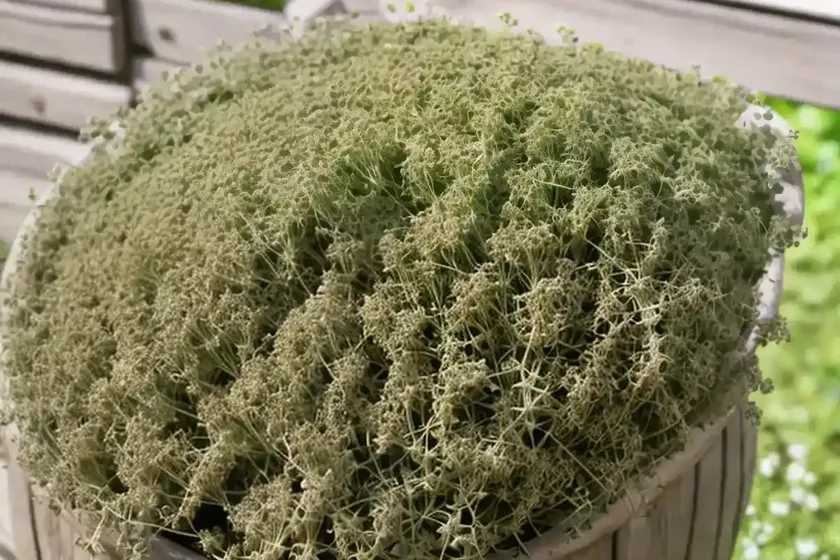
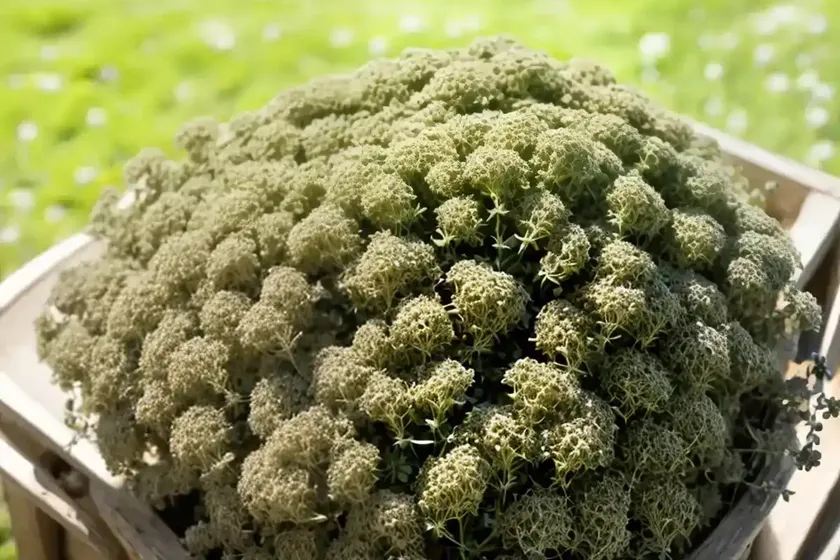
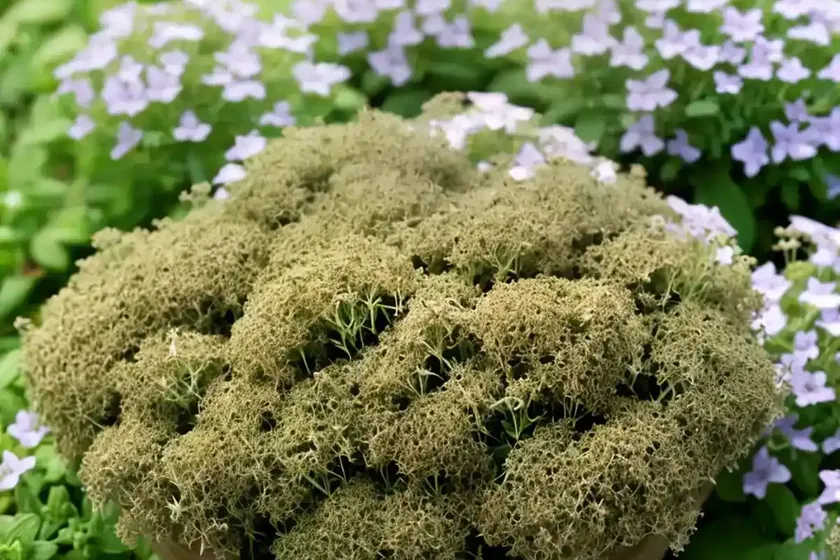
Thymus vulgaris, commonly known as Common Thyme, is a perennial herb that belongs to the mint family, Lamiaceae. This aromatic herb is native to the Mediterranean region and is cultivated worldwide for its culinary, medicinal, and ornamental uses. The plant is characterized by its small, fragrant leaves and clusters of tiny flowers that attract pollinators. In this comprehensive guide, we will delve into the various aspects of Thymus vulgaris, including its culture, uses, care requirements, propagation, common diseases, pests, and interesting facts.
What is Thymus vulgaris (Common Thyme)?
Thymus vulgaris, also referred to as Common Thyme or Garden Thyme, is a low-growing, woody perennial herb with small, oval-shaped leaves that are rich in essential oils. This herb is renowned for its strong, aromatic flavor and is a staple in Mediterranean cuisine.
Key Takeaways – Thymus vulgaris (Common Thyme)
Before we dive into the details, let’s discuss the key takeaways about Thymus vulgaris.
- Plant Name: Thymus vulgaris (Common Thyme)
- Family: Lamiaceae
- Common Names: Common Thyme, Garden Thyme
- Culinary Use: Widely used as a culinary herb to add flavor to various dishes.
- Medicinal Properties: Known for its medicinal properties and has been used in traditional medicine for centuries.
Culture
Thymus vulgaris is a relatively low-maintenance plant that thrives in well-draining soil and prefers a sunny location. Understanding the cultural requirements of Common Thyme is essential for ensuring its optimal growth and health.
Water
- Watering Frequency: Common Thyme prefers moderate watering, allowing the soil to dry out slightly between waterings.
- Watering Method: Water the plant at the base to prevent water from accumulating on the foliage, which can lead to fungal diseases.
- Watering Tips: During periods of prolonged drought, it’s important to provide supplemental water to prevent the plant from wilting.
Sunlight
- Light Requirements: Thymus vulgaris thrives in full sunlight and requires at least 6-8 hours of direct sun per day.
- Indoor Cultivation: When grown indoors, ensure that the plant receives ample sunlight by placing it near a south-facing window or under grow lights.
Fertilizer
- Fertilization Schedule: Common Thyme typically benefits from a light application of a balanced, all-purpose fertilizer in the early spring.
- Organic Alternatives: Consider using organic fertilizers such as compost or well-decomposed manure to promote healthy growth.
Soil
- Soil Type: Well-draining, loamy soil with a slightly alkaline pH is ideal for Thymus vulgaris.
- Soil Amendment: Incorporating organic matter, such as compost, into the soil can improve its texture and fertility.
Uses
Thymus vulgaris is valued for its diverse range of uses, spanning culinary, medicinal, and ornamental applications. Let’s explore each of these uses in detail.
Culinary Uses
- Flavor Profile: Common Thyme has a robust, earthy flavor with subtle notes of mint and citrus.
- Culinary Applications: It is used to add depth of flavor to various dishes, including soups, stews, roasted meats, and sauces.
- Drying and Storage: The leaves of Thymus vulgaris can be dried for long-term use and are often included in spice blends.
Medicinal Properties
- Historical Use: Common Thyme has been utilized in traditional medicine for its antiseptic and antifungal properties.
- Health Benefits: It is believed to aid in digestion, alleviate coughs and respiratory ailments, and possess antibacterial properties.
- Preparation Methods: Infusions, tinctures, and essential oils derived from Thymus vulgaris are commonly used for medicinal purposes.
Ornamental Purposes
- Aromatic Qualities: The fragrant foliage of Thymus vulgaris makes it a popular choice for aromatic gardens and landscape borders.
- Pollinator Magnet: The flowers of Common Thyme attract bees, butterflies, and other pollinators, contributing to garden biodiversity.
Pruning
Proper pruning helps maintain the shape of the plant, encourages bushy growth, and prevents the development of woody stems in Thymus vulgaris.
- Timing: Prune Common Thyme in the early spring before new growth emerges to rejuvenate the plant.
- Method: Using clean, sharp pruners, trim back the stems by one-third to promote branching and vigor.
- Harvesting Consideration: Regular pruning for culinary or medicinal use also serves as a form of maintenance for the plant.
Propagation
Thymus vulgaris can be propagated through various methods, including seed sowing, division, and stem cuttings. Each propagation technique offers its own set of advantages and considerations.
Seed Sowing
- Timing: Sow seeds indoors in early spring or directly in the garden after the last frost date.
- Seedling Care: Provide adequate warmth and moisture to support germination and seedling establishment.
- Transplanting: Once the seedlings have developed several sets of true leaves, transplant them into individual pots or a prepared garden bed.
Division
- Established Plants: Dividing mature Thymus vulgaris plants every few years rejuvenates them and increases the overall plant population.
- Process: Carefully dig up the plant, ensuring that the root ball remains intact, and separate it into sections with healthy roots and shoots.
- Transplanting Divisions: Replant the divisions in well-prepared soil and provide consistent moisture until they become established.
Stem Cuttings
- Cutting Preparation: Select healthy, non-flowering stems and take 4-6 inch cuttings, removing the lower leaves.
- Propagation Medium: Insert the cuttings into a well-draining potting mix and keep them consistently moist until roots form.
- Rooting Period: Rooting generally occurs within 3-4 weeks, after which the cuttings can be transplanted into individual containers.
Container Popularity
Due to its compact growth habit and adaptability, Thymus vulgaris is well-suited for container cultivation. This allows for convenient placement on patios, balconies, or windowsills, making it an excellent choice for urban and small-space gardening.
- Container Selection: Choose a well-draining container with adequate drainage holes to prevent waterlogging.
- Soil Medium: Utilize a high-quality potting mix with added perlite or sand to enhance drainage.
- Watering Consideration: Containers may require more frequent watering, especially during hot weather, to prevent the soil from drying out completely.
Common Diseases
Thymus vulgaris is generally resistant to diseases, particularly when grown in optimal cultural conditions. However, several fungal and bacterial diseases can affect the health of the plant if proper precautions are not taken.
Disease Diagnosis
- Powdery Mildew: A common fungal disease that appears as a powdery, white substance on the foliage, often caused by high humidity and poor air circulation.
- Root Rot: Occurs due to overwatering and poorly drained soil, leading to wilting, yellowing foliage, and eventual plant collapse.
- Botrytis Blight: This fungal disease presents as brown lesions on the leaves and stems, often exacerbated by prolonged periods of wet foliage.
Prevention and Treatment
- Cultural Practices: Implement good cultural practices, including proper spacing, adequate air circulation, and well-draining soil, to prevent disease occurrence.
- Fungicidal Sprays: In severe cases, apply organic fungicidal sprays to combat fungal infections and protect the plant from further damage.
Common Pests
While Thymus vulgaris is relatively resistant to pests, certain insects can still pose a threat to its overall health and vigor. Vigilance and prompt intervention are essential for managing pest infestations effectively.
Key Pests
- Aphids: These small, soft-bodied insects feed on the sap of the plant, causing distorted growth and the accumulation of sticky honeydew.
- Spider Mites: These tiny pests often appear under the leaves and create fine webbing, leading to yellowing and stippling of the foliage.
- Thyme Moth: The larvae of this moth species feed on the leaves of Thymus vulgaris, potentially causing extensive defoliation if left unchecked.
Pest Control Measures
- Natural Predators: Encourage the presence of beneficial insects, such as ladybugs and lacewings, to naturally control aphid populations.
- Horticultural Oils: Use horticultural oils to suffocate and deter spider mites, ensuring thorough coverage of the foliage.
- Sanitation: Regularly remove and dispose of damaged or infested plant material to reduce pest pressure and prevent further infestation.
Botanist’s Tips
As a plant scientist with a passion for Thymus vulgaris, I’ve gathered some essential tips for successfully cultivating and enjoying this versatile herb.
- Harvesting Practices: When harvesting Common Thyme, avoid removing more than one-third of the plant’s foliage at a time to ensure its continued growth and vitality.
- Companion Planting: Consider interplanting Thymus vulgaris with other herbs and vegetables, such as basil, tomatoes, and eggplant, to enhance overall garden health.
- Overwintering: Provide a layer of mulch around the base of the plant to protect the roots during the winter months, particularly in regions with freezing temperatures.
Fun Facts
Delving into the realm of fun and intriguing facts about Thymus vulgaris can deepen our appreciation for this remarkable herb.
- Historical Significance: Common Thyme has a rich history, with references dating back to ancient civilizations, including the Greeks, Romans, and Egyptians, who esteemed it for its culinary and medicinal value.
- Symbolism: In folklore and symbolism, Thymus vulgaris has been associated with courage, strength, and purification, leading to its use in various rituals and ceremonies.
Links to External Resources
For further exploration of Thymus vulgaris and its multifaceted attributes, consider consulting the following external resources:
- Thymus Vulgaris: A Review: This scholarly article delves into the botanical characteristics, phytochemistry, and various aspects of Thymus vulgaris.
- The Herb Society – Thymus Vulgaris: The Herb Society provides valuable insights into the cultivation, culinary uses, and historical significance of Thymus vulgaris.
In conclusion, Thymus vulgaris, or Common Thyme, is a versatile and invaluable herb that adds depth of flavor to culinary creations, possesses medicinal properties, and contributes to the aesthetic appeal of gardens. By understanding its cultural requirements, uses, propagation methods, and management of potential challenges, plant enthusiasts can fully appreciate the beauty and utility of this remarkable herb.


