Plant Profile: Azalea (Rhododendron ‘Gibraltar’)
Azaleas are a beloved flowering shrub that belongs to the Rhododendron genus. Among the numerous varieties of azaleas, the ‘Gibraltar’ is a particularly stunning cultivar. In this blog post, we will delve into the cultivation and care of the Azalea (Rhododendron ‘Gibraltar’), offering insights into its culture, uses, water requirements, sunlight preferences, fertilizer needs, soil composition, pruning, propagation, common diseases, and potential pests. This comprehensive guide is designed to equip gardening enthusiasts with the knowledge they need to nurture and appreciate this remarkable plant.
What is Azalea (Rhododendron ‘Gibraltar’)?
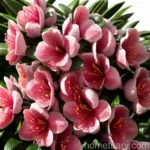
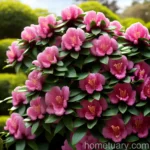
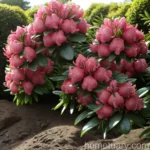
Azalea (Rhododendron ‘Gibraltar’) is a deciduous flowering shrub that is treasured for its vibrant blooms and ornamental value. This particular cultivar is known for its striking fiery orange to reddish-orange flowers that blanket the shrub in a dramatic display during the blooming season. The ‘Gibraltar’ variety typically grows to a height of 4 to 6 feet, with a similar spread, creating a lush and eye-catching presence in gardens and landscapes.
Key Takeaways
Before delving into the specific aspects of caring for Azalea (Rhododendron ‘Gibraltar’), let’s highlight the key takeaways for those seeking to nurture this beautiful shrub:
- Plant Name: Azalea (Rhododendron ‘Gibraltar’)
- Maintenance Level: Moderate
- Watering Needs: Regular, Moist Soil
- Sunlight: Partial Shade to Full Sun
- Soil pH: Acidic (4.5 – 6.0)
- Blooming Season: Spring
- Growth Rate: Moderate
- Hardiness Zone: 6-9
- Landscape Uses: Borders, Woodland Gardens, Containers
- Companion Plants: Camellias, Ferns, Hostas, Japanese Maple
Now, let’s delve into the details of cultivating and caring for the Azalea (Rhododendron ‘Gibraltar’).
Culture
Understanding the cultural requirements of the Azalea (Rhododendron ‘Gibraltar’) is essential for fostering its health and promoting abundant blooms. From water and sunlight to soil conditions and fertilization, each aspect of its culture plays a vital role in the overall well-being of the plant.
Water
Azaleas, including the ‘Gibraltar’ variety, thrive in consistently moist but well-draining soil. Adequate moisture is crucial, especially during the establishment phase and periods of active growth. However, it’s important to avoid waterlogging the soil, as this can lead to root rot and other detrimental conditions. When watering, it’s best to provide a deep and thorough soak to ensure proper hydration. Mulching the soil around the base of the shrub helps to retain moisture, regulate soil temperature, and inhibit weed growth.
Sunlight
When it comes to sunlight preferences, the Azalea (Rhododendron ‘Gibraltar’) exhibits a preference for partial shade to full sun. In warmer climates, providing some protection from the intense midday sun can prevent stress and leaf scorch. On the other hand, in regions with cooler temperatures, a location with ample sunlight can promote robust growth and prolific flowering. Finding the right balance of sunlight is key to the plant’s overall health and vitality.
Fertilizer
Fertilizing Azalea (Rhododendron ‘Gibraltar’) is essential for maintaining its vigor and promoting vibrant blooms. A balanced, slow-release fertilizer formulated for acid-loving plants can be applied in spring, just as new growth begins. It’s important to follow the manufacturer’s instructions regarding application rates and frequency, as over-fertilization can lead to nutrient imbalances and adverse effects on the plant’s health. Additionally, incorporating organic matter into the soil, such as compost or well-rotted manure, can enrich the growing medium and support the shrub’s nutritional needs.
Soil
Azaleas, including the ‘Gibraltar’ variety, thrive in acidic soil with a pH ranging from 4.5 to 6.0. The acidity of the soil is crucial for the plant’s ability to access essential nutrients, particularly iron and other micronutrients. In regions where the natural soil pH is higher, amending the soil with elemental sulfur or acidic organic materials can help create a suitable environment for the azalea to flourish. Furthermore, the soil should be loose, well-draining, and rich in organic matter to support healthy root development and overall growth.
Pruning
Pruning is an essential aspect of caring for Azalea (Rhododendron ‘Gibraltar’). Proper pruning not only helps maintain a desirable shape and size but also promotes flowering and overall plant health. Here are some key considerations when it comes to pruning this stunning azalea variety:
- Pruning Time: The best time to prune Azalea (Rhododendron ‘Gibraltar’) is shortly after the blooming season, typically in late spring or early summer. This timing allows the plant to set buds for the following year’s blooms without interference.
- Pruning Techniques: When pruning, focus on removing dead or diseased wood, as well as any crossing or congested branches. Additionally, lightly shaping the shrub to maintain its natural form can be done at this time.
- Tools: It’s important to use sharp and clean pruning tools to make precise cuts without causing unnecessary damage to the plant. Disinfecting the tools before and after use helps prevent the spread of diseases.
By adhering to proper pruning practices, gardeners can encourage a healthy and well-structured growth habit in their Azalea (Rhododendron ‘Gibraltar’).
Propagation
Propagating Azalea (Rhododendron ‘Gibraltar’) allows enthusiasts to expand their plant collection and share the beauty of this cultivar with others. While the propagation process may require some patience and attention to detail, the reward of successfully introducing new plants to the garden is well worth the effort.
Propagation Methods
- Cuttings: Propagating Azalea (Rhododendron ‘Gibraltar’) through stem cuttings is a popular and reliable method. Select healthy, non-flowering shoots and take cuttings that are approximately 3 to 6 inches long. Removing the lower leaves and treating the cut ends with a rooting hormone can help stimulate root development. Plant the cuttings in a well-draining rooting medium and provide sufficient warmth and humidity to encourage rooting.
- Layering: Air layering is another effective method for propagating Azalea (Rhododendron ‘Gibraltar’). Select a low-hanging branch and wound a section of the stem to encourage the formation of roots. Enclosing the wounded area with a moist substrate and protecting it with a plastic wrap can create an environment conducive to root development. Once roots have formed, the new plant can be carefully separated and potted up.
By employing these propagation techniques, gardeners can multiply their stock of Azalea (Rhododendron ‘Gibraltar’) and enable others to experience the beauty of this exquisite shrub.
Container Popularity
The compact size and ornamental value of Azalea (Rhododendron ‘Gibraltar’) make it a popular choice for container gardening. Whether placed on patios, balconies, or near entrances, these container-grown azaleas bring a burst of color and elegance to outdoor living spaces. Additionally, their portability allows for easy repositioning to best showcase their stunning blooms. When cultivating Azalea (Rhododendron ‘Gibraltar’) in containers, it’s important to consider the following factors:
- Container Size: Select a container that provides ample room for root development while also complementing the size of the shrub. A container with drainage holes is essential to prevent waterlogging.
- Potting Medium: Choose a high-quality, well-draining potting mix formulated for acid-loving plants to provide the ideal growing medium for the azalea.
- Watering: Container-grown azaleas may require more frequent watering, especially during periods of active growth. It’s important to monitor soil moisture and adjust watering frequency accordingly.
With the right care and attention, Azalea (Rhododendron ‘Gibraltar’) can thrive and enchant in container gardens, adding a touch of natural beauty to urban and small-space environments.
Common Diseases
Azaleas, including the ‘Gibraltar’ variety, are susceptible to certain diseases that can impact their health and appearance. Recognizing the symptoms and implementing appropriate measures are crucial for mitigating the effects of these diseases and preserving the plant’s vitality.
Disease Diagnosis
- Powdery Mildew: This fungal disease manifests as a white, powdery growth on the leaves, affecting the plant’s overall vigor and aesthetics. Adequate airflow and spacing between plants can help reduce the risk of powdery mildew. Additionally, applying fungicidal treatments can suppress the development and spread of the disease.
- Leaf Spot: Leaf spot diseases, caused by various fungal pathogens, lead to the formation of dark spots on the foliage, ultimately impacting the plant’s photosynthetic capacity. Removing affected leaves and promoting good air circulation can help manage leaf spot diseases. Furthermore, applying fungicidal sprays preventatively can help protect the plant from infection.
By maintaining a proactive approach to disease management and promptly addressing any signs of infection, gardeners can safeguard the health and beauty of their Azalea (Rhododendron ‘Gibraltar’).
Common Pests
In addition to diseases, azaleas are often targeted by certain pests that can compromise their vitality and aesthetic appeal. Being aware of these potential invaders and adopting preventive measures is essential for protecting the shrub from pest-related damage.
Botanist’s Tips
- Aphids: These small, soft-bodied insects feed on the sap of tender young growth, causing distortion and yellowing of the leaves. Introducing natural predators, such as ladybugs, can help control aphid populations. Furthermore, spraying the plant with a strong stream of water can dislodge the pests from the foliage.
- Azalea Lace Bug: Lace bugs are known to infest the undersides of azalea leaves, causing stippling and discoloration. Regular monitoring and the application of horticultural oil or insecticidal soap can effectively manage lace bug populations without causing harm to beneficial insects.
Employing integrated pest management strategies, which emphasize prevention and biological control, can effectively preserve the health and appearance of Azalea (Rhododendron ‘Gibraltar’) while minimizing the need for chemical interventions.
Fun Facts
Azaleas have a rich heritage and notable characteristics that distinguish them as cherished garden plants. Here are some intriguing and enjoyable facts about this beloved flowering shrub:
- Cultural Symbolism: Azaleas are revered in various cultures and are often associated with diverse meanings, including femininity, abundance, and emotional depth. In some traditions, azaleas represent harmony and temperance, adding a layer of symbolism to their aesthetic appeal.
- Native Habitat: Azaleas are native to several continents, including Asia, Europe, and North America. Their natural diversity and adaptability have contributed to the extensive array of azalea cultivars available to gardeners today.
- Bonsai Artistry: Azaleas are a popular subject for bonsai enthusiasts, showcasing their versatility and allure in miniature form. The intricate blooms and delicate foliage of azaleas lend themselves well to the art of bonsai, captivating enthusiasts with their diminutive beauty.
With their captivating beauty and intriguing attributes, azaleas, including the ‘Gibraltar’ variety, continue to enthrall gardeners and plant enthusiasts worldwide.
Links to External Resources
For further exploration of Azalea (Rhododendron ‘Gibraltar’) care and cultivation, the following external resources offer valuable insights and practical guidance:
- American Rhododendron Society
- The American Azalea Society
- Royal Horticultural Society: Azalea and Rhododendron
These reputable resources provide a wealth of information, including tips, best practices, and detailed plant profiles, to support gardening enthusiasts in their journey of nurturing and appreciating the beauty of Azalea (Rhododendron ‘Gibraltar’).
In conclusion, Azalea (Rhododendron ‘Gibraltar’) stands as a captivating and culturally significant plant with immense horticultural appeal. By understanding and tending to its cultural requirements, combating potential diseases and pests, and exploring the possibilities of its propagation and container gardening, enthusiasts can elevate their gardening experience and bask in the resplendent beauty of this remarkable flowering shrub. Whether gracing woodland gardens, borders, or decorative containers, the ‘Gibraltar’ variety of Azalea (Rhododendron) is sure to captivate and inspire with its vivid blooms and elegant presence.