Salvia dorisiana (Fruit Scented Sage): A Comprehensive Guide
Salvia dorisiana, commonly known as Fruit Scented Sage, is a delightful and aromatic plant that belongs to the genus Salvia. This evergreen perennial plant is cherished for its enticing fragrance, ornamental appeal, and various cultural, culinary, and medicinal uses. In this comprehensive guide, we will delve into the key characteristics, cultivation practices, uses, and maintenance tips for Salvia dorisiana. Additionally, we will explore its habitat, native regions, and the ecological role it plays.
Key Takeaways – Salvia dorisiana (Fruit Scented Sage)
Before we proceed further, here are the key takeaways of the information we will cover in this comprehensive guide on Salvia dorisiana:
- Salvia dorisiana possesses an alluring fragrance and ornamental foliage, making it a popular choice for gardens and landscapes.
- The plant requires a well-draining soil, ample sunlight, and regular watering to thrive.
- It is relatively low-maintenance and can be propagated through stem cuttings.
- Fruit Scented Sage has diverse uses, including culinary and medicinal applications.
- Proper care and maintenance can help in disease and pest prevention, ensuring the plant’s health and longevity.
Now, let’s delve deeper into the various aspects of Salvia dorisiana, ranging from its cultural requirements to its ecological significance.
What is Salvia dorisiana (Fruit Scented Sage)?
Plant Characteristics
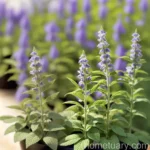
Salvia dorisiana is a species of flowering plant in the mint family, Lamiaceae, and is native to the highlands of northeastern Brazil. It is an evergreen perennial that typically grows to a height of about 30 to 36 inches with a spread of 24 to 36 inches. The plant is characterized by its oblong and deeply veined leaves, which emit a strong fruit scent when brushed or crushed.
The foliage of Salvia dorisiana is soft and fuzzy, with a vibrant green color that adds visual appeal to any garden or landscape. In addition to its aromatic leaves, the plant also produces stunning, tubular, magenta-colored flowers during the blooming season, attracting pollinators such as bees and butterflies to the garden.
Culture
Uses
Salvia dorisiana, owing to its distinctive fragrance and aesthetic appeal, is cultivated for various purposes, including:
- Aromatic Appeal: The fruity scent of the leaves makes it a desirable addition to fragrant gardens, where it can infuse the air with its delightful aroma.
- Culinary Applications: The leaves of the plant are used to impart a unique fruity flavor to culinary creations, including beverages, jams, and desserts.
- Medicinal Properties: In traditional herbal medicine, Salvia dorisiana is believed to possess medicinal properties, with its leaves used in teas and tinctures to alleviate certain ailments.
Water
Proper watering is crucial for the health and vigor of Salvia dorisiana. While it is important to prevent the soil from drying out completely, the plant is susceptible to root rot if overwatered. A moderate watering regimen, allowing the soil to partially dry between waterings, is ideal for maintaining the plant’s well-being.
Sunlight
Salvia dorisiana thrives in full sun to partial shade conditions. It is essential to provide the plant with at least 6 to 8 hours of sunlight daily to ensure robust growth and prolific flowering.
Fertilizer
When it comes to fertilization, a balanced, all-purpose fertilizer can be applied to Salvia dorisiana during the spring and summer months. This will help promote healthy foliage and vibrant blooms. It is important to follow the manufacturer’s recommendations for application rates and frequency to avoid over-fertilization, which may lead to excessive vegetative growth at the expense of flowering.
Soil
Salvia dorisiana prefers well-draining soil with a slightly acidic to neutral pH. A soil mix that is rich in organic matter and provides good aeration is beneficial for the plant’s root development and overall health. Additionally, adding a layer of mulch around the base of the plant can aid in moisture retention and weed suppression while also contributing organic matter to the soil as it decomposes.
Pruning
Pruning plays a vital role in maintaining the attractive appearance and vigor of Salvia dorisiana. Regular deadheading of faded flowers not only promotes continuous blooming but also prevents the plant from expending energy on seed production. Additionally, periodic pruning of the plant can help shape its growth and prevent it from becoming overly leggy, enhancing its overall aesthetic appeal.
Propagation
Salvia dorisiana can be propagated through stem cuttings, making it relatively easy to propagate and share with other gardening enthusiasts. Propagation through cuttings is best done in the spring when the plant is actively growing, ensuring optimal conditions for successful root development. The use of a rooting hormone can aid in the establishment of new roots, increasing the chances of successful propagation.
Container Popularity
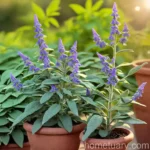
Salvia dorisiana is well-suited for container cultivation, making it an excellent choice for gardeners with limited space or those looking to add a fragrant touch to patios, balconies, or indoor spaces. When grown in containers, the plant’s attractive foliage and aromatic leaves can provide an ornamental and sensory experience in various settings.
Container Common Diseases
While Salvia dorisiana is generally resistant to most common diseases, it can occasionally be affected by fungal infections such as powdery mildew. Providing proper air circulation, avoiding overhead watering, and maintaining an optimal watering schedule can help prevent the onset and spread of fungal diseases in container-grown Fruit Scented Sage.
Disease Diagnosis
In the event of disease symptoms such as discolored or distorted leaves, powdery growth on foliage, or stunted growth, it is important to diagnose the issue promptly. This can involve carefully examining the plant for signs of disease, seeking professional advice from local horticultural extension services, or conducting laboratory tests if necessary. Early diagnosis and intervention are crucial in managing and controlling plant diseases effectively.
Common Pests
Salvia dorisiana is relatively resistant to pest infestations, but it may occasionally face challenges from pests such as aphids, spider mites, or whiteflies. Regular monitoring of the plant for pest activity, prompt intervention with organic pest control methods or insecticidal soaps, and the encouragement of beneficial predatory insects can help manage and mitigate pest pressures effectively.
Botanist’s Tips
- When selecting a location for planting Salvia dorisiana, consider its fragrance and ornamental value, placing it in a spot where its scent can be appreciated and its visual appeal can enhance the overall garden aesthetics.
- Regularly inspect the plant for signs of nutrient deficiencies or pest infestations, addressing any issues promptly to maintain its vigor and health.
- Take advantage of the plant’s culinary and aromatic qualities by incorporating its leaves in beverages, desserts, or herbal preparations, adding a unique fruity dimension to culinary creations and holistic wellness practices.
Fun Facts
- Salvia dorisiana is also known as “Fruit Scented Sage” due to the delightful fruity aroma emitted by its leaves when crushed or brushed, adding an olfactory dimension to the garden.
Now that we have explored the cultural and maintenance aspects of Salvia dorisiana, let’s delve into its propagation, medicinal properties, and some interesting facts about this aromatic plant.
Propagation
Salvia dorisiana Propagation
Salvia dorisiana can be propagated through stem cuttings, which involves taking a section of a healthy, actively growing stem and encouraging it to develop roots, ultimately giving rise to a new plant. This propagation method is relatively straightforward and is commonly used by gardeners to expand their collection of Fruit Scented Sage or share the plant with others.
Uses
Culinary Uses
The leaves of Salvia dorisiana are prized for their fruity scent and flavor, making them a versatile ingredient in culinary applications. They can be used to infuse beverages, create flavorful jams or preserves, and impart a distinctive fruity note to desserts and baked goods. The leaves can also be used fresh or dried to make aromatic teas, adding a delightful fragrance and flavor to the brew.
Medicinal Properties
Salvia dorisiana has traditionally been used in herbal medicine for its purported medicinal properties. The leaves are believed to possess healing attributes and are used in the preparation of teas or tinctures that are consumed for their potential health benefits. While further research is needed to substantiate its medicinal properties, the plant holds cultural and traditional significance in certain communities.
Fragrance
The aromatic foliage of Salvia dorisiana emits a delightful fruit scent when disturbed, adding an olfactory dimension to the garden or landscape. The fragrance can be enjoyed by simply brushing against the leaves, releasing the refreshing and uplifting aroma into the surrounding space.
Pollinator Attraction
During the flowering season, the colorful and nectar-rich flowers of Salvia dorisiana attract pollinators such as bees and butterflies, contributing to the overall biodiversity and ecological balance of the garden. By providing a valuable food source for pollinators, the plant plays a role in fostering a healthy and vibrant ecosystem.
Culinary Uses
The leaves of Salvia dorisiana can be incorporated into a variety of culinary creations to impart their unique fruity flavor and fragrance. From beverages to desserts, the plant adds a distinctive touch to culinary experiences while offering potential health benefits depending on its traditional and modern uses.
Now that we have explored the propagation, culinary uses, and beneficial attributes of Salvia dorisiana, let’s delve into its habitats, ecological significance, and optimal growing conditions.
Habitat and Ecological Significance
Native Regions
Salvia dorisiana is native to the highlands of northeastern Brazil, where it thrives in subtropical to tropical climates with well-draining soils and ample sunlight. It is a part of the rich biodiversity of the region, contributing to the native flora and providing food and habitat for local wildlife.
Landscape Use
Salvia dorisiana is popularly used in garden and landscape designs to add visual interest, fragrance, and pollinator attraction. Whether incorporated into herb gardens, mixed borders, or container displays, the plant offers versatility and ornamental appeal, contributing to the overall aesthetic and ecological value of the landscape.
Ornamental Plant
The vibrant green, fuzzy leaves, and magenta-colored flowers of Salvia dorisiana make it an appealing ornamental plant that can be utilized in various landscape settings. Its drought tolerance, fragrance, and pollinator-attracting qualities add to its appeal as a multifaceted ornamental addition to gardens and landscapes.
Wildlife Attraction
By attracting pollinators such as bees and butterflies with its nectar-rich flowers, Salvia dorisiana plays a role in supporting local wildlife and contributing to the ecological balance of its habitat. The plant provides an essential food source for pollinators, thus promoting biodiversity and the health of the surrounding ecosystem.
Drought Tolerance
Salvia dorisiana exhibits a degree of drought tolerance once established, making it a resilient addition to gardens and landscapes in regions with periodic water scarcity. Its ability to withstand dry conditions while maintaining its ornamental and aromatic qualities enhances its value as a low-maintenance and adaptable plant species.
Garden Design
In garden design, Salvia dorisiana can serve as a focal point, accent plant, or aromatic addition, adding layers of interest and sensory appeal to the overall garden composition. Its landscape use extends to herb gardens, cottage gardens, and mixed borders, where it contributes to a diverse and vibrant plant palette.
Flowering Season
Salvia dorisiana typically blooms in the late spring to early summer, adorning the garden with its striking magenta-colored flowers. The flowering season provides an opportunity for pollinator attraction and adds a burst of color and visual appeal to the landscape.
Now that we have explored the habitat, ecological significance, and ornamental value of Salvia dorisiana, let’s delve into its specific cultural requirements and ecological role in greater detail.
Salvia dorisiana Cultivation
Water Requirements
Proper watering is essential during the establishment phase of Salvia dorisiana, helping the plant develop a strong and extensive root system. Once established, the plant exhibits a degree of drought tolerance, reducing its dependence on supplemental irrigation. However, periodic watering during extended dry periods can help maintain vigorous growth and flowering.
Pruning Techniques
To maintain the health and aesthetic appeal of Salvia dorisiana, it is important to engage in regular pruning practices. This includes the removal of spent flowers, dead or damaged foliage, and the shaping of the plant to encourage a compact growth habit. Pruning can also help improve air circulation around the plant, reducing the risk of disease development.
Sun Exposure
Salvia dorisiana thrives in full sun to partial shade conditions, requiring ample sunlight to promote its overall vigor and prolific flowering. When grown in regions with intense sun exposure, providing some afternoon shade can protect the plant from excessive heat and sunburn, ensuring its optimal performance.
Soil Preferences
The ideal soil for Salvia dorisiana is well-draining and rich in organic matter, providing a supportive medium for root development and nutrient uptake. A slightly acidic to neutral pH is preferred, and the addition of organic compost or well-rotted manure can enhance the soil’s structure and fertility, promoting robust growth and blooming.
Pest Control
While Salvia dorisiana is generally resistant to pest infestations, it is essential to monitor the plant for any signs of pest activity. Organic pest control methods, such as the introduction of beneficial insects or the use of insecticidal soaps, can help manage pest pressures effectively without harming the plant or the surrounding environment.
Fragrant Flowers
The flowers of Salvia dorisiana contribute to its aromatic appeal, releasing a delightful fragrance that adds an olfactory dimension to the garden. Their vibrant color and nectar content also attract pollinators, supporting biodiversity and ecological balance in the garden ecosystem.
Now that we have covered the specific cultural requirements and ecological role of Salvia dorisiana, let’s explore its varieties, landscape uses, and the benefits it offers to gardens and ecosystems.
Salvia dorisiana Varieties
Salvia dorisiana is primarily known for its species-specific characteristics, including its aromatic foliage, vibrant flowers, and culinary and medicinal uses. While specific cultivars or varieties within the species may exist, the wide array of traits and benefits offered by the plant make it a desirable addition to gardens and landscapes.
Fruit Scented Sage Benefits
Personal and Sensory Benefits
The presence of Salvia dorisiana in a garden or landscape provides personal and sensory benefits, thanks to its aromatic qualities, ornamental appeal, and potential culinary uses. The fragrance of the plant can create a pleasant and inviting atmosphere, while its visual attributes contribute to the overall aesthetic charm of the setting.
Ecological Benefits
Salvia dorisiana offers ecological benefits by attracting pollinators such as bees and butterflies to the garden with its nectar-rich flowers. By supporting local wildlife and pollinator populations, the plant contributes to the biodiversity and health of the surrounding ecosystem, thereby playing a role in the ecological balance of the area.
Shall we continue to delve into the specific cultural requirements, benefits, and ecological significance of Salvia dorisiana in greater detail, or would you like to explore its medicinal properties and fragrance further?
Salvia dorisiana Medicinal Properties
Herbal Remedy
In traditional herbal medicine, Salvia dorisiana is believed to possess certain medicinal properties, with its leaves used in the preparation of teas or tinctures. The plant is valued for its potential healing attributes, and its use as an herbal remedy reflects its cultural significance and traditional value as a natural health resource.
Essential Oil
The essential oil derived from Salvia dorisiana possesses the characteristic fruity fragrance of the plant and is used in aromatherapy and personal care products. It is appreciated for its uplifting and refreshing aroma, offering aromatic and therapeutic benefits in various applications.
Herbal Tea
The leaves of Salvia dorisiana can be infused in hot water to create an aromatic and flavorful herbal tea. The tea is valued for its fruity notes and potential health benefits, offering a delightful and aromatic beverage option with potential healing attributes.
Foliage Color
The vibrant green foliage of Salvia dorisiana adds a refreshing and visually appealing element to gardens and landscapes. Its soft, fuzzy leaves contribute to the overall texture and color palette of the plant, enhancing its ornamental value in various settings.
Landscape Borders
Salvia dorisiana can be utilized to create attractive and aromatic landscape borders, adding a sensory and visual dimension to garden designs. Whether planted in mixed borders, herb gardens, or along walkways, the plant’s foliage and fragrance can enhance the overall appeal and charm of the landscape.
Plant Family
Salvia dorisiana belongs to the mint family, Lamiaceae, which includes a diverse array of aromatic and ornamental plants with culinary, medicinal, and ecological significance. Its position within the plant family underscores its botanical and horticultural value, contributing to the diversity and richness of plant species within the family.
Climate Conditions
Salvia dorisiana thrives in subtropical to tropical climates, where it can benefit from warm temperatures, adequate sunlight, and well-draining soils. Its preference for specific climate conditions influences its geographical distribution and suitability for cultivation in various regions.
Landscape Use
Salvia dorisiana is versatile in landscape use, serving as an ornamental, aromatic, and ecological addition to gardens, landscapes, and horticultural displays. Its adaptable nature and sensory appeal contribute to its widespread and varied landscape use, fulfilling aesthetic, sensory, and ecological functions in diverse settings.
Perennial Plant
As an evergreen perennial, Salvia dorisiana offers year-round foliage and potential seasonal blooming, providing continuous visual and aromatic interest in the garden or landscape. Its perennial nature makes it a long-term and enduring addition to planting schemes, contributing to the overall sustainability and longevity of the plant palette.
Salvia dorisiana Drought Tolerance
Drought-Tolerant Attributes
Salvia dorisiana exhibits a degree of drought tolerance once established, enabling it to withstand periods of limited water availability. Its ability to thrive in drier conditions enhances its value in water-wise and xeriscape gardens, contributing to the overall sustainability and resilience of such planting schemes.
Ornamental Plant
Salvia dorisiana serves as an ornamental plant owing to its aromatic foliage, vibrant flowers, and landscape uses in various settings. Whether employed as a standalone feature or integrated into mixed plantings, the plant offers ornamental and sensory appeal, enriching the overall design and experience of the landscape.
Wildlife Attraction
Salvia dorisiana attracts and supports local wildlife, including pollinators such as bees and butterflies, with its nectar-rich flowers. By providing a valuable food source for pollinators, the plant contributes to biodiversity and ecological balance, fostering a healthy and vibrant ecosystem in the garden or landscape.
Garden Design
Salvia dorisiana can be incorporated into diverse garden designs, ranging from formal to informal layouts, to enhance the aesthetic, sensory, and ecological aspects of the landscape. Its adaptability and multifaceted attributes make it a valuable element in garden design, enriching the plant palette and contributing to the overall garden experience.
Flowering Season
The flowering season of Salvia dorisiana typically occurs in the late spring to early summer, adorning the garden with its striking magenta-colored flowers. The seasonal blooming enhances the visual appeal and ecological significance of the plant, contributing to the overall dynamic and evolving nature of the garden landscape.
Pruning Techniques
Pruning is essential for maintaining the health and appearance of Salvia dorisiana,