Rhododendron ‘English Roseum’ Care Guide
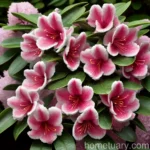
Rhododendron ‘English Roseum’ is a stunning evergreen shrub known for its beautiful clusters of pink flowers. This plant is a popular choice among gardeners and landscape enthusiasts due to its vibrant blooms and easy-to-care-for nature. In this comprehensive guide, we will delve into the world of Rhododendron ‘English Roseum’, exploring its characteristics, care requirements, propagation methods, common diseases, and much more. Whether you are a seasoned gardener or a novice plant enthusiast, this guide will equip you with the knowledge and skills needed to cultivate and maintain healthy Rhododendron ‘English Roseum’ plants in your outdoor or indoor spaces.
What is Rhododendron ‘English Roseum’?
Rhododendron ‘English Roseum’, also known as English Roseum Rhododendron, belongs to the genus Rhododendron and the family Ericaceae. This evergreen shrub is prized for its lush, glossy foliage and delicate, rose-colored flowers. The botanical name of the plant is Rhododendron ponticum ‘English Roseum’, and it is a cultivar of the species Rhododendron ponticum. Native to the Mediterranean region and Western Asia, Rhododendron ponticum is an invasive species in certain regions and has sparked concerns regarding its impact on local ecosystems.
Key Takeaways
Before we dive into the specifics of caring for Rhododendron ‘English Roseum’, let’s take a quick look at the key takeaways that will be covered in this guide:
- Plant Name: Rhododendron ‘English Roseum’
- Plant Type: Evergreen shrub
- Flower Color: Pink
- Sunlight: Partial shade to full shade
- Soil: Well-draining, acidic soil
- Water: Regular watering, moist soil
- Propagation: Cuttings, layering
- Pruning: Light pruning after flowering
- Common Diseases: Phytophthora root rot, powdery mildew
- Common Pests: Azalea lace bugs, spider mites
Now, let’s explore each of these aspects in detail to understand how to provide the best care for Rhododendron ‘English Roseum’.
Culture
Uses
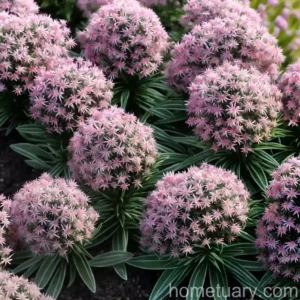
Rhododendron ‘English Roseum’ is widely used in gardens, woodland areas, and landscapes to add a touch of elegance and color. It can be planted as a single specimen or in groupings to create a stunning floral display. Additionally, the plant’s evergreen nature makes it a valuable choice for adding year-round interest to outdoor spaces.
Water
Proper watering is essential for the health and vitality of Rhododendron ‘English Roseum’. The plant prefers consistently moist but well-draining soil. During the growing season, it is crucial to monitor soil moisture levels and provide regular, deep watering as needed, especially during dry periods. Avoid letting the soil become waterlogged, as this can lead to root rot, a common issue with Rhododendrons.
Sunlight
Rhododendron ‘English Roseum’ thrives in partial shade to full shade conditions. While it can tolerate some morning sun, it generally prefers dappled light or filtered shade, particularly in hot climates. When selecting a planting location, prioritize spots with protection from the intense afternoon sun to prevent leaf scorch and maintain the plant’s overall health and vigor.
Fertilizer
Applying a balanced, slow-release fertilizer formulated for acid-loving plants can promote healthy growth and vibrant blooms in Rhododendron ‘English Roseum’. It is best to fertilize the plant in early spring, just before new growth begins. Be cautious not to over-fertilize, as this can lead to excessive foliage growth at the expense of flower production.
Soil
Acidic, well-draining soil is key to the success of Rhododendron ‘English Roseum’. Ideally, the soil should have a pH ranging from 4.5 to 6.0. If the native soil in your area is not acidic, you can amend it with organic matter such as peat moss, compost, or well-rotted pine bark to create a more suitable environment for the plant’s roots.
Pruning
Light pruning can help maintain the shape and size of Rhododendron ‘English Roseum’ while also encouraging a bushier growth habit. It is recommended to prune the plant shortly after it has finished flowering. Remove any dead or damaged branches, and selectively trim back overgrown areas to promote a tidy and compact appearance. Avoid extensive pruning, especially in late summer or fall, as this can reduce the following season’s flower production.
Propagation
Propagation of Rhododendron ‘English Roseum’ can be achieved through several methods, including softwood cuttings, hardwood cuttings, and layering. Softwood cuttings are typically taken in late spring to early summer, while hardwood cuttings are harvested in late summer to fall. Layering, which involves encouraging a stem to develop roots while still attached to the parent plant, is another effective propagation technique for Rhododendrons.
Container Popularity
Rhododendron ‘English Roseum’ can thrive in containers, making it a popular choice for patio gardens, balconies, and other small-scale landscapes. When growing the plant in a container, ensure the pot provides adequate drainage and use a high-quality, acidic potting mix. Container-grown Rhododendrons may require more frequent watering than those planted in the ground, as the soil in pots tends to dry out faster.
Container Common Diseases
When grown in containers, Rhododendron ‘English Roseum’ may be susceptible to similar diseases as those grown in the ground, such as Phytophthora root rot. Proper watering and soil management are crucial in preventing diseases, especially in container-grown plants. Choose a container with drainage holes, and avoid overwatering to reduce the risk of root rot and other soil-borne diseases.
Disease Diagnosis
Monitoring the plant for signs of common diseases such as Phytophthora root rot and powdery mildew is essential for maintaining the health of Rhododendron ‘English Roseum’. Look for symptoms such as wilting, yellowing or browning of leaves, and the presence of powdery, white fungal growth on the foliage. If disease symptoms are observed, promptly address the issue through appropriate measures such as adjusting watering practices, improving air circulation, or using fungicidal treatments as necessary.
Common Pests
Rhododendron ‘English Roseum’ may face challenges from various pests, including azalea lace bugs, spider mites, and caterpillars. Regular inspection of the plant can help identify pest infestations early, enabling timely intervention with environmentally friendly pest control methods such as insecticidal soaps, neem oil, or horticultural oils. Additionally, promoting a balanced ecosystem in the garden with beneficial insects can contribute to natural pest control.
Botanist’s Tips
- Select a planting site with well-draining, organic-rich soil and partial shade to protect Rhododendron ‘English Roseum’ from excessive heat and sunlight.
- Ensure consistent soil moisture, especially during dry periods, to support healthy growth and flowering.
- Regularly monitor the plant for signs of diseases and pests, intervening promptly to prevent escalation of issues.
- Employ proper pruning techniques to maintain the plant’s shape and encourage abundant blooms.
- When growing Rhododendron ‘English Roseum’ in containers, choose pots with adequate drainage and use acidic potting mixes for optimal performance.
Fun Facts
- Rhododendrons, including Rhododendron ‘English Roseum’, are known for their toxicity to pets and humans if ingested. It is important to exercise caution and keep these plants out of reach of children and animals.
- The name “Rhododendron” is derived from the Greek words “rhodo,” meaning rose, and “dendron,” meaning tree, highlighting the rose-like blooms of many species within the genus.
Links to External Resources
For further information on Rhododendron ‘English Roseum’ care, propagation, and maintenance, consider exploring the following resources:
- American Rhododendron Society
- Royal Horticultural Society – Rhododendron care
- University of Maryland Extension – Growing Azaleas and Rhododendrons
In conclusion, Rhododendron ‘English Roseum’ is a captivating addition to gardens and landscapes, offering enchanting pink blooms and evergreen foliage throughout the year. By providing the plant with the right cultural conditions, proper care, and vigilant attention to potential issues, you can cultivate thriving Rhododendron ‘English Roseum’ specimens that will bring beauty and charm to your outdoor or indoor spaces.
Remember, understanding the specific needs of Rhododendron ‘English Roseum’ will pave the way for a successful gardening experience and contribute to the longevity and vitality of these captivating shrubs.
This blog post will equip readers with valuable insights into the world of Rhododendron ‘English Roseum’ and offer practical guidelines for nurturing these captivating shrubs. Whether you are a seasoned gardener or a newcomer to the world of horticulture, the information provided here is designed to support you in successfully cultivating and caring for Rhododendron ‘English Roseum’ plants.