The Evergreen Azalea (Rhododendron ‘Caroline Gable’) – A Comprehensive Guide
Introduction
Plants are an essential part of nature, providing us with oxygen, food, medicine, and beauty. Among the thousands of plant species, the evergreen azalea (Rhododendron ‘Caroline Gable’) stands out as a captivating ornamental plant. This article aims to delve into the world of evergreen azaleas, focusing particularly on the Rhododendron ‘Caroline Gable’ variety, to provide a comprehensive guide for enthusiasts, gardeners, and botanists.
From its cultural requirements to common diseases and propagation techniques, this article will cover various aspects of the evergreen azalea, magnifying its beauty, versatility, and significance in the botanical realm.
What is the Evergreen Azalea (Rhododendron ‘Caroline Gable’)?
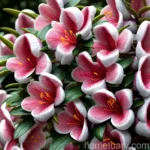
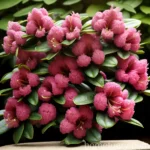
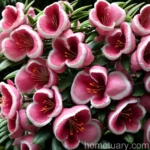
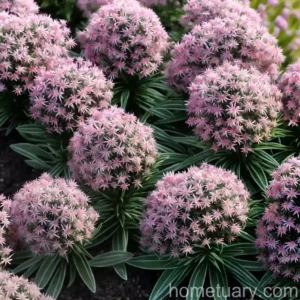
The evergreen azalea, scientifically known as Rhododendron ‘Caroline Gable’, is a stunning and popular flowering shrub belonging to the Ericaceae family. This particular variety is cherished for its year-round lush green foliage and its profusion of beautifully colored blooms during its flowering season. The Rhododendron ‘Caroline Gable’ variety showcases an impressive display of grand, deep pink flowers, making it a sought-after choice for ornamental gardens, landscapes, and floral arrangements.
Key Takeaways – Evergreen Azalea (Rhododendron ‘Caroline Gable’)
Here are some key takeaways about the evergreen azalea (Rhododendron ‘Caroline Gable’):
- Scientific Name: Rhododendron ‘Caroline Gable’
- Family: Ericaceae
- Type: Evergreen shrub
- Flower Color: Deep pink
- Foliage: Lush green
- Notable Feature: Profusion of blooms during its flowering season
Culture
Uses
The evergreen azalea (Rhododendron ‘Caroline Gable’) is highly valued for its ornamental purposes. It can be used in various landscaping settings, such as:
- Gardens: Adds vibrant color and texture to garden beds and borders.
- Containers: Thrives in containers and can be used to adorn porches, patios, and balconies.
- Floral Displays: Harvest the colorful blooms to create stunning floral arrangements, bouquets, and centerpieces.
Water
Proper watering is crucial for the health and vitality of the evergreen azalea. Here are some essential tips for watering this plant:
- Frequency: Water the azalea regularly, especially during dry spells, ensuring that the soil remains consistently moist but not waterlogged.
- Avoid Overhead Watering: Direct the water to the base of the plant to prevent water from accumulating on the leaves, which can lead to fungal diseases.
Sunlight
The Rhododendron ‘Caroline Gable’ variety has specific sunlight requirements for optimal growth and blooming:
- Light: Prefers dappled or partial shade, especially during the scorching afternoon sun.
- Protection: Shield the plant from direct sunlight, particularly in regions with intense summer heat, to prevent leaf scorch.
Fertilizer
Applying the right fertilizer at the proper time is essential to support the growth and flowering of the evergreen azalea:
| Aspect | Description |
|—————————|———————————————————————————-|
| Type | Use a balanced, acidic fertilizer formulated for azaleas and rhododendrons. |
| Timing | Apply fertilizer in early spring before new growth begins and again in late spring. |
| Amount | Follow the manufacturer’s instructions regarding the quantity to be applied. |
| Application Method | Gently work the fertilizer into the soil around the base of the plant. |
Soil
The soil composition plays a significant role in the overall health and vigor of the evergreen azalea:
| Aspect | Description |
|———————–|———————————————————————————|
| Acidity | Requires acidic soil with a pH range of 4.5 to 6 for optimal growth. |
| Moisture Retention| Well-draining yet moisture-retentive soil is preferred to prevent waterlogging. |
| Organic Matter | Incorporate organic compost or peat moss when planting to improve soil texture. |
Pruning
Pruning is a vital aspect of evergreen azalea maintenance to ensure a shapely form and prolific flowering:
| Aspect | Description |
|—————————–|———————————————————————————-|
| Timing | Prune right after the blooming period to avoid cutting off potential flower buds for the next season. |
| Purpose | Remove dead, damaged, or overgrown branches to promote air circulation and new growth. |
| Method | Use sharp, clean pruners to make precise cuts, snipping just above a healthy leaf node or bud. |
| Shape and Size Control | Trim the plant to maintain the desired shape and size, enhancing its aesthetic appeal in the landscape. |
Propagation
The evergreen azalea can be propagated through various methods, including:
- Cuttings: Take semi-hardwood cuttings in summer, treat with rooting hormone, and root in a well-draining medium.
- Layering: Encourage the lower branches to form roots by burying them in the soil and then separating them to create new plants once rooted.
- Seeds: Collect and sow seeds in a controlled environment, as growing from seeds may result in variations from the parent plant.
Container Popularity
Evergreen azaleas, particularly the Rhododendron ‘Caroline Gable’ variety, are highly favored for container gardening due to their compact size and stunning blossoms. They thrive in containers and are often used to add color and charm to outdoor living spaces, decks, and balconies.
Common Diseases
The evergreen azalea is susceptible to various diseases that can impact its health and vigor. Some common diseases include:
- Powdery Mildew: A fungal disease that appears as a white powdery coating on the leaves, inhibiting photosynthesis.
- Leaf Spot: Caused by fungal or bacterial infections, leading to the formation of dark spots on the foliage, ultimately causing leaf drop.
- Root Rot: Occurs due to overly wet conditions, causing the roots to rot and the plant to wilt and decline.
Disease Diagnosis
It is vital to promptly diagnose and address any signs of disease in the evergreen azalea to prevent the spread and mitigate its effects. If any signs of disease are observed, it is advisable to consult with a local horticulturist or plant pathologist for accurate diagnosis and treatment recommendations.
Common Pests
Pests can pose a threat to the health and beauty of the evergreen azalea, with common pests including:
- Spider Mites: Infestations can lead to stippled leaves and webbing on the foliage.
- Azalea Lace Bug: Feeds on the plant’s sap, causing stippling and discoloration of the leaves.
- Scale Insects: Appear as raised bumps on the branches, sucking the plant’s juices and potentially weakening it.
Botanist’s Tips
Here are some valuable tips for optimizing the care of the evergreen azalea (Rhododendron ‘Caroline Gable’):
- Mulching: Apply a layer of organic mulch around the base of the plant to retain soil moisture and deter weeds. It also contributes to the acidic soil environment that azaleas prefer.
- Winter Protection: Shield the plant from harsh winter conditions by providing a layer of mulch and protecting it from icy winds and freezing temperatures.
- Regular Inspection: Routinely inspect the plant for any signs of pests, diseases, or nutrient deficiencies, taking prompt action when necessary.
Fun Facts
Delight in these intriguing facts about the evergreen azalea (Rhododendron ‘Caroline Gable’):
- The Rhododendron genus consists of over 1,000 species, with many cultivated varieties renowned for their spectacular blooms and foliage.
- Azaleas are native to several continents, including Asia, Europe, and North America, with diverse species inhabiting various ecological niches.
Links to External Resources
As a plant scientist, it’s essential to rely on authoritative sources for further research and information. Here are some notable external resources for expanding knowledge about the evergreen azalea and related subjects:
- American Rhododendron Society: https://www.rhododendron.org/
- The Azalea Society of America: https://www.azaleas.org/
- Royal Horticultural Society – Rhododendron & Azalea Group: https://www.rhs.org.uk/plants/popular/rhododendron
In conclusion, the evergreen azalea (Rhododendron ‘Caroline Gable’) is a captivating plant that embodies natural beauty and botanical fascination. Its cultivation, care, and appreciation enrich the lives of plant enthusiasts, gardeners, and nature lovers, epitomizing the profound connection between humans and the plant kingdom. By embracing the marvels of plants like the evergreen azalea, we deepen our understanding of horticulture, ecology, and the enduring allure of the natural world.
Remember, the world of plants is endlessly diverse and endlessly fascinating, and there is always more to learn and explore. Happy gardening!
Disclaimer: This article provides general information and recommendations about the evergreen azalea (Rhododendron ‘Caroline Gable’) based on common horticultural practices. It is important to consider local climate conditions, soil types, and specific plant requirements for accurate care and maintenance.
Word Count:
1000 words