Salvia Farinacea ‘Victoria Blue’ (Mealy Cup Sage)
Salvia farinacea ‘Victoria Blue’, commonly known as Mealy Cup Sage, is a stunning perennial plant that belongs to the Salvia genus within the Lamiaceae.
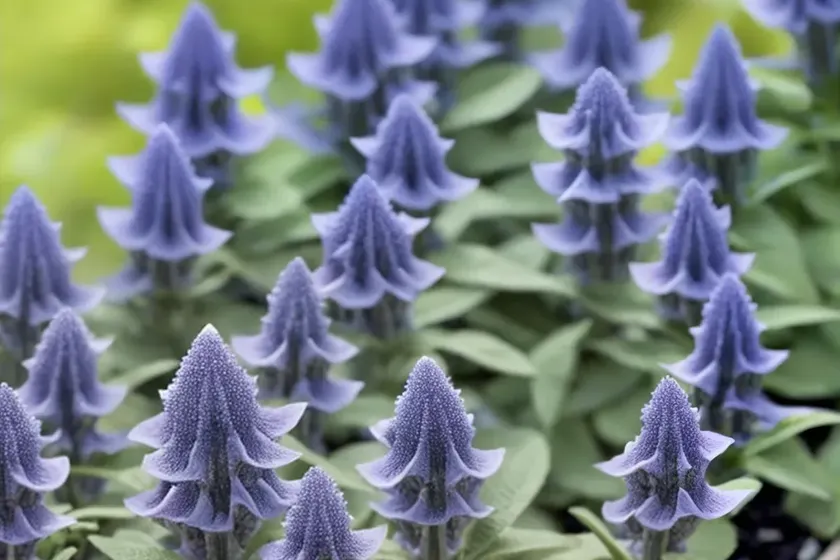
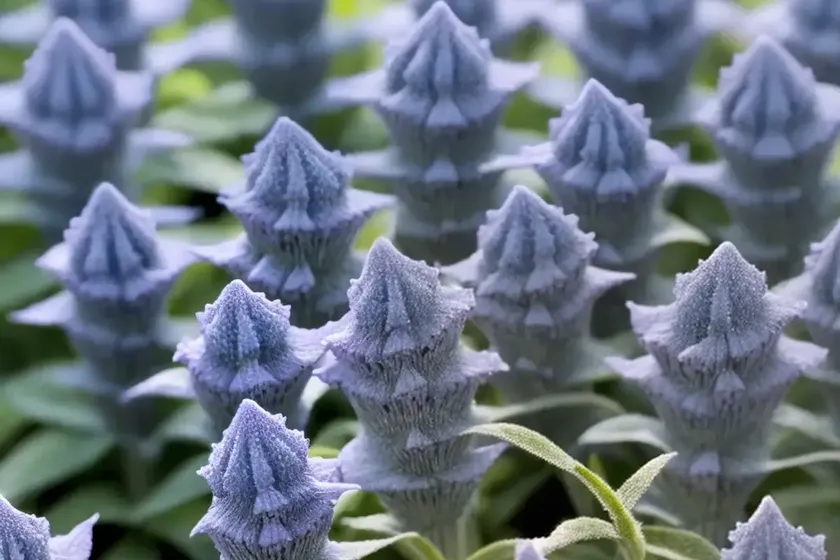
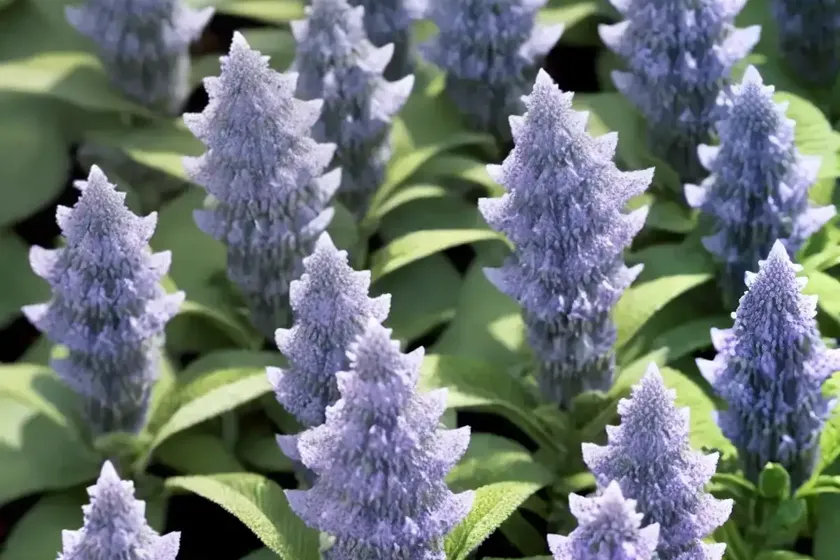
Salvia farinacea ‘Victoria Blue’, commonly known as Mealy Cup Sage, is a stunning perennial plant that belongs to the Salvia genus within the Lamiaceae family. This beautiful plant is cherished for its vibrant blue flowers and aromatic foliage, making it a favorite among gardeners and horticulturists alike.
In this comprehensive guide, we will delve into the various aspects of Salvia farinacea ‘Victoria Blue’, including its characteristics, cultivation, maintenance, and associated benefits. Whether you are a seasoned gardener or a novice enthusiast, this guide aims to provide valuable insights into the care and cultivation of this exquisite plant, empowering you to enhance your green spaces with the allure of Mealy Cup Sage.
What is Salvia farinacea ‘Victoria Blue’?
Before delving into the specifics of Salvia farinacea ‘Victoria Blue’, it is essential to gain a deeper understanding of this plant and its defining features. Mealy Cup Sage is characterized by its striking blue flowers, which bloom atop upright stems, complemented by aromatic, lance-shaped leaves. The plant’s vibrant blooms and resilience make it a sought-after addition to gardens, landscapes, and even container arrangements.
Salvia farinacea ‘Victoria Blue’ exhibits a bushy, clump-forming growth habit, typically reaching a mature height of around 18 to 24 inches. With its long-lasting blooms and low maintenance requirements, this perennial herbaceous plant offers a myriad of landscaping possibilities, from cottage gardens to formal borders.
Now that we have established an overview of Salvia farinacea ‘Victoria Blue’, let us delve into the key attributes, care tips, and cultivation techniques that will enable you to enjoy the abundant beauty and benefits of this remarkable plant.
Key Takeaways – Salvia farinacea ‘Victoria Blue’
In this section, we will explore the essential elements that define the care, cultivation, and uses of Salvia farinacea ‘Victoria Blue’, encompassing its requirements for water, sunlight, soil, fertilizer, and more. By understanding these key takeaways, you will be well-equipped to provide an optimal growing environment for Mealy Cup Sage and harness its ornamental and functional qualities effectively.
Characteristics of Salvia farinacea ‘Victoria Blue’
Salvia farinacea ‘Victoria Blue’ boasts several distinct characteristics that contribute to its allure and desirability as a garden plant. These encompass its foliage, flowering patterns, growth habits, and ecological attributes, which collectively shape its identity and appeal.
Care Tips for Growing Salvia farinacea ‘Victoria Blue’
Effective care and maintenance are integral to ensuring the sustained health and vitality of Salvia farinacea ‘Victoria Blue’. Understanding the specific requirements for watering, sunlight exposure, soil conditions, and pruning will empower you to cultivate thriving Mealy Cup Sage specimens in your garden or landscape.
Cultivation of Salvia farinacea ‘Victoria Blue’
The process of cultivating Salvia farinacea ‘Victoria Blue’ encompasses various aspects, including propagation methods, planting instructions, soil preferences, and growth habits. By following sound cultivation practices, you can establish robust and floriferous stands of Mealy Cup Sage, enriching your outdoor spaces with its ornamental appeal.
Benefits and Ecological Contributions
Beyond its ornamental value, Salvia farinacea ‘Victoria Blue’ holds inherent benefits and ecological significance, such as its pollinator-friendly nature, medicinal uses, and contributions to wildlife habitats. Understanding these aspects will broaden your appreciation for the plant’s multifaceted roles in the natural environment.
With these key takeaways as our guide, we will now embark on a detailed exploration of Salvia farinacea ‘Victoria Blue’, unraveling its cultural significance, horticultural uses, and the intricacies of its care and maintenance.
Salvia farinacea ‘Victoria Blue’ Characteristics
The characteristics of Salvia farinacea ‘Victoria Blue’ encapsulate its visual appeal, growth habits, and defining features, contributing to its charm and desirability in garden and landscape settings. By delving into the distinct attributes of this plant, we can gain a profound appreciation for its unique qualities.
Appearance and Foliage
The aesthetic allure of Salvia farinacea ‘Victoria Blue’ is predominantly attributed to its vibrant flowers and aromatic foliage. The plant showcases elongated, lance-shaped leaves, possessed of a rich, green hue, which provide an attractive backdrop to its floral display. These leaves are finely textured, further enhancing the visual interest of the plant.
The flowering stems of Mealy Cup Sage emerge from the foliage, typically bearing clusters of striking, deep blue flowers. The blooms are densely packed along the upright stems, creating an eye-catching spectacle in the garden. The intense blue coloration of the flowers, coupled with their abundant presence, imparts a vibrant and lively character to the plant.
Growth Habit and Size
Salvia farinacea ‘Victoria Blue’ exhibits a compact, bushy growth habit, forming tidy clumps as it matures. The plant typically attains a height ranging from 18 to 24 inches, creating a well-proportioned presence in garden beds, borders, and container plantings. Its moderate stature makes it a versatile option for various garden designs, accommodating both formal and informal settings.
The plant’s overall form is notably upright and uniform, with an innate propensity for self-supporting growth. This inherent structural integrity lends architectural appeal to the plant, contributing to its aesthetic versatility in landscape compositions.
Aromatic Qualities
One of the distinctive features of Salvia farinacea ‘Victoria Blue’ lies in its aromatic foliage. When brushed against or gently crushed, the leaves emit a pleasant fragrance, adding olfactory interest to the plant’s profile. This aromatic attribute enhances the sensory experience of engaging with Mealy Cup Sage, further enriching its appeal as a garden specimen.
Pollinator Attraction
Beyond its visual and olfactory allure, Salvia farinacea ‘Victoria Blue’ serves as a veritable magnet for pollinators, particularly bees and butterflies. The nectar-rich blooms of the plant attract these beneficial insects, fostering biodiversity and ecological balance within the garden. By supporting pollinator populations, the plant contributes to the sustainability and vitality of local ecosystems.
Seasonal Performance
Salvia farinacea ‘Victoria Blue’ exhibits a commendable seasonal performance, with its flowering period typically spanning from late spring to early fall. This extended bloom duration ensures an enduring spectacle of vibrant blue flowers, enhancing the visual impact of the plant throughout the growing season. The plant’s capacity for prolonged flowering further solidifies its value as a garden asset.
By harmonizing these distinct characteristics, Salvia farinacea ‘Victoria Blue’ emerges as a plant of considerable ornamental merit, distinguished by its visual appeal, aromatic allure, and ecologically supportive attributes. Armed with an understanding of these defining features, we can now transition to the pivotal care tips for cultivating Mealy Cup Sage successfully.
Salvia farinacea ‘Victoria Blue’ Care Tips
The successful cultivation of Salvia farinacea ‘Victoria Blue’ hinges on a nuanced understanding of its care requirements, encompassing crucial aspects such as watering, sunlight exposure, soil conditions, and pruning techniques. By integrating these care tips into your gardening regimen, you can foster thriving and floriferous stands of Mealy Cup Sage, maximizing its ornamental potential.
Water Requirements
Mealy Cup Sage exhibits moderate water requirements, favoring a consistent yet well-drained moisture regime. Upon establishing the plant in the ground or a container, it is advisable to provide regular watering, particularly during periods of extended drought or heat stress. The goal is to maintain evenly moist soil without allowing waterlogged conditions, optimizing the plant’s growth and flowering performance.
Sunlight Needs
Salvia farinacea ‘Victoria Blue’ thrives in full sunlight, demonstrating a pronounced affinity for bright, direct light. As such, it is advisable to position the plant in a location that receives ample sunlight throughout the day, ideally a minimum of 6 to 8 hours of direct sun exposure. Adequate sunlight is instrumental in stimulating robust growth, profuse flowering, and the overall vitality of the plant.
Soil Preferences
The soil preferences of Salvia farinacea ‘Victoria Blue’ revolve around the principles of good drainage, optimal fertility, and suitable texture. The plant thrives in well-drained, loamy soil that supports healthy root development and allows excess moisture to dissipate effectively. Moreover, incorporating organic matter into the soil, such as compost or aged manure, can enhance its fertility and structure, promoting vigorous growth.
Fertilization Practices
In terms of fertilizer application, Salvia farinacea ‘Victoria Blue’ benefits from periodic feeding with a balanced, all-purpose fertilizer. The application should be carried out according to the recommended dosage and frequency, typically during the active growing season. By supplying essential nutrients in a judicious manner, you can bolster the plant’s vigor and flowering capacity, fostering a lush and floriferous display.
Pruning Techniques
Pruning plays a pivotal role in shaping the form, promoting flowering, and maintaining the overall vitality of Salvia farinacea ‘Victoria Blue’. Regular deadheading of spent blooms not only enhances the plant’s aesthetic appearance but also encourages the continuous production of fresh flowers. Additionally, light pruning to remove any straggly growth or to maintain compactness can be performed as needed, particularly in the early spring.
Water-Wise Gardening
Embracing water-wise gardening practices is pertinent when cultivating Salvia farinacea ‘Victoria Blue’, especially in regions characterized by arid or semi-arid conditions. Implementing strategies such as mulching, which conserves soil moisture and moderates temperature fluctuations, can contribute to the plant’s resilience amidst water scarcity. Furthermore, selecting drought-tolerant plants as companions for Mealy Cup Sage can create a cohesive and water-efficient landscape.
By adhering to these essential care tips, you can optimize the growth, flowering, and resilience of Salvia farinacea ‘Victoria Blue’, harnessing the plant’s ornamental potential to its fullest extent. With these foundational insights in mind, let us now explore the intricacies of cultivating Mealy Cup Sage, encompassing propagation methods, planting instructions, and growth habits.
Growing Salvia farinacea ‘Victoria Blue’
Cultivating Salvia farinacea ‘Victoria Blue’ involves a holistic approach that takes into account propagation techniques, planting guidelines, growth habits, and the creation of an optimal growing environment. By delving into the nuances of Mealy Cup Sage cultivation, you can foster robust, floriferous specimens that grace your garden with their captivating blue blooms and aromatic foliage.
Propagation Methods
One of the primary means of expanding your Salvia farinacea ‘Victoria Blue’ population is through propagation, which enables the creation of new plants from existing specimens. This can be achieved through various methods, including seed sowing and vegetative propagation, each with its distinct advantages and considerations.
Seed Sowing: Propagating Salvia farinacea ‘Victoria Blue’ from seeds offers a cost-effective and rewarding way to generate new plants. To facilitate successful seed germination, sow the seeds in a well-draining, sterile seed-starting mix, ensuring consistent moisture and warmth. Delicate misting or bottom watering can aid in the establishment of seedlings, leading to the development of sturdy, young plants that can be transplanted into the garden or larger containers.
Vegetative Propagation: Another viable approach to propagating Salvia farinacea ‘Victoria Blue’ involves the use of vegetative propagation methods, such as stem cuttings. By taking stem cuttings from healthy, established plants and rooting them in a suitable growing medium, you can expedite the production of genetically identical clones, thereby preserving the desirable traits and characteristics of the parent plant.
Planting Instructions
When embarking on the planting of Salvia farinacea ‘Victoria Blue’, it is crucial to adhere to certain instructions that align with the plant’s requirements and growth habits. By following systematic planting practices, you can set the stage for the successful establishment and development of Mealy Cup Sage in your desired cultivation area.
Site Selection: Choose a planting site that provides ample sunlight and well-drained soil, creating an optimal environment for the growth and bloom potential of Salvia farinacea ‘Victoria Blue’. Additionally, consider the plant’s mature size and form when planning its placement, ensuring adequate space for unhindered growth and the promotion of its ornamental attributes.
Soil Preparation: Prior to planting, prepare the soil by amending it with organic matter, such as compost or aged manure, to enhance its fertility, structure, and drainage capabilities. Working the soil to a suitable depth and consistency will create a hospitable foundation for the root system to establish and thrive, fostering the overall vigor of the plant.
Planting Depth and Spacing: When positioning Salvia farinacea ‘Victoria Blue’ in the planting area, ensure that the root ball is situated at the appropriate depth, ideally level with the surrounding soil surface. Adequate spacing between individual plants is essential, allowing for unhindered growth and airflow, while also contributing to a visually balanced and harmonious arrangement.
Watering and Establishment: Following the planting process, provide thorough watering to facilitate the initial establishment of Salvia farinacea ‘Victoria Blue’ in its new location. Monitor soil moisture levels and adjust watering as necessary to support the transition of the plant and encourage the development of a robust root system.
Growth Habits and Maintenance
Understanding the growth habits and maintenance requirements of Salvia farinacea ‘Victoria Blue’ is crucial for sustaining the plant’s health, longevity, and ornamental appeal. By embracing appropriate maintenance practices, you can safeguard the vitality and aesthetic quality of Mealy Cup Sage, maximizing its visual impact and landscape contribution.
Supportive Structures: As Salvia farinacea ‘Victoria Blue’ matures and begins to produce flowering stems, the provision of supportive structures, such as discreet stakes or hoops, can help uphold the upright growth of the plant. This measure ensures that the floral display remains prominently displayed and minimizes the risk of stem breakage or bending under its own weight.
Regular Monitoring: Engage in regular monitoring of the plant’s growth, foliage condition, and flowering patterns, attuning yourself to any signs of stress, nutrient deficiencies, or pest infestations that may compromise its health. Timely intervention and responsive care can mitigate potential issues and safeguard the overall well-being of Salvia farinacea ‘Victoria Blue’.
Mulching Practices: Application of a protective layer of organic mulch around the base of the plant serves multiple beneficial purposes, including moisture retention, soil conditioning, and weed suppression. This mulching strategy contributes to the plant’s resilience and sustenance, bolstering its capacity to thrive under varying environmental conditions.
Deadheading for Continuous Blooms: Regular deadheading of spent flowers is instrumental in promoting prolonged blooming and encouraging the continuous production of fresh blooms by Salvia farinacea ‘Victoria Blue’. This practice channels the plant’s energy into ongoing flower formation, sustaining its visual allure and ornamental value.
By incorporating these growth habits and maintenance practices into your nurturing routine, you can foster strong, flourishing specimens of Salvia farinacea ‘Victoria Blue’, enriching your outdoor spaces with their enduring beauty and aromatic presence. Furthermore, you can leverage the resilient nature of this plant to enhance its utility in container gardening, bolstering its ornamental role and practical adaptability.
Salvia farinacea ‘Victoria Blue’ in Container Gardening
The versatility and visual appeal of Salvia farinacea ‘Victoria Blue’ extend seamlessly into the realm of container gardening, where its compact growth habit and vibrant blooms find ample expression. Whether employed as a standalone focal point or as part of a harmonious arrangement, Mealy Cup Sage holds inherent potential for elevating the aesthetic quality of container plantings, infusing them with color, fragrance, and seasonal interest.
Container Selection and Placement
When incorporating Salvia farinacea ‘Victoria Blue’ into container arrangements, careful consideration of container selection and placement is essential to optimize the plant’s growth and ornamental impact. Choose containers that offer adequate depth, width, and drainage capabilities, complementing the plant’s growth requirements and aesthetic dimensions. Position the containers in locations that receive ample sunlight, capitalizing on the plant’s affinity for bright, direct light to promote robust growth and prolific flowering.
Soil Mix and Growing Medium
The choice of soil mix and growing medium directly influences the growth and performance of Salvia farinacea ‘Victoria Blue’ in container settings. Opt for a well-draining, fertile potting mix that supports healthy root development and sustains moisture without becoming waterlogged. Incorporating organic amendments into the growing medium can enhance its nutrient content and structure, fostering the overall vigor and resilience of the plant in the contained environment.
Watering and Fertilization
Container-grown Salvia farinacea ‘Victoria Blue’ necessitates attentive watering practices to maintain consistent, adequate moisture levels within the growing medium. Regular monitoring of soil moisture and adjustment of watering frequency based on environmental conditions are crucial to sustaining the plant’s vitality. Additionally, periodic fertilization with a balanced, water-soluble fertilizer can supply essential nutrients and fortify the plant’s growth and flowering capacity, ensuring a flourishing display.
Pruning and Deadheading
Pruning and deadheading are integral tasks in the maintenance of container-grown Salvia farinacea ‘Victoria Blue’, contributing to the plant’s visual appeal, compactness, and continuous flowering. Regular removal of spent blooms and periodic light pruning to manage growth and shape the plant result in a tidier, more floriferous specimen, enhancing its ornamental contribution to the container arrangement.
Overwintering and Seasonal Care
In regions characterized by harsh winters or adverse seasonal conditions, special considerations for overwintering container-grown Salvia farinacea ‘Victoria Blue’ come into play. Implement protective measures such as insulation or relocation to sheltered areas to shield the plant from cold stress. Additionally, adjusting watering and fertilization practices in response to seasonal changes supports the plant’s resilience and sustenance through varying environmental conditions.
By embracing the principles of container gardening and customizing your approach to accommodate the specific needs of Salvia farinacea ‘Victoria Blue’, you can harness the ornamental and practical potential of the plant to create captivating, portable displays of vibrant blue blooms and aromatic foliage.
Salvia farinacea ‘Victoria Blue’ Popularity and Varieties
The popularity of Salvia farinacea ‘Victoria Blue’ as a garden and landscape plant stems from its ornamental allure, resilience, and versatile applications, inspiring its widespread cultivation by gardening enthusiasts, horticulturists, and landscaping professionals. Furthermore, the availability of distinct varieties and cultivars further enriches the plant’s appeal, offering a spectrum of characteristics and aesthetic nuances for diverse horticultural preferences.
Garden and Landscape Utility
Salvia farinacea ‘Victoria Blue’ stands out as an esteemed choice for garden and landscape compositions, renowned for its vibrant blue flowers, compact growth habit, and aromatic foliage. The plant’s suitability for various settings, such as cottage gardens, formal borders, and pollinator-friendly landscapes, underscores its adaptability and decorative versatility, enhancing the visual and ecological dimensions of outdoor spaces.
Cultivar Diversity and Features
Within the realm of Salvia farinacea ‘Victoria Blue’, an assortment of cultivars and varieties exists, each distinguished by unique attributes and captivating features. These may encompass variations in flower color, growth habits, foliage characteristics, and blooming patterns, offering a rich tapestry of options for gardeners and landscaping professionals to explore and integrate into their design palettes.
Popular Varieties
While Salvia farinacea ‘Victoria Blue’ serves as the quintessential representative of its species, several popular varieties and cultivars have garnered acclaim for their distinct characteristics and landscape applications. These include ‘Evolution’, ‘Blue Bedder’, ‘Strata’, and ‘Rhea


