Rhododendron Catawbiense (Catawba Rosebay): A Comprehensive Guide
Introduction to Rhododendron Catawbiense
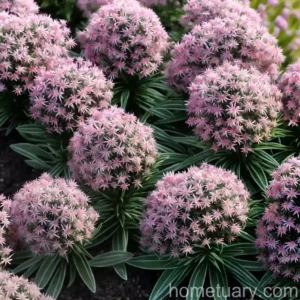
Rhododendron catawbiense, commonly known as Catawba Rosebay, is a species of Rhododendron native to the eastern United States. This evergreen shrub belongs to the heath family (Ericaceae) and is renowned for its stunning flowers and lush, dark green foliage. The plant thrives in acidic soils and is often found in woodland areas and along streams in its natural habitat.
In this comprehensive guide, we will delve into the various aspects of caring for Rhododendron catawbiense, exploring its culture, uses, optimal growing conditions, common diseases, and much more. Whether you’re a seasoned gardener or a novice enthusiast, this guide will equip you with the knowledge and insights needed to cultivate and maintain this remarkable plant successfully.
Key Takeaways – Rhododendron Catawbiense (Catawba Rosebay)
Before we dive into the specifics of growing and caring for Rhododendron catawbiense, let’s highlight some key takeaways about this fascinating plant:
Culture
- Rhododendron catawbiense is an evergreen shrub that is prized for its elegant flowers and glossy foliage.
- It is a popular choice for landscaping and is often used in woodland gardens, borders, and mixed shrubbery.
Uses
- This species is valued for its ornamental beauty, making it a favored option for adding color and visual interest to gardens and landscapes.
- The flowers of Rhododendron catawbiense are a source of nectar for pollinators, contributing to the biodiversity of the surrounding environment.
Water
- Adequate moisture is crucial for the health and vigor of Rhododendron catawbiense, especially during the establishment phase and periods of drought.
Sunlight
- While the plant appreciates dappled shade, it benefits from some direct sunlight, particularly in the morning or late afternoon.
Fertilizer
- Regular application of a balanced, acidic fertilizer promotes robust growth and vibrant blooms in Rhododendron catawbiense.
Soil
- Acidic, well-draining soil rich in organic matter is essential for cultivating healthy Catawba Rosebay plants.
Pruning
- Pruning is an important aspect of Rhododendron catawbiense care, and it helps maintain the plant’s shape, remove dead or damaged growth, and encourage prolific flowering.
Propagation
- Propagation of Rhododendron catawbiense is commonly achieved through methods such as hardwood cuttings and layering.
Container Popularity
- Due to its compact size and attractive appearance, Catawba Rosebay is suitable for growing in containers, allowing individuals with limited space to enjoy its beauty.
Now that we’ve outlined the key aspects of cultivating Rhododendron catawbiense, let’s delve into each of these factors in greater detail.
Water Needs of Rhododendron Catawbiense
Why Water Is Crucial for Rhododendron Catawbiense
Water is a vital component of plant care, and Rhododendron catawbiense is no exception. Adequate moisture levels are essential for the health and vitality of Catawba Rosebay, particularly during critical growth stages and times of environmental stress.
Water Requirements
- Establishment Phase: When initially planting Rhododendron catawbiense, it is important to ensure that the soil remains consistently moist to support root establishment. Regular, deep watering should be provided, especially during dry spells, to promote healthy growth.
- Mature Plants: Established Catawba Rosebay shrubs require regular watering, especially during periods of drought or extreme heat. While the plant is relatively tolerant of moist soils, it is essential to avoid waterlogging, which can lead to root rot and other issues.
Best Watering Practices
- Water deeply and infrequently to encourage the development of a robust root system. Shallow, frequent watering can lead to shallow root growth and make the plant more susceptible to stress during dry periods.
- Mulching the soil around Rhododendron catawbiense helps retain soil moisture and minimizes water loss through evaporation. Organic mulches such as pine bark or wood chips are particularly effective in enhancing moisture retention.
Signs of Water Stress
- Prolonged periods of inadequate water may result in symptoms of water stress, including wilted or curled foliage, reduced growth, and a decline in flowering.
Overwatering Caution
- While maintaining adequate moisture is crucial, it is equally important to avoid overwatering Rhododendron catawbiense. Waterlogged soils can lead to root rot, which can compromise the plant’s health and vigor.
Sunlight Requirements for Rhododendron Catawbiense
The Importance of Sunlight for Catawba Rosebay
Proper sunlight exposure plays a pivotal role in the growth, flowering, and overall health of Rhododendron catawbiense. While the plant thrives in partially shaded environments, it benefits from receiving some direct sunlight, particularly in the morning or late afternoon.
Sunlight Guidelines
- Optimal Conditions: In its natural habitat, Rhododendron catawbiense is often found growing under the dappled shade of deciduous trees. When cultivated in home landscapes, it is best suited for locations that offer partial shade or filtered sunlight.
- Morning Sun: The gentle sunlight in the morning is beneficial for Rhododendron catawbiense. It helps to drive photosynthesis and provides the plant with the energy it needs for growth and flowering.
- Avoiding Harsh Afternoon Sun: While the plant can tolerate some direct sunlight, it is important to shield it from the intense midday sun, especially in warmer climates. Excessive heat and intense sunlight can cause stress and lead to leaf scorching and reduced flowering.
Finding the Right Spot
- When selecting a planting location for Catawba Rosebay, aim for areas with filtered sunlight, such as the east or west side of buildings, or beneath the canopy of larger trees.
Monitoring Sun Exposure
- Keep an eye on the plant’s response to sunlight. If you notice signs of leaf burn or stress, consider providing additional shade or relocating the plant to a more suitable spot.
Fertilizing Rhododendron Catawbiense
The Role of Fertilization in Plant Health
Proper fertilization is essential for nurturing healthy, vibrant Catawba Rosebay plants. By providing essential nutrients, fertilizers support robust growth and contribute to the development of vigorous foliage and abundant blooms.
Fertilizer Guidelines
- Balanced Formulas: Select a high-quality, balanced fertilizer specifically formulated for acid-loving plants. Look for products designed for Azaleas, Rhododendrons, or Camellias, as these typically cater to the specific nutritional needs of Rhododendron catawbiense.
- Acidic pH: Ensure that the fertilizer you use is designed for use in acidic soils, as Rhododendron catawbiense thrives in pH levels between 4.5 and 6.0. Fertilizers with a lower pH are ideal for maintaining the acidity required by the plant.
Application Timing
- Spring Feeding: Apply a slow-release, granular fertilizer in early spring as new growth appears. This provides the plant with the nutrients it needs for the upcoming growing season.
- Avoid Late Feeding: Refrain from fertilizing Catawba Rosebay in late summer or fall, as this can stimulate late-season growth that may not have sufficient time to harden before winter, making the plant more susceptible to cold damage.
Prudent Fertilizer Application
- Follow the manufacturer’s guidelines for application rates and methods, and avoid over-fertilizing, which can lead to salt buildup in the soil and potentially harm the plant.
Nutrient Monitoring
- Pay attention to the plant’s response to fertilization. If you observe signs of nutrient deficiency or excess, adjust your fertilization practices accordingly.
Ideal Soil Conditions for Rhododendron Catawbiense
Understanding the Importance of Soil Quality
The soil in which Rhododendron catawbiense is grown significantly influences its overall health, growth, and flowering capabilities. As an acid-loving plant, Catawba Rosebay thrives in well-draining, acidic soils that are rich in organic matter.
Soil Composition
- Acidic pH: Rhododendron catawbiense prefers soils with a pH range of 4.5 to 6.0. Soil acidity influences nutrient availability and directly impacts the plant’s ability to absorb essential minerals.
- Organic Matter: Amending the soil with organic materials such as peat moss, pine bark, or compost helps enhance its structure, moisture retention, and nutrient content, creating an optimal environment for Catawba Rosebay to thrive.
Drainage Considerations
- Adequate soil drainage is crucial for preventing waterlogging, which can lead to root rot and other issues. Avoid heavy, clay-rich soils that may impede water movement and cause excessive moisture retention around the plant’s roots.
Testing and Amending Soil
- Conduct a soil test to assess the pH and nutrient levels of the planting site. If necessary, amend the soil to achieve the ideal pH range for Rhododendron catawbiense using elemental sulfur or other soil acidifiers.
Mulching Benefits
- Mulching the soil surface around Rhododendron catawbiense provides several important benefits, including moisture retention, weed suppression, and the gradual enrichment of the soil as the mulch breaks down.
Soil Maintenance
- Periodically assess the condition of the soil and make adjustments as needed to ensure that it continues to provide an optimal growing medium for Catawba Rosebay.
Pruning Techniques for Rhododendron Catawbiense
The Importance of Pruning
Pruning plays a crucial role in maintaining the health, shape, and vigor of Rhododendron catawbiense. By selectively removing dead, damaged, or overgrown branches, as well as spent flowers, pruning helps promote a tidy appearance and encourages abundant flowering.
Pruning Goals
- Removing Deadwood: Regularly inspect the plant for dead or diseased branches and promptly prune them to prevent the spread of disease and enhance the plant’s overall appearance.
- Promoting Air Circulation: Thinning out crowded or crossing branches helps improve air circulation within the plant, reducing the risk of fungal diseases and promoting healthy growth.
- Encouraging Flowering: Pruning after flowering can stimulate the development of new growth and flower buds, ensuring a profusion of blooms in the following season.
Best Pruning Practices
- Timing: The best time to prune Rhododendron catawbiense is shortly after it has finished flowering, typically in early to mid-summer. Early pruning allows sufficient time for new growth to develop and flower buds to set for the following year.
- Pruning Tools: Use sharp, clean pruners or shears to make precise cuts, minimizing the risk of damage to the plant tissue. Disinfecting tools between cuts can help prevent the spread of pathogens.
Shaping and Size Control
- Depending on your landscape preferences, Catawba Rosebay can be pruned to maintain a compact, rounded form or to encourage a more open, natural appearance.
Rejuvenation Pruning
- In cases where the plant has become overgrown or has developed a dense, congested canopy, rejuvenation pruning can be employed to revitalize Rhododendron catawbiense. This involves the selective removal of older, thicker branches to encourage new, more vigorous growth.
Vigilance in Pruning
- Regularly monitor the plant for areas that require pruning and address them promptly to maintain the health and aesthetics of Rhododendron catawbiense.
Propagating Rhododendron Catawbiense
Understanding Propagation Methods
Propagating Rhododendron catawbiense allows for the expansion of your plant collection and the sharing of this beautiful species with fellow gardening enthusiasts. Several methods, such as hardwood cuttings and layering, can be employed to propagate Catawba Rosebay successfully.
Propagation Techniques
- Hardwood Cuttings: Select healthy, non-flowering branches and use them to create hardwood cuttings. These cuttings are typically collected in late autumn or early winter and then placed in a suitable propagation medium to develop roots.
- Layering: Layering involves encouraging a stem to produce roots while still attached to the parent plant. Once the roots have developed, the new plant can be separated and transplanted.
Rooting Hormones
- Applying a rooting hormone to the cut ends of hardwood cuttings can stimulate the development of roots, improving the success rate of propagation.
Ideal Propagation Time
- Engage in propagation activities during the appropriate season for each method, ensuring that the young plants have ample time to establish themselves before the onset of unfavorable conditions.
Patience and Monitoring
- Propagation requires patience and vigilance, as it may take some time for the new plants to establish themselves. Monitor the progress of the propagated plants, providing them with the care and attention they need to thrive.
Sharing the Joy
- Once the propagated plants have become established, share the beauty of Catawba Rosebay with friends, family, or local gardening communities, spreading the joy of cultivating this remarkable species.
Cultivating Rhododendron Catawbiense in Containers
Container Gardening Benefits
Growing Rhododendron catawbiense in containers offers several advantages, particularly for individuals with limited outdoor space. Container gardening allows for the cultivation of Catawba Rosebay on patios, balconies, and other confined areas, bringing its beauty and charm to diverse environments.
Selecting the Right Containers
- Choose containers that are sufficiently sized to accommodate the root system of Rhododendron catawbiense and provide ample room for growth. Select pots with drainage holes to ensure proper moisture management.
Potting Mix Considerations
- Utilize a well-draining, acidic potting mix designed for acid-loving plants when cultivating Catawba Rosebay in containers. Avoid heavy, compacted potting mixes that can impede water movement and root development.
Watering Needs
- Container-grown plants often require more frequent watering than those planted in the ground, as the soil in pots tends to dry out more rapidly. Monitor the soil moisture closely, ensuring that it remains consistently moist but not waterlogged.
Sunlight Requirements
- Position the containers in locations that provide partial shade and filtered sunlight, shielding the plants from the intense afternoon sun. Remember that the sun exposure needs of container-grown Rhododendron catawbiense may differ from those planted directly in the ground.
Seasonal Considerations
- During the winter months, container-grown plants may be more susceptible to cold temperatures. Provide adequate protection and insulation to shield Catawba Rosebay from potential frost damage.
Maintenance and Repotting
- Regularly assess the condition of the containers, repotting the plants as needed to prevent root binding and maintain their health and vitality.
Container Gardening Joy
- Embrace the versatility and charm of container gardening, enjoying the beauty of Rhododendron catawbiense in a compact, mobile form.
Popularity of Rhododendron Catawbiense
Landscaping Appeal
Rhododendron catawbiense is highly regarded for its ornamental beauty, and it is a sought-after choice for enhancing the visual appeal of gardens and landscapes. Its striking flowers and lush, evergreen foliage make it a valuable addition to diverse planting schemes.
Woodland Gardens
- Catawba Rosebay is particularly well-suited for woodland gardens, where its natural appearance and shade tolerance complement the serene, wooded environment.
Versatile Uses
- From borders and mixed shrubbery to foundation plantings and mass plantings, Rhododendron catawbiense lends itself to a wide array of landscaping compositions, adding color, texture, and visual interest to various settings.
Environmental Contributions
- The flowers of Rhododendron catawbiense are a source of nectar for pollinators, contributing to the biodiversity of the surrounding environment. By supporting local wildlife, the plant enhances the ecological value of its habitat.
Gardeners’ Favorite
- Cultivators and gardeners value Catawba Rosebay for its reliability, low maintenance requirements, and dependable performance in the landscape, making it a beloved choice for both enthusiasts and professionals.
Cultivating Enthusiasm
- Share your passion for Rhododendron catawbiense with fellow gardening enthusiasts, inspiring others to discover and appreciate the remarkable qualities of this captivating species.
Common Diseases of Rhododendron Catawbiense
Recognizing Disease Risk
While resilient and generally low-maintenance, Rhododendron catawbiense is susceptible to certain diseases and health issues. Understanding the common diseases that can affect Catawba Rosebay equips cultivators with the knowledge needed to prevent, identify, and address potential challenges.
Disease Diagnosis
- Phytophthora Root Rot: This fungal disease can cause the plant to exhibit symptoms such as wilting, yellowing, and stunted growth. It often manifests in waterlogged or poorly drained soils.
- Powdery Mildew: A fungal infection that leads to the development of a white, powdery coating on the foliage. Powdery mildew can compromise the overall health and aesthetics of Rhododendron catawbiense.
- Leaf Spot Diseases: Various fungi and bacteria can cause leaf spotting, browning, or yellowing, affecting the appearance and vigor of the plant.
Preventive Practices
- Prudent Watering: Avoid waterlogging and ensure proper soil drainage to mitigate the risk of Phytophthora root rot.
- Air Circulation: Promote good air circulation around the plant by spacing Catawba Rosebay appropriately and avoiding overcrowding with other vegetation.
- Pruning Protocol: Prune out and promptly dispose of dead or diseased plant parts to prevent the spread of leaf spot diseases.
Monitoring and Vigilance
- Regularly inspect Rhododendron catawbiense for signs of disease, promptly addressing any issues that arise to preserve the plant’s health and vitality.
Professional Consultation
- When in doubt about disease diagnosis or management strategies, consult with local horticultural experts, extension services, or plant health specialists for guidance and support.
Common Pests Affecting Rhododendron Catawbiense
Pest Vulnerability
While generally resilient, Rhododendron catawbiense can occasionally fall victim to various pests that seek to feed on its foliage, sap, or other plant parts. Understanding the common pests that affect Catawba Rosebay enables cultivators to implement proactive measures to protect their plants.
Pest Profile
- Azalea Lace Bug: These small, winged insects can cause chlorotic speckling on the foliage, leading to a decline in the plant’s overall health and aesthetic appeal.
- Spider Mites: Infestations by spider mites may cause webbing, stippling, and browning of the foliage, signaling their destructive activity on the plant.
- Weevils: Certain weevil species may feed on the foliage of Rhododendron catawbiense, causing notching and