Styrax japonicus (Japanese Snowbell): A Complete Guide to Care, Cultivation, and Landscape Uses
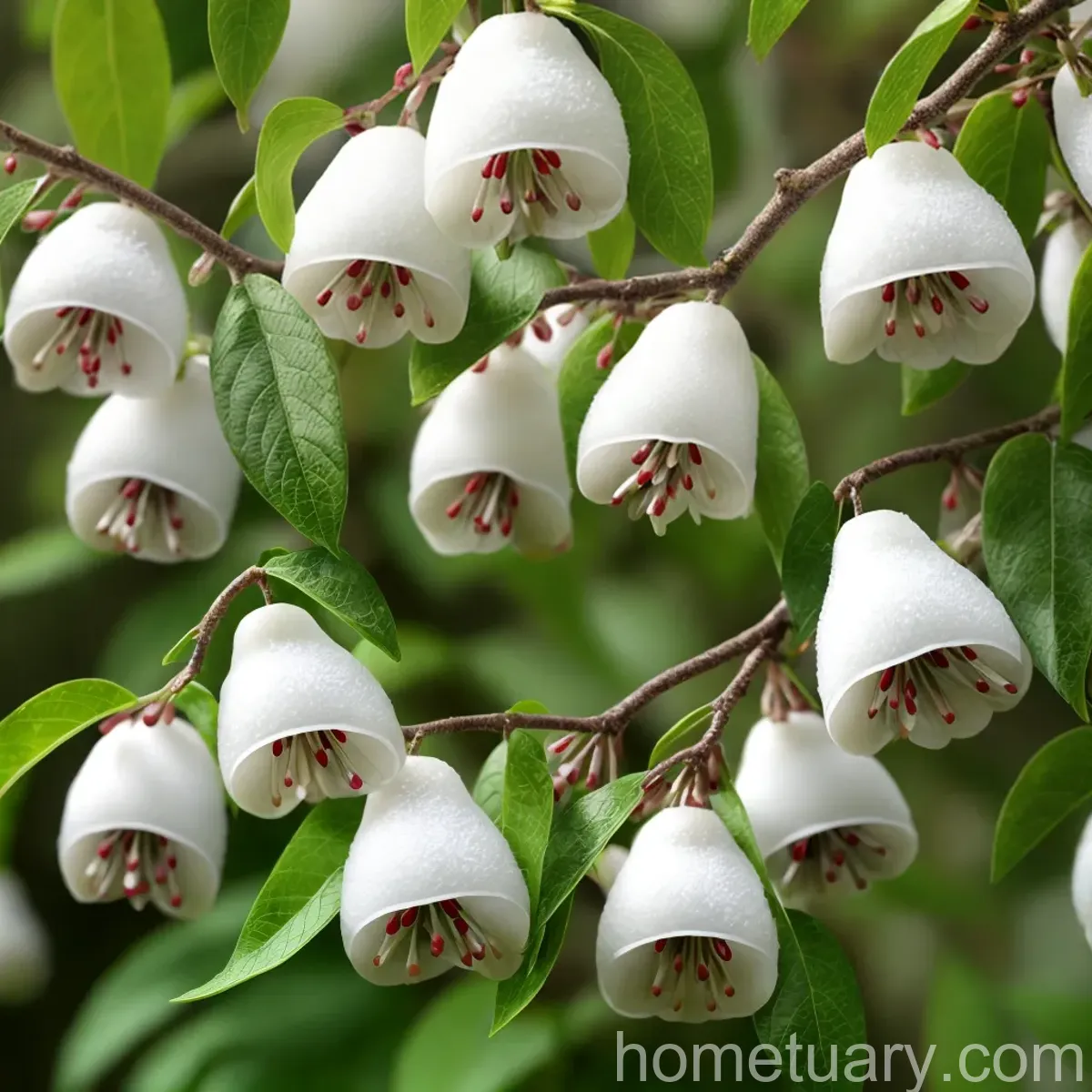
Styrax japonicus, commonly known as the Japanese Snowbell, is a stunning ornamental tree that is native to East Asia, particularly Japan and China. Its graceful, drooping branches, adorned with fragrant white bells-like flowers, make it a popular choice for gardens, parks, and landscapes. In this comprehensive guide, we will delve into everything you need to know about the care, cultivation, and landscape uses of Styrax japonicus.
What is Styrax japonicus?
Styrax japonicus is a species of flowering plant in the family Styracaceae. It is a deciduous tree that typically grows to a height of 20 to 30 feet, with a spread of 15 to 25 feet. The Japanese Snowbell is known for its unique shape, with a broad, rounded crown and gracefully drooping branches that give it an elegant and picturesque appearance.
Key Takeaways – Styrax japonicus (Japanese Snowbell)
Before we delve into the specifics of caring for and cultivating the Japanese Snowbell, let’s take a look at the key takeaways that we will explore in this guide:
- Culture
- Uses
- Water
- Sunlight
- Fertilizer
- Soil
- Pruning
- Propagation
- Container Popularity
- Container Common Diseases
- Disease Diagnosis
- Common Pests
- Botanist’s Tips
- Fun Facts
- Links to External Resources
Now, let’s explore each of these aspects in detail.
Culture
Styrax japonicus has a rich cultural significance in its native regions of Japan and China. In Japanese culture, the tree is revered for its beauty and featured in traditional art and poetry. It is also valued for its fragrant flowers, which have been associated with purity and elegance in Japanese aesthetics.
Uses
The Japanese Snowbell has several uses, including:
- Ornamental Purposes: It is primarily cultivated for its ornamental value, adding grace and beauty to gardens, parks, and landscapes.
- Aromatic Qualities: The fragrant flowers of Styrax japonicus make it a popular choice for aromatic gardens and spaces.
- Wildlife Habitat: The tree provides habitat and food for various wildlife, including birds and insects.
Water
When it comes to watering Styrax japonicus, it is important to ensure adequate moisture, especially during the tree’s establishment phase. However, it is also crucial to avoid waterlogging, as the tree prefers well-drained soil. Once established, the Japanese Snowbell is moderately drought-tolerant but benefits from occasional deep watering during prolonged dry spells.
Sunlight
Styrax japonicus thrives in partial shade to full sun. It is adaptable to various light conditions, but it tends to perform best in locations with dappled shade or morning sun with afternoon shade, particularly in warmer climates.
Fertilizer
Proper fertilization is essential for the healthy growth and flowering of Styrax japonicus. A balanced, slow-release fertilizer applied in early spring can provide the tree with the nutrients it needs to support lush foliage and abundant blooms. It is important to follow the manufacturer’s recommendations regarding the application rates for specific fertilizers.
Soil
The Japanese Snowbell prefers well-drained, slightly acidic soil with a pH range of 5.5 to 6.5. It is adaptable to various soil types, including loamy and sandy soils, as long as they provide good drainage. Incorporating organic matter into the soil at the time of planting can improve its fertility and texture, promoting the healthy establishment of the tree.
Pruning
Pruning is an essential aspect of Styrax japonicus care, as it helps maintain the tree’s shape, remove dead or diseased wood, and encourage healthy growth. Pruning is best done in late winter to early spring before the tree enters its active growing season. It is important to use sharp, sterile tools and follow proper pruning techniques to minimize the risk of damage and promote optimal healing.
Propagation
Styrax japonicus can be propagated through various methods, including:
- Seed Propagation: Growing Japanese Snowbell from seeds is possible, but it may take several years for the tree to reach maturity and start flowering.
- Cutting Propagation: Softwood or hardwood cuttings can be taken from healthy, established trees and rooted to produce new plants.
- Grafting: Budding or grafting onto compatible rootstocks can also be used to propagate specific varieties of Styrax japonicus.
Container Popularity
The compact size and ornamental beauty of Styrax japonicus make it an excellent candidate for container cultivation. Growing the Japanese Snowbell in containers allows gardeners with limited space to enjoy its beauty on patios, balconies, and small gardens.
Container Common Diseases
When cultivating Styrax japonicus in containers, it is important to be mindful of potential diseases such as root rot and fungal infections. Proper watering practices, well-draining soil, and adequate air circulation can help mitigate the risk of these diseases.
Disease Diagnosis
While Styrax japonicus is relatively resistant to pests and diseases, it may occasionally encounter issues such as powdery mildew or leaf spot diseases. Prompt diagnosis and appropriate treatment, such as fungicidal sprays or cultural practices, can help manage these issues effectively.
Common Pests
The Japanese Snowbell is relatively resistant to pest infestations. However, it may attract occasional insect visitors such as aphids or scales. Regular monitoring and the use of natural predators or horticultural oils can help control pest populations without the need for chemical treatments.
Botanist’s Tips
As a plant scientist, I highly recommend the following tips for the optimal care and cultivation of Styrax japonicus:
- Observation: Regularly observe the tree for signs of stress, disease, or pest activity to address any issues promptly.
- Mulching: Apply a layer of organic mulch around the base of the tree to conserve moisture, regulate soil temperature, and suppress weed growth.
- Adequate Spacing: When planting multiple Japanese Snowbell trees, provide adequate spacing to allow for proper air circulation and prevent overcrowding.
Fun Facts
To enhance your appreciation of Styrax japonicus, here are some fascinating and lesser-known facts about the Japanese Snowbell:
- The flowers of Styrax japonicus are not only visually appealing but also emit a sweet, fragrant scent that adds to their allure.
- The wood of the Japanese Snowbell tree has been used in traditional woodworking, particularly for crafting small utensils and decorative items.
Links to External Resources
Explore the following resources to further enrich your knowledge of Styrax japonicus (Japanese Snowbell):
- The Royal Horticultural Society – Styrax japonicus
- Missouri Botanical Garden – Styrax japonicus
- American Conifer Society – Styrax japonicus
- The Morton Arboretum – Styrax japonicus
In conclusion, Styrax japonicus, or the Japanese Snowbell, is a captivating and versatile tree that holds a special place in horticulture and landscape design. With proper care, cultivation, and an understanding of its landscape uses, the Japanese Snowbell can thrive and grace outdoor spaces with its charm and natural beauty.
Whether you are considering adding a Japanese Snowbell to your garden or seeking to expand your knowledge of ornamental trees, the diverse aspects of Styrax japonicus offer valuable insights into the world of horticulture and the cultivation of exquisite botanical specimens.
Styrax japonicus is a remarkable testament to the beauty and diversity of the plant kingdom, and its presence in gardens and landscapes serves as a source of inspiration and admiration for nature’s boundless creations.
Keywords: Styrax japonicus care, Japanese Snowbell tree, Styrax japonicus cultivation, Growing Japanese Snowbell, Styrax japonicus varieties, Japanese Snowbell flowers, Styrax japonicus pruning, Japanese Snowbell tree facts, Styrax japonicus planting tips, Japanese Snowbell tree care guide, Styrax japonicus propagation, Japanese Snowbell tree maintenance, Styrax japonicus landscape uses, Japanese Snowbell tree diseases, Styrax japonicus soil requirements, Japanese Snowbell tree characteristics, Styrax japonicus watering needs, Japanese Snowbell tree benefits, Styrax japonicus growth rate, Japanese Snowbell tree zone, Styrax japonicus landscape design, Japanese Snowbell tree pests, Styrax japonicus companion plants, Japanese Snowbell tree lifespan, Styrax japonicus pruning techniques, Japanese Snowbell tree planting instructions, Styrax japonicus flower colors, Japanese Snowbell tree size, Styrax japonicus sunlight requirements, Japanese Snowbell tree bloom time, Styrax japonicus fragrant flowers, Japanese Snowbell tree hardiness, Styrax japonicus pollinators, Japanese Snowbell tree leaves, Styrax japonicus decorative features, Japanese Snowbell tree pest control, Styrax japonicus winter care, Japanese Snowbell tree root system, Styrax japonicus wildlife habitat, Japanese Snowbell tree pruning season, Styrax japonicus fall color, Japanese Snowbell tree landscape ideas, Styrax japonicus container gardening, Japanese Snowbell tree bonsai, Styrax japonicus flower arrangement, Japanese Snowbell tree planting depth, Styrax japonicus summer care, Japanese Snowbell tree spring growth, Styrax japonicus medicinal uses, Japanese Snowbell tree wood properties.