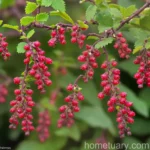
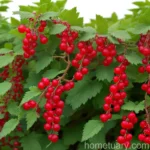
All About Red Currant (Ribes rubrum ‘Rovada’)
Introduction
Red currant, scientifically known as Ribes rubrum ‘Rovada’, is a popular variety of currant appreciated for its tart flavor and vibrant red berries. In this comprehensive guide, we will delve into the various aspects of cultivating and caring for the red currant ‘Rovada’ variety, from its culture and uses to water, sunlight, fertilizer, soil, pruning, propagation, and more. Additionally, we will explore common diseases, pests, and provide botanist tips for maintaining healthy and productive red currant plants.
What is Red Currant (Ribes rubrum ‘Rovada’)?
The red currant ‘Rovada’, a cultivar of Ribes rubrum, is a deciduous shrub that belongs to the Grossulariaceae family. It is valued not only for its delicious berries but also for its ornamental appeal, making it a popular choice for home gardens and landscapes. The ‘Rovada’ variety is particularly favored for its long and flavorful fruiting season, and it is known for its disease resistance compared to other red currant varieties.
Key Takeaways
Before delving into the specifics of red currant ‘Rovada’, it’s important to highlight the key takeaways associated with this particular variety. These key points will form the basis of our exploration and provide comprehensive insights into cultivating and caring for red currant ‘Rovada’ plants.
- Plant Name: Red Currant (Ribes rubrum ‘Rovada’)
- Variety: Rovada
- Species: Ribes rubrum
- Type: Deciduous shrub
- Family: Grossulariaceae
- Flavor: Tart
- Color: Vibrant red berries
- Characteristics: Disease-resistant, long fruiting season
Now, let’s explore the fundamental aspects of growing and maintaining the red currant ‘Rovada’ variety.
Culture
Uses
Red currant ‘Rovada’ serves a variety of purposes, ranging from culinary and medicinal to its ornamental value in landscaping and gardens. Here are some common uses of the Ribes rubrum ‘Rovada’:
- Culinary Delights: The tangy and flavorful berries of red currants are perfect for making jams, jellies, sauces, and even desserts such as pies and tarts.
- Nutritional Value: Red currants are rich in vitamin C, antioxidants, and other beneficial nutrients, making them a valuable addition to a balanced diet.
- Ornamental Appeal: The ‘Rovada’ variety’s lush foliage and clusters of bright red berries add visual interest and color to garden landscapes.
Water
Proper watering is crucial for the health and productivity of red currant ‘Rovada’ plants. These plants have moderate water needs and should be watered consistently to keep the soil evenly moist, particularly during the fruiting season. However, it’s important to avoid waterlogging the soil, which can lead to root rot and other moisture-related issues.
Sunlight
Red currants thrive in full sun to partial shade, preferring at least 6-8 hours of direct sunlight daily. Adequate sunlight promotes fruit production and overall plant vigor. However, in hotter climates, they may benefit from partial shade during the hottest part of the day to prevent stress and sunscald on the foliage and fruits.
Fertilizer
Fertilizing red currant ‘Rovada’ plants is essential for supporting their growth and fruiting capabilities. A balanced fertilizer with higher potassium content is ideal for promoting healthy fruit development. Applying fertilizer in early spring before new growth appears and again after the fruit begins to set can help ensure ample nutrients for the plants.
Soil
Red currants prefer well-draining, slightly acidic soil with a pH range of 5.5 to 6.5. Amending the soil with organic matter such as compost or well-rotted manure can improve its drainage and nutrient content, providing an optimal growing medium for red currant ‘Rovada’ plants.
Pruning
Proper pruning is crucial for maintaining the health, shape, and productivity of red currant ‘Rovada’ plants. Pruning should be performed during the dormant season in late winter to early spring, before new growth begins. Here are key considerations for pruning red currant bushes:
- Remove Old Wood: Prune out old, non-productive wood to encourage new growth and fruiting wood.
- Thinning: Thin out overcrowded branches to improve air circulation and light penetration, reducing the risk of disease and promoting optimal fruit development.
- Height Control: Manage the height of the bushes by pruning back excessively tall or leggy branches, promoting a compact and manageable growth habit.
Propagation
Red currants can be propagated through various methods, including hardwood cuttings, softwood cuttings, and layering. Here’s an overview of the propagation techniques commonly used for red currant ‘Rovada’ plants:
- Hardwood Cuttings: Gather hardwood cuttings in late winter and plant them in a prepared nursery bed. Keep the soil consistently moist to encourage the development of new roots.
- Softwood Cuttings: Softwood cuttings can be taken in early summer and rooted in a well-draining propagation medium under controlled conditions.
- Layering: Air layering or simple ground layering can be utilized to encourage the formation of roots on the stems, leading to new plants.
Container Popularity
Growing red currant ‘Rovada’ in containers is becoming increasingly popular, particularly for gardeners with limited space or those seeking to control the growing conditions of the plants. Container gardening allows for greater flexibility in terms of mobility and placement, making it an attractive option for urban and suburban gardeners.
Container Common Diseases
While growing red currant ‘Rovada’ in containers can offer advantages such as enhanced control over the growing environment, there are potential disease challenges that container-grown plants may face. Common diseases that can affect red currants in containers include:
- Powdery Mildew: This fungal disease can develop in humid conditions and cause a powdery white growth on the leaves and stems.
- Anthracnose: A fungal disease that leads to the development of dark, sunken lesions on the berries and foliage, impacting plant health and fruit quality.
Disease Diagnosis
Diagnosing and addressing diseases in red currant ‘Rovada’ plants is crucial for maintaining their health and productivity. Common symptoms of diseases in red currants include leaf discoloration, wilting, unusual growths on the foliage or stems, and changes in fruit appearance. Proper diagnosis of the specific disease is essential for implementing targeted treatment and prevention measures.
Common Pests
Red currants are susceptible to various pests that can impact their growth and fruiting. Some common pests that may affect red currant ‘Rovada’ plants include:
- Aphids: Small, sap-sucking insects that can distort new growth and cause leaf curling and yellowing.
- Spider Mites: These tiny pests can infest the foliage, leading to stippled discoloration and webbing on the leaves.
- Caterpillars: Certain caterpillar species may feed on the leaves and fruits, causing visible damage to the plant.
Botanist’s Tips
To cultivate thriving red currant ‘Rovada’ plants, here are some expert tips from botanists and experienced growers:
- Monitor Moisture Levels: Pay close attention to soil moisture and avoid overwatering or allowing the soil to dry out excessively.
- Regular Inspections: Conduct regular inspections of the plants to detect signs of diseases or pest infestations early, allowing for prompt intervention.
- Mulching: Apply a layer of organic mulch around the base of the plants to conserve soil moisture, suppress weed growth, and maintain a stable root zone temperature.
Fun Facts
- Red currant ‘Rovada’ plants are known to attract pollinators such as bees, making them beneficial for supporting local biodiversity.
- The bright red berries of the ‘Rovada’ variety add a splash of color to garden landscapes and can be a focal point in ornamental plantings.
Links to External Resources
Here are some helpful external resources for further information on red currant ‘Rovada’:
- The Royal Horticultural Society: Ribes rubrum ‘Rovada’
- University of California Integrated Pest Management Program: Currant and Gooseberry Pest Management Guidelines
- Pennsylvania State University Extension: Growing Currants and Gooseberries in the Home Garden
In conclusion, red currant ‘Rovada’ is a rewarding plant to grow, offering flavorful fruits, ornamental appeal, and the potential for container gardening. By understanding its specific cultural needs, disease resistance, and propagation methods, gardeners can successfully cultivate and enjoy the bountiful harvest of this delightful red currant variety. With proper care and attention, red currant ‘Rovada’ can be a valuable addition to home gardens and landscapes, providing an abundance of tangy berries and visual interest throughout the growing season.