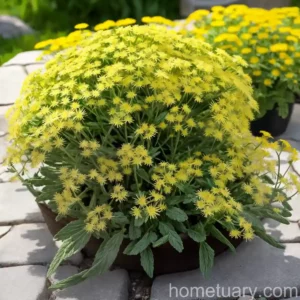
Mexican Hat Plant (Ratibida columnifera): A Comprehensive Guide
Plants are an integral part of our environment, playing a crucial role in the ecosystem, food chain, and even the economy. Among the diverse array of plant species, the Mexican hat plant, scientifically known as Ratibida columnifera, stands out for its distinctive appearance and versatile uses. In this comprehensive guide, we will delve into the intriguing world of the Mexican hat plant, exploring its characteristics, cultivation, uses, and much more.
What is Plant: Mexican Hat Plant (Ratibida columnifera)?
The Mexican hat plant, Ratibida columnifera, is a stunning wildflower native to North America, particularly prevalent in the central and western regions of the continent. Also known as the prairie coneflower, upright prairie coneflower, and long-headed coneflower, this resilient and adaptable plant belongs to the Asteraceae family. The genus name “Ratibida” is derived from the Latin word “ratum” meaning “broken,” in reference to the somewhat irregular petals of the flower, while “columnifera” pertains to the column-like center or disk of the flower. Mexican hat plants are often found in open prairies, meadows, and along roadsides, adding a splash of vibrant color to the landscape.
Key Takeaways – Mexican Hat Plant (Ratibida columnifera)
Before we dive deeper into the world of the Mexican hat plant, let’s take a look at some key takeaways that will guide our exploration through its various aspects:
- Common Name: Mexican Hat Plant
- Scientific Name: Ratibida columnifera
- Family: Asteraceae
- Native Range: North America
- Characteristics: Unique sombrero-shaped flowers, drought-tolerant, attracts pollinators
- Cultivation: Suitable for containers, requires well-draining soil, resilient in various climates
Now, let’s explore the different facets of the Mexican hat plant, from its cultural significance to its uses in gardening and beyond.
Culture: Mexican Hat Plant (Ratibida columnifera)
Understanding the cultural requirements of the Mexican hat plant is crucial for nurturing its growth and ensuring its vigor. Proper cultural practices can help maximize the plant’s potential and contribute to its overall health and resilience. Here are the key cultural aspects to consider when growing Mexican hat plants:
Uses
The Mexican hat plant holds various uses, ranging from its ornamental value in landscaping to its ecological significance in supporting wildlife and biodiversity. Some of the primary uses of the Mexican hat plant include:
- Ornamental Planting: Mexican hat plants are popular choices for naturalistic or wildflower gardens, adding a splash of vibrant color and unique flower form to the landscape.
- Wildlife Attraction: The nectar-rich flowers of the Mexican hat plant attract a diverse array of pollinators, including bees, butterflies, and hummingbirds, contributing to the ecological balance of the surrounding area.
- Cut Flowers: The distinctive flowers of the Mexican hat plant make for attractive cut flowers, suitable for floral arrangements and indoor decor.
The versatile uses of the Mexican hat plant underscore its value in both natural and cultivated settings, making it a desirable addition to gardens and landscapes.
Water
Water is a critical factor in the successful cultivation of Mexican hat plants. Understanding their water requirements is essential for maintaining their health and promoting robust growth. Mexican hat plants exhibit moderate drought tolerance once established, making them suitable for xeric or water-wise landscapes. Additionally, they thrive in well-draining soils, where excess water can easily escape, preventing waterlogged conditions that can be detrimental to the plant’s roots.
When cultivating Mexican hat plants, it is advisable to follow these watering guidelines:
- Establishment Phase: During the initial planting and establishment phase, Mexican hat plants benefit from regular watering to promote root development and acclimatization to the new environment.
- Mature Plants: Once established, Mexican hat plants can thrive with minimal supplemental watering, relying on natural precipitation and occasional irrigation during prolonged dry spells.
- Avoid Overwatering: It’s crucial to avoid overwatering Mexican hat plants, as excessive moisture can lead to root rot and other water-related issues. Instead, allow the soil to dry out between waterings, providing periodic deep watering as needed.
By adhering to these watering practices, gardeners can ensure the optimal hydration of Mexican hat plants, contributing to their long-term well-being.
Sunlight
Sunlight plays a pivotal role in the growth and flowering of Mexican hat plants. As native prairie inhabitants, Mexican hat plants are adept at thriving in full sun conditions, making them suitable choices for sun-drenched landscapes and garden settings.
Here are some key considerations regarding sunlight requirements for Mexican hat plants:
- Full Sun Exposure: Mexican hat plants thrive in full sun environments, where they receive at least 6-8 hours of direct sunlight per day. Placing them in sunny locations promotes strong, sturdy growth and abundant flowering.
- Tolerance to Heat: Mexican hat plants exhibit remarkable tolerance to high temperatures and intense sunlight, making them suitable for regions with hot, arid climates.
- Shade Intolerance: While Mexican hat plants excel in full sun conditions, they are less tolerant of shading, as inadequate sunlight can lead to reduced flowering and overall vigor.
Understanding and providing the appropriate sunlight conditions is crucial for maximizing the potential of Mexican hat plants and ensuring their overall health and performance.
Fertilizer
Fertilization plays a role in promoting the growth and blooming of Mexican hat plants, although they are relatively low-maintenance and can thrive without heavy fertilization. When it comes to feeding Mexican hat plants, using a balanced, slow-release fertilizer in the spring can provide the necessary nutrients for healthy growth and flowering.
Here are some guidelines for fertilizing Mexican hat plants:
- Balanced Fertilizer: A balanced, slow-release fertilizer with equal N-P-K (nitrogen, phosphorus, potassium) ratios is suitable for Mexican hat plants. Applying the fertilizer in early spring before the growing season can support robust growth and flowering.
- Minimal Fertilization: Mexican hat plants are adapted to nutrient-poor soils and can thrive with minimal fertilization. Excessive or frequent fertilization may lead to lush foliage at the expense of flowering.
- Organic Amendments: Incorporating organic matter such as well-aged compost or organic mulch around the base of Mexican hat plants can provide a gradual, natural source of nutrients as the organic material decomposes.
By following prudent fertilization practices, gardeners can provide the necessary nutrients for Mexican hat plants while respecting their natural adaptation to nutrient-poor conditions.
Soil
The soil composition and structure play a crucial role in the growth and development of Mexican hat plants. Understanding their soil preferences and providing suitable growing medium is essential for cultivating healthy and thriving plants.
Here are some key considerations regarding soil preferences for Mexican hat plants:
- Well-Draining Soil: Mexican hat plants thrive in well-draining soils that allow excess water to escape, preventing waterlogging and root rot. Sandy or loamy soils with good drainage are ideal for these plants.
- Poor-Fertility Tolerance: Mexican hat plants are adapted to nutrient-poor soils and can thrive in environments with low soil fertility. Rich or heavily amended soils may hinder their performance, leading to excessive foliage growth at the expense of flowering.
- Acidic to Neutral pH: Mexican hat plants prefer slightly acidic to neutral soil pH, ranging from 6.0 to 7.5. Conducting a soil test can help determine the pH of the growing medium and make necessary adjustments if needed.
By providing well-draining, slightly acidic to neutral soils, gardeners can create an optimal growing environment for Mexican hat plants, supporting their overall health and vitality.
Pruning
Pruning techniques play a role in shaping the growth, enhancing the appearance, and promoting the longevity of Mexican hat plants. While these plants generally require minimal pruning, occasional maintenance can help manage their size, remove spent flowers, and rejuvenate the foliage.
Here are some key aspects to consider when pruning Mexican hat plants:
- Deadheading: Removing spent flowers through deadheading can encourage additional blooming and prevent the plant from expending energy on seed production, promoting a prolonged flowering period.
- Seasonal Trimming: Performing light trimming or selective pruning in late winter or early spring can help rejuvenate the growth, remove dead or damaged foliage, and maintain an attractive plant form.
- Minimal Intervention: Mexican hat plants typically require minimal pruning beyond deadheading and seasonal maintenance, as their natural growth habit is well-suited to naturalistic or wildflower garden settings.
By incorporating strategic pruning practices, gardeners can manage the growth and appearance of Mexican hat plants, enhancing their beauty and vitality throughout the seasons.
Propagation
The propagation of Mexican hat plants offers the opportunity to expand their presence in the garden, share their beauty with others, and preserve their genetic diversity. While these plants readily self-seed in favorable conditions, gardeners can also propagate them through various techniques, including seed sowing and division.
Here are the primary methods for propagating Mexican hat plants:
- Seed Sowing: Mexican hat plants produce abundant seeds that can be collected and sown in prepared seedbeds or directly in the garden in fall or early spring. The seeds require exposure to cold stratification to break dormancy and germinate successfully.
- Division: Mature Mexican hat plants can be divided in early spring, separating the clumps into smaller sections with intact roots. Divisions can then be replanted in suitable locations to establish new plants.
By utilizing these propagation techniques, gardeners can propagate Mexican hat plants, perpetuating their beauty and ecological benefits in various garden settings.
Container Popularity
The Mexican hat plant’s distinctive appearance, adaptable nature, and drought tolerance make it a popular choice for container gardening. Cultivating Mexican hat plants in containers allows gardeners to enjoy their beauty on patios, balconies, and other confined spaces, providing versatility in garden design and landscape compositions.
Here are some reasons for the container popularity of Mexican hat plants:
- Space-Efficient: Mexican hat plants are well-suited for container growing, as their vertical growth habit and modest space requirements make them suitable for small or restricted areas.
- Versatile Design: Incorporating Mexican hat plants in containers offers an opportunity to introduce unique color and texture to outdoor spaces, enhancing the visual appeal of patios, decks, and other settings.
- Ease of Care: Container-grown Mexican hat plants are relatively low-maintenance, requiring well-draining soil, adequate sunlight, and minimal water once established.
By embracing container gardening with Mexican hat plants, gardeners can explore innovative ways to incorporate these striking wildflowers into various outdoor settings, adding a touch of natural beauty to confined spaces.
Container Common Diseases
While Mexican hat plants are generally resilient and less susceptible to common plant diseases, certain issues may arise in container-grown specimens, particularly related to moisture management, soil health, and environmental stress. Understanding the potential diseases and their management is essential for maintaining the vigor and longevity of Mexican hat plants in containers.
Here are some common diseases that may affect Mexican hat plants in containers:
- Root Rot: Excessive moisture and poor drainage in container soil can lead to root rot, causing wilting, yellowing leaves, and overall decline. Maintaining well-draining soil and avoiding overwatering are crucial for preventing root rot in container-grown Mexican hat plants.
- Powdery Mildew: High humidity and poor air circulation in confined spaces can contribute to powdery mildew infections on Mexican hat plants. Ensuring adequate airflow and minimizing humidity can help prevent this fungal disease.
- Crown and Stem Rot: Overly moist conditions, particularly during winter or rainy periods, can lead to crown and stem rot in container-grown Mexican hat plants. Proper soil drainage and ventilation are key to minimizing the risk of this disease.
By monitoring soil moisture, promoting good air circulation, and maintaining optimal growing conditions, gardeners can mitigate the risk of common diseases in container-grown Mexican hat plants, fostering their health and vitality.
Disease Diagnosis
Diagnosing and addressing potential diseases in Mexican hat plants requires attentive observation, prompt action, and suitable preventive measures. Timely identification of disease symptoms and proper management strategies are essential for preserving the health and beauty of container-grown Mexican hat plants.
Here are some guidelines for disease diagnosis and management in container-grown Mexican hat plants:
- Symptom Recognition: Familiarizing oneself with common disease symptoms such as wilting, discoloration, powdery coatings, and unusual growth patterns can aid in early disease detection.
- Cultural Practices: Maintaining suitable cultural practices such as proper watering, soil drainage, and sunlight exposure can help prevent disease occurrence and promote overall plant health.
- Integrated Pest and Disease Management: Employing integrated pest and disease management approaches, including biological controls, cultural practices, and, if necessary, targeted treatments, can help address disease issues while minimizing environmental impact.
By actively monitoring container-grown Mexican hat plants, implementing preventive measures, and responding promptly to potential disease concerns, gardeners can uphold the health and resilience of these striking wildflowers in container settings.
Common Pests
While Mexican hat plants are relatively resistant to pests, certain insect adversaries may occasionally target them, particularly in garden and landscape settings. Identifying potential pests and employing suitable control measures are essential for safeguarding the well-being and aesthetic appeal of Mexican hat plants.
Here are some common pests that may affect Mexican hat plants:
- Aphids: These tiny, sap-sucking insects may infest Mexican hat plants, causing distorted growth, chlorosis, and sticky honeydew accumulation. Natural predators such as ladybugs and lacewings can help manage aphid populations.
- Thrips: Thrips are slender, winged insects that may feed on the flowers and foliage of Mexican hat plants, leading to distorted growth and silvery stippling. Regular monitoring and, if necessary, targeted insecticidal treatments can help control thrips infestations.
- Caterpillars: Certain caterpillar species may feed on the foliage of Mexican hat plants, resulting in leaf damage and defoliation. Hand-picking caterpillars or employing biological control agents can help manage caterpillar populations without resorting to chemical interventions.
By staying vigilant, identifying potential pest issues, and implementing appropriate pest management strategies, gardeners can safeguard Mexican hat plants from pest-related damage, preserving their beauty and vitality.
Botanist’s Tips
As a plant scientist, I’d like to share some valuable tips and insights for cultivating Mexican hat plants, drawing upon scientific knowledge and practical experience. These botanist’s tips aim to provide guidance for fostering the optimal growth, health, and ecological value of Mexican hat plants in garden, landscape, and naturalistic settings.
Here are some botanist’s tips for growing Mexican hat plants:
- Native Plant Benefits: Embracing native wildflowers such as the Mexican hat plant offers numerous ecological benefits, including supporting local wildlife, conserving native plant diversity, and fostering resilient, regionally adapted landscapes.
- Pollinator Attraction: Mexican hat plants serve as valuable nectar sources for pollinators, contributing to the health and sustainability of local pollinator populations. By incorporating these plants in garden designs, enthusiasts can play a role in supporting pollinator habitats.
- Drought-Tolerant Landscaping: Given their moderate drought tolerance and adaptability to various soil types, Mexican hat plants are suitable candidates for xeric or water-wise landscapes, where they can thrive with minimal water and maintenance.
By leveraging these botanist’s tips, gardeners, landscape designers, and conservationists can advance the ecological and aesthetic value of Mexican hat plants, promoting their conservation and sustainable use in diverse settings.
Fun Facts
Delving into the world of Mexican hat plants uncovers several captivating and intriguing aspects that add depth to their allure. Here are some fun facts about Mexican hat plants that shed light on their unique characteristics and ecological significance:
- Pollinator Paradise: Mexican hat plants are prolific nectar sources for a diverse array of pollinators, including bees, butterflies, and hummingbirds, creating a buzzing and vibrant ecosystem around the flowering plants.
- Drought-Resilient Blooms: Despite their desert-like appearance, Mexican hat plants are adapted to thrive in dry conditions, exhibiting remarkable resilience and vibrant blooms during periods of limited water availability.
- Traditional Medicinal Uses: In indigenous cultures, the Mexican hat plant was utilized for various traditional medicinal purposes, including treatments for colds, fevers, and other ailments, reflecting its cultural and medicinal significance.
These fun facts add depth and intrigue to the captivating story of Mexican hat plants, highlighting their ecological, cultural, and aesthetic value within the natural world.
Links to External Resources
For more in-depth information, insights, and resources on the Mexican hat plant (Ratibida columnifera), I recommend exploring the following authoritative sources:
- Wildflowers of the United States – USDA
- Lady Bird Johnson Wildflower Center – University of Texas at Austin
- Native Plant Society of Texas
These external resources offer a wealth of botanical knowledge, conservation insights, and practical guidance for enthusiasts, researchers, and conservationists interested in the Mexican hat plant and its role in native landscapes.
Conclusion
The Mexican hat plant (Ratibida columnifera) stands as a remarkable example of native wildflowers, offering an array of ecological, cultural, and ornamental values. From its striking sombrero-shaped flowers to its resilience in diverse environments, the Mexican hat plant embodies the heritage and natural beauty of North American landscapes. By understanding its growth requirements, ecological significance, and versatile uses, enthusiasts, conservationists, and gardeners can celebrate and cultivate the inherent beauty of the Mexican hat plant, fostering its conservation and sustainable use in naturalistic, wildflower, and cultivated settings.
As we appreciate the Mexican hat plant’s unique charm and ecological contributions, let us continue to engage in the conservation and promotion of native wildflowers, preserving their legacy for future generations and enhancing the natural beauty of our landscapes.
NLP LSI Keywords:
1. Ratibida columnifera plant care
2. Ratibida columnifera growing tips
3. Mexican hat plant characteristics
4. Ratibida columnifera propagation
5. Best conditions for Mexican hat plant
6. Ratibida columnifera water requirements
7. Mexican hat plant pruning techniques
8. Ratibida columnifera soil preferences
9. Mexican hat plant sunlight needs
10. Ratibida columnifera flowering time
11. Mexican hat plant container gardening
12. Ratibida columnifera companion plants
13. Mexican hat plant medicinal uses
14. Ratibida columnifera wildlife value
15. Mexican hat plant garden design ideas
16. Ratibida columnifera drought resistance
17. Mexican hat plant pest control
18. Ratibida columnifera native habitat
19. Mexican hat plant disease prevention
20. Ratibida columnifera pollinator attractor
21. Mexican hat plant landscape uses
22. Ratibida columnifera seed saving
23. Mexican hat plant wildlife garden
24. Ratibida columnifera cutting propagation
25. Mexican hat plant fertilization methods
26. Ratibida columnifera naturalized areas
27. Mexican hat plant seasonal care
28. Ratibida columnifera garden maintenance
29. Mexican hat plant drought-tolerant landscaping
30. Ratibida columnifera native wildflower
31. Mexican hat plant pest-resistant varieties
32. Ratibida columnifera companion planting ideas
33. Mexican hat plant n