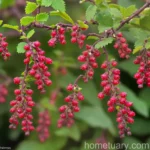
All About Red Currant (Ribes rubrum ‘Champagne Pink’)
Red currant (Ribes rubrum) is a deciduous shrub that belongs to the Grossulariaceae family. It’s known for producing clusters of translucent, edible berries that are often used in cooking, preserves, and beverages. The ‘Champagne Pink’ variety is particularly popular due to its unique pinkish-red fruits and ornamental value. In this comprehensive guide, we’ll dive into the cultivation, care, and uses of red currant ‘Champagne Pink,’ providing you with all the information you need to successfully grow and enjoy this delightful plant.
Plant Name: Red Currant (Ribes rubrum ‘Champagne Pink’)
Key Takeaways
Before we delve into the specifics, here are the key takeaways about the red currant ‘Champagne Pink’:
- Scientific Name: Ribes rubrum ‘Champagne Pink’
- Family: Grossulariaceae
- Cultivar: ‘Champagne Pink’
- Common Name: Red Currant
- Type: Deciduous shrub
- Fruit Color: Pinkish-red
- Hardiness Zone: 3-8
- Mature Height: 3-5 feet
- Sunlight: Full sun to partial shade
- Soil: Well-draining, fertile soil
- Water: Regular watering
- Uses: Culinary, ornamental
- Harvest Time: Summer
- Special Characteristics: Edible translucent berries, ornamental value
Now, let’s explore each aspect of this wonderful plant in more detail.
Culture
Red currant ‘Champagne Pink’ is a relatively low-maintenance plant, making it suitable for both novice and experienced gardeners. Its cultural requirements include:
- Hardiness Zone: Red currants thrive in hardiness zones 3 to 8. They require a period of winter chilling to produce fruit, so they are not suitable for warmer regions.
- Planting Time: Ideally, plant red currants in late fall or early spring when the soil is workable.
- Spacing: When planting multiple red currant bushes, space them 4-5 feet apart to allow for adequate air circulation and sunlight exposure.
- Companion Plants: Red currants can be complemented by the company of early spring bulbs such as snowdrops or crocuses to create a visually appealing and productive garden.
Uses
Culinary Uses:
- The primary use of red currants is culinary, with the berries being commonly used in jams, jellies, sauces, and desserts.
- They can also be used to make refreshing beverages, including juices, cordials, and cocktails.
- Red currants are often used as a garnish for salads, pastries, and various meat dishes due to their tart flavor and vibrant color.
Ornamental Value:
- In addition to their culinary applications, red currant ‘Champagne Pink’ serves as an attractive ornamental addition to gardens and landscapes.
- The delicate pinkish-red fruits add visual interest and can be an eye-catching focal point in the garden.
Water
- Watering Schedule: Red currants require consistent moisture, especially during fruit development. Ensure that the soil is kept evenly moist, but not waterlogged.
- Mulching: Applying a layer of organic mulch around the base of the plants helps retain soil moisture and suppress weed growth.
- Drought Tolerance: While red currants prefer moist soil, they also exhibit a degree of tolerance to short periods of drought once established. However, prolonged drought can lead to reduced fruit production and quality.
Sunlight
Red currants thrive in full sun to partial shade, with the following considerations:
- Sun Exposure: Ideally, provide the plants with at least 6-8 hours of direct sunlight daily for optimal fruit production.
- Partial Shade: In regions with hot summers, providing some afternoon shade can prevent the plants from becoming stressed by excessive heat.
- Orientation: When selecting a planting site, consider the orientation to maximize sunlight exposure, especially in cooler climates.
Fertilizer
Proper fertilization contributes to the growth and productivity of red currant ‘Champagne Pink’:
- Timing: Apply a balanced fertilizer in early spring before new growth begins.
- Amount: Use an appropriate amount of fertilizer according to the manufacturer’s instructions and based on a soil test if available.
- Organic Matter: Incorporating well-rotted compost or organic matter into the soil can enhance fertility and provide a slow-release source of nutrients.
Soil
The soil requirements for red currants are as follows:
- Texture: Well-draining, loamy soil is ideal for red currants. Avoid heavy clay soils that retain water.
- pH Level: Red currants prefer slightly acidic to neutral soil with a pH range of 6.0-6.5. Conduct a soil test and amend the pH if necessary.
- Soil Amendments: Prior to planting, enrich the soil with organic matter to improve its structure and fertility.
Pruning
Proper pruning is essential for maintaining the health and productivity of red currants:
- Pruning Time: Prune red currants during the dormant season in late winter or early spring.
- Goals: The primary objectives of pruning are to remove dead or diseased wood, improve airflow within the plant’s canopy, and stimulate new growth.
- Techniques: Use sterilized pruning tools to make clean cuts, and remove any crossing or overcrowded branches to maintain an open center and facilitate sunlight penetration.
Propagation
While red currants are typically propagated by hardwood cuttings, ‘Champagne Pink’ can also be propagated through other methods:
- Hardwood Cuttings: Take hardwood cuttings in late autumn or early winter, and root them in a moist, well-draining medium.
- Layering: Air layering is another effective method, where a branch is wounded and then covered with soil to encourage the development of roots.
- Division: Red currant shrubs can be divided during the dormant season, and the divisions can be replanted to establish new plants.
Container Popularity
Red currants, including the ‘Champagne Pink’ variety, have gained popularity among container gardeners due to their compact size and ornamental value:
- Container Selection: Choose a large, sturdy container with adequate drainage holes to accommodate the plant’s root system.
- Soil Mix: Use a well-draining potting mix enriched with organic matter to provide the necessary nutrients and moisture retention.
- Maintenance: Container-grown red currants may require more frequent watering and fertilization compared to those grown in the ground.
Common Diseases
Red currants are susceptible to certain diseases, and proper preventive measures are essential:
- Anthracnose: This fungal disease can cause dark, sunken lesions on the fruit and foliage, leading to reduced yield and quality.
- Powdery Mildew: A common fungal infection that appears as a powdery white coating on the leaves and stems, affecting photosynthesis and weakening the plant.
- Botrytis Fruit Rot: Also known as gray mold, this disease can lead to the decay of the berries, particularly in humid conditions.
Disease Diagnosis
Early diagnosis and prompt action are crucial in managing diseases in red currants:
- Symptom Recognition: Familiarize yourself with the symptoms of common diseases to identify potential issues early on.
- Professional Consultation: If you observe any unusual symptoms or patterns of disease development, seek advice from a local extension office or plant pathology expert.
- Cultural Practices: Implement cultural control methods such as proper spacing, pruning for ventilation, and avoiding overhead watering to minimize disease incidence.
Common Pests
Red currants can be affected by various pests, including:
- Aphids: These small, sap-sucking insects can cause damage to the foliage and transmit viral diseases.
- Caterpillars: Certain caterpillar species can feed on the leaves and potentially cause defoliation if not managed.
- Spider Mites: These tiny pests can infest the undersides of leaves, leading to stippling and weakening of the plant.
Botanist’s Tips
Here are some tips from botanists and experienced gardeners for successfully growing red currant ‘Champagne Pink’:
- Mulching: Apply a layer of mulch around the base of the plants to conserve moisture, suppress weeds, and provide a steady supply of organic matter to the soil.
- Pruning Technique: Utilize proper pruning techniques to maintain the structure of the plant, remove any diseased or damaged wood, and encourage vigorous new growth.
- Monitoring Pests and Diseases: Regularly inspect the plants for signs of pest infestations and disease development, and take appropriate measures at the first sign of trouble.
Fun Facts
To further appreciate the beauty and uniqueness of red currant ‘Champagne Pink,’ here are some fun facts about this cultivar:
- The pinkish-red berries of the ‘Champagne Pink’ variety add a delightful splash of color to gardens and landscapes, making them a charming focal point.
- Red currants, including the ‘Champagne Pink’ cultivar, are rich in vitamin C and antioxidants, making them a nutritious addition to the diet.
- The translucent appearance of red currants creates an enchanting display when the fruits are backlit by the sun.
Links to External Resources
For additional information and resources on red currants, here are some valuable links:
- Growing Red Currants in Your Garden
- Red Currant Cultivation Guidelines
- Propagation Techniques for Ribes Rubrum
- Common Diseases of Ribes Species
- Pest Management in Currant Plants
In conclusion, red currant ‘Champagne Pink’ is a captivating and flavorful addition to any garden, offering both aesthetic appeal and tasty, nutritious berries. By understanding its cultural requirements, implementing proper care practices, and being vigilant about pest and disease management, you can cultivate thriving red currant plants that provide an abundance of delectable fruits. Whether grown in the ground or in containers, this charming shrub is sure to bring joy to any gardening enthusiast and culinary enthusiast alike!
Remember, the joy of growing red currants goes beyond the harvest; it’s a journey filled with beauty, flavor, and the satisfaction of nurturing a remarkable plant.
The information provided in this guide serves as a comprehensive resource to help you become a successful red currant gardener, enjoying the rewards of your efforts as the ‘Champagne Pink’ fruits adorn your garden with their delightful presence.
Happy gardening!