Red Currant (Ribes rubrum ‘Red Lake’): A Complete Guide
Introduction
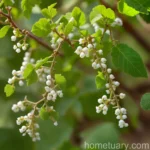
Red currant (Ribes rubrum ‘Red Lake’) is a delightful fruit-bearing shrub that belongs to the genus Ribes. Featuring vivid red berries, the Red Lake currant variety is highly prized by gardeners and horticulturists for its ornamental and culinary attributes. In this comprehensive guide, we will delve into the key aspects of the red currant plant, including its cultivation, uses, and maintenance. Whether you’re a seasoned gardener or a novice plant enthusiast, this guide will provide you with valuable insights into the fascinating world of red currants.
What is Red Currant (Ribes rubrum ‘Red Lake’)?
Red currant, scientifically known as Ribes rubrum ‘Red Lake’, is a deciduous shrub that is cultivated for its tart and flavorful red berries. The plant belongs to the grossulariaceae family and is native to parts of Western Europe and Northern Asia. Red currants are generally grown in temperate regions and are valued for their culinary versatility, making their way into jams, jellies, desserts, and even savory dishes. Additionally, the aesthetic appeal of the red currant shrub adds a charming touch to gardens and landscapes, making it a popular choice for ornamental planting.
Key Takeaways – Red Currant (Ribes rubrum ‘Red Lake’)
Before we delve into the specific aspects of red currant cultivation and maintenance, let’s briefly highlight some of the key takeaways related to this delightful plant:
- Red Lake currant: A variety of the Ribes rubrum species, known for its rich, red berries and ornamental value.
- Cultivation: Red currants thrive in temperate climates and are favored for their culinary and ornamental uses.
- Uses: The berries are a popular ingredient in jams, jellies, desserts, and cooking, while the plant itself serves as an attractive landscape feature.
- Water: Red currants have moderate water requirements and benefit from consistent moisture, especially during the fruiting period.
- Sunlight: The plants prefer full sun to partial shade for optimal growth and fruit production.
- Fertilizer: Proper fertilization is crucial for maintaining healthy growth and maximizing fruit yield.
- Soil: Well-draining, slightly acidic soils are ideal for cultivating red currants.
- Pruning: Regular pruning is essential to remove old wood, promote airflow, and encourage the production of new fruiting wood.
- Propagation: Red currants can be propagated through various methods, including cuttings and layering.
- Container Popularity: The compact size and attractive foliage of red currants make them suitable for container gardening.
Cultivation of Red Currant (Ribes rubrum ‘Red Lake’)
Cultivating red currants requires careful attention to their environmental preferences and maintenance needs. From water and sunlight requirements to soil and fertilizer considerations, each aspect plays a vital role in ensuring the health and productivity of the plants. Let’s explore the key factors involved in successfully growing red currants.
Water
Proper watering is essential for the health and productivity of red currant plants. While red currants are relatively tolerant of varying moisture levels, consistent soil moisture is crucial, especially during the fruiting season. A consistent watering schedule, ensuring that the soil is kept evenly moist but not waterlogged, is optimal for red currants. Additionally, providing a deep watering, especially during periods of drought, can aid in the development of a robust root system.
Sunlight
Red currants thrive when grown in full sun to partial shade. While they can tolerate some shade, planting them in a location that receives at least 6 hours of direct sunlight per day is ideal for promoting vigorous growth and bountiful fruit production. Additionally, sunlight exposure helps in enhancing the flavor and sweetness of the berries.
Fertilizer
Appropriate fertilization is crucial for promoting healthy growth and maximizing fruit yield in red currant plants. A balanced fertilizer, with an NPK ratio of 10-10-10 or similar, can be applied in spring as new growth begins. It’s important to avoid over-fertilization, as excessive nitrogen can lead to excessive vegetative growth at the expense of fruit production. Incorporating organic matter and compost into the soil can also provide essential nutrients and improve soil structure.
Soil
Red currants thrive in well-draining, moderately fertile soil that is slightly acidic with a pH between 5.5 and 6.5. Soil with good drainage is essential to prevent waterlogging, which can lead to root rot and other issues. Additionally, incorporating organic matter into the soil can improve its texture and fertility, providing an ideal growing environment for red currants.
Pruning and Propagation of Red Currant (Ribes rubrum ‘Red Lake’)
Pruning
Pruning is a crucial aspect of red currant maintenance, as it helps in rejuvenating the plant, promoting fruiting, and maintaining the desired shape and size. Here are some key considerations for pruning red currants:
- Annual Pruning: It is recommended to conduct annual pruning during the dormant season, typically in late winter or early spring before new growth emerges.
- Remove Old Wood: Removing old, unproductive wood is essential to stimulate the growth of new fruiting wood and maintain a healthy plant structure.
- Promote Airflow: Thinning out the center of the plant and removing crowded or crossing branches can improve airflow, reduce disease pressure, and aid in fruit development.
- Selective Pruning: Selectively removing weak, damaged, or diseased branches promotes overall plant health and vigor.
- Training Young Plants: Establishing a well-balanced framework of main branches in the early years helps in shaping the plant and promoting future productivity.
Propagation
Red currants can be propagated through various methods, including hardwood cuttings, softwood cuttings, and layering.
- Hardwood Cuttings: Collected during the dormant season, hardwood cuttings from healthy, disease-free stems can be prepared and planted in a suitable propagation medium to establish new plants.
- Softwood Cuttings: Softwood cuttings collected in late spring or early summer can also be used to propagate red currants, providing a quicker method for establishing new plants.
- Layering: Encouraging low-hanging branches to come into contact with the soil and promoting root formation can facilitate the propagation of red currants through layering.
Red Currant (Ribes rubrum ‘Red Lake’) in Containers
Red currants are well-suited for cultivation in containers, making them a versatile choice for urban gardens, patios, and balconies. Their compact growth habit and attractive foliage add aesthetic appeal to small spaces, while still offering a bountiful harvest of flavorful berries. Let’s explore the essential considerations for growing red currants in containers.
Container Selection
When growing red currants in containers, it is crucial to choose a sufficiently large and sturdy container to accommodate the plant’s root system and provide ample space for growth. A container with drainage holes is essential to prevent waterlogging and promote healthy root development.
Soil and Fertilization
Using a high-quality, well-draining potting mix is essential for container-grown red currants. A mix formulated for acid-loving plants or incorporating peat moss can help maintain the slightly acidic pH preferred by red currants. Additionally, regular fertilization with a balanced, slow-release fertilizer can provide essential nutrients for healthy growth and fruit production.
Sunlight and Watering
Placing the containers in a location that receives at least 6 hours of direct sunlight per day is crucial for promoting vigorous growth and fruiting. Consistent watering is essential to keep the soil evenly moist, especially during hot and dry periods. It’s important to avoid overwatering, as waterlogged soil can lead to root rot and other issues.
Pruning and Maintenance
Regular pruning is essential to maintain the size and shape of the red currant plant in a container. Annual pruning during the dormant season can help in removing old wood, promoting new growth, and maintaining a healthy plant structure. Additionally, periodic fertilization, pest and disease management, and topdressing with compost can support the health and productivity of container-grown red currants.
Harvesting and Enjoying Red Currants
Container-grown red currants typically produce a bountiful harvest of berries that can be enjoyed fresh, used in cooking and baking, or preserved as jams and jellies. Harvesting the ripe berries when they are plump and full-colored allows you to savor the delightful flavor and culinary versatility of red currants.
Common Diseases of Red Currant (Ribes rubrum ‘Red Lake’)
Disease Diagnosis
While red currants are relatively resilient, they can be susceptible to certain diseases that can impact their health and productivity. It’s important to closely monitor the plants for any signs of diseases and promptly address any issues that arise. Here are some common diseases that affect red currants:
- Powdery Mildew (Sphaerotheca mors-uvae): Characterized by white, powdery patches on leaves and young shoots, powdery mildew can affect the overall vigor of the plant if left uncontrolled.
- Anthracnose (Drepanopeziza ribis): This fungal disease causes circular, sunken lesions on leaves and can lead to defoliation and reduced fruit production if severe.
- Leaf Spot (Mycosphaerella ribis): Leaf spots with a dark margin and light-colored center are indicative of this fungal disease. Severe infections can lead to leaf drop and reduced photosynthetic capacity.
Control and Prevention
To prevent and manage diseases in red currants, it’s essential to implement cultural and, if necessary, chemical control measures:
- Cultural Control: Promoting good airflow by proper spacing and pruning, removing and disposing of infected plant debris, and providing optimal growing conditions can help prevent disease development.
- Chemical Control: If diseases persist or escalate, the application of fungicidal sprays labeled for use on red currants can help manage the diseases. It’s important to follow the application instructions and safety guidelines provided by the product label.
Common Pests Affecting Red Currant (Ribes rubrum ‘Red Lake’)
Red currants can be susceptible to pest infestations that can impact their growth and fruit production. Vigilance and timely intervention are crucial in managing pest issues to prevent significant damage.
Pest Identification
Identifying common pests that affect red currants is essential for implementing effective control measures. Some of the common pests include:
- Aphids (Aphidoidea): These small, soft-bodied insects can cluster on the undersides of leaves and feed on plant sap, potentially causing leaf curling and stunted growth.
- Currant Fruit Fly (Epochra canadensis): The larvae of this fruit fly feed on the berries, leading to softening and premature dropping of the fruit.
- Red Currant Gall Mite (Cecidophyopsis ribis): This microscopic mite can cause distortion and swelling of leaves, leading to reduced plant vigor and fruit production.
Control Measures
Implementing cultural and, if necessary, chemical control measures can help manage pest infestations in red currants:
- Cultural Control: Pruning and removing infested plant parts, promoting natural predators and beneficial insects, and maintaining overall plant health can help in managing pest populations.
- Chemical Control: If pest populations become excessive and threaten plant health, the targeted application of insecticidal sprays labeled for use on red currants can aid in controlling the pests. It’s important to adhere to safety guidelines and application instructions provided by the product label.
Botanist’s Tips for Growing Red Currant (Ribes rubrum ‘Red Lake’)
As a plant scientist with a passion for horticulture, I’m excited to share some additional tips and insights to help you successfully grow and enjoy red currants in your garden or landscape:
- Companion Planting: Consider interplanting red currants with compatible crops and flowers, such as lettuce, spinach, and marigolds, to maximize space and promote biodiversity.
- Mulching: Applying a layer of organic mulch around the base of red currant plants can help conserve soil moisture, suppress weeds, and contribute to overall soil health.
- Season Extension: Protecting red currant plants from late frosts and extending the growing season can be achieved by using row covers and other protective measures.
- Bird Protection: Installing bird netting or providing other bird deterrents can help safeguard the ripening fruit from bird damage during the harvest season.
Fun Facts About Red Currant (Ribes rubrum ‘Red Lake’)
As we conclude this comprehensive guide, let’s explore some intriguing and lesser-known facts about red currants:
- The vibrant red color of red currants is attributed to the presence of natural pigments called anthocyanins, which are also known for their antioxidant properties.
- Red currants are rich in vitamin C and various antioxidants, making them a valuable addition to a health-conscious diet.
- The berries of red currants are often used in the preparation of traditional European delicacies, such as jellies, tarts, and syrups.
- Red currants serve as a valuable food source for birds and wildlife, contributing to the biodiversity of gardens and natural landscapes.
Links to External Resources
As you continue to explore the world of red currants and expand your horticultural knowledge, here are some valuable resources that can provide additional insights and information:
- Royal Horticultural Society – Growing Currants
- University of Wisconsin-Madison Extension – Currants and Gooseberries
- North Carolina State University Extension – Red Currants
In conclusion, the captivating appeal and delightful fruits of red currants make them a cherished addition to gardens and landscapes. With the right care, maintenance, and attention to environmental requirements, you can savor the beauty and flavors of red currants in your own horticultural endeavors. Whether you’re drawn to their culinary uses, ornamental value, or ecological contributions, the red currant (Ribes rubrum ‘Red Lake’) is indeed a remarkable and versatile plant worthy of admiration and cultivation.
I hope this guide has enriched your understanding of red currants and inspired you to embark on your own red currant cultivation journey. Happy gardening and may your red currant harvests be plentiful and rewarding!
This blog post is written by a dedicated plant scientist with a passion for sharing knowledge and promoting the joys of horticulture.