The Alpine Pasque Flower (Pulsatilla alpina): A Comprehensive Guide
As a plant scientist, I am excited to delve into the intriguing world of Pulsatilla alpina, commonly known as the Alpine Pasque Flower. This exquisite plant is not only visually captivating but also possesses unique cultural, ecological, and medicinal significance. In this comprehensive guide, we will explore the various facets of Pulsatilla alpina, including its characteristics, cultural uses, growing requirements, folklore, conservation status, and much more.
What is Pulsatilla alpina (Alpine Pasque Flower)?
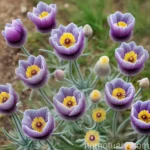
Pulsatilla alpina, a member of the Ranunculaceae family, is a stunning perennial plant native to alpine and subalpine regions of Europe and Asia. It is characterized by its delicate, bell-shaped purple flowers, which emerge early in the spring, often before the leaves fully develop. The fluffy, silver-white seed heads that follow the blossoms add to its charm and make it a sought-after addition to rock gardens and naturalistic landscapes.
Key Takeaways – Pulsatilla alpina (Alpine Pasque Flower)
Before diving into the details of cultivation and care, let’s highlight the key takeaways associated with Pulsatilla alpina:
- Cultural Uses: This plant holds cultural significance in folklore and traditional medicine.
- Water: It requires well-drained soil and moderate moisture levels.
- Sunlight: Thrives in full sun to partial shade conditions.
- Fertilizer: Minimal fertilizer requirements; best suited for nutrient-poor soils.
- Soil: Flourishes in alkaline or neutral, well-drained soils.
- Pruning: Light pruning after flowering to maintain shape and encourage growth.
- Propagation: Can be propagated by seeds or division.
- Container Popularity: Well-suited for container gardening.
- Common Diseases: Susceptible to fungal diseases if grown in excessively moist conditions.
- Common Pests: Relatively resistant to pests but can be affected by aphids and snails in certain conditions.
Now, let’s explore each of these aspects in detail.
Culture
Uses
Medicinal and Ethnobotanical Uses
Pulsatilla alpina has a rich history of traditional medicinal uses. The plant contains bioactive compounds, including anemonin and saponins, which have been utilized in herbal medicine for various purposes. It is important to note that the entire Pulsatilla genus contains toxic compounds and should only be used under the guidance of a qualified herbalist or healthcare professional.
In traditional medicine, preparations derived from Pulsatilla species have been used to address conditions such as respiratory ailments, skin irritations, and rheumatic disorders. The alkaloids present in the plant have potent expectorant and anti-inflammatory properties, contributing to its historical use in treating coughs and respiratory conditions.
Beyond its medicinal uses, the Alpine Pasque Flower has been esteemed for its symbolic significance in cultural and folklore traditions. It is often associated with themes of rebirth, protection, and the arrival of spring, making it a popular choice for gardens and ornamental plantings.
Water
Pulsatilla alpina thrives in well-drained soil and prefers moderate moisture levels. While it is essential to provide adequate moisture, it is equally important to ensure that the soil does not become waterlogged, as this can lead to root rot and other issues. During active growth and flowering, the plant benefits from consistent soil moisture, but it is crucial to strike a balance and avoid overwatering.
Sunlight
In its natural habitat, the Alpine Pasque Flower is accustomed to open, sunny conditions. When cultivated, it flourishes in full sun to partial shade, displaying its best growth and blooming potential under these lighting conditions. Providing the plant with sufficient sunlight is essential for promoting healthy growth and encouraging abundant flowering.
Fertilizer
Pulsatilla alpina is adapted to thrive in nutrient-poor soils, making it relatively low-maintenance in terms of fertilizer requirements. In fact, excessive fertilization can be detrimental to its health and may lead to issues such as overgrowth and decreased flowering. When cultivating this plant, it is best to refrain from heavy fertilization and instead focus on providing it with well-drained, alkaline or neutral soil, which aligns with its natural habitat preferences.
Soil
The Alpine Pasque Flower prefers alkaline or neutral soils with excellent drainage. It is well-suited for rocky or sandy soils, reminiscent of its native alpine environments. When selecting a location for planting, it is important to ensure that the soil is well-drained to prevent waterlogging, which can pose a risk to the plant’s root system.
Pruning
After the flowering period, light pruning can be beneficial for maintaining the plant’s shape and encouraging vigorous growth. Any dead or damaged foliage can be carefully removed, allowing the plant to redirect its energy towards new growth and development. However, it is essential to approach pruning with care to avoid causing stress or damage to the plant.
Propagation
Pulsatilla alpina can be propagated through seeds or division, offering flexibility for gardeners seeking to expand their plantings or share the beauty of this species with others. When collecting seeds for propagation, it is important to ensure that they are fully mature and have been carefully collected to preserve their viability. Additionally, division can be carried out during the plant’s dormant period, allowing for the creation of new plantings from established specimens.
Container Popularity
Due to its compact growth habit and captivating floral display, Pulsatilla alpina is well-suited for container gardening. This presents an excellent opportunity for individuals with limited outdoor space or those seeking to introduce the Alpine Pasque Flower to their patios, balconies, or indoor environments. When cultivating this plant in containers, it is crucial to select a well-draining potting mix and provide suitable sunlight and moisture levels to support its growth and development.
Common Diseases
While Pulsatilla alpina is generally resilient, it can be susceptible to fungal diseases, particularly when exposed to overly moist conditions. Ensuring proper air circulation and avoiding excessive moisture on the foliage can help mitigate the risk of fungal issues. Additionally, the selection of a well-drained planting site and appropriate watering practices can contribute to the plant’s overall health and disease resistance.
Disease Diagnosis
When assessing the potential presence of diseases in Pulsatilla alpina, it is essential to monitor the plant for symptoms such as leaf spots, wilting, or unusual discoloration. Promptly addressing any signs of disease through suitable cultural practices or targeted treatments can help safeguard the plant’s well-being and preserve its ornamental value.
Common Pests
Pulsatilla alpina exhibits a relatively high degree of resistance to pest infestations. However, in certain conditions, it may attract common garden pests such as aphids and snails. Vigilant monitoring and proactive pest management strategies can effectively deter these nuisances and protect the plant from potential damage. Incorporating natural predator-attracting plants into the garden and implementing physical barriers are among the eco-friendly approaches to pest control that can benefit Pulsatilla alpina and surrounding plantings.
Botanist’s Tips
-
Native Range: Pulsatilla alpina’s native range encompasses alpine and subalpine regions of Europe and Asia, where it thrives in rugged, well-drained habitats characterized by challenging growing conditions. When cultivating this species, emulating its natural environment, including well-drained soils and ample sunlight, can contribute to its overall health and vigor.
-
Conservation: Due to habitat alteration and collection pressures, certain populations of Pulsatilla alpina may be at risk. By sourcing plants from reputable nurseries and supporting conservation efforts, individuals play a vital role in preserving the genetic diversity and ecological importance of this species.
-
Pollinator Support: The attractive, early-blooming flowers of Pulsatilla alpina serve as valuable nectar sources for pollinators, contributing to the biodiversity and ecological balance of their habitats. By creating pollinator-friendly garden spaces and incorporating native plants, individuals can actively support the well-being of pollinators and the broader ecosystem.
Fun Facts
- The fluffy, seed-bearing structures of Pulsatilla alpina are sometimes likened to small, fluffy clouds, lending a whimsical aspect to the plant’s appearance.
- Alpine Pasque Flowers have a close association with the arrival of spring, often being among the first plants to bloom after the snow melts in their native habitats.
Links to External Resources
For further exploration of Pulsatilla alpina and related topics, the following external resources provide valuable information and insights:
- Royal Horticultural Society – Pulsatilla alpina
- Missouri Botanical Garden – Pulsatilla alpina
- American Society of Plant Biologists
In conclusion, the Alpine Pasque Flower (Pulsatilla alpina) serves as a captivating subject of study, cultivation, and admiration for plant enthusiasts, researchers, and conservationists alike. Its cultural uses, ecological significance, and ornamental allure make it a plant of immense value and intrigue. By understanding and nurturing Pulsatilla alpina, we not only celebrate its inherent beauty but also contribute to the preservation of a species with a storied past and an important place in our natural world.
As a plant scientist, I hope this comprehensive guide has provided valuable insights into the captivating world of Pulsatilla alpina. Whether you are a seasoned gardener, a nature enthusiast, or a curious learner, the Alpine Pasque Flower offers an abundance of knowledge, beauty, and significance to explore and appreciate.
By delving into its uses, cultivation, and ecological role, we gain a deeper understanding of this remarkable plant and its place in both natural and cultural landscapes. Embracing the wisdom of nature, we have the opportunity to enrich our lives and contribute to the conservation of valuable botanical treasures like Pulsatilla alpina.