Picea Rubens (Red Spruce)
Picea rubens, commonly known as the Red Spruce, is a species of spruce native to eastern North America. It belongs to the Pinaceae family and is a.
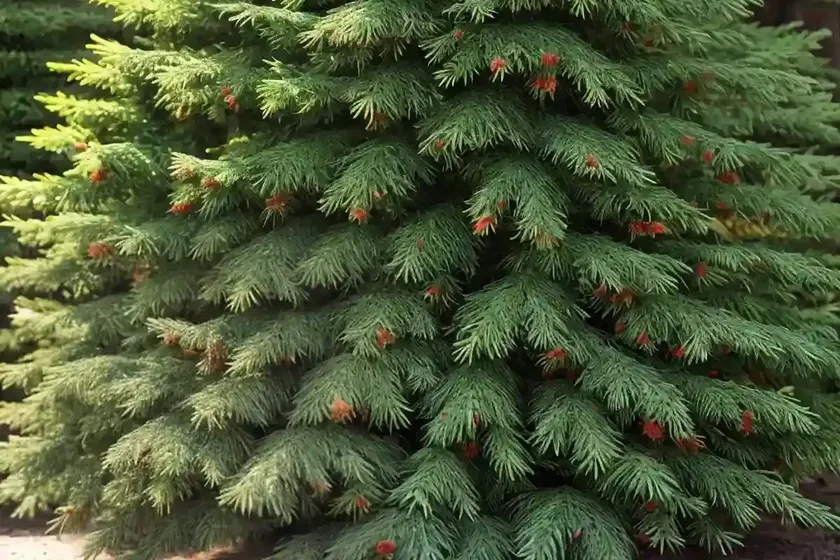
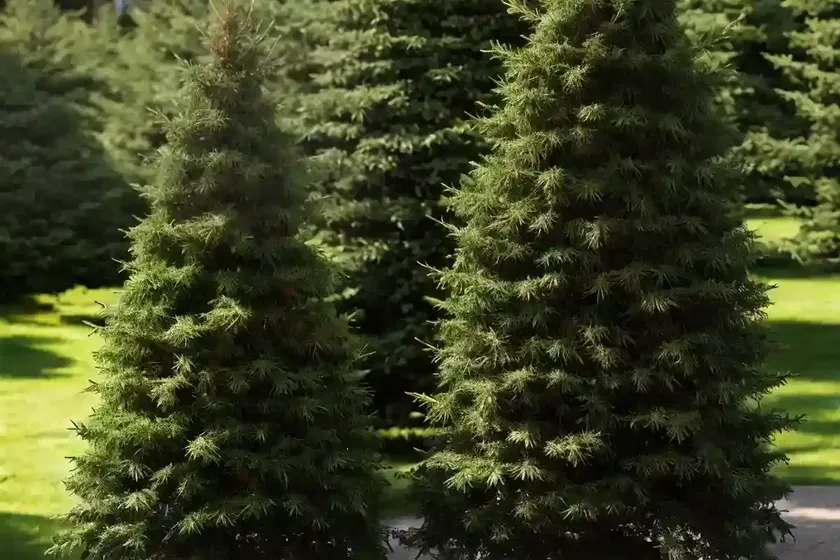
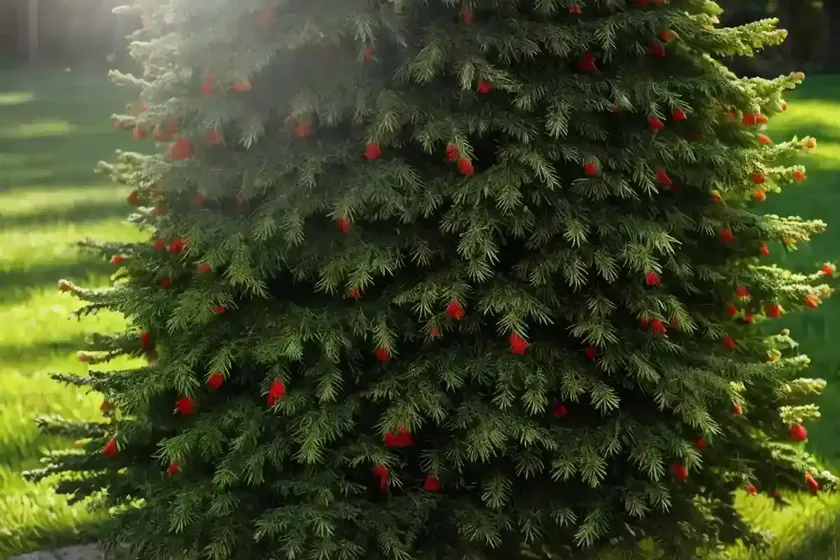
Picea rubens, commonly known as the Red Spruce, is a species of spruce native to eastern North America. It belongs to the Pinaceae family and is a prominent tree species in the region. With its unique characteristics and ecological significance, Picea rubens has garnered attention from botanists, foresters, and nature enthusiasts alike. In this comprehensive guide, we will delve into the various aspects of Picea rubens, ranging from its growth habits and cultural requirements to its ecological importance and conservation status.
What is Picea rubens (Red Spruce)?
Picea rubens, also known as the Red Spruce, is a species of coniferous tree native to the northeastern United States and eastern Canada. It is a medium to large-sized tree with a straight trunk, conical crown, and slender branches. The Red Spruce is known for its reddish-brown bark and needle-like leaves, which give it a distinctive appearance in its natural habitat.
Picea rubens Characteristics
- Scientific Name: Picea rubens
- Common Name: Red Spruce
- Family: Pinaceae
- Native Range: Eastern North America
- Habitat: Mixed forests, mountainous regions
- Growth Habit: Conical, evergreen tree
- Bark Texture: Reddish-brown, scaly
- Foliage Color: Dark green to bluish-green
- Cone Production: Prone to abundant cone production
- Sunlight Requirements: Partial to full sun
- Drought Resistance: Moderate
- Soil Preferences: Well-drained, acidic soils
- Ecological Relationships: Important for wildlife habitat and soil conservation
As we explore the fascinating world of Picea rubens, we will discuss its care tips, ecological significance, timber properties, and much more. Let’s embark on this journey to understand and appreciate the Red Spruce tree in all its glory.
Key Takeaways – Picea rubens (Red Spruce)
Before delving into the specific aspects of Red Spruce care and cultivation, let’s highlight some key takeaways about this remarkable tree species:
-
Picea rubens Growth Habits: The Red Spruce is a slow-growing, long-lived tree that can reach heights of 60-130 feet. It exhibits a conical growth habit with dense, horizontal branches.
-
Red Spruce Native Habitat: Picea rubens is native to the cool, moist climates of the Appalachian Mountains and other northern regions of its range. It thrives in mixed forests and mountainous terrain.
-
Red Spruce Tree Symbolism: In its native range, the Red Spruce holds cultural and ecological significance, often symbolizing resilience, longevity, and the beauty of the natural landscape.
-
Picea rubens Timber Properties: The wood of Red Spruce is prized for its strength, flexibility, and light weight, making it a valuable timber species for various woodworking and construction purposes.
-
Red Spruce Ecological Importance: Picea rubens plays a crucial role in providing habitat for wildlife, improving soil stability, and contributing to the overall biodiversity of forest ecosystems.
With these key takeaways in mind, let’s dive deeper into the specific aspects of Red Spruce care, cultivation, and ecological relevance.
Culture
Cultivating Picea rubens in a home garden or landscape requires an understanding of its cultural requirements, including its need for water, sunlight, soil, and fertilizer. By addressing these essential aspects, individuals can promote the healthy growth and development of Red Spruce trees in various settings.
Water
Proper watering is essential for the establishment and ongoing health of Red Spruce trees. Although it exhibits moderate drought resistance once established, young trees and those in dry or exposed conditions may require regular watering to thrive. Here are some key points to consider regarding water requirements for Picea rubens:
- Watering Frequency: Young Red Spruce trees benefit from consistent moisture, especially during the initial establishment period. Water deeply and regularly, particularly during dry spells or hot weather.
- Soil Moisture: Ensure that the soil around the tree remains consistently moist but well-drained. Avoid waterlogged or excessively dry soil conditions.
- Mulching: Applying a layer of organic mulch around the base of the tree can help conserve soil moisture and regulate soil temperature, promoting optimal growing conditions.
Sunlight
The sunlight requirements of Picea rubens vary based on its stage of growth and environmental factors. Understanding the tree’s needs for sunlight exposure is crucial for selecting suitable planting locations and ensuring healthy growth. Consider the following points when evaluating the sunlight requirements of Red Spruce:
- Full Sun: Red Spruce trees thrive in full sun to partial shade. In its native habitat, it often grows in open woodlands and along forest edges, receiving ample sunlight for healthy development.
- Shade Tolerance: While it prefers full sun, Red Spruce can tolerate partial shade, especially in hot or dry climates. However, excessive shade may result in reduced growth and density of the tree’s foliage.
Fertilizer
Proper fertilization can support the growth and vigor of Red Spruce trees, especially when planted in urban or suburban landscapes with nutrient-poor soils. By providing the necessary nutrients, gardeners and tree enthusiasts can enhance the overall health and resilience of Picea rubens. Consider the following fertilizer-related considerations when caring for Red Spruce:
- Soil Testing: Before applying fertilizer, conduct a soil test to determine the current nutrient levels and pH of the soil. This information will guide the appropriate selection and application of fertilizers.
- Fertilizer Type: Select a balanced, slow-release fertilizer formulated for evergreen trees, preferably one with a higher concentration of nitrogen to support healthy foliage growth.
- Application Timing: Apply fertilizer in early spring before the onset of new growth. Avoid late-season fertilization, as this can stimulate late-season growth that may be vulnerable to winter damage.
Soil
Understanding the soil preferences of Picea rubens is crucial for selecting suitable planting sites and optimizing the tree’s growth and health. Red Spruce thrives in acidic, well-drained soils typical of its natural forest habitat. Consider the following soil-related factors when cultivating Red Spruce:
- Acidic Soil: Red Spruce trees require acidic soil with a pH range of 4.0 to 6.0 for optimal growth. Alkaline or poorly-drained soils can adversely affect the tree’s health and vigor.
- Soil Amendments: When planting in less-than-ideal soil conditions, amend the soil with organic matter such as peat moss or compost to improve drainage and lower the pH level.
- Soil Moisture: While it prefers well-drained soil, Red Spruce trees benefit from consistent soil moisture, especially during the first few years of growth. Avoid waterlogged or compacted soils, as these can impair root development.
Pruning
Pruning Techniques
Proper pruning plays a role in shaping the growth and appearance of Red Spruce trees and is essential for maintaining their health and structural integrity. By employing appropriate pruning techniques, individuals can address issues such as dead or damaged branches, promote a strong central leader, and manage the tree’s overall form. Consider the following pruning techniques for Picea rubens:
- Deadwood Removal: Regularly inspect Red Spruce trees for dead, diseased, or damaged branches, and promptly remove them to minimize the risk of disease spread and improve the tree’s appearance.
- Leader Selection: Encourage the development of a central leader (main vertical stem) by selectively pruning competing leaders and vigorous side branches. This helps maintain the tree’s conical shape and structural strength.
- Branch Thinning: In dense or crowded areas of the crown, selectively remove some of the smaller, interior branches to improve air circulation and light penetration, promoting overall tree health.
Propagation
Propagation Methods
Propagating Picea rubens through seed or cutting propagation allows for the introduction of new trees and the conservation of genetic diversity within the species. While Red Spruce can prove challenging to propagate compared to other conifers, successful methods can result in the cultivation of young trees with desirable characteristics. Consider the following propagation methods for Red Spruce:
- Seed Propagation: Collect mature cones from healthy Red Spruce trees, extract the seeds, and sow them in a well-draining propagation medium. Provide the seeds with consistent moisture, humidity, and cool temperatures to encourage germination.
- Cutting Propagation: Collect semi-hardwood cuttings from healthy Red Spruce trees in late summer or early autumn. Use a rooting hormone to promote root development, and propagate the cuttings in a controlled environment with high humidity and bottom heat.
Container Popularity
Red Spruce in Container Gardening
While Red Spruce is primarily known as a forest-dwelling tree, it can also thrive in container gardening settings, providing an opportunity for urban and suburban gardeners to appreciate its beauty and ecological benefits. When grown in containers, Red Spruce trees can serve as striking ornamental features on patios, decks, or balconies, adding a touch of evergreen elegance to outdoor spaces. Consider the following points when cultivating Picea rubens in containers:
- Container Selection: Choose a large, sturdy container with adequate drainage holes to accommodate the tree’s root system and promote root aeration. Select a container material that withstands outdoor conditions, such as frost-resistant terracotta or durable resin.
- Potting Medium: Use a well-draining, acidic potting mix formulated for evergreen trees. Consider incorporating peat moss, pine bark, and perlite to create a suitable growing medium that mimics the tree’s natural soil preferences.
- Watering and Maintenance: Monitor the moisture level of the potting mix regularly, ensuring that it remains consistently moist but not waterlogged. Provide ample sunlight and protect the tree from extreme temperature fluctuations, particularly in exposed container gardening environments.
Common Diseases and Pest Management
Disease Diagnosis
While Red Spruce is generally resilient to many common tree diseases, it can be susceptible to certain pathogens and environmental stressors that may impact its health and appearance. Proper disease diagnosis and timely intervention are essential for addressing potential issues and preserving the vitality of Red Spruce trees. Consider the following common diseases and disease management strategies related to Picea rubens:
Needle Blight
- Symptoms: Needle discoloration, browning, or premature shedding; small black fruiting bodies on affected needles
- Causal Agents: Fungal pathogens such as Rhizosphaera or Stigmina species
- Management: Prune and dispose of infected branches, improve air circulation, and consider fungicidal treatments as a preventative measure in high-risk locations.
Cytospora Canker
- Symptoms: Sunken cankers on branches, resinous or gummy exudate, dieback of affected branches
- Causal Agent: Cytospora kunzei and related fungi
- Management: Prune and remove infected branches, maintain tree vigor through proper cultural practices, and avoid stress-inducing factors such as drought or injuries.
Common Pests
In addition to potential disease issues, Red Spruce trees can face pest infestations that may affect their overall health and appearance. While they are generally less prone to pest problems compared to some other tree species, vigilance and proactive management can help mitigate pest-related issues. Consider the following common pests and pest management strategies related to Picea rubens:
Spruce Spider Mite
- Signs of Infestation: Fine webbing, stippled or yellowing foliage, reduced vigor
- Management: Regularly inspect the tree for early signs of infestation, encourage natural predators, and consider horticultural oil or insecticidal soap treatments, particularly in cases of severe infestation.
Spruce Gall Adelgid
- Symptoms: Formation of galls on needles or shoots, yellowing or distortion of affected plant parts
- Management: Prune and dispose of heavily infested plant material, promote tree vigor through appropriate cultural practices, and consider targeted insecticidal treatments if necessary.
Botanist’s Tips
Expert Insights for Red Spruce Cultivation
As a plant scientist with a passion for coniferous trees, I am delighted to share some valuable insights and tips for cultivating and appreciating Picea rubens in various contexts. Whether you are an avid gardener, an arborist, or simply an admirer of nature’s wonders, the Red Spruce offers a wealth of ecological, aesthetic, and cultural significance. Consider the following botanist’s tips for successfully nurturing and enjoying Red Spruce trees:
- Native Plant Diversity: Incorporate Red Spruce into native plant landscapes and restoration projects, celebrating its ecological importance and ability to flourish in its original habitat.
- Educational Opportunities: Use Red Spruce as a focal point for educational initiatives and nature-based learning experiences, highlighting its role in forest ecosystems and regional history.
- Conservation Advocacy: Support conservation efforts and initiatives aimed at preserving native forests and protecting the natural habitat of Red Spruce and other sensitive species.
Fun Facts
Fascinating Tidbits about Red Spruce
Learning about Picea rubens extends beyond its cultural and care-related aspects, encompassing a multitude of fascinating facts and ecological connections. From its historical uses to its notable ecological relationships, the Red Spruce holds a wealth of intriguing details that captivate the imagination and highlight its significance in the natural world. Consider the following fun facts about Red Spruce:
- Historical Uses: Indigenous peoples and early settlers utilized the flexible, strong wood of Red Spruce for crafting various items, including canoe frames, musical instruments, and construction materials.
- Wildlife Benefits: Red Spruce provides food and habitat for a diverse array of wildlife, including songbirds, porcupines, and snowshoe hares, contributing to the biodiversity of forest ecosystems.
- Winter Hardiness: Red Spruce exhibits excellent winter hardiness, with its evergreen foliage and cold tolerance making it a resilient presence in snow-covered landscapes.
Links to External Resources
As we conclude this comprehensive guide to Picea rubens (Red Spruce), I invite you to explore further resources and information to deepen your understanding of this remarkable tree species. By delving into scientific research, conservation initiatives, and forestry practices, you can gain a broader appreciation for the ecological importance and cultural relevance of Red Spruce. Here are some recommended links to external resources:
In exploring these resources, you will gain valuable insights into the ecological, cultural, and conservation aspects of Red Spruce, furthering your connection to this iconic tree species.
In conclusion, Picea rubens (Red Spruce) stands as a symbol of resilience, ecological interconnectedness, and natural beauty. By understanding its growth habits, ecological significance, and cultural relevance, we are better equipped to appreciate and advocate for the conservation of this remarkable tree species. Whether you encounter Red Spruce in the wild, in a garden, or within the context of conservation efforts, its presence serves as a reminder of the enduring legacy of forest ecosystems and the importance of nurturing our natural heritage.
As we continue to celebrate and protect the diverse array of plant life that enriches our planet, may the Red Spruce stand as a testament to the enduring power of nature and the timeless lessons it imparts to those who seek to understand and cherish it.


