Picea Pungens Var. Glauca (Colorado Blue Spruce)
Picea pungens var. glauca, commonly known as Colorado Blue Spruce, is a stunning and popular evergreen tree that is highly valued for its ornamental.

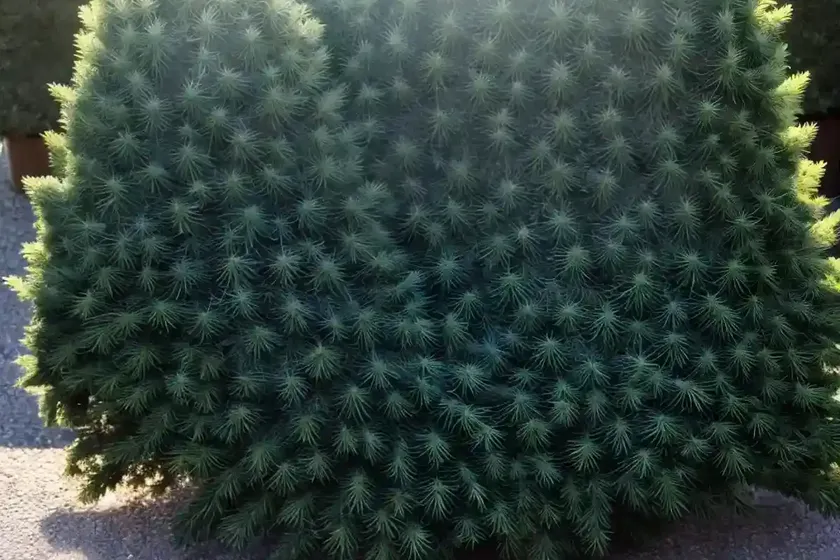
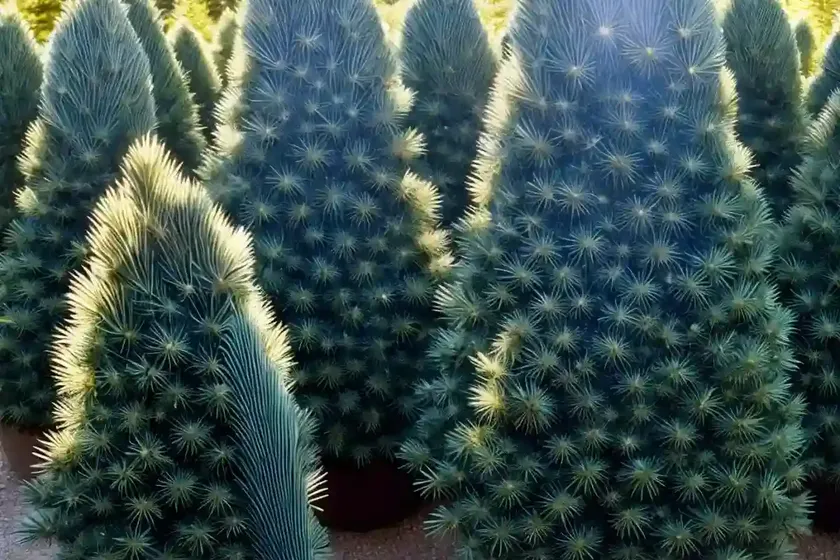
Picea pungens var. glauca, commonly known as Colorado Blue Spruce, is a stunning and popular evergreen tree that is highly valued for its ornamental qualities. This species belongs to the family Pinaceae and is native to the Rocky Mountains of the United States. It is recognized for its striking blue to silver-blue needles and its conical form, making it a favorite in landscaping and horticulture.
In this comprehensive guide, we will delve into the various aspects of the Picea pungens var. glauca, including its cultural requirements, uses, maintenance, and much more. Whether you are a novice gardener or a seasoned horticulturist, there is something to learn about this remarkable tree. Let’s explore the enchanting world of the Colorado Blue Spruce.
What is Picea pungens var. glauca (Colorado Blue Spruce)?
Picea pungens var. glauca, commonly known as the Colorado Blue Spruce, is a subspecies of the more extensive Picea pungens species. It is native to the western United States, particularly the Rocky Mountains region, where it thrives in its natural habitat.
Key Takeaways
Let’s start by exploring some key takeaways about Picea pungens var. glauca:
- Species: Picea pungens var. glauca
- Common Name: Colorado Blue Spruce
- Family: Pinaceae
- Native Range: Rocky Mountains of the United States
- Foliage Color: Silver-blue
- Growth Habit: Conical form
- Uses: Ornamental, landscaping
- Cultural Requirements: Full sunlight, well-drained soil
- Maintenance: Regular watering, occasional pruning
- Diseases: Susceptible to certain fungal diseases
- Pests: Vulnerable to spruce mites and aphids
- Special Feature: Striking blue foliage
Now that we have a snapshot of the Colorado Blue Spruce, let’s dive deeper into its cultural requirements, uses, and maintenance guidelines.
Culture
The successful cultivation of Picea pungens var. glauca relies on an understanding of its specific cultural requirements. From sunlight exposure to soil preferences, each aspect contributes to the overall health and vigor of this captivating tree.
Water
Proper watering is essential for the health and vitality of the Colorado Blue Spruce, especially during its initial establishment phase. While this species exhibits good drought tolerance once established, consistent and adequate irrigation is crucial during its early years.
When watering the Colorado Blue Spruce, consider the following guidelines:
- Frequency: Water young trees regularly, particularly during dry spells. Once established, occasional deep watering is generally sufficient.
- Soil Moisture: Ensure that the soil is well-drained to prevent waterlogging, which can lead to root rot.
- Winter Watering: In regions with insufficient winter precipitation, consider providing supplemental watering in late fall to support the tree through the winter months.
Sunlight
As a sun-loving species, Picea pungens var. glauca thrives in full sunlight. Adequate sunlight exposure is crucial for the development of its vibrant blue foliage and overall growth. When selecting a planting site for the Colorado Blue Spruce, prioritize locations with ample sunlight throughout the day.
Fertilizer
Proper fertilization can promote healthy growth and enhance the visual appeal of the Colorado Blue Spruce. However, it is important to approach fertilization judiciously, as excessive fertilization can have adverse effects on the tree.
Consider the following guidelines for fertilizing Picea pungens var. glauca:
- Timing: Apply fertilizer in early spring before new growth emerges.
- Type: Utilize a balanced, slow-release fertilizer formulated specifically for evergreen trees.
- Quantity: Follow the manufacturer’s recommendations regarding application rates, and avoid over-fertilization, which can lead to excessive growth and diminished color intensity of the needles.
Soil
The Colorado Blue Spruce thrives in well-drained, slightly acidic soils. When planting or transplanting this species, it is essential to consider the soil characteristics to ensure its long-term health and vigor. Additionally, soil amendment may be necessary to create an optimal growing environment for the tree.
When preparing the soil for Picea pungens var. glauca, take into account the following considerations:
- Drainage: Ensure that the soil offers good drainage to prevent waterlogging and root rot.
- Acidity: Aim for a slightly acidic soil pH in the range of 6.0-6.5, which is conducive to the tree’s growth.
- Amendment: Incorporate organic matter into the soil to improve its structure and fertility, offering an optimal foundation for the establishment of the Colorado Blue Spruce.
Pruning
Pruning plays a crucial role in maintaining the desired form and structure of Picea pungens var. glauca. While it is generally low-maintenance in terms of pruning, periodic attention to its growth habits and potential issues is beneficial for its overall health.
When approaching the pruning of the Colorado Blue Spruce, consider the following guidelines:
- Timing: Conduct pruning during the tree’s dormant season to minimize stress and ensure rapid healing of wounds.
- Goals: Focus on removing dead, damaged, or diseased branches, as well as any undesired growth that detracts from the tree’s form.
- Technique: Utilize sharp, clean pruning tools to make precise cuts and avoid unnecessary injury to the tree.
- Caution: Avoid excessive pruning, particularly the removal of significant amounts of healthy foliage, as it can impact the tree’s vigor and aesthetic appeal.
Propagation
While Picea pungens var. glauca is primarily propagated through seeds, certain propagation methods such as grafting and cutting may be employed to propagate specific cultivated varieties with desirable traits.
Seed Propagation
Seed propagation is a common method for establishing new Colorado Blue Spruce trees. When collecting seeds for propagation, it is crucial to prioritize seeds from reputable sources and select those that exhibit the desired characteristics, such as vibrant blue foliage and a conical growth habit.
Consider the following guidelines for seed propagation of Picea pungens var. glauca:
- Seed Collection: Collect mature cones in the fall and extract the seeds for planting.
- Germination: Stratify the seeds by storing them in a cool, moist environment for a period to break dormancy before planting.
- Planting: Sow the seeds in a well-drained seed-starting mix and maintain consistent moisture during the germination process.
Grafting
Grafting is a specialized propagation technique utilized to replicate specific cultivars with desirable traits. It involves joining a shoot or bud from the desired tree, known as the scion, onto a compatible rootstock to produce a new tree with the same characteristics as the parent plant.
When employing grafting for the propagation of the Colorado Blue Spruce, consider the following considerations:
- Compatibility: Select compatible rootstocks that will facilitate successful grafting and promote the overall health and vigor of the new tree.
- Technique: Utilize precise grafting methods to ensure a secure union between the scion and the rootstock, facilitating the transfer of genetic traits.
Container Popularity
Picea pungens var. glauca is a sought-after species for container gardening due to its striking visual appeal and adaptability to containerized environments. When grown in containers, this species offers the flexibility to adorn patios, decks, and other outdoor spaces with a touch of natural beauty.
Common Uses
The container cultivation of Colorado Blue Spruce presents various opportunities for incorporating this species into diverse settings, including:
- Patio and Terrace Gardens: Enhance outdoor living areas with the addition of container-grown Colorado Blue Spruce, providing a captivating focal point and a sense of natural tranquility.
- Seasonal Displays: Utilize containerized specimens of Picea pungens var. glauca to create seasonal displays, such as holiday arrangements or transitional decor.
- Urban Landscapes: In urban environments with limited planting space, container gardening offers a practical approach to introducing greenery and enhancing aesthetic appeal.
Container Requirements
When growing Picea pungens var. glauca in containers, it is essential to consider the specific requirements to ensure the tree’s well-being and long-term success.
Consider the following guidelines for container cultivation of the Colorado Blue Spruce:
- Container Size: Choose spacious containers that accommodate the tree’s root system while allowing for adequate growth and development.
- Drainage: Ensure that the containers offer sufficient drainage to prevent waterlogging, employing drainage holes and a well-draining planting mix.
- Watering: Monitor the moisture levels in the container, providing regular watering to maintain optimal soil moisture without waterlogging.
- Light: Position the containers in locations that offer ample sunlight, as the Colorado Blue Spruce thrives in full sunlight.
Common Diseases
While Picea pungens var. glauca is generally resilient, it is susceptible to certain fungal diseases that can impact its health and appearance if not addressed promptly. Understanding the common diseases and their potential impact is crucial for effective disease management.
Disease Diagnosis
When diagnosing diseases in Colorado Blue Spruce, it is essential to be vigilant for common indicators of fungal infections, including:
- Needle Discoloration: Noticeable changes in the coloration of the needles, such as browning or yellowing, can signal the presence of certain fungal pathogens.
- Cankers: The development of sunken or discolored areas on the tree’s bark, accompanied by dieback, suggests potential infection by canker-causing fungi.
- Needle Cast: The shedding of infected needles or the presence of fruiting bodies on the needles may indicate the presence of needle cast diseases.
Common Diseases
Several fungal diseases can affect Picea pungens var. glauca, including:
- Rhizosphaera Needle Cast: This disease is characterized by the gradual browning and shedding of needles, often starting from the lower branches and progressing upward.
- Cytospora Canker: Cankers caused by Cytospora spp. can result in dieback of branches and the development of sunken, discolored areas on the bark.
- Needle Rusts: Rust fungi can lead to the formation of colorful, spore-bearing structures on the needles, compromising the tree’s overall health.
Disease Management
Effective disease management strategies are essential for maintaining the health and vigor of the Colorado Blue Spruce and preventing the spread of fungal diseases.
Consider the following approaches for managing common diseases in Picea pungens var. glauca:
- Cultural Practices: Implement good cultural practices, including proper watering and site selection, to promote the tree’s resilience and reduce its susceptibility to diseases.
- Monitoring: Regularly inspect the tree for signs of disease, promptly addressing any concerns to prevent the spread of infections.
- Fungicidal Treatments: In severe cases of fungal diseases, consider the judicious application of fungicidal treatments to manage and suppress the progression of infections.
Common Pests
Picea pungens var. glauca is vulnerable to certain pests that can impact its overall health and visual appeal. Understanding the common pests and adopting proactive pest management measures are essential for safeguarding the tree against potential infestations.
Common Pests
Several pests can pose a threat to the health of the Colorado Blue Spruce, including:
- Spruce Spider Mites: These tiny arachnids can cause stippling and discoloration of the needles, potentially leading to leaf drop and diminished aesthetic appeal.
- Aphids: Aphid infestations can lead to the distortion of new growth, the production of honeydew, and the development of sooty mold on the foliage.
Pest Management
Effective pest management is crucial for preventing and addressing infestations that can jeopardize the health and vigor of Picea pungens var. glauca.
Consider the following approaches for managing common pests in the Colorado Blue Spruce:
- Cultural Practices: Promote good cultural practices, such as proper watering and adequate spacing, to enhance the tree’s natural resistance to pests.
- Natural Predators: Encourage the presence of natural predators, such as ladybugs and lacewings, which can help control aphid populations.
- Horticultural Oils: Utilize horticultural oils to manage spruce spider mite infestations, effectively smothering and eliminating the pests while minimizing harm to beneficial insects.
Botanist’s Tips
Understanding the natural history, growth habits, and environmental preferences of Picea pungens var. glauca is essential for successful cultivation and long-term maintenance. Botanists who specialize in the study of coniferous species offer valuable insights and tips for effectively caring for the Colorado Blue Spruce.
Environmental Adaptability
The Colorado Blue Spruce exhibits good adaptability to a range of environmental conditions, offering resilience to various stressors and challenges.
Key Points:
- Drought Tolerance: Once established, Picea pungens var. glauca demonstrates good tolerance to periods of drought, particularly in regions with well-drained soils.
- Winter Hardiness: This species exhibits excellent cold tolerance, thriving in regions with harsh winter conditions and providing visual interest throughout the year.
- Soil Preferences: While preferring well-drained soils, the Colorado Blue Spruce can adapt to various soil types, provided they offer adequate drainage.
Maintenance Guidelines
Maintaining the health and vigor of Picea pungens var. glauca requires thoughtful care and attention to its specific requirements.
Key Points:
- Pruning: Limit pruning to essential maintenance, focusing on the removal of dead or damaged growth and the preservation of the tree’s natural form.
- Disease Management: Monitor the tree for signs of fungal diseases and promptly address any concerns to prevent the spread of infections.
- Pest Prevention: Implement proactive measures to prevent pest infestations, such as promoting natural predators and maintaining overall tree health.
Ornamental Value
The Colorado Blue Spruce is celebrated for its exceptional ornamental value, serving as a captivating focal point in diverse landscapes.
Key Points:
- Visual Appeal: The striking blue to silver-blue foliage of Picea pungens var. glauca offers unparalleled visual appeal, particularly when contrasted with other plants.
- Landscape Design: Incorporate the Colorado Blue Spruce into landscape designs to introduce color, texture, and structure, enhancing the overall aesthetic quality of the setting.
Fun Facts
Discover some intriguing and captivating facts about Picea pungens var. glauca:
- Historical Significance: The Colorado Blue Spruce is designated as the state tree of Colorado, signifying its cultural and historical importance in the region.
- Wildlife Habitat: The dense foliage of the Colorado Blue Spruce provides valuable shelter and nesting sites for various bird species, contributing to its ecological significance.
- Genetic Variations: The Colorado Blue Spruce exhibits natural genetic variations, resulting in a diverse array of cultivated varieties with distinct growth habits and foliage characteristics.
- Ornamental Value: In addition to its ornamental appeal, Picea pungens var. glauca is renowned for its versatility in landscape designs, serving as a key element in creating visually captivating settings.
Links to External Resources
For further exploration of Picea pungens var. glauca, consider the following resources:
- Colorado State University Extension – Colorado Blue Spruce
- The Spruce – Blue Spruce Tree Care and Growing Guide
- Missouri Botanical Garden – Picea pungens
With its striking blue foliage, ornamental value, and adaptability, Picea pungens var. glauca, the Colorado Blue Spruce, holds a special place in the world of horticulture and landscaping. By understanding its cultural requirements, uses, and maintenance guidelines, enthusiasts and horticulturists alike can appreciate and cultivate this captivating species to its fullest potential.
Whether as a standout specimen in a garden or a cherished addition to a container display, the Colorado Blue Spruce continues to captivate and inspire, offering timeless beauty and enduring appeal.
In this comprehensive guide, we explored the captivating world of Picea pungens var. glauca, also known as the Colorado Blue Spruce. We delved into its cultural requirements, uses, maintenance guidelines, and much more, providing insights for enthusiasts and horticulturists. With its striking blue foliage and exceptional ornamental value, the Colorado Blue Spruce remains a cherished and celebrated species, enriching landscapes and captivating hearts.


