Eastern Pasqueflower (Pulsatilla patens): A Comprehensive Guide
Plants have always fascinated humanity with their diverse beauty, uses, and ecological significance. The eastern pasqueflower, scientifically known as Pulsatilla patens, is a charming perennial herbaceous plant that belongs to the genus Pulsatilla in the family Ranunculaceae. Its alluring purple blossoms and unique characteristics make it a sought-after addition to gardens and natural landscapes. In this comprehensive guide, we will delve into the intricate details of the eastern pasqueflower, exploring its habitat, care requirements, cultural significance, and much more. Whether you are an avid gardener, botany enthusiast, or simply intrigued by the wonders of nature, this guide aims to provide a wealth of knowledge about this captivating plant.
What is the Eastern Pasqueflower (Pulsatilla patens)?
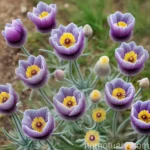
The eastern pasqueflower, or Pulsatilla patens, is a perennial herbaceous plant native to various regions across Europe and Asia, including Russia, Ukraine, and parts of Scandinavia. This species is known for its delicate, bell-shaped flowers that emerge in early spring, creating a stunning display of color in natural meadows, woodlands, and rocky slopes.
The plant features finely dissected, fern-like leaves and solitary bell-shaped flowers that range in color from pale lavender to deep purple. As a member of the Ranunculaceae family, it is closely related to other popular garden flowers such as buttercups, delphiniums, and anemones.
Key Takeaways – Eastern Pasqueflower (Pulsatilla patens)
Before delving deeper into the intricacies of the eastern pasqueflower, let’s highlight some key takeaways that will be covered in detail throughout this guide:
- Eastern Pasqueflower Habitat
- Native to Europe and Asia, including regions of Russia and Ukraine.
-
Thrives in natural meadows, woodlands, and rocky slopes.
-
Pulsatilla Patens Facts
- Delicate, bell-shaped flowers.
- Fern-like, dissected leaves.
-
Various flower colors ranging from pale lavender to deep purple.
-
Eastern Pasqueflower Care
- Water, sunlight, fertilizer, soil, and pruning requirements.
-
Propagation and container gardening tips.
-
Pulsatilla Patens Flowering Season
- Early spring bloom time.
-
Duration of the flowering period.
-
Eastern Pasqueflower Growth Conditions
-
Preferred environmental conditions for optimal growth.
-
Pulsatilla Patens Characteristics
-
Unique traits that distinguish it from other plants in the genus.
-
Eastern Pasqueflower Medicinal Uses
-
Historical and modern medicinal applications.
-
Pulsatilla Patens Propagation
-
Methods for reproducing the plant.
-
Eastern Pasqueflower Gardening Tips
-
Recommendations for cultivating the plant in home gardens.
-
Pulsatilla Patens Seeds
- Insight into seed characteristics and dispersal.
-
Eastern Pasqueflower Native Range
- Geographic distribution and habitats.
-
Pulsatilla Patens Cultivation
- Domestication and commercial cultivation.
-
Eastern Pasqueflower Wildlife Benefits
- Ecological value and interactions with wildlife.
-
Pulsatilla Patens Symbolism
- Cultural and symbolic significance.
-
Eastern Pasqueflower Natural Habitat
- Environments where the plant naturally thrives.
-
Pulsatilla Patens Common Names
- Diverse names used to refer to the plant globally.
-
Eastern Pasqueflower Folklore
- Mythological and traditional associations.
-
Pulsatilla Patens Endangered Status
- Conservation status and efforts to protect the species.
-
Eastern Pasqueflower Adaptations
- Unique features that help the plant thrive in its natural habitat.
-
Pulsatilla Patens Planting Guide
- Recommendations for planting and care.
-
Eastern Pasqueflower Climate Preferences
- Environmental conditions that best suit its growth.
-
Pulsatilla Patens Soil Requirements
- Soil types and qualities conducive to its development.
-
Eastern Pasqueflower Garden Design
- Incorporating the plant into landscape designs.
-
Pulsatilla Patens Pest Control
- Common pests and methods of control.
-
Eastern Pasqueflower Pollinators
- Insect species that aid in pollination.
-
Pulsatilla Patens Companion Plants
- Suitable plant companions for mixed gardens.
-
Eastern Pasqueflower Seasonal Care
- Guidelines for caring for the plant across different seasons.
-
Pulsatilla Patens Life Cycle
- Stages of growth and reproduction.
-
Eastern Pasqueflower Propagation Methods
- Techniques for reproducing the plant.
-
Pulsatilla Patens Pruning Tips
- Pruning requirements and best practices.
-
Eastern Pasqueflower Water Requirements
- Optimal watering practices for healthy growth.
-
Pulsatilla Patens Container Gardening
- Cultivating the plant in containers and pots.
-
Eastern Pasqueflower Sunlight Needs
- Sunlight requirements for ideal development.
-
Pulsatilla Patens Varieties
- Different varieties and cultivars.
-
Eastern Pasqueflower Landscape Uses
- Utilizing the plant in landscaping.
-
Pulsatilla Patens Flower Colors
- Variation in flower colors and their significance.
-
Eastern Pasqueflower Medicinal Properties
- Healing properties and traditional uses.
-
Pulsatilla Patens Folklore and Legends
- Stories and beliefs associated with the plant.
-
Eastern Pasqueflower Wildlife Habitat
- Impact on local wildlife and ecosystems.
-
Pulsatilla Patens Garden Maintenance
- Recommendations for maintaining healthy plants.
-
Eastern Pasqueflower Weed Control
- Managing unwanted vegetation around the plant.
-
Pulsatilla Patens Seed Starting Tips
- Starting the plant from seeds.
-
Eastern Pasqueflower Companion Planting
- Suitable plant companions in mixed gardens.
-
Pulsatilla Patens Unique Features
- Distinctive characteristics that set it apart from other plants.
-
Eastern Pasqueflower Plant Diseases
- Common diseases and how to diagnose them.
-
Pulsatilla Patens Winter Care
- Special care requirements during the winter season.
-
Eastern Pasqueflower Native Uses
- Traditional uses by indigenous cultures.
-
Pulsatilla Patens Therapeutic Benefits
- Health benefits associated with the plant.
-
Eastern Pasqueflower Landscape Design
- Designing landscapes with the plant in mind.
-
Pulsatilla Patens Natural Remedies
- Medicinal and healing applications.
Now that we have outlined the core aspects that will be covered, let’s embark on a fascinating journey into the world of the eastern pasqueflower.
Culture
The eastern pasqueflower, as a species with rich cultural and historical significance, holds a special place in the hearts of botany enthusiasts and nature lovers alike. It has been revered for centuries for its enchanting beauty and valued for its medicinal properties. Understanding the cultural context of the plant allows for a deeper appreciation of its unique characteristics and ecological importance.
Eastern Pasqueflower Folklore and Legends
Throughout history, the eastern pasqueflower has been the subject of various folklore and legends, often intertwined with the arrival of spring and the rebirth of nature. In some Slavic traditions, the flower is associated with the celebration of Easter, symbolizing purity and new beginnings. Its blooming period coinciding with the Easter season has cemented its status as a symbol of renewal and hope in many cultures.
Furthermore, the plant was believed to possess protective properties against evil spirits and was often used in rituals and ceremonies to bring good luck and ward off negativity. This mystical association adds a layer of enchantment to the eastern pasqueflower, enhancing its allure and significance in cultural practices.
Eastern Pasqueflower Symbolism
The striking beauty of the eastern pasqueflower has inspired various symbolic interpretations across different cultures. In addition to its association with Easter and rebirth, the flower has been linked to notions of youth, purity, and the ephemeral nature of life. Its delicate petals and early emergence in spring evoke sentiments of fragility and resilience, making it a poignant symbol in literature, art, and folklore.
In some regions, the plant is revered as a symbol of protection and prosperity, often depicted in traditional crafts and decorative motifs to invoke positive energy and blessings. The profound symbolism attached to the eastern pasqueflower reflects humanity’s enduring fascination with nature and the profound meanings we ascribe to its diverse manifestations.
Uses
The eastern pasqueflower exhibits a multitude of uses, ranging from ornamental and ecological to medicinal and cultural applications. Understanding these diverse uses sheds light on the plant’s value and significance in various contexts, from household gardens to traditional healing practices.
Ornamental Use
One of the primary uses of the eastern pasqueflower is its ornamental value in horticulture and landscaping. Its stunning blossoms, coupled with its unique foliage, make it an attractive addition to gardens, meadows, and naturalized landscapes. The early spring bloom time and vibrant coloration of its flowers enhance the visual appeal of outdoor spaces, creating captivating displays that signal the arrival of the new growing season.
In home gardens, the eastern pasqueflower is often cultivated for its aesthetic charm, adding a touch of wild beauty to flower beds, rock gardens, and mixed perennial borders. Its adaptability to various soil types and relatively low maintenance requirements make it an appealing choice for gardeners seeking to introduce native and naturalized species to their outdoor environments.
Ecological Use
From an ecological perspective, the eastern pasqueflower plays a crucial role in supporting biodiversity and ecosystem health. As a native species in its respective regions, it contributes to the overall floral diversity and provides essential resources for pollinators and other wildlife. The nectar and pollen of its blossoms attract bees, butterflies, and other beneficial insects, promoting pollination and ecological balance.
In natural habitats, the plant forms part of the intricate web of plant-animal interactions, offering sustenance and shelter to a diverse array of wildlife. Its presence in meadows and grasslands contributes to the restoration and preservation of native plant communities, fostering resilience in the face of environmental changes and human impact.
Medicinal Use
Throughout history, the eastern pasqueflower has been recognized for its medicinal properties, with various parts of the plant utilized in traditional healing practices. The roots, leaves, and flowers contain bioactive compounds with potential therapeutic benefits, leading to their use in herbal remedies and folk medicine.
In traditional herbalism, preparations of the eastern pasqueflower have been employed to alleviate symptoms of respiratory ailments, digestive disorders, and inflammatory conditions. Tinctures, infusions, and topical applications derived from the plant were valued for their purported antispasmodic, analgesic, and antimicrobial properties.
Research into the medicinal uses of the eastern pasqueflower continues to unveil its potential as a source of natural remedies and pharmaceutical compounds, providing insights into the chemical composition and biological activities of its constituents.
Water
The eastern pasqueflower, like many plants, has specific water requirements that contribute to its overall health and vitality. Understanding the plant’s water needs is essential for ensuring optimal growth and flowering, particularly in diverse environmental conditions.
Eastern Pasqueflower Water Requirements
As a plant acclimated to varying moisture levels in its natural habitats, the eastern pasqueflower exhibits moderate water needs, displaying a preference for well-drained soil and intermittent watering. Excessive or prolonged moisture around the root zone can lead to root rot and other detrimental conditions, making it crucial to adhere to appropriate watering practices.
During the active growing season, providing regular, deep watering when the soil begins to dry slightly is advisable, ensuring that the root system receives adequate moisture without becoming waterlogged. However, in periods of dormancy and reduced growth, such as during the summer months, the plant can tolerate drier conditions, requiring less frequent watering to prevent waterlogging and maintain healthy root function.
When cultivating the eastern pasqueflower in home gardens and containers, monitoring soil moisture levels and adjusting watering frequency based on environmental factors, such as temperature and rainfall, is essential for promoting robust growth and vibrant blooms.
Sunlight
Sunlight is a vital component of plant growth and development, influencing factors such as photosynthesis, flowering, and overall physiological performance. The eastern pasqueflower exhibits specific sunlight requirements that are integral to its ability to thrive and flourish in various environments.
Eastern Pasqueflower Sunlight Needs
The eastern pasqueflower thrives in locations that receive full to partial sunlight, exhibiting a preference for ample light exposure during its active growing season. In its natural habitats, the plant inhabits open meadows, grasslands, and rocky slopes, often basking in the radiant sunlight of early spring to fuel its growth and reproductive processes.
When cultivated in home garden settings, providing the eastern pasqueflower with a sunny to partially shaded location is essential for encouraging robust flowering and maintaining healthy foliage. While the plant can tolerate some shade, especially in warmer climates, it typically performs best when exposed to direct sunlight for a significant portion of the day.
Understanding the sunlight needs of the eastern pasqueflower enables gardeners to select suitable planting sites and optimize environmental conditions to support its natural growth habits, ultimately leading to more successful cultivation and a profusion of captivating blooms.
Fertilizer
Fertilization plays a pivotal role in nurturing plant health and promoting vigorous growth, particularly in cultivated settings where soil nutrient levels may require supplementation. The eastern pasqueflower benefits from judicious fertilization practices that provide essential elements for its development while respecting its preference for lean, well-drained soils.
Eastern Pasqueflower Fertilization Guidelines
When considering fertilization for the eastern pasqueflower, it is crucial to emphasize the plant’s preference for nutrient-poor, well-drained soil, reflective of its natural habitat conditions. Excessive soil fertility can lead to rampant vegetative growth at the expense of floral production, potentially compromising the plant’s ornamental and ecological value.
Generally, applying a balanced, low-potency fertilizer sparingly at the onset of the growing season can assist in supporting the eastern pasqueflower’s initial growth and flowering, providing a gentle boost of nutrients without overwhelming the soil with excessive concentrations. Organic fertilizers, such as compost and well-rotted manure, can also be utilized to enhance soil structure and nutrient availability while aligning with the plant’s preference for organic, naturally derived inputs.
Specifically tailored fertilizer formulations, such as those designed for flowering perennials or native wildflowers, can offer targeted nutritional support for the eastern pasqueflower, ensuring that its unique growth requirements are met without inducing excessive vegetative vigor or altering its natural adaptation to lean soil conditions.
Soil
Soil is the foundational medium in which plants grow, providing essential support, moisture, and nutrients necessary for their survival and prosperity. The eastern pasqueflower, with its distinct preferences for well-drained, lean soils, thrives in specific soil conditions that reflect its natural ecological niche.
Eastern Pasqueflower Soil Preferences
The eastern pasqueflower demonstrates a predilection for well-drained, alkaline to neutral soils with minimal organic enrichment, mirroring the characteristics of its native habitats in rocky meadows and upland grasslands. A lean, sandy loam soil texture, coupled with good drainage and aeration, allows the plant’s root system to access moisture and nutrients while minimizing the risk of waterlogging and soil compaction.
In home garden settings, amending heavy or clay-based soils with coarse sand, gravel, or perlite can improve drainage and prevent water accumulation around the root zone, creating a more suitable growing environment for the eastern pasqueflower. Additionally, incorporating organic matter in the form of well-rotted compost or aged leaf litter can enhance soil structure and fertility subtly, aligning with the plant’s tolerance for modest nutrient levels and promoting a healthy balance of microbial activity in the soil ecosystem.
Understanding and respecting the eastern pasqueflower’s soil preferences allows gardeners to create hospitable growing conditions that mirror its natural habitats, fostering robust growth, and captivating floral displays in cultivated landscapes.
Pruning
Pruning is a valuable horticultural practice that plays a pivotal role in shaping plant growth, promoting flowering, and maintaining overall plant health. The eastern pasqueflower, with its distinctive growth habits and flowering patterns, benefits from thoughtful, selective pruning to optimize its ornamental and ecological value.
Pulsatilla Patens Pruning Tips
When approaching pruning for the eastern pasqueflower, it is essential to consider the plant’s growth cycle and flowering behavior to guide the pruning process effectively. The following tips offer insight into best practices for pruning this enchanting perennial:
-
Timing: Prune the plant immediately after flowering in late spring to early summer, once the initial flush of blooms has finished. This timing ensures that the plant’s energy reserves are not depleted by removing spent flowers and allows for new vegetative growth to develop before the onset of dormancy.
-
Removal of Spent Flowers: Trim away spent flower heads and fading foliage, promoting a tidier appearance and redirecting the plant’s resources toward seed production and the development of potential secondary blooms. Snipping the flower stems just above a set of healthy leaves or secondary flower buds encourages new growth and rejuvenates the plant’s appearance.
-
Thinning and Shaping: As the growing season progresses, selectively thin out crowded stems and shape the plant to maintain an open, airy structure that enhances airflow and reduces the risk of disease and pest issues. Removing competing or tangled growth also prevents energy diversion and encourages robust, well-spaced flowering in subsequent seasons.
-
Avoid Excessive Pruning: While the eastern pasqueflower benefits from thoughtful pruning, it is important to avoid excessive or indiscriminate cutting, as this can weaken the plant and disrupt its natural growth patterns. Striking a balance between maintaining the plant’s natural form and promoting flowering vigor is key to successful pruning.
Propagation
The propagation of the eastern pasqueflower allows for the expansion of its presence in gardens, conservation efforts, and educational initiatives, providing opportunities to share its beauty and ecological significance with a broader audience. By understanding and employing suitable propagation methods, individuals can contribute to the preservation and appreciation of this captivating plant.
Pulsatilla Patens Propagation Techniques
The eastern pasqueflower can be propagated through various methods, each offering distinct advantages and considerations for successful reproduction. The following techniques outline effective approaches to propagating this cherished perennial:
-
Seed Propagation: Sowing fresh seeds in well-prepared soil during the autumn months, or alternatively, simulating cold stratification by refrigerating seeds for a period, can trigger germination and establishment of new plants. Selecting a well-drained, sandy soil medium and providing consistent moisture and light levels can enhance seedling emergence and early growth.
-
Division: Lifting and dividing mature clumps of eastern pasqueflower plants in early spring or late summer offers a means of creating new plants from established individuals. The divided segments can be replanted in suitable locations, allowing them to establish and flourish independently.
-
Root Cuttings: Collecting sections of root material from healthy plants during periods of dormancy, typically in late autumn to early winter, and planting them in propagation trays or directly in well-drained soil can yield new plant growth over time. Draining medium and adequate moisture levels are critical for