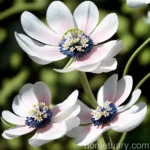
The Wondrous World of Pasque Flower (Pulsatilla halleri subsp. taurica)
The breathtaking beauty of the Pasque flower (Pulsatilla halleri subsp. taurica) has enchanted generations of plant enthusiasts and gardeners. This exquisite flowering plant, known for its delicate blooms and rich cultural history, captivates the eye and stirs the imagination. In this comprehensive guide, we will explore the fascinating world of the Pasque flower, from its rich cultural significance to its fundamental cultivation and care requirements.

What is Pasque Flower?
The Pasque flower, scientifically recognized as Pulsatilla halleri subsp. taurica, is a perennial herbaceous plant belonging to the Ranunculaceae family. This captivating plant is native to various regions of Europe, including the stunning mountainous landscapes of Ukraine and Crimea. It is renowned for its vibrant purple blooms, which emerge early in the spring, often peeking through the lingering snow, marking the arrival of the new season. The Pasque flower’s botanical name, Pulsatilla, is derived from the Latin word pulsare, meaning “to sway,” a fitting depiction of the plant’s graceful demeanor as it sways gently in the spring breeze.
Key Takeaways – Pasque Flower (Pulsatilla halleri subsp. taurica)
Here are the key takeaways for Pasque Flower:
- Scientific Name: Pulsatilla halleri subsp. taurica
- Family: Ranunculaceae
- Common Name: Pasque flower
- Native Habitat: Ukraine and Crimea
- Blooming Season: Early spring
Culture
In many cultures, the Pasque flower holds deep symbolic significance. It is often associated with traditional folklore and carries both spiritual and medicinal importance. Throughout history, the plant has been celebrated in various rituals, stories, and herbal practices, elevating its presence beyond its physical beauty. Its association with rebirth, renewal, and the arrival of spring has granted it a revered status in many societies.
Uses
The Pasque flower has historically been utilized for its medicinal properties, with its roots and blossoms being esteemed for their potential healing properties. However, it is crucial to exercise caution and seek professional guidance before using any plant for medicinal purposes. The Pasque flower also serves as a stunning ornamental plant, gracing gardens and landscapes with its breathtaking blossoms.
Water
When it comes to watering the Pasque flower, it is important to strike a balance. While the plant thrives in well-drained soil, it requires adequate moisture, especially during its growing season. It is essential to avoid waterlogging, as excessive moisture can lead to root rot and other detrimental conditions. Regular, light watering is generally recommended, particularly during dry spells, ensuring that the soil remains consistently moist but not waterlogged.
Sunlight
The Pasque flower thrives in full sun to partial shade, with ample sunlight being essential for its vigorous growth and vibrant blossoms. When selecting an ideal planting location, it is advisable to choose a spot that receives ample sunlight, especially during the beginning of the growing season when the plant is focused on the highly anticipated emergence of its stunning blooms.
Fertilizer
For optimal growth and blooming, the Pasque flower can benefit from a light application of fertilizer in early spring. A balanced, low-nitrogen fertilizer can help provide the necessary nutrients without promoting excessive vegetative growth at the expense of flowering. Care should be taken to follow the recommended dosage and application guidelines to avoid over-fertilization, which can be detrimental to the plant.
Soil
The Pasque flower thrives in well-drained, slightly alkaline soil. A sandy or loamy soil texture with good drainage is beneficial for the plant’s health and vitality. Additionally, the soil should ideally be rich in organic matter, providing essential nutrients and fostering a favorable growing environment for the Pasque flower.
Pruning
Pruning the Pasque flower is generally uncomplicated, and minimal intervention is required. After the blooming period, the plant may benefit from light pruning to remove spent blooms and maintain its overall shape. However, pruning should be approached with care to avoid excessive disruption to the plant’s natural growth cycle.
Propagation
The propagation of Pasque flowers can be achieved through various methods, including seed propagation and division. Both approaches offer an opportunity to expand and propagate these enchanting plants, allowing for an increased presence of Pasque flowers in gardens and landscapes. Careful consideration of the propagation method and timing can contribute to successful propagation outcomes.
Container Popularity
The striking beauty and compact growth habit of the Pasque flower make it an attractive option for container gardening, adding a touch of elegance to balconies, patios, and small outdoor spaces. When cultivated in containers, the Pasque flower can serve as a captivating focal point, lending its vibrant hues and graceful presence to its surroundings.
Container Common Diseases
While Pasque flowers are generally resilient, they may be susceptible to certain diseases and fungal infections if their growing conditions are not conducive to their needs. Common diseases that may affect Pasque flowers include powdery mildew and botrytis blight. These conditions can arise in environments with poor air circulation and excessive humidity, potentially impacting the plant’s health and vitality.
Disease Diagnosis
Accurately diagnosing and identifying potential diseases affecting Pasque flowers is essential for implementing timely and effective treatment measures. Visual symptoms such as discoloration, wilting, or the presence of mold should be carefully assessed, and professional guidance may be sought to address any concerns and ensure the plant’s well-being.
Common Pests
While Pasque flowers are relatively resistant to pests, they may occasionally face challenges from aphids, snails, and slugs. These pests can impact the plant’s foliage and blossoms, necessitating appropriate measures to manage and mitigate their presence in the garden or landscape.
Botanist’s Tips
- Enhancing Drainage: Amending the soil with organic matter and sand can improve drainage, creating an optimal growing environment for Pasque flowers.
- Promoting Air Circulation: Ensuring adequate air circulation around the plants can reduce the risk of fungal infections and promote overall plant health.
- Observation and Care: Regular observation of the plant’s growth and condition can facilitate timely interventions and care, contributing to its long-term well-being.
Cultivation
The cultivation of Pasque flowers presents an opportunity to embrace the natural beauty and resilience of these enchanting plants. By providing the appropriate growing conditions and care, gardeners can witness the flourishing of Pasque flowers, adding a touch of elegance and vibrancy to their outdoor spaces.
Fun Facts
- The Pasque flower’s name is derived from the Hebrew word “pasakh” or “passover,” signifying its association with the spring season and renewal.
- Pasque flowers are celebrated for their ability to attract pollinators, contributing to the vitality of garden ecosystems.
- In traditional herbalism, Pasque flowers have been revered for their potential medicinal properties, adding a layer of significance beyond their visual appeal.
Links to External Resources
For further exploration of Pasque flowers, the following resources provide valuable insights and information:
- Royal Horticultural Society – Pasque Flower Cultivation
- Botanical Society of Britain & Ireland – Pulsatilla halleri subsp. taurica
- American Society for the Prevention of Cruelty to Plants – Pasque Flower Species and Varieties
- Pasque Flower Research Foundation – Pulsatilla taurica Habitat and Conservation
In conclusion, the Pasque flower, with its mesmerizing blooms and rich cultural heritage, stands as a testament to the enduring allure of plants in our lives. From its vibrant symbolism to its cherished presence in gardens and landscapes, the Pasque flower continues to captivate and inspire, offering a glimpse into the boundless wonders of the natural world.
“Nature is not a place to visit. It is home.” – Gary Snyder