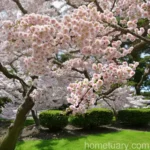
Prunus x yedoensis ‘Somei-Yoshino’ (Yoshino Cherry)
Prunus x yedoensis ‘Somei-Yoshino’, commonly known as Yoshino Cherry, is a spectacular flowering tree that has garnered immense popularity worldwide for its stunning floral display. This cultivar of cherry tree is revered for its ornamental value and is widely cultivated for its aesthetic appeal. In this comprehensive guide, we will delve into the various aspects of Prunus x yedoensis ‘Somei-Yoshino’, encompassing its culture, uses, care requirements, common diseases, pests, and propagation methods. By the end of this read, you will have gained significant insight into nurturing, maintaining, and appreciating the beauty of Yoshino Cherry trees.
Key Takeaways – Prunus x yedoensis ‘Somei-Yoshino’ (Yoshino Cherry)
Before we embark on this insightful journey, let’s encapsulate the key takeaways of Prunus x yedoensis ‘Somei-Yoshino’ in the following points:
- Cultivation: The Yoshino Cherry tree is known for its captivating beauty, making it an excellent choice for ornamental landscaping.
- Blooming Spectacle: Prunus x yedoensis ‘Somei-Yoshino’ dazzles with its profusion of delicate, pale pink flowers, creating a picturesque display during the blossom season.
- Low Maintenance: Despite its grandeur, Yoshino Cherry trees are relatively low in maintenance, making them an attractive addition to gardens and urban landscapes.
- Cultural Significance: This cherry tree variety holds profound cultural significance, particularly in Japan and Washington, D.C., where its blooming marks a joyous celebration and symbolizes renewal and the ephemeral nature of life.
The allure of Prunus x yedoensis ‘Somei-Yoshino’ is not limited to its visual grandeur. As we explore its nuances, you will discover the multifaceted charm of this exquisite flowering tree.
What is Prunus x yedoensis ‘Somei-Yoshino’?
Prunus x yedoensis ‘Somei-Yoshino’ is a hybrid cherry tree that belongs to the Rosaceae family and the genus Prunus. It is a result of the crossbreeding of two cherry species native to Japan, Prunus speciosa (Oshima Zakura) and Prunus pendula f. ascendens (Edo Higan). This captivating hybrid cultivar is celebrated for its delicate, single-petaled flowers that adorn the tree in abundance during the peak of its flowering season. The name “Somei-Yoshino” originates from a village called Somei, known for its prestigious cherry blossoms, and “Yoshino,” referring to the Yoshino region in Nara, Japan, where this stunning cherry variety is widely cultivated.
Plant Specifications – Prunus x yedoensis ‘Somei-Yoshino’
Before we delve into the intricacies of nurturing Prunus x yedoensis ‘Somei-Yoshino’, let’s take a look at the key specifications of this magnificent cherry tree:
- Scientific Name: Prunus x yedoensis ‘Somei-Yoshino’
- Common Name: Yoshino Cherry
- Family: Rosaceae
- Genus: Prunus
- Origin: Japan
- Type: Deciduous tree
- Mature Height: 20 to 30 feet
- Blossom Color: Pale pink
- Blossom Season: Early to mid-spring
- USDA Hardiness Zones: 5 to 8
Now that we have familiarized ourselves with the basic specifications of Prunus x yedoensis ‘Somei-Yoshino’, let’s explore the various facets of its cultural significance, uses, and cultivation requirements.
Culture
Historical Significance and Symbolism
In the cultural tapestry of Japan, cherry blossoms, or “Sakura,” including Prunus x yedoensis ‘Somei-Yoshino’, hold profound symbolic value. The cherry blossom season, known as “Sakura Matsuri,” marks a time of celebration, reflection, and appreciation of the transient beauty of nature. In Washington, D.C., the annual National Cherry Blossom Festival celebrates the gift of cherry blossom trees from Japan and commemorates the enduring friendship between the two nations. Thus, the culture surrounding Yoshino Cherry trees transcends geographical boundaries and fosters a global appreciation for the ephemeral splendor of these exquisite flowering trees.
Landscape Design and Ornamental Use
The breathtaking beauty of Prunus x yedoensis ‘Somei-Yoshino’ makes it an ideal choice for ornamental landscaping. In garden settings, municipal parks, and urban landscapes, the Yoshino Cherry tree creates a mesmerizing display during the early spring, captivating all who behold its resplendent blossoms. Landscapes adorned with Yoshino Cherry trees evoke a sense of tranquility, elegance, and natural grace, elevating the visual appeal of any surroundings. Due to its ornamental value, Yoshino Cherry trees are often used as focal points in landscaping, enhancing the aesthetic allure of the outdoor environment.
Uses
Ornamental Accent
Prunus x yedoensis ‘Somei-Yoshino’ is primarily revered for its ornamental value, serving as a captivating focal point in gardens, parks, and urban landscapes. The profusion of delicate pale pink flowers that envelop the tree during the blossom season creates a spectacle of natural beauty, enriching the visual tapestry of any environment. The ornamental allure of Yoshino Cherry trees makes them an indispensable asset in landscaping, where they infuse a touch of elegance and serenity into the surroundings.
Cultural Celebrations
Yoshino Cherry trees play a pivotal role in cultural celebrations and festivals, particularly in Japan and Washington, D.C. The annual Cherry Blossom Festival in Washington, D.C., draws visitors from around the world to partake in the joyous spectacle of cherry blossoms adorning the cityscape. In Japan, the tradition of “Hanami,” or flower viewing, involves gathering under blooming cherry trees to celebrate the arrival of spring and cherish the beauty of nature. Prunus x yedoensis ‘Somei-Yoshino’ symbolizes renewal, the transient nature of life, and the essence of impermanence, infusing these cultural celebrations with profound symbolism and significance.
Plant Care
Water
Proper watering is essential for the optimal growth and health of Prunus x yedoensis ‘Somei-Yoshino’ trees. During the establishment phase, newly planted Yoshino Cherry trees require regular watering to facilitate root development and ensure their resilience. Once established, these trees display moderate drought tolerance but benefit from consistent, deep watering during prolonged dry spells. Adequate moisture levels are imperative during the blossom season to support the profusion of flowers and prevent water stress, which can compromise the tree’s vitality.
Sunlight
Yoshino Cherry trees thrive in full sunlight, necessitating at least six to eight hours of direct sunlight daily for robust growth and prolific blooming. During the initial planting phase, selecting a location that receives ample sunlight is instrumental in facilitating the tree’s establishment and ensuring its vigor. Adequate sunlight exposure is crucial for stimulating the abundant flowering of Prunus x yedoensis ‘Somei-Yoshino’, illuminating the landscape with its ethereal pink blossoms during the spring season.
Fertilizer
Appropriate fertilization regimen is pivotal in promoting the health, vigor, and flowering prowess of Yoshino Cherry trees. A balanced, slow-release fertilizer, specifically formulated for flowering trees, can be applied in early spring before the onset of new growth. Additionally, supplemental applications of fertilizer may be beneficial in late spring to fortify the tree with essential nutrients for the development of flower buds and foliage. Care should be exercised to avoid excessive fertilization, as it can compromise the natural balance of the tree’s growth and flowering.
Soil
Well-draining, fertile soil that is rich in organic matter is conducive to the thriving of Prunus x yedoensis ‘Somei-Yoshino’. Loamy, moderately acidic soil with good drainage facilitates optimal root development and minimizes the risk of waterlogged conditions, which can be detrimental to the tree’s health. Prior to planting, amending the soil with organic compost can enhance its fertility and texture, creating a conducive environment for the establishment and growth of Yoshino Cherry trees.
Pruning
Judicious pruning is essential for maintaining the structural integrity, aesthetics, and vitality of Prunus x yedoensis ‘Somei-Yoshino’. Pruning should ideally be conducted during the dormant season, post-bloom, to minimize stress and facilitate efficient wound healing. The primary objectives of pruning Yoshino Cherry trees include the removal of dead, diseased, or damaged branches, rejuvenation of overgrown or crowded growth, and the enhancement of the tree’s natural form and aesthetics. Care should be exercised to avoid over-pruning, as it can compromise the tree’s vigor and flowering potential.
Propagation
Seed Propagation
Propagation of Prunus x yedoensis ‘Somei-Yoshino’ can be accomplished through seed germination, albeit with some variability in the resultant progeny due to genetic diversity. Collecting seeds from mature cherry fruits and subjecting them to a stratification period, characterized by cold, moist conditions, can stimulate their dormancy-breaking and subsequent germination. However, it is important to note that seed propagation may not yield true-to-type offspring, as the genetic diversity within the seeds can give rise to variations in floral characteristics and growth habits.
Grafting
Grafting represents a reliable method for propagating Prunus x yedoensis ‘Somei-Yoshino’ while preserving the desired genetic traits and floral characteristics of the parent tree. Techniques such as T-budding and whip grafting can be employed to amalgamate the scion wood of Yoshino Cherry onto compatible rootstock, ensuring the propagation of true-to-type specimens. Grafting offers greater precision in replication and facilitates the perpetuation of superior traits, making it an effective propagation method for commercial nurseries and enthusiasts seeking to maintain the genetic integrity of this iconic cherry variety.
Container Popularity
The compact stature and ornamental allure of Prunus x yedoensis ‘Somei-Yoshino’ make it well-suited for container cultivation, offering an opportunity to adorn patios, balcony gardens, and compact outdoor spaces with the mesmerizing beauty of cherry blossoms. Container-grown Yoshino Cherry trees require diligent attention to watering, fertilization, and adequate sunlight exposure to thrive in a confined environment. The portability of containerized cherry trees allows for flexible placement, enabling enthusiasts to create captivating floral displays in various outdoor settings.
Common Diseases
Blossom Blight (Monilinia)
Blossom blight, caused by the fungal pathogen Monilinia, poses a threat to the floral splendor of Prunus x yedoensis ‘Somei-Yoshino’, manifesting as the browning and withering of blossoms. This fungal disease capitalizes on moist conditions and can lead to the rapid deterioration of flowers, compromising the visual impact of the cherry tree. Prudent sanitation practices, including the removal and disposal of infected blossoms, and the application of fungicidal treatments can help mitigate the prevalence of blossom blight, preserving the aesthetic appeal of Yoshino Cherry trees.
Powdery Mildew (Podosphaera)
Powdery mildew, characterized by the appearance of white, powdery fungal growth on foliage, can afflict Prunus x yedoensis ‘Somei-Yoshino’, diminishing the vitality and aesthetics of the tree. Fungal spores disseminate through air and thrive in conditions of high humidity, posing a risk to the health of cherry trees. Cultural practices such as promoting adequate air circulation, pruning to alleviate overcrowded growth, and applying fungicidal sprays can assist in preventing and managing powdery mildew, safeguarding the foliar integrity of Yoshino Cherry trees.
Disease Diagnosis
Accurate diagnosis of diseases affecting Prunus x yedoensis ‘Somei-Yoshino’ is pivotal in implementing effective management strategies and preserving the health and beauty of the cherry trees. Careful observation of foliage, blossoms, and overall tree vigor, coupled with the identification of characteristic symptoms, can aid in the precise diagnosis of diseases. Consulting with plant pathologists, arborists, or local agricultural extension offices can provide invaluable insights into the identification and management of diseases, ensuring the proactive safeguarding of Yoshino Cherry trees against potential threats.
Common Pests
Aphids
Aphids, sap-sucking insects that congregate on the undersides of foliage, can infest Prunus x yedoensis ‘Somei-Yoshino’ trees, compromising their health and vigor. The feeding activities of aphids can lead to the distortion of leaves, excretion of honeydew, and the proliferation of sooty mold, impacting the aesthetic and physiological aspects of the cherry tree. Implementing cultural controls, such as promoting natural predators and practicing horticultural oil applications, can help manage aphid populations and protect the vitality of Yoshino Cherry trees.
Scale Insects
Scale insects, characterized by their immobile, shield-like exoskeletons, can colonize the branches and trunk of Prunus x yedoensis ‘Somei-Yoshino’, siphoning off vital nutrients and impeding the tree’s health. In severe infestations, scale insects can weaken the tree, leading to stunted growth, yellowing foliage, and branch dieback. Integrated pest management strategies, including the introduction of beneficial insects, horticultural oil applications, and cultural practices such as pruning to remove heavily infested branches, can aid in managing scale insect populations and preserving the vigor of Yoshino Cherry trees.
Botanist’s Tips
Floral Splendor in Urban Landscapes
The enchanting allure of Prunus x yedoensis ‘Somei-Yoshino’ makes it an invaluable addition to urban landscapes, where its bountiful blossoms bestow a touch of natural elegance and grace upon the cityscape. Cultivating Yoshino Cherry trees in urban environments not only enhances the visual appeal of the surroundings but also nurtures a connection with nature, providing a respite from the bustle of urban life. Native to Japan, Yoshino Cherry trees symbolize cultural harmony and the enduring beauty of nature, enriching urban landscapes with their ephemeral yet profound presence.
Promoting Biodiversity
The floral bounty of Prunus x yedoensis ‘Somei-Yoshino’ beckons a myriad of pollinators, including bees, butterflies, and other beneficial insects, contributing to the promotion of biodiversity in the surrounding ecosystem. By cultivating Yoshino Cherry trees, enthusiasts can play a pivotal role in fostering a diverse and vibrant environment, supporting the ecological balance and the well-being of pollinator populations. The ethereal blossoms of Yoshino Cherry trees serve as a vital nectar and pollen source, sustaining pollinators and nurturing the intricate web of life that thrives in harmony with these enchanting flowering trees.
Fun Facts
- The Yoshino Cherry trees that adorn the Tidal Basin in Washington, D.C., were gifted to the city by Japan in 1912 as a symbol of friendship and goodwill.
- Yoshino Cherry blossoms are celebrated in literature, art, and poetry, evoking themes of transience, beauty, and the fleeting nature of life.
- Prunus x yedoensis ‘Somei-Yoshino’ is the most widely planted variety of cherry tree in Japan, adorning the country with a resplendent display of blossoms during the annual Sakura Matsuri.
Now that we have delved into the captivating world of Prunus x yedoensis ‘Somei-Yoshino’, it is evident that this iconic cherry tree is much more than a botanical specimen—it is a beacon of beauty, a symbol of cultural harmony, and a testament to the wondrous elegance of nature.
Links to External Resources
For further insights into the enchanting realm of Prunus x yedoensis ‘Somei-Yoshino’, as well as valuable resources on cherry tree cultivation, history, and cultural significance, we recommend exploring the following links:
- The National Cherry Blossom Festival – Washington, D.C.
- Cherry Blossom Viewing in Japan
- Cultural Significance of Cherry Blossoms
- Gardening and Landscaping Tips for Cherry Trees
- Cherry Blossom Symbolism in Literature and Art
- Cherry Blossoms and the Art of Hanami
By immersing ourselves in the diverse facets of Prunus x yedoensis ‘Somei-Yoshino’, we gain a deeper appreciation for the profound impact of this iconic cherry variety on culture, aesthetics, and the enduring beauty of nature.
As we conclude this comprehensive guide, we hope you have found inspiration and insight into the resplendent world of Prunus x yedoensis ‘Somei-Yoshino’. Whether adorning urban landscapes, evoking cultural celebrations, or captivating the hearts of admirers with its ethereal blossoms, the Yoshino Cherry tree continues to weave an enchanting tapestry of beauty, symbolism, and natural harmony.
Remember to cherish the fleeting beauty of cherry blossoms, for in their ephemeral bloom lies the essence of life—a delicate yet wondrous spectacle that captivates the soul and transcends the bounds of time.
Happy gardening and may the allure of Prunus x yedoensis ‘Somei-Yoshino’ fill your world with everlasting wonder and grace!