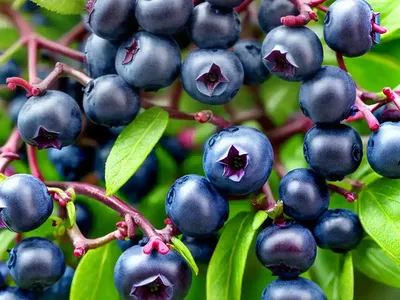
Vaccinium Macrocarpon (Cranberry)
Vaccinium macrocarpon, commonly known as cranberry, is a fascinating plant that has gained significant popularity for its tart and vibrant red berries..
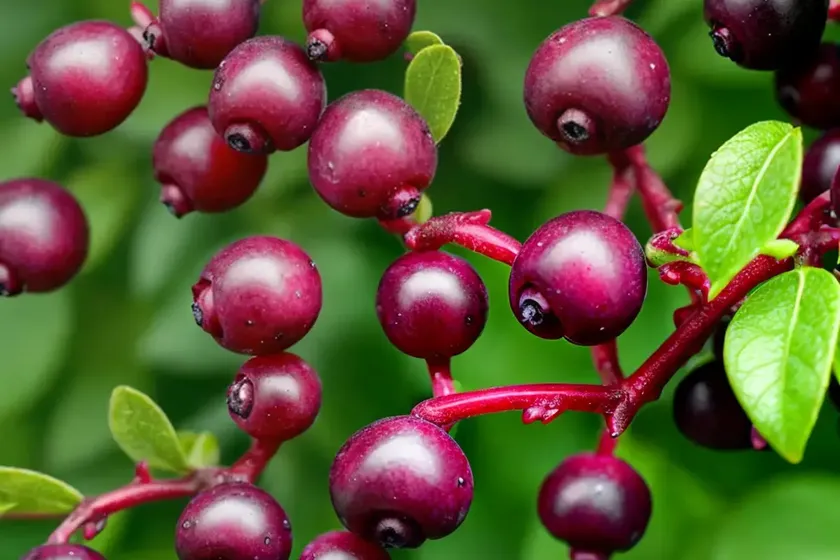
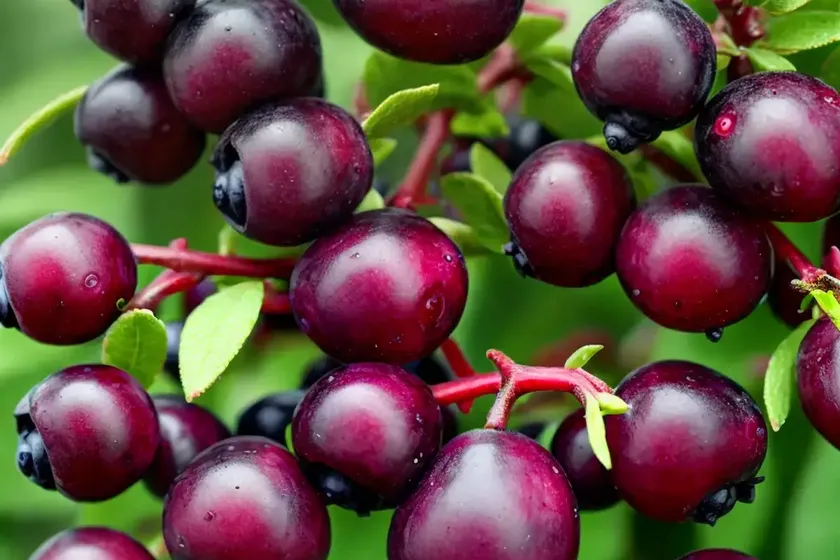
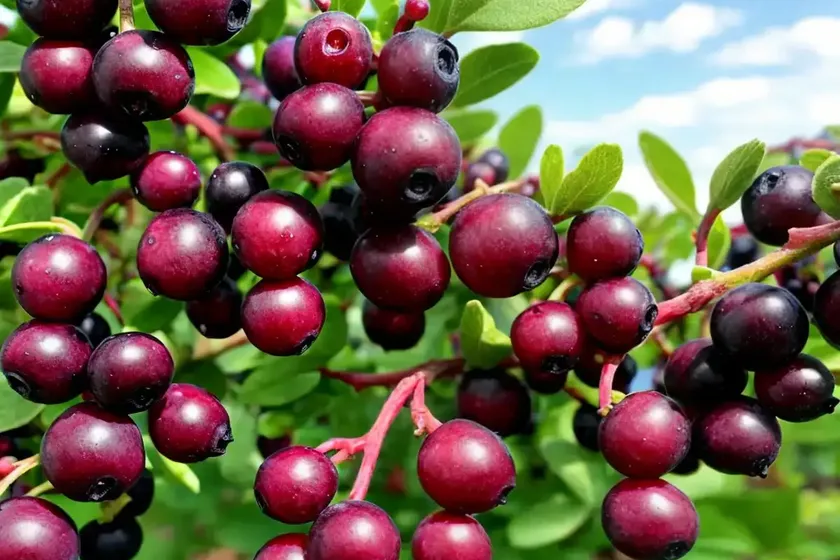
Vaccinium macrocarpon, commonly known as cranberry, is a fascinating plant that has gained significant popularity for its tart and vibrant red berries. Beyond its culinary uses, this perennial evergreen shrub also holds considerable cultural and medicinal significance. In this comprehensive guide, we will delve into the world of Vaccinium macrocarpon, exploring its cultivation and care, as well as its diverse applications. Whether you’re a botanical enthusiast, a prospective cranberry grower, or simply a lover of this delightful fruit, this extensive guide will provide you with valuable insights into the plant’s culture, uses, care requirements, and much more.
What is “Vaccinium macrocarpon” (Cranberry)?
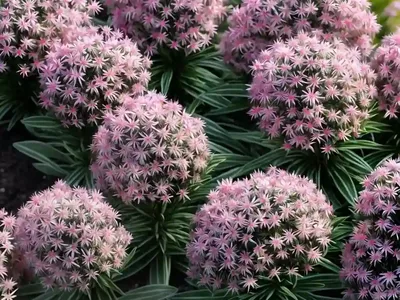
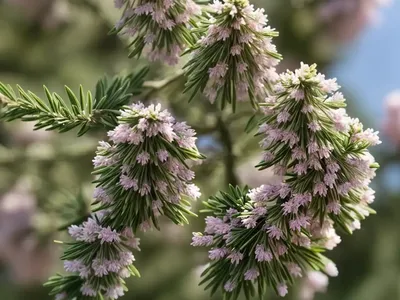
Vaccinium macrocarpon, commonly referred to as cranberry, is a low-growing, evergreen shrub that belongs to the Ericaceae family. This dwarf, trailing vine is indigenous to North America and is predominantly found in damp, acidic bogs in cooler regions. The cranberry plant produces small, pink flowers during the spring and summer, which eventually develop into the iconic red berries that are harvested in the fall.
Cranberries are widely recognized for their tart flavor and vibrant color, making them a popular ingredient in various culinary creations such as sauces, juices, baked goods, and preserves. Beyond its culinary applications, cranberries are also known for their potential health benefits, including their high antioxidant content and potential urinary tract health support.
Key Takeaways – Vaccinium macrocarpon (Cranberry)
Here are some key takeaways worth noting about Vaccinium macrocarpon:
- Scientific Name: Vaccinium macrocarpon
- Common Name: Cranberry
- Family: Ericaceae
- Plant Type: Perennial Evergreen Shrub
- Fruit Type: Berries
- Native Range: North America
- Culinary Uses: Sauces, Juices, Baked Goods, Preserves
- Potential Health Benefits: High Antioxidant Content, Urinary Tract Health Support
Now, let’s explore the comprehensive culture, uses, and care requirements of Vaccinium macrocarpon, offering valuable insights that are beneficial to both enthusiasts and cultivators alike.
Culture
Cranberries have a rich cultural history, particularly among indigenous peoples in North America. Native tribes utilized cranberries for both sustenance and medicinal purposes, recognizing the fruit for its nutritional value and potential health benefits. The cultivation of cranberries has also become deeply embedded in the cultural practices of various regions, with cranberry harvesting often being associated with traditional festivities and celebrations.
Uses
The uses of cranberries are diverse and extend well beyond their culinary applications:
-
Culinary Uses: Cranberries are popularly used in the preparation of sauces, juices, baked goods, preserves, and a variety of desserts. Their tart flavor adds depth and complexity to a wide range of recipes, making them a versatile ingredient in the kitchen.
-
Medicinal Uses: Cranberries are recognized for their potential health benefits, particularly in supporting urinary tract health due to their high levels of proanthocyanidins, which may prevent the adherence of certain bacteria to the urinary tract lining.
-
Cultural Significance: Cranberry harvesting and associated festivities hold cultural significance in many regions, often symbolizing the arrival of the autumn season and the bountiful harvest.
Water
Cranberries are typically grown in locations with relatively high soil moisture levels. This is due to their natural habitat in damp, acidic bogs. As such, ensuring an adequate water supply is essential for the successful cultivation of cranberries. However, it is crucial to avoid waterlogging, as excessive moisture can lead to root rot and other detrimental conditions.
Sunlight
Cranberry plants thrive in full sun to partial shade. While they require a good amount of sunlight to promote fruiting and overall plant health, they can also tolerate some degree of shade, particularly in hotter climates where some protection from the intense sun may be beneficial.
Fertilizer
When it comes to fertilizing cranberry plants, it is important to use fertilizers specifically formulated for acid-loving plants. These fertilizers are designed to meet the unique nutritional requirements of plants such as cranberries, which thrive in acidic soil conditions. Additionally, organic fertilizers, such as compost and well-decomposed manure, can also be beneficial for cranberry plants, providing a gradual release of nutrients and improving soil structure.
Soil
The soil requirements for cranberries are quite distinct, as they thrive in acidic, well-drained soils. When cultivating cranberries, it is essential to ensure that the soil pH falls within the acidic range, typically between 4.0 and 5.5, for optimal growth and fruit production. Amending the soil with organic matter and ensuring proper drainage can further enhance the soil conditions for cranberry cultivation.
Pruning
Pruning is an important aspect of cranberry plant care, as it helps to promote healthy growth, improve air circulation, and maintain the overall vigor of the plant. While cranberry plants are relatively low-maintenance, periodic pruning of dead or overcrowded stems can contribute to better fruit production and overall plant health.
Propagation
Cranberries can be propagated through various methods, including:
– Division: Propagating cranberries through division involves separating and replanting established crowns or stems to establish new plants. This method is commonly used in commercial cranberry cultivation.
– Cuttings: Propagating cranberries from stem cuttings is another viable method, particularly for home gardeners and smaller-scale cultivators. Rooting hormone can be used to encourage the development of roots in the cuttings.
Container Popularity
The popularity of growing cranberries in containers has been on the rise, particularly among gardening enthusiasts with limited outdoor space. Container cultivation enables individuals to grow cranberries in a controlled environment, allowing for the creation of optimal growing conditions, regardless of the outdoor climate and soil characteristics.
Container Common Diseases
Cranberries grown in containers are susceptible to certain diseases and challenges, including:
- Root Rot: Excessive moisture and poor drainage in container soil can lead to root rot, which can negatively impact the health of cranberry plants.
- Fungal Diseases: Containers, particularly those with poor air circulation, can be prone to fungal diseases that may affect cranberries. Proper ventilation and adequate spacing between plants can help mitigate these issues.
Disease Diagnosis
Diagnosing and addressing diseases in cranberry plants is crucial for maintaining plant health and ensuring optimal fruit production. Common diseases that affect cranberries include:
- Fruit Rots: Various types of fruit rots, caused by fungi such as Colletotrichum and Phyllosticta, can affect cranberries, leading to reduced fruit quality and yield. Proper sanitation and fungicidal treatments can help manage these issues.
- Leaf Spot: Fungal leaf spot diseases, such as those caused by Septoria and Exobasidium, can impact the foliage of cranberry plants, potentially leading to defoliation and reduced photosynthetic capacity.
Common Pests
Cranberry plants are susceptible to certain pests that can affect their growth and fruit production. Common pests include:
- Cranberry Fruitworm: The cranberry fruitworm is a notable pest that can cause damage to cranberry fruit, particularly through larval feeding, which can lead to reduced fruit quality.
- Sparganothis Fruitworm: Similar to the cranberry fruitworm, the sparganothis fruitworm can inflict damage on cranberry plants by feeding on the fruit and causing significant yield losses if left unmanaged.
Botanist’s Tips
For those who are passionate about cultivating and appreciating cranberries, here are some valuable tips from botanists:
- Soil Testing: Conduct regular soil tests to monitor and adjust the pH and nutrient levels of the soil, ensuring that the growing conditions are optimal for cranberry cultivation.
- Disease Monitoring: Vigilantly monitor cranberry plants for signs of disease, promptly addressing any issues to prevent the spread of pathogens and mitigate potential yield losses.
- Pruning Techniques: Employ proper pruning techniques to maintain the health and productivity of cranberry plants, carefully removing dead or diseased sprigs as needed.
Fun Facts
To add a touch of fascination to your cranberry knowledge, here are some fun facts about this remarkable plant:
- Harvesting Technique: Cranberries are often harvested using a method known as wet harvesting, where the bogs are flooded, and the buoyant cranberries are collected en masse, creating a stunning visual spectacle.
- Thanksgiving Tradition: Cranberry sauce has become a beloved Thanksgiving tradition in the United States, often accompanying roast turkey and other festive dishes during this cherished holiday.
Links to External Resources
For further exploration of cranberries and their cultivation, here are some valuable external resources:
- Cranberry Harvesting Techniques
- Cranberry Health Benefits and Research
- Cranberry Recipes and Culinary Ideas
- Cranberry Planting and Care Guide
This comprehensive guide aims to provide a deeper understanding of the captivating world of Vaccinium macrocarpon, offering valuable insights into its culture, uses, and care requirements. Whether you’re considering growing cranberries, incorporating them into your culinary creations, or simply seeking to appreciate the natural splendor of this remarkable plant, Vaccinium macrocarpon (Cranberry) presents a world of opportunities and delights for enthusiasts and cultivators alike.