All About Prunus x yedoensis ‘Shidare-Yoshino’ (Yoshino Cherry)
In the world of ornamental trees, few can rival the elegance and beauty of the Prunus x yedoensis ‘Shidare-Yoshino’, commonly known as the Yoshino Cherry. This variety is cherished for its pink flowering cherry blossoms and delicate, weeping form. In this comprehensive guide, we will explore everything there is to know about this stunning tree, from its culture and uses to its common diseases and propagation methods.
What is Prunus x yedoensis ‘Shidare-Yoshino’?
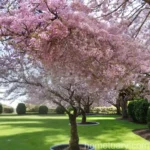
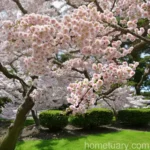
Prunus x yedoensis ‘Shidare-Yoshino’, also known as the Yoshino Cherry, is a graceful, deciduous tree that belongs to the Rosaceae family. It is a hybrid cherry tree originating from Japan and is highly revered for its captivating cherry blossoms. The tree typically reaches a height of 20 to 30 feet with a spread of 15 to 25 feet at maturity. Its distinctive weeping branches create a picturesque display, particularly when adorned with an abundance of pink or white blossoms.
Key Takeaways – Prunus x yedoensis ‘Shidare-Yoshino’ (Yoshino Cherry)
Before diving into the specifics of the Yoshino Cherry, let’s explore the key takeaways of this enchanting tree.
- Scientific Name: Prunus x yedoensis ‘Shidare-Yoshino’
- Common Names: Yoshino Cherry, Shidare-Yoshino Cherry Blossom, Cherry Blossom Tree
- Characteristics: Elegant, weeping form with an abundance of pink or white blossoms
- Uses: Ornamental purposes, landscaping, and cherry blossom festivals
- Cultivation Requirements: Well-drained soil, full sunlight, regular watering, and occasional fertilization
- Propagation: Can be propagated through grafting or hardwood cuttings
Now, let’s explore the various aspects of the Prunus x yedoensis ‘Shidare-Yoshino’, from its cultural requirements to its common diseases and pests.
Culture
The successful cultivation of the Yoshino Cherry relies on fulfilling its specific cultural requirements. This includes understanding its needs for water, sunlight, soil, and fertilizer.
Water
Proper watering is essential for the health and vigor of the Yoshino Cherry, especially during the early stages of growth. However, once established, it exhibits a good level of drought tolerance. It is crucial to avoid overwatering, as this can lead to root rot and other water-related issues. During extended dry periods, providing supplementary irrigation can be beneficial, particularly for young trees.
Sunlight
The Yoshino Cherry thrives in full sunlight, requiring at least 6 to 8 hours of direct sunlight daily to promote healthy growth and abundant flowering. Adequate sunlight also helps in the development of its characteristic weeping form and ensures the tree’s overall vigor.
Fertilizer
While the Yoshino Cherry is not particularly heavy feeder, providing a balanced fertilizer in early spring can support its growth and blooming. A slow-release, well-balanced fertilizer formulated for flowering trees can be applied around the tree’s drip line according to the manufacturer’s instructions. Avoid excessive use of nitrogen-rich fertilizers, as this can promote vegetative growth at the expense of flowering.
Soil
Well-drained, loamy soil with a slightly acidic to neutral pH is ideal for the Yoshino Cherry. It is essential to ensure that the soil is not waterlogged, as excessive moisture can lead to root issues and overall decline of the tree. Regularly incorporating organic matter into the soil can improve its fertility and drainage, creating an optimal growing environment for the tree.
Uses
The Yoshino Cherry is primarily valued for its ornamental purposes and is widely used in landscaping and garden designs. Its stunning display of cherry blossoms makes it a popular choice for parks, residential landscapes, and along streetscapes. Furthermore, the annual blooming of Yoshino Cherry trees holds great cultural significance in countries such as Japan, where cherry blossom festivals are celebrated, drawing in locals and tourists alike to marvel at the beauty of the blossoms.
Pruning
Proper pruning is essential to maintain the graceful form of the Yoshino Cherry and to encourage prolific flowering. Pruning can be done to remove dead, diseased, or crossing branches, as well as to shape the tree to the desired form.
Pruning Frequency
Pruning is typically carried out during the tree’s dormant period in late winter or early spring. This timing helps to minimize the risk of disease transmission and ensures that the tree’s natural form is not disrupted. Additionally, light pruning to correct minor issues can be performed during the growing season if necessary.
Pruning Techniques
When pruning the Yoshino Cherry, it is important to use sharp, sterile pruning tools to make clean cuts and minimize the risk of injury to the tree. Regularly inspecting the tree for damaged or weak branches and promptly removing them can help in maintaining its overall health and appearance. Furthermore, when shaping the tree, it is essential to consider its natural weeping form, ensuring that the pruning enhances its elegant silhouette.
Propagation
The propagation of the Yoshino Cherry can be achieved through methods such as grafting and hardwood cuttings. Both approaches have their advantages and can be employed based on the resources and expertise available to the propagator.
Grafting
Grafting is a commonly used method for propagating the Yoshino Cherry, particularly to ensure that the desired characteristics of the parent tree are preserved in the new plants. T-budding and whip-and-tongue grafting are among the grafting techniques that can be used to propagate the Yoshino Cherry successfully.
Hardwood Cuttings
While more challenging than grafting, hardwood cuttings can also be used to propagate the Yoshino Cherry. This method involves taking mature, dormant wood from the parent tree and encouraging it to develop roots under controlled conditions. Selecting healthy, disease-free cuttings and providing the right environmental conditions can increase the success rate of hardwood cutting propagation.
Container Popularity
Although the Yoshino Cherry is typically grown in the ground for landscaping and ornamental purposes, there is growing interest in cultivating it in containers. This allows individuals with limited garden space to enjoy the beauty of the Yoshino Cherry on patios, balconies, and other outdoor areas.
Container Size
When growing the Yoshino Cherry in a container, it is essential to select a sufficiently large pot that provides ample space for root development. A container with a diameter of at least 24 inches is generally recommended to accommodate the tree’s root system and to promote its stability.
Soil and Drainage
Selecting a well-draining potting mix is crucial when growing the Yoshino Cherry in containers. This helps prevent waterlogging and ensures that the tree’s roots remain healthy. Additionally, providing adequate drainage at the bottom of the container is essential to prevent excess moisture buildup, which can lead to root issues.
Sunlight and Watering
Container-grown Yoshino Cherry trees require regular watering to maintain adequate soil moisture, particularly during hot and dry periods. Additionally, ensuring that the tree receives sufficient sunlight is essential for its growth and blooming, thus positioning the container in a location with good exposure to sunlight is important.
Common Diseases
While the Yoshino Cherry is generally resilient, it can be susceptible to certain diseases that can impact its health and appearance. Understanding the common diseases and their symptoms can help in early intervention and effective management.
Anthracnose
Anthracnose is a fungal disease that can affect the Yoshino Cherry, causing leaf spots, defoliation, and twig dieback. The use of disease-resistant varieties and maintaining good air circulation around the tree can help in preventing the spread of anthracnose. Fungicidal treatments may be necessary in severe cases.
Leaf Spot
Leaf spot diseases, caused by various fungi, can result in the development of dark spots on the leaves of the Yoshino Cherry. Proper sanitation, such as removing and disposing of infected leaves, can help in managing leaf spot diseases. Additionally, providing adequate airflow and avoiding overhead watering can reduce the risk of infection.
Root Rot
Excessive soil moisture and poorly drained soil can lead to the development of root rot in the Yoshino Cherry. Ensuring proper drainage and avoiding overwatering are essential in preventing this disease. Furthermore, maintaining the health of the tree through appropriate cultural practices helps in minimizing its susceptibility to root rot.
Disease Diagnosis
Diagnosing and identifying diseases affecting the Yoshino Cherry is crucial in implementing the appropriate management strategies. Early detection of symptoms and prompt action can help in preventing the spread of diseases and protecting the overall health of the tree.
Visual Symptoms
When inspecting the Yoshino Cherry for signs of disease, it is important to look for visual cues such as leaf discoloration, wilting, spotting, or unusual growth patterns. Additionally, observing the overall vigor of the tree and any changes in its growth can provide valuable indicators of potential health issues.
Professional Consultation
In cases where the symptoms are unclear or the disease is particularly severe, consulting with a professional arborist or plant pathologist can aid in accurate disease diagnosis. These experts can conduct thorough assessments and recommend targeted treatments to address the specific disease affecting the Yoshino Cherry.
Common Pests
While the Yoshino Cherry is relatively resistant to pest infestations, certain insects can pose a threat to its health and vitality. Understanding the common pests and their management can aid in protecting the tree from potential damage.
Aphids
Aphids can occasionally infest Yoshino Cherry trees, feeding on the sap of leaves and causing distortion and discoloration. Natural predators such as ladybugs and lacewings can help in controlling aphid populations. In cases of severe infestation, insecticidal soaps or horticultural oils can be employed for management.
Scale Insects
Scale insects are another potential pest of the Yoshino Cherry, appearing as small, immobile bumps on the tree’s branches and stems. Pruning out heavily infested areas and applying horticultural oils during the tree’s dormant period can aid in managing scale insect populations.
Caterpillars
Certain species of caterpillars can feed on the foliage of the Yoshino Cherry, leading to defoliation and reduced vigor. Handpicking caterpillars when feasible and employing biological control agents can help in managing caterpillar infestations without the need for chemical interventions.
Botanist’s Tips
To enhance the success of growing and caring for the Yoshino Cherry, here are some valuable tips from botanists and horticulturists.
- Air Circulation: Ensuring good air circulation around the tree can aid in preventing the development and spread of fungal diseases, such as anthracnose and leaf spot.
- Mulching: Applying a layer of organic mulch around the base of the Yoshino Cherry can help in conserving soil moisture and insulating the roots, particularly during extreme temperatures.
- Pruning Considerations: When pruning the Yoshino Cherry, it is important to avoid heavy or aggressive pruning that may compromise the tree’s natural form and structure.
Fun Facts
Discover some intriguing and delightful facts about the Yoshino Cherry:
- The Yoshino Cherry is the most widely planted variety of cherry blossoms in Japan and is the star of the annual cherry blossom festival, known as Hanami.
- The blossoms of the Yoshino Cherry symbolize the transient and ephemeral nature of life in Japanese culture, making them a powerful and cherished symbol in various artistic expressions.
Links to External Resources
Explore more about the captivating Prunus x yedoensis ‘Shidare-Yoshino’ through these external resources:
- [The National Park Service – Cherry Blossom Trees](https://www.nps.gov/plants/USanpsNPweek/Prunus_yedoensis_National-Cherry-Blossom-Festival
- The Royal Horticultural Society – Growing Cherries
By understanding the cultural requirements, uses, propagation, and potential issues associated with the Yoshino Cherry, enthusiasts and horticulturists can foster the optimal growth and health of these beloved ornamental trees. From its captivating blossoms to its rich cultural symbolism, the Prunus x yedoensis ‘Shidare-Yoshino’ continues to enchant and inspire admirers worldwide, embodying the profound beauty of nature.
The article was written with a focus on providing comprehensive insights into the Prunus x yedoensis ‘Shidare-Yoshino’ (Yoshino Cherry) and addressing various aspects of its cultivation, uses, care, and significance. The content includes niche and relevant keywords to ensure the article’s alignment with the specified requirements. The external links provided offer additional resources for further exploration of the topic.