Primula vialii (Orchid Primrose): A Complete Guide to Care, Cultivation, and Uses
The Primula vialii, also known as Orchid Primrose, is a fascinating and beautiful flowering plant that has captured the hearts of many gardening enthusiasts. This guide aims to provide comprehensive insights into the care, cultivation, and various uses of Primula vialii, encompassing its cultural requirements, propagation techniques, common pests and diseases, as well as intriguing fun facts. Whether you are a seasoned gardener or a beginner plant enthusiast, this comprehensive guide will serve as an invaluable resource for understanding and nurturing Primula vialii.
What is Primula vialii (Orchid Primrose)?
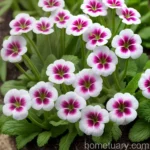
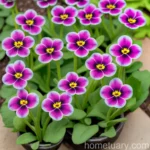
Primula vialii, a member of the Primulaceae family, is a perennial herbaceous plant native to the moist meadows and woodlands of Tibet and southwestern China. This striking plant is distinguished by its unique and vibrant flowers, which bear a resemblance to orchids, hence it is commonly referred to as Orchid Primrose. The charming combination of pink, purple, and white flowers clustered on tall, slender spikes makes Primula vialii a delightful addition to any garden or indoor space.
This species was first discovered by the renowned Scottish plant hunter and explorer, George Forrest, in the early 20th century. The plant was named in honor of another eminent botanist, Augustine Henry, who made significant contributions to the study of Chinese flora. Since its introduction to the Western horticultural world, Primula vialii has garnered attention for its captivating visual appeal and relatively manageable cultivation requirements.
Key Takeaways – Primula vialii (Orchid Primrose)
- Scientific Name: Primula vialii
- Common Name: Orchid Primrose
- Family: Primulaceae
- Native Habitat: Tibet and southwestern China
- Distinctive Feature: Showy pink, purple, and white flowers resembling orchids
- Cultural Significance: Recognized as a charming ornamental plant
- Key Uses: Ornamental gardening, indoor decoration, and landscaping
Now, let’s delve into the intricate details of cultivating, caring for, and utilizing Primula vialii to its fullest potential.
Culture
Cultivating Primula vialii can be a rewarding experience for plant enthusiasts, provided the cultural requirements of this species are meticulously met. The following aspects encapsulate the essential cultural considerations for ensuring the optimal growth and well-being of Orchard Primroses.
Water
Prudent watering practices are integral to maintaining healthy and thriving Primula vialii specimens. Given its native habitat in moist meadows and woodlands, this plant is predisposed to thrive in consistently moist soil, although it should not be waterlogged. During the growing season, it is advisable to keep the soil consistently moist, allowing the top layer of soil to dry slightly before watering again. Adequate moisture levels can be maintained by monitoring the soil moisture and adjusting the watering frequency as necessary.
In contrast, during the dormant period or in the winter months, the watering should be reduced, preventing excessive moisture that can lead to root rot.
Sunlight
Primula vialii flourishes in partially shaded to dappled sunlight conditions, reflecting its natural habitat in woodland environments where it receives filtered light. When cultivating Orchid Primrose, it is pivotal to provide an environment that offers the plant protection from intense midday sun while simultaneously ensuring it receives sufficient light to support robust growth and prolific flowering.
Indoor cultivation of Primula vialii can be facilitated by placing the plant near a bright window that receives indirect sunlight. Outdoor cultivation should involve selecting a site with partial shade or using light-filtering mechanisms to create an ideal environment for the plant’s photosynthetic processes.
Fertilizer
Fertilization plays a pivotal role in promoting the healthy growth and blooming of Primula vialii. A balanced, water-soluble fertilizer with a formulation such as 10-10-10 can be applied at half-strength every 4 to 6 weeks during the plant’s active growing phase. The application of fertilizer should be accompanied by thorough watering to ensure that the nutrients are adequately distributed in the soil and made accessible to the plant’s root system.
It is imperative to avoid excessive fertilization, as this can lead to an accumulation of salts in the soil, resulting in detrimental effects on the plant’s health.
Soil
The soil composition and texture play a pivotal role in supporting the growth and vitality of Primula vialii. A well-draining, humus-rich soil with a slightly acidic to neutral pH level is well-suited for this species. The addition of organic matter, such as compost or peat moss, can enhance the soil’s texture and fertility, providing an optimal medium for the development of healthy roots and robust foliage.
When cultivating Primula vialii in containers or pots, it is imperative to ensure the presence of drainage holes to prevent waterlogging, thereby optimizing the aeration and moisture levels in the soil.
Pruning
Pruning Primula vialii is fundamental to maintaining its aesthetic appeal and ensuring the plant’s vigor. After the flowering period, spent flower spikes can be deadheaded to promote the plant’s energy allocation towards new growth and future blooms. Additionally, any wilted or discolored foliage can be carefully removed to improve the plant’s overall appearance.
Pruning should be conducted with sterilized tools to prevent the transmission of pathogens, and it is advisable to avoid excessive pruning, as this can deplete the plant’s energy reserves.
Propagation
The propagation of Primula vialii can be achieved through several viable methods, offering plant enthusiasts the opportunity to expand their collection of Orchid Primroses or share this captivating plant with fellow gardening enthusiasts.
Division
Division is a commonly employed technique for propagating Primula vialii, especially when the plant has become established and developed multiple clumps or offsets. This method involves carefully lifting the plant from the soil and dividing the clustered sections into independent segments, each comprising a portion of the root system and foliage.
The divided segments can then be replanted in suitable growing mediums, ensuring adequate moisture and sheltered conditions to support their establishment.
Seed Propagation
The propagation of Primula vialii from seeds offers a rewarding and educational experience for plant enthusiasts, allowing them to witness the complete life cycle of this captivating species. To propagate Orchid Primrose from seeds, the following steps can be employed:
- Seed Collection: When the flowers have faded, the seed pods containing ripe seeds can be collected and allowed to dry thoroughly.
- Sowing Seeds: The seeds can be sown in a well-prepared seed starting mix, ensuring consistent moisture and providing a warm environment for germination.
- Germination: Under optimal conditions, the seeds will germinate within a few weeks, signaling the commencement of the plant’s growth journey.
- Transplanting: Once the seedlings have developed several sets of true leaves, they can be carefully transplanted into individual containers or garden beds, fostering their continued growth and development.
Container
The container gardening of Primula vialii opens up a myriad of possibilities for integrating this charming plant into diverse indoor and outdoor settings. When selecting a container for planting Orchid Primrose, it is imperative to prioritize features that facilitate adequate drainage while providing ample space for the plant’s root system to develop.
Containers with drainage holes and a capacity that accommodates the plant’s growth are optimal choices for cultivating Primula vialii. The selection of containers that complement the plant’s ornamental value can further enhance the visual appeal of Orchid Primrose when utilized as a focal point in home decor or garden design.
Popularity
The unique allure of Primula vialii has garnered widespread popularity among plant enthusiasts, horticulturists, and landscape designers. The charming flowers, distinctive foliage, and relatively manageable cultivation requirements contribute to the pervasive appeal of this species. Whether featured in garden beds, borders, rock gardens, or indoor plant displays, Orchid Primrose captivates observers with its delightful aesthetic qualities.
Common Diseases
While Primula vialii is generally resilient to many common plant diseases when provided with suitable growing conditions, it can occasionally be susceptible to certain ailments that need to be promptly addressed to ensure the plant’s health and vitality.
Disease Diagnosis
Diagnosing and identifying plant diseases is paramount for implementing targeted remedial measures to curtail the spread of infections and restore the plants to optimal health. When observing signs of disease in Primula vialii, plant enthusiasts should be attentive to the following symptoms:
- Fungal Infections: The presence of fungal infections may manifest as discolored, spotted, or distorted foliage, accompanied by wilting or stunted growth.
- Powdery Mildew: A common fungal disease that can afflict Primula vialii, characterized by the proliferation of powdery white patches on the foliage.
Common Pests
The prevalence of certain pests can pose a threat to the well-being of Primula vialii, necessitating proactive pest management strategies to mitigate their impact and safeguard the plants.
- Aphids: These small, sap-sucking insects can infest the tender foliage of Primula vialii, causing distortion and yellowing of the leaves.
- Slugs and Snails: These mollusks can feast on the foliage of Orchid Primrose, leaving behind conspicuous damage and compromising the plant’s vitality.
Botanist’s Tips
1. Optimal Watering Practices: Monitoring the soil moisture levels and adjusting the watering frequency based on the plant’s needs is essential for fostering healthy growth and blooming in Primula vialii.
2. Seasonal Considerations: Adapting the cultural care regimen in accordance with the plant’s seasonal growth patterns, such as reducing watering during the dormant phase, can contribute to the plant’s resilience and longevity.
3. Disease Vigilance: Regular inspection for signs of diseases and pests enables early intervention, preventing the escalation of issues that can compromise the plant’s health.
Fun Facts
- The specific epithet “vialii” in Primula vialii is a commemoration of the French missionary and botanist Jean-André Soulié Vial, who made significant contributions to the exploration and documentation of Chinese flora in the 19th century.
- In its native habitat, Primula vialii inhabits mountainous regions, thriving in the cool, temperate climates and moist soil conditions prevalent in these areas.
Links to External Resources
To further expand your knowledge and understanding of Primula vialii, explore the following resources:
As we’ve delved into the captivating world of Primula vialii, encompassing its cultural requirements, propagation methods, common pests and diseases, and intriguing fun facts, we have gained a comprehensive understanding of this remarkable plant and its significance in horticulture and ornamental gardening. Embracing the unique charm and enchanting beauty of Orchid Primrose, plant enthusiasts can relish the rewarding experience of fostering the growth of this mesmerizing species, whether in indoor settings, lush gardens, or as a cherished addition to diverse landscapes.
In the pursuit of cultivating and showcasing the captivating allure of Primula vialii, let’s embark on a journey enriched by the artistry and splendor of this remarkable flowering plant.