Vial’s Primrose (Primula Vialii)
As a passionate plant scientist, I am thrilled to delve into the mesmerizing world of Vial’s Primrose, scientifically known as Primula vialii. This.
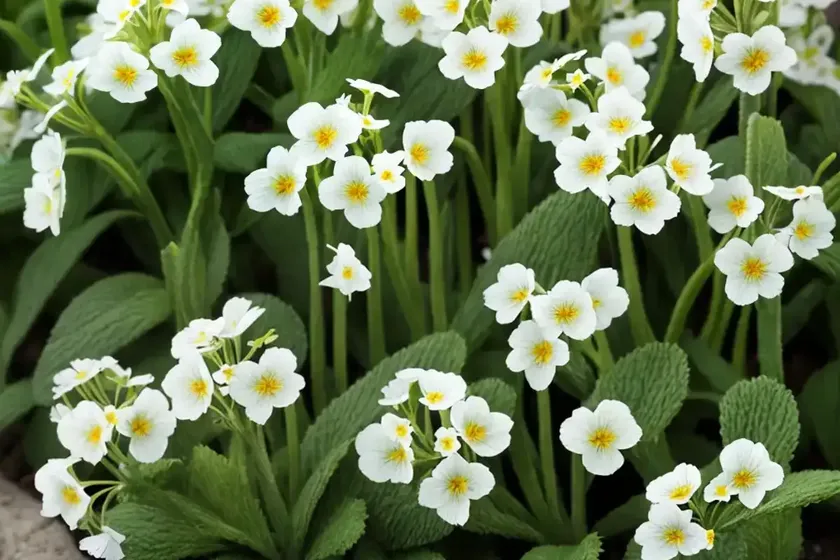
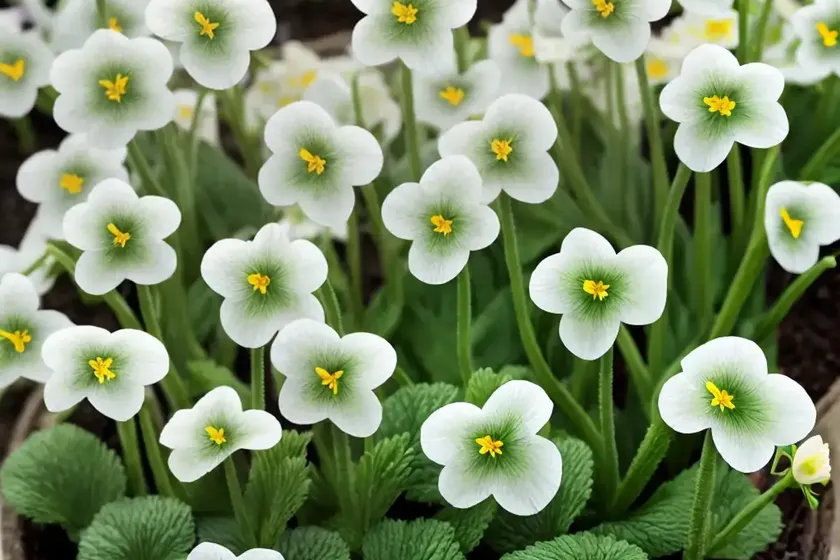
As a passionate plant scientist, I am thrilled to delve into the mesmerizing world of Vial’s Primrose, scientifically known as Primula vialii. This enchanting perennial plant is cherished for its uniquely shaped flowers and lush foliage, making it a delightful addition to any garden setting. In this comprehensive guide, we will explore the cultivation, care, and fascinating aspects of Vial’s Primrose, covering everything from its cultural requirements to its ecological significance.
What is Vial’s Primrose (Primula Vialii)?
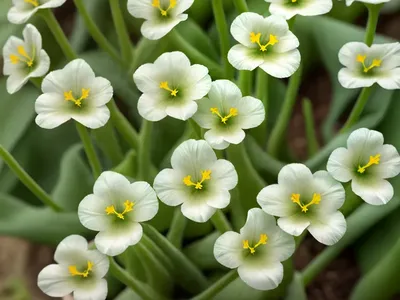
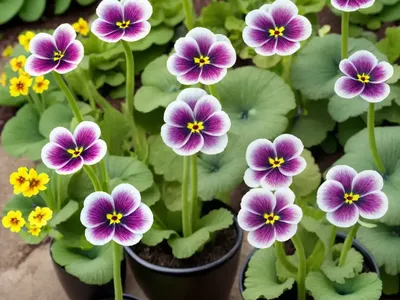
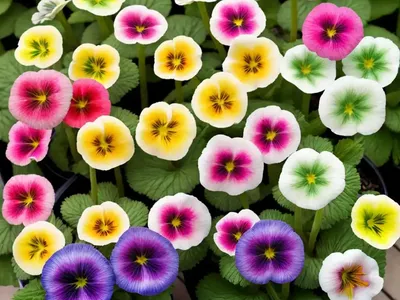
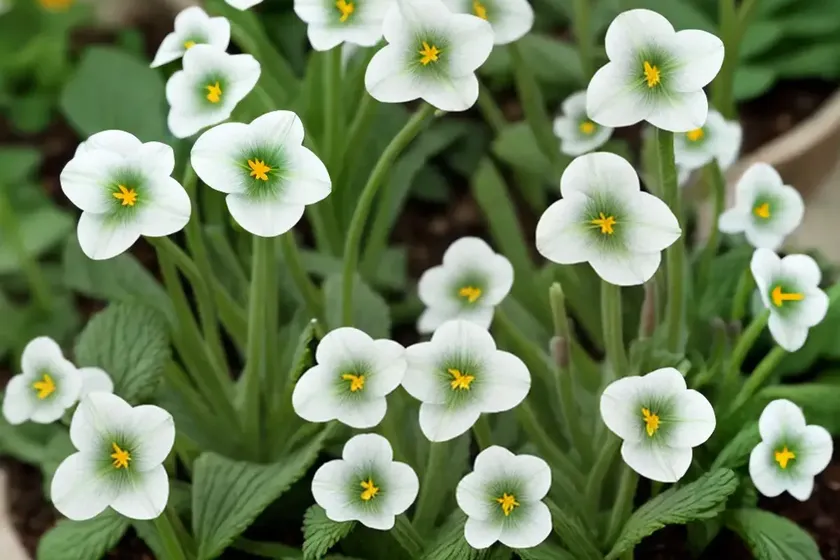
Vial’s Primrose, or Primula vialii, is a species of flowering plant in the Primulaceae family, native to the moist, mountainous regions of southwestern China. It is named after the renowned French missionary and botanist Jean-André Soulié Vial, who discovered this exquisite species in the late 19th century. The plant is characterized by its striking flower spikes, composed of numerous small, tubular blossoms that open from the base upwards, creating a captivating two-toned effect. The vibrant red or pink flowers are complemented by lance-shaped, deep green foliage, forming a visually enchanting display.
Key Takeaways
Before we embark on a journey into the realm of Vial’s Primrose cultivation and care, let’s take a moment to highlight the key takeaways of this compelling plant:
- The unique flower structure of Vial’s Primrose makes it an eye-catching addition to garden borders, rock gardens, and woodland settings.
- When provided with the appropriate cultural conditions, Vial’s Primrose flourishes and rewards gardeners with an abundance of striking blooms.
- Its ecological contributions, aesthetic appeal, and adaptability to container gardening make it a versatile and valuable plant in horticulture.
Culture
Cultivating Vial’s Primrose requires an understanding of its specific cultural requirements to ensure optimal growth and flowering. Let’s delve into the essential aspects of its cultivation, including moisture, sunlight, fertilizer, soil, and pruning.
Water
Vial’s Primrose thrives in consistently moist, well-draining soil. While it prefers damp conditions, it is essential to avoid waterlogging, as excessively wet soil can lead to root rot and other detrimental issues. Adequate hydration is crucial, particularly during the active growing season and periods of prolonged drought. Regular watering, especially during dry spells, will promote healthy foliage and vibrant blooms.
Sunlight
In terms of sunlight requirements, Vial’s Primrose exhibits a preference for partial shade to dappled sunlight. In its native habitat, it thrives in the shelter of trees or within woodland margins, where it receives filtered light. When cultivated in garden settings, providing it with morning sun and afternoon shade is ideal. This ensures that the plant receives sufficient light for photosynthesis while avoiding the intensity of direct sunlight, which can lead to leaf scorching in some instances.
Fertilizer
Fertilizing Vial’s Primrose can significantly enhance its growth and blooming performance. Applying a balanced, slow-release fertilizer in early spring, as new growth emerges, contributes to robust foliage and prolific flowering. Opt for a fertilizer with a higher phosphorus content to promote flower production and overall plant vitality. It is advisable to follow the manufacturer’s recommendations regarding application rates and frequency to prevent over-fertilization.
Soil
The choice of soil plays a pivotal role in the successful cultivation of Vial’s Primrose. It thrives in humus-rich, slightly acidic to neutral soils with good moisture retention capabilities. Amending the soil with organic matter, such as well-rotted compost or leaf mold, enhances its structure and fertility while ensuring adequate moisture levels. Additionally, a well-draining soil composition is crucial to prevent water stagnation, thereby safeguarding the plant from potential root diseases.
Pruning
Pruning Vial’s Primrose primarily involves the removal of spent flower spikes and the tidying of the plant’s overall appearance. After the flowering period concludes, promptly deadheading the faded blooms prevents the plant from expending energy on seed production, encouraging it to redirect its resources toward vegetative growth and subsequent flowering. Furthermore, removing any withered or yellowing leaves promotes air circulation and minimizes the risk of fungal diseases.
Propagation
Propagating Vial’s Primrose enables gardeners to expand their plant collection and share its beauty with others. This fascinating process can be accomplished through several methods, including division and seed propagation.
Division
Dividing established Vial’s Primrose clumps is a reliable method of propagation, offering a way to rejuvenate overcrowded plants and produce new individuals. To divide the plant, carefully lift the entire clump from the soil and gently tease apart the root mass. Ensure that each divided section possesses viable roots and healthy growth points, then replant them in prepared soil to continue their development. Division is typically performed in early spring or autumn to coincide with the plant’s natural growth cycles.
Seed Propagation
Growing Vial’s Primrose from seed allows you to witness the complete life cycle of the plant, from germination to flowering. Collecting mature seeds from the plant’s spent flower heads and sowing them in a well-prepared seed-raising mix initiates the propagation process. Maintaining consistent moisture and warmth promotes successful germination, and as the seedlings mature, they can be transplanted into individual pots or directly into the garden. While seed propagation requires patience, it is a rewarding method that offers a sense of fulfillment and a deeper understanding of the plant’s developmental stages.
Container Popularity
Vial’s Primrose’s compact size and ornamental appeal make it an excellent candidate for container gardening. Its striking flower spikes and vibrant foliage lend themselves to diverse container designs, from solo plantings to mixed arrangements, adding charm to patios, balconies, and other confined spaces.
Container Common Diseases
When cultivating Vial’s Primrose in containers, it is essential to remain attentive to potential diseases that can impact the plant’s health and vigor. Several common diseases may affect Primula species, including fungal infections and viral diseases. Proper container hygiene, well-draining soil, and adequate air circulation can aid in preventing these issues. If signs of disease manifest, prompt intervention and targeted treatments are crucial to mitigate their spread and protect the plant’s well-being.
Disease Diagnosis
Diagnosing diseases in Vial’s Primrose involves careful observation of the plant’s symptoms, including leaf spots, wilting, and discoloration. Additionally, being aware of environmental conditions, such as excessive moisture or poor air circulation, serves as a crucial aspect of disease diagnosis. Identifying the specific disease affecting the plant enables gardeners to implement appropriate control measures and minimize its impact.
Common Pests
Pests, such as aphids, thrips, and spider mites, pose potential threats to Vial’s Primrose, particularly when grown in containers. Monitoring the plant for early signs of pest infestations, including distorted growth and stippled leaves, enables timely intervention. Employing natural predators, such as ladybugs and lacewings, can help control pest populations, contributing to a balanced and healthy growing environment.
Botanist’s Tips
Drawing from my expertise as a plant scientist, I offer the following tips to enhance the cultivation and care of Vial’s Primrose:
- Mulching: Application of a layer of organic mulch around the base of the plant helps conserve soil moisture, suppress weeds, and regulate soil temperature, benefiting the plant’s overall health.
- Companion Planting: Pairing Vial’s Primrose with compatible companion plants, such as Hosta, Tiarella, and Pulmonaria, creates visually appealing combinations and fosters a harmonious garden ecosystem.
- Overwintering: Providing adequate protection during winter, especially in regions with harsh frosts, safeguards Vial’s Primrose from cold damage and ensures its vigor in the following growing season.
Fun Facts
Uncover the intriguing aspects of Vial’s Primrose with these captivating fun facts:
- The specific epithet “vialii” honors Father Jean-André Soulié Vial, the missionary and botanist credited with the plant’s discovery.
- Vial’s Primrose, known for its attractive blooms, has garnered recognition as an RHS Award of Garden Merit (AGM) plant, showcasing its horticultural excellence.
Links to External Resources
Explore additional insights and resources on Vial’s Primrose and related horticultural topics:
- Royal Horticultural Society (RHS) – A leading authority on horticultural matters, offering valuable information on Vial’s Primrose cultivation and care.
- American Primrose Society – A dedicated source of knowledge on Primula species, providing in-depth guidance on Vial’s Primrose and its cultural requirements.
Conclusion
Vial’s Primrose, with its captivating flowers and captivating foliage, captivates the hearts of gardening enthusiasts and plant aficionados alike. By understanding its unique cultural requirements, propagation methods, and potential challenges, we can celebrate the enduring beauty of this exceptional plant. Whether showcased in the garden border, nestled within a container, or adorning a woodland setting, Vial’s Primrose stands as a testament to the allure and diversity of the plant kingdom. As we continue to cultivate and cherish this remarkable species, we perpetuate its legacy and contribution to the natural world, enriching our lives in the process.