Plant Profile: Primula veris (Common Cowslip)
As a plant scientist, I am thrilled to introduce you to Primula veris, also known as the Common Cowslip. This stunning plant belongs to the Primulaceae family and holds significant cultural, ornamental, and medicinal value. In this comprehensive guide, we will explore the fascinating world of Primula veris, covering its culture, uses, habitat, care requirements, and much more.
What is Primula veris (Common Cowslip)?
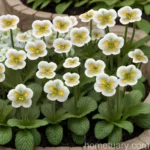
Primula veris is a herbaceous perennial plant that is native to temperate regions of Europe and western Asia. It is characterized by its bright yellow, bell-shaped flowers and rosettes of crinkly, tongue-shaped leaves. This species typically thrives in open meadows, pastures, and woodlands with well-drained, nutrient-rich soils.
The Common Cowslip has a rich history of traditional uses, including herbal remedies and culinary applications, and is also popular for its ornamental value in gardens and landscapes. Its pleasant fragrance and attractive flowers make it a delightful addition to any outdoor space.
Throughout this guide, we will delve into the various aspects of caring for Primula veris and explore its cultural and ecological significance. Let’s begin by discussing the key takeaways related to this captivating plant.
Key Takeaways – Primula veris (Common Cowslip)
Culture
- Primula veris is a perennial plant with a preference for temperate climates.
- It is known for its vibrant yellow flowers and crinkled leaves, contributing to its ornamental appeal.
- This species has a rich history of traditional uses, ranging from medicinal applications to dye production.
Uses
- Primula veris has been utilized in herbal remedies for its purported medicinal properties, including soothing properties for coughs and skin conditions.
- The plant is also valued for its ornamental qualities, often featured in gardens, meadows, and natural landscapes.
- It has historical significance in traditional folklore and cultural beliefs.
Now, let’s delve into the specific care requirements for nurturing Primula veris, including considerations for water, sunlight, soil, and fertilizer.
Water
Proper watering is essential for the health and vitality of Primula veris. Adequate moisture levels support robust growth and flowering, while overwatering should be avoided to prevent waterlogged conditions.
- Watering Guidelines:
- Maintain consistently moist, well-draining soil during active growth periods.
- Avoid overwatering or allowing the soil to become excessively dry.
- Adjust watering frequency based on environmental conditions and soil moisture levels.
- Consider rainwater or distilled water for irrigation to minimize mineral buildup.
Sunlight
Primula veris thrives in locations with the right balance of sunlight, creating ideal conditions for vigorous growth and profuse flowering.
- Sunlight Requirements:
- Provide partial to full shade, especially in regions with intense or prolonged sunlight.
- Filtered sunlight or dappled shade is preferred for optimal growth and blooming.
- Monitor the plant’s response to sunlight exposure and adjust its location if necessary.
Fertilizer
Appropriate fertilization supports the nutritional needs of Primula veris, promoting overall vigor and enhancing flower production.
- Fertilization Tips:
- Use a balanced, water-soluble fertilizer formulated for flowering plants.
- Apply fertilizer sparingly during the growing season, following product instructions for dilution and frequency.
- Monitor the plant for signs of nutrient deficiencies or excesses, adjusting fertilization as needed.
Soil
The soil composition plays a crucial role in the successful cultivation of Primula veris, influencing its growth, flowering, and overall health.
- Soil Requirements:
- Provide well-draining, loamy soil with a slightly acidic to neutral pH range.
- Incorporate organic matter such as compost or peat moss to improve soil structure and fertility.
- Ensure adequate aeration and moisture retention capabilities in the soil.
Pruning
Pruning is an essential aspect of maintaining the health and appearance of Primula veris, contributing to its overall vigor and flowering performance.
- Pruning Practices:
- Remove spent flowers and dead foliage to encourage continuous blooming.
- Trim back any overgrown or overcrowded growth to promote airflow and reduce disease risk.
- Conduct selective pruning to maintain the plant’s natural shape and size.
Propagation
Primula veris can be propagated through various methods, allowing for the expansion of its presence in gardens and landscapes.
- Propagation Techniques:
- Utilize division to separate and transplant mature clumps of Primula veris.
- Collect and germinate seeds to propagate new plants, following proper seed starting practices.
- Explore vegetative propagation methods such as leaf or root cuttings for creating new plantings.
Container Popularity
The versatility of Primula veris makes it well-suited for container cultivation, offering a charming and manageable option for gardeners.
- Container Considerations:
- Choose a spacious, well-draining container to accommodate the plant’s root system and growth habits.
- Select a high-quality potting mix tailored for flowering perennials to provide adequate nutrition and moisture retention.
- Ensure proper drainage in the container to prevent waterlogged conditions.
Common Diseases
Primula veris may be susceptible to certain diseases and health issues, necessitating proactive management and preventive measures.
- Disease Prevention:
- Monitor the plant for symptoms of fungal diseases such as powdery mildew and leaf spot.
- Provide good air circulation and avoid overcrowding to minimize disease incidence.
- Consider preventive applications of fungicides or other appropriate treatments as recommended.
Disease Diagnosis
Observing and identifying common diseases affecting Primula veris is crucial for implementing targeted management strategies.
- Diagnosis Guidelines:
- Examine the plant for signs of discoloration, wilting, or unusual growth patterns.
- Seek professional assistance or diagnostic services for accurate disease identification and tailored solutions.
- Act promptly upon identifying a disease issue to prevent its spread and minimize impact on the plant’s health.
Common Pests
Various pests may pose threats to the well-being of Primula veris, requiring vigilant monitoring and pest control measures.
- Pest Management:
- Watch for signs of aphids, thrips, and slugs, which are common pests that can affect Primula veris.
- Implement integrated pest management (IPM) practices, including natural enemies and physical controls, to mitigate pest populations.
- Consider targeted insecticidal treatments for severe pest infestations, prioritizing environmentally friendly options.
Botanist’s Tips
As a botanist, I would like to share some expert tips for cultivating and appreciating Primula veris in various horticultural settings.
- Tip 1: Encourage biodiversity and pollinator habitats by incorporating Primula veris into wildlife-friendly gardens and naturalized landscapes.
- Tip 2: Explore the wide range of Primula veris varieties and cultivars available, each offering unique colors, growth habits, and floral characteristics.
- Tip 3: Experiment with companion planting strategies, pairing Primula veris with compatible plant species to enhance garden aesthetics and ecological benefits.
Fun Facts
Let’s uncover some captivating and lesser-known facts about Primula veris to deepen our appreciation for this enchanting plant.
- Primula veris has been associated with folklore beliefs and symbolism, often linked to themes of youth, renewal, and natural beauty.
- The plant’s delightful fragrance attracts pollinators, contributing to its role in supporting healthy ecosystems and biodiversity.
- Primula veris has been historically used for natural dye production, providing various shades of yellow for textiles and artisanal crafts.
As we continue our exploration of Primula veris, it’s essential to refer to reliable external resources for further information and guidance. Here are some recommended links to trusted sources offering valuable insights into the cultivation, uses, and ecological importance of Primula veris.
- The Royal Horticultural Society – Primula veris
- Missouri Botanical Garden – Primula veris
- Royal Botanic Gardens, Kew – Common Cowslip
- Plants for a Future – Primula veris
Now, let’s delve deeper into the various aspects of Primula veris, ranging from its native habitat and flowering season to its potential as a pollinator-friendly plant and its relevance in landscape design.
Plant Name: “Primula veris (Common Cowslip)”
🌼 Natural Habitat 🌼
Primula veris thrives in diverse natural habitats, including open meadows, grassy slopes, and woodland edges across its native range in Europe and western Asia.
- Habitat Characteristics:
- Prefers locations with moist, well-draining soils and partial shade.
- Often found in grasslands, pastures, and cultural landscapes with historical significance.
💐 Flowering Season 💐
The blooming period of Primula veris is a delightful spectacle, showcasing its vibrant yellow flowers amidst lush green foliage.
- Flowering Attributes:
- Typically blooms in early to mid-spring, adding cheerful color to garden settings.
- The bell-shaped flowers attract pollinators and beneficial insects, contributing to ecological harmony.
🐝 Pollinator-Friendly Plant 🐝
Primula veris plays a valuable role in supporting pollinators and wildlife, fostering biodiversity and ecosystem resilience.
- Pollination Benefits:
- Attracts bees, butterflies, and other pollinators with its nectar-rich flowers.
- Contributes to the vibrant tapestry of flowering plants essential for healthy ecosystems.
🏡 Landscape Ideas 🏡
Incorporating Primula veris into landscape designs and garden compositions offers aesthetic and ecological advantages.
- Design Considerations:
- Utilize Primula veris in cottage gardens, woodland landscapes, and naturalistic plantings.
- Pair it with spring-flowering bulbs, ephemeral wildflowers, and shade-tolerant perennials for visual interest.
With its diverse uses and cultural significance, Primula veris holds great appeal for both horticultural enthusiasts and individuals interested in the botanical heritage of this esteemed plant. Let’s now explore additional aspects of caring for and appreciating Primula veris, including its medicinal uses, indoor cultivation, and folklore associations.
Medicinal Uses
Primula veris has been traditionally valued for its medicinal properties, with various applications in herbal remedies and natural healthcare.
- Medicinal Properties:
- Historically used for soothing coughs, respiratory ailments, and skin conditions.
- Contains potentially beneficial compounds with anti-inflammatory and expectorant properties.
Indoor Cultivation
Integrating Primula veris into indoor gardening and ornamental displays provides a delightful way to enjoy its beauty and fragrance.
- Indoor Considerations:
- Select a bright, indirectly lit location for cultivating Primula veris indoors.
- Provide consistent moisture and humidity while avoiding water accumulation in the soil or surrounding environment.
Folklore and Symbolism
The rich cultural heritage of Primula veris encompasses folklore beliefs, symbolism, and traditional uses embedded in local traditions and customs.
- Folklore Significance:
- Associated with themes of renewal, youth, and natural vitality in folklore and symbolic contexts.
- Enjoys cultural relevance in the form of myths, legends, and traditional customs across different regions.
As we appreciate the multifaceted allure of Primula veris, it’s crucial to consider its sustainability, habitat restoration, and ecological impact. Let’s explore its potential in habitat restoration, wildlife attraction, and landscape maintenance strategies.
Habitat Restoration
Primula veris can contribute to habitat restoration initiatives, enriching native landscapes and supporting biodiversity conservation.
- Restoration Benefits:
- Enhances the biodiversity of grasslands, meadows, and woodland habitats through native plant reintroduction.
- Contributes to ecosystem resilience and the revival of natural plant communities.
Wildlife Attraction
The nectar-rich flowers of Primula veris serve as valuable resources for pollinators and wildlife, promoting ecological balance and species diversity.
- Wildlife Interactions:
- Attracts bees, butterflies, and other beneficial insects, fostering pollinator populations and diverse wildlife communities.
- Creates foraging opportunities for native fauna, contributing to the overall health and vitality of local ecosystems.
Landscape Maintenance
Incorporating Primula veris into landscape maintenance practices can enhance the sustainable and aesthetic aspects of outdoor spaces.
- Maintenance Strategies:
- Integrate Primula veris into low-maintenance landscape designs, reducing the need for intensive upkeep.
- Emphasize naturalistic planting schemes to minimize resource inputs and promote ecological harmony.
Now, let’s dive deeper into the horticultural and practical aspects of caring for Primula veris, addressing specific needs such as soil preferences, moisture requirements, and seasonal care practices.
Soil Requirements
Optimal soil conditions are vital for cultivating healthy and flourishing Primula veris plants, ensuring their long-term well-being and performance.
- Soil Preferences:
- Select well-draining soil with a loamy texture and a slightly acidic to neutral pH range.
- Incorporate organic amendments to promote soil fertility and microbial activity.
- Avoid waterlogged or compacted soils, which can hinder root development and overall plant health.
Moisture Requirements
Balanced moisture levels are essential for supporting the growth and vitality of Primula veris throughout different seasons and environmental conditions.
- Moisture Management:
- Maintain consistent soil moisture during active growth periods, avoiding excessive dryness or waterlogging.
- Adjust watering frequency based on climate, precipitation, and plant response to environmental factors.
- Mulch the soil surface to conserve moisture and regulate temperature fluctuations.
Seasonal Care
Adapting horticultural practices to seasonal changes is crucial for optimizing the health and resilience of Primula veris across different times of the year.
- Seasonal Considerations:
- Provide protection from extreme cold temperatures and frost during the winter months.
- Monitor the plant’s performance during spring and summer, adjusting care routines as necessary.
- Manage flowering cycles and vegetative growth through targeted seasonal care practices.
Natural Dye Uses
Primula veris has historically been utilized for its natural dye properties, offering a sustainable and eco-friendly resource for artistic and artisanal purposes.
- Dye Production:
- Generate vibrant yellow dyes from the flowers of Primula veris, adding color to textiles and handmade crafts.
- Explore eco-conscious dyeing processes using Primula veris as a renewable and plant-based color source.
As we unravel the diverse dimensions of Primula veris, from its culinary and folklore uses to its landscaping potential and ecological roles, it’s imperative to consider its relevance in container gardening, seasonal care, and herbal remedies.
Container Care
Embracing Primula veris in container gardening scenarios presents unique opportunities for showcasing its beauty and versatility in a confined space.
- Container Gardening Tips:
- Choose a spacious container with adequate drainage for cultivating Primula veris in a container setting.
- Use a high-quality potting mix tailored for perennial plants to provide essential nutrients and structure.
- Emphasize consistent moisture management and appropriate sunlight exposure for container-grown Primula veris.
Winter Care
Implementing tailored care practices during the winter season is essential for safeguarding the health and survival of Primula veris in colder climates.
- Winter Protection:
- Shield the plant from harsh temperatures and freezing conditions, especially during frost events.
- Consider protective coverings or mulching to insulate the root zone and minimize winter damage.
- Monitor the plant’s condition and make adjustments based on the severity of winter weather patterns.
Herbal Remedies
The traditional uses of Primula veris extend to herbal remedies, offering potential benefits for natural healthcare and holistic well-being.
- Herbal Applications:
- Explore historical and contemporary uses of Primula veris in natural remedies for respiratory and skin conditions.
- Consult with qualified herbalists and healthcare professionals for safe and effective herbal preparations.
As we conclude our comprehensive exploration of Primula veris and its captivating attributes, it’s essential to recognize the plant’s cultural significance, culinary uses, and folklore beliefs.
Culinary Uses
Primula veris has been historically incorporated into culinary traditions, offering unique flavors and aromas in various culinary creations.
- Culinary Applications:
- Use Primula veris flowers and leaves for edible garnishes and flavorings in recipes.
- Experiment with floral teas, salads, and infused culinary preparations featuring Primula veris as a distinctive ingredient.
Folklore Beliefs
The folkloric heritage of Primula veris encompasses enchanting tales, beliefs, and customs reflecting the plant’s cultural significance.
- Folklore Traditions:
- Represents themes of youth, vitality, and natural beauty in traditional folklore and symbolic contexts.
- Holds symbolic meanings in local traditions, myths, and regional customs across different cultures.
As we celebrate the diverse facets of Primula veris, it’s essential to reflect on its historical legacy, ecological benefits, and sustainable applications in contemporary horticulture and environmental stewardship. By embracing the timeless charm and practical versatility of Primula veris, we honor its botanical heritage and enrich our lives through its captivating presence in natural and cultivated landscapes.
In this blog post, we’ve embarked on an immersive journey into the captivating world of Primula veris (Common Cowslip). From its cultural importance and folklore beliefs to its ecological roles and ornamental appeal, this esteemed plant continues to enthrall and inspire plant enthusiasts, horticulturalists, and nature lovers alike. By embracing the diverse facets of Primula veris, we honor its botanical heritage and enrich our lives through its captivating presence in natural and cultivated landscapes.
If you enjoyed this comprehensive guide on Primula veris and would like to explore further information and resources, I encourage you to delve into the recommended external links and references provided throughout this article. Let’s continue to cherish and cultivate the beauty of Primula veris while preserving its legacy for future generations to appreciate and admire.