Plumeria Obtusa (Singapore Plumeria)
Plumeria obtusa, commonly known as Singapore Plumeria, is a stunning plant known for its vibrant and aromatic flowers. As a plant scientist, I find the.
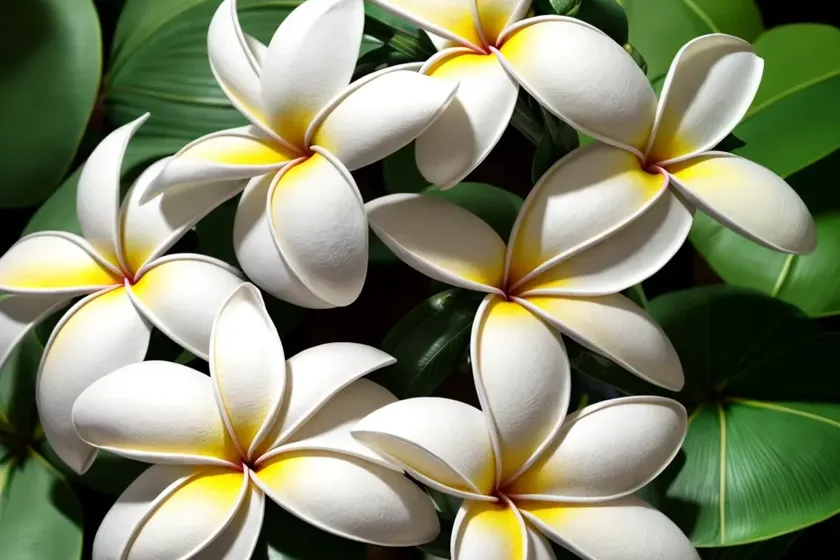
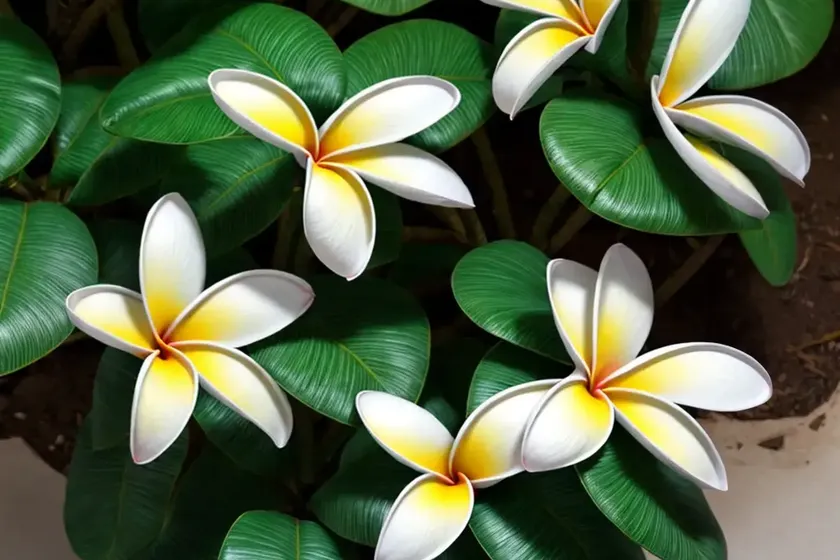
Plumeria obtusa, commonly known as Singapore Plumeria, is a stunning plant known for its vibrant and aromatic flowers. As a plant scientist, I find the Plumeria obtusa fascinating due to its cultural significance, exquisite beauty, and versatility. In this comprehensive guide, we will explore the various aspects of caring for and cultivating Plumeria obtusa, including its cultural significance, best practices for maintenance, common uses, and tips for propagation. Whether you are a seasoned gardener or a novice plant enthusiast, this guide will provide you with valuable insights into unlocking the true potential of Singapore Plumeria.
What is Plumeria obtusa (Singapore Plumeria)?
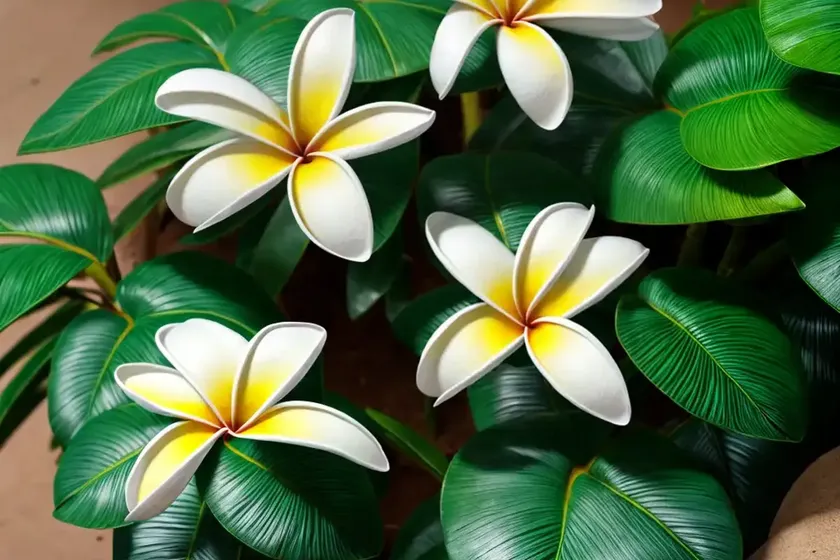
Plumeria obtusa, native to the Caribbean and South America, belongs to the Apocynaceae family. It is a small deciduous tree that is well-renowned for its fragrant, showy, and long-lasting flowers. The plant’s distinctive features include thick, succulent, and pointed leaves, coupled with striking blossoms that range in color from white to creamy yellow. Singapore Plumeria’s delightful fragrance and visually captivating blossoms have made it a sought-after choice for gardens, landscapes, and even indoor spaces. Its graceful appearance, combined with its adaptability to various climates, makes it a popular ornamental choice for enthusiasts worldwide.
Plumeria obtusa is deeply ingrained in various cultures, symbolizing different meanings across different regions. In some cultures, the plant is associated with love, beauty, and positivity, while in others, it holds religious and spiritual significance. The plant’s cultural allure, coupled with its remarkable aesthetic appeal, has contributed to its global popularity as a treasured ornamental plant.
Key Takeaways – Plumeria obtusa (Singapore Plumeria)
Before delving into the intricacies of caring for and cultivating Plumeria obtusa, it’s essential to understand the key factors that underpin its successful growth and development. Let’s explore the critical takeaways associated with Singapore Plumeria, focusing on its cultural significance, uses, and essential care requirements.
Culture
The cultural significance of Plumeria obtusa is extensive, with the plant holding symbolic value in numerous traditions and belief systems. Its association with love, spirituality, and aesthetics makes it a cherished element in various cultural practices and ceremonies.
Uses
The uses of Plumeria obtusa extend beyond its ornamental value. The plant’s fragrant flowers are utilized in the production of perfumes, oils, and traditional medicines, amplifying its role in diverse applications.
Water
Understanding the water requirements of Plumeria obtusa is crucial for maintaining its health and vigor. Consistent, yet well-drained watering practices are essential to support the plant’s growth and flowering cycles.
Sunlight
Plumeria obtusa thrives in bright, direct sunlight, benefitting from ample exposure to sunlight to facilitate robust growth and prolific flowering.
Fertilizer
Proper fertilization is integral to ensuring the optimal development of Plumeria obtusa. Strategic application of balanced fertilizers at key growth stages supports the plant’s nutritional needs.
Soil
The selection of well-draining, nutrient-rich soil is fundamental in promoting the health and vitality of Plumeria obtusa. Understanding the plant’s soil preferences is imperative for its successful cultivation.
Pruning
Pruning plays a pivotal role in shaping the form and structure of Plumeria obtusa, while also stimulating flower production. Employing appropriate pruning techniques is essential for maintaining the plant’s vigor and aesthetics.
Propagation
Mastering the art of propagating Plumeria obtusa enables enthusiasts to expand their collection and share the plant’s beauty with others. Learning about the various propagation methods is essential for successful cultivation.
Container Popularity
The widespread popularity of Plumeria obtusa in container gardening reflects its adaptability to confined spaces and diverse environmental conditions. Understanding its suitability for container cultivation is instrumental for urban gardeners and indoor plant enthusiasts.
Now that we have gained insight into the critical facets of Plumeria obtusa, let’s embark on a comprehensive exploration of the plant’s care and cultivation practices.
Plumeria obtusa (Singapore Plumeria) Care Guide
Caring for Plumeria obtusa requires meticulous attention to its specific needs, encompassing water, sunlight, soil, fertilization, and pruning. By understanding and addressing these requirements, plant enthusiasts can foster the robust growth and abundant flowering of Singapore Plumeria. Let’s delve into the essential care guidelines for cultivating and nurturing Plumeria obtusa.
Water
Plumeria obtusa exhibits moderate water needs, necessitating well-drained soil and a balanced approach to watering. During the growing season, it’s advisable to water the plant deeply but infrequently, allowing the soil to partially dry out between waterings. This approach encourages the development of robust, drought-resistant roots and reduces the risk of waterlogged soil, which can lead to root rot. In contrast, during the winter dormancy period, it’s essential to decrease the frequency of watering, allowing the plant to enter a state of rest while preventing soil moisture imbalances.
Sunlight
As a sun-loving plant, Plumeria obtusa thrives in bright, direct sunlight, benefitting from at least six hours of sun exposure per day. When selecting a planting location, prioritize areas that receive ample sunlight, such as south or west-facing positions in the garden. Adequate sunlight not only promotes vigorous growth but also enhances the plant’s flowering capacity, leading to an abundant display of blossoms during the blooming season.
Fertilizer
Fertilization is integral to supporting the nutritional requirements of Plumeria obtusa. During the active growing season, apply a balanced, water-soluble fertilizer with a higher phosphorus content to encourage prolific flowering. It’s advisable to feed the plant every two to three weeks, ceasing fertilization as the plant transitions into dormancy. Additionally, incorporating micronutrients such as magnesium and iron can help sustain the plant’s overall health and vitality.
Soil
Plumeria obtusa thrives in well-draining soil with a slightly acidic to neutral pH range, typically between 6.0 to 7.0. A combination of coarse sand, perlite, and organic matter such as compost or peat moss can enhance the soil’s drainage capacity while maintaining adequate moisture levels. When planting or repotting Singapore Plumeria, ensure that the soil substrate offers good aeration and prevents the accumulation of excess moisture around the roots, mitigating the risk of root diseases.
Pruning
Pruning serves as a critical practice in shaping the growth habits and flowering potential of Plumeria obtusa. Early spring, before the onset of new growth, is an ideal time to engage in pruning activities. Remove any dead or diseased branches, and consider shaping the plant to achieve a desired form or size. Pruning also stimulates the development of new growth and flower buds, contributing to a more prolific flowering display during the growing season.
Propagation
The propagation of Plumeria obtusa offers enthusiasts the opportunity to expand their collection and share the plant’s beauty with others. While the plant can be propagated through various methods such as cuttings, grafting, or seed propagation, the most commonly employed technique is through stem cuttings. Choose healthy, mature stems for cuttings, and allow them to callus before planting them in a suitable rooting medium. With proper care and attention, the cuttings will develop roots and establish themselves as independent plants, carrying on the legacy of Singapore Plumeria.
Container Cultivation
The adaptability of Plumeria obtusa to container gardening makes it a versatile choice for urban and indoor environments. When cultivating Singapore Plumeria in containers, ensure that the pots offer adequate drainage, preventing waterlogging and root suffocation. Additionally, regular repotting every two to three years, coupled with appropriate soil replenishment, promotes the sustained health and vigor of the plant.
By adhering to these essential care guidelines, enthusiasts can foster the thriving growth and abundant flowering of Plumeria obtusa, unlocking the beauty and fragrance of this captivating plant.
Common Diseases and Pests
While Plumeria obtusa is relatively resilient, it is susceptible to certain diseases and pest infestations that can compromise its health and vitality. Being proactive in recognizing, preventing, and addressing these issues is crucial for preserving the plant’s well-being. Let’s explore some of the common diseases and pests that may affect Singapore Plumeria, along with strategies for diagnosis and management.
Disease Diagnosis
Diagnosing diseases in Plumeria obtusa requires a discerning eye to identify symptoms such as leaf spot, powdery mildew, or stem cankers. By closely monitoring the plant for signs of discoloration, lesions, or abnormal growth, plant enthusiasts can promptly address potential disease outbreaks and mitigate their impact. Providing optimal growing conditions, including adequate sunlight, well-drained soil, and proper air circulation, can bolster the plant’s natural defenses against diseases.
Common Pests
Plumeria obtusa may encounter various pests, including aphids, mealybugs, spider mites, and scale insects, which can disrupt the plant’s growth and vitality. Regularly inspecting the plant for signs of pest activity, such as sticky residue, webbing, or stippled leaves, enables early detection and intervention. Employing natural predators, such as ladybugs or lacewings, or utilizing horticultural oils and insecticidal soaps can effectively control pest populations while minimizing the use of chemical interventions.
Botanist’s Tips
Incorporating preventative measures and cultural practices is key to supporting the resilience of Plumeria obtusa against diseases and pests. Encouraging biodiversity in the garden, promoting beneficial insect populations, and adhering to proper sanitation practices can create an environment conducive to the plant’s thriving growth while reducing the likelihood of disease and pest pressure. Additionally, promptly addressing any signs of stress or damage, such as yellowing leaves or wilting, can prevent the escalation of health issues and safeguard the plant’s well-being.
Fun Facts
As we conclude our comprehensive exploration of Plumeria obtusa, let’s uncover some intriguing fun facts about Singapore Plumeria that further accentuate its allure and appeal:
- The sap of Plumeria obtusa contains milky latex, which is utilized in traditional medicine for its medicinal properties, such as relieving inflammation and skin ailments.
- Plumeria obtusa flowers are often used in Hawaiian leis, symbolizing love, friendship, and the spirit of aloha.
- Singapore Plumeria is revered for its strong, sweet fragrance, which intensifies during the evening and night, attracting nocturnal pollinators such as moths and bats.
These captivating fun facts offer a glimpse into the rich heritage and enchanting characteristics of Plumeria obtusa, reinforcing its status as a beloved botanical treasure.
Links to External Resources
For further in-depth exploration of Plumeria obtusa and to access valuable resources for its care and cultivation, consider the following external links:
- Plumeria obtusa Care Guide
- Singapore Plumeria Cultivation Techniques
- Plumeria obtusa Varieties and Flower Colors
By leveraging these external resources, plant enthusiasts can expand their knowledge base and refine their practices in caring for and cultivating the exquisite Singapore Plumeria.
In conclusion, Plumeria obtusa, or Singapore Plumeria, stands as an emblem of beauty, fragrance, and cultural significance, captivating admirers with its resplendent blossoms and captivating allure. By embracing the principles of optimal care and cultivation, plant enthusiasts can nurture the thriving growth and flowering of Plumeria obtusa, fostering its splendor and charm in gardens, landscapes, and indoor spaces. As a plant scientist, I am continually inspired by the captivating allure and cultural significance of Plumeria obtusa, and I am delighted to share the profound insights and practices that elevate the experience of cultivating this treasured botanical gem.
Plant Name: “Plumeria obtusa (Singapore Plumeria)”