Primula Auricula ‘Argus’ (Primrose): A Comprehensive Guide
Introduction
Primula auricula ‘Argus’, commonly known as Primrose, is a stunning and versatile plant that is a favorite among gardeners and plant enthusiasts. Native to mountainous regions of Europe, the Primula auricula ‘Argus’ has captured the attention of gardeners due to its distinctive characteristics, beautiful flowers, and ease of cultivation. In this comprehensive guide, we will explore the various aspects of Primula auricula ‘Argus’, including its characteristics, care requirements, uses, and cultivation tips.
What is Primula Auricula ‘Argus’ (Primrose)?
Primula Auricula
Primula is a genus of herbaceous flowering plants in the family Primulaceae. With over 400 species, Primula encompasses a wide range of plants with diverse characteristics and uses. The Primula genus includes perennial, herbaceous plants known for their vibrant and showy flowers.
Primula Auricula ‘Argus’
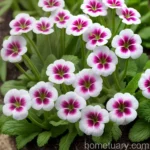
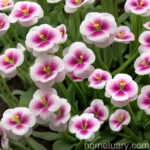
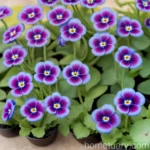
Primula auricula ‘Argus’ is a specific cultivar or variety of Primula auricula. This particular variety is cherished for its striking flowers, captivating foliage, and adaptability to various growing conditions. Primula auricula ‘Argus’ is a beloved choice for both outdoor and indoor cultivation, making it a versatile and popular selection in the gardening world.
Key Takeaways – Primula Auricula ‘Argus’
Before delving into the specifics of the care and cultivation of Primula auricula ‘Argus’, let’s outline the key takeaways associated with this beautiful plant.
Characteristics
– Striking and vibrant flowers
– Captivating foliage with unique patterns
– Compact and low-growing habit
Care
– Moderate water needs, avoiding waterlogging
– Prefers partial shade to full sunlight
– Well-draining soil and regular fertilization
Uses
– Ornamental garden plant
– Suitable for container gardening
– Indoor cultivation in suitable conditions
Culture
Water
Primula auricula ‘Argus’ has moderate water needs and requires consistent moisture to thrive. However, it is essential to avoid waterlogging, as excessive moisture can lead to root rot and other issues. Watering the plant when the top inch of soil feels dry to the touch is generally a good practice, ensuring that the soil remains consistently moist but not waterlogged.
Sunlight
In terms of sunlight requirements, Primula auricula ‘Argus’ thrives in partial shade to full sunlight. While it appreciates some shade, it should receive an adequate amount of sunlight to promote healthy growth and abundant flowering.
Fertilizer
Regular fertilization is beneficial for the optimal growth and blooming of Primula auricula ‘Argus’. Using a balanced, slow-release fertilizer or a liquid fertilizer diluted to half-strength can provide the necessary nutrients to support the plant’s vigor and floral display.
Uses
Ornamental Garden Plant
Primula auricula ‘Argus’ serves as a stunning, ornamental addition to garden beds, borders, and rock gardens. Its vibrant flowers and attractive foliage create a visually appealing display, enhancing the overall beauty of the garden.
Container Gardening
The compact nature of Primula auricula ‘Argus’ makes it an excellent choice for container gardening. It thrives in pots, planters, and other containers, allowing individuals with limited outdoor space to enjoy its beauty on balconies, patios, and other suitable locations.
Indoor Cultivation
With proper care and attention to its requirements, Primula auricula ‘Argus’ can be successfully grown indoors. It can brighten up indoor spaces with its colorful blooms and bring a touch of nature indoors.
Water
Watering Frequency
– Water when the top inch of soil feels dry
– Provide consistent moisture without waterlogging
– Adjust watering frequency based on environmental conditions
Watering Techniques
– Water at the base of the plant to avoid wetting the foliage
– Use room-temperature water to avoid shocking the plant
– Ensure proper drainage in containers to prevent water accumulation
Sunlight
Ideal Sunlight Conditions
– Thrives in partial shade to full sunlight
– Prefers morning sun and afternoon shade in hot climates
– Adjust exposure based on local climate and environmental factors
Indoor Sunlight
– Place near a bright window with indirect sunlight
– Shield from direct midday sun to prevent leaf scorching
– Rotate the plant periodically for even sunlight exposure
Fertilizer
Fertilizer Types
– Balanced, slow-release granular fertilizer
– Liquid fertilizer diluted to half-strength
– Organic fertilizers suitable for flowering plants
Application Frequency
– Apply fertilizer every 4-6 weeks during the growing season
– Reduce frequency during the plant’s dormant period
– Follow package instructions for specific fertilizer types
Application Technique
– Apply fertilizer evenly around the base of the plant
– Water thoroughly after fertilizer application
– Avoid direct contact between fertilizer and the plant’s foliage
Soil
Preferred Soil Type
– Well-draining, loamy soil with ample organic matter
– Slightly acidic to neutral pH range
– Avoid heavy clay soils prone to waterlogging
Soil Amendment
– Incorporate organic matter such as compost or peat moss
– Use perlite or coarse sand to improve drainage
– Test soil pH and amend if necessary for optimal growth
Pruning
Pruning Needs
– Deadhead spent flowers to promote continuous blooming
– Trim back overgrown or untidy foliage
– Remove any damaged or diseased plant material
Pruning Technique
– Use sterilized pruning shears or scissors
– Make clean cuts just above a set of healthy leaves
– Monitor and prune as needed throughout the growing season
Propagation
Propagation Methods
– Division of plants
– Leaf cuttings
– Seed propagation
Timing for Propagation
– Early spring for division and leaf cuttings
– Late spring for seed sowing
– Choose healthy, disease-free plant material for propagation
Propagation Guidelines
– Provide suitable growing conditions for newly propagated plants
– Maintain appropriate moisture levels for successful root establishment
– Monitor and care for new plants as they develop and grow
Container
Container Selection
– Choose a pot with drainage holes
– Opt for a container that allows for adequate root space
– Select a pot that complements the plant’s size and growth habit
Potting Medium
– Well-draining potting mix suitable for flowering plants
– Consider adding perlite or coarse sand for improved drainage
– Amend with organic matter to provide essential nutrients
Watering in Containers
– Monitor moisture levels closely due to faster drainage
– Ensure proper drainage to prevent waterlogging
– Adjust watering frequency based on environmental conditions
Popularity
Gardeners’ Choice
Primula auricula ‘Argus’ is a popular choice among gardeners due to its captivating appearance, adaptability, and versatility. Its striking flowers and distinctive foliage make it a sought-after addition to various garden settings.
Cultivation Preferences
Gardeners appreciate the ease of cultivating Primula auricula ‘Argus’ both in outdoor garden beds and containers. Its adaptability to different growing conditions and its overall low maintenance requirements contribute to its popularity.
Common Diseases
Disease Prevention
– Ensure proper air circulation around the plant
– Avoid overhead watering to minimize foliage moisture
– Monitor for signs of disease or stress
Common Diseases
– Powdery mildew
– Root rot
– Botrytis (Gray mold)
Treatment Approaches
– Apply appropriate fungicides as recommended
– Improve growing conditions to discourage disease development
– Remove and destroy heavily affected plant material
Disease Diagnosis
Symptoms of Common Diseases
– Powdery mildew: White powdery spots on leaves and stems
– Root rot: Yellowing, wilting, and decay of roots
– Botrytis (Gray mold): Gray fuzzy growth on plant tissue
Consulting Professionals
If unsure about the cause of plant issues, consider seeking advice from local extension services, nurseries, or plant health professionals to accurately diagnose and treat diseases.
Common Pests
Pest Identification
– Aphids
– Spider mites
– Slugs and snails
Pest Management
– Use insecticidal soaps or neem oil for aphids and spider mites
– Implement physical barriers and baits for slugs and snails
– Regularly inspect plants for signs of pest infestation
Botanist’s Tips
Optimal Growing Conditions
– Provide well-draining soil and consistent moisture
– Ensure adequate sunlight without excessive heat stress
– Monitor for signs of stress or disease regularly
Seasonal Considerations
– Adjust care and maintenance based on seasonal changes
– Protect from extreme temperatures and weather conditions
– Incorporate seasonal pruning and grooming as needed
Fun Facts
Historical Significance
– Primula auricula ‘Argus’ has been cultivated for centuries, with a rich historical background in European horticulture
– It was a staple plant in traditional cottage gardens and horticultural societies
Cultural Importance
– Known for its association with folklore, traditional medicine, and cultural symbolism
– Often featured in literature, artwork, and horticultural traditions
Links to External Resources
Plant Care Guides
– Royal Horticultural Society (RHS) – Primula Care
– The Spruce – How to Grow Primroses
Plant Identification and Information
– Missouri Botanical Garden – Primula
– Kew Royal Botanic Gardens – Primula auricula
Gardening Communities
– GardenWeb Forums
– Gardening Know How Forums
In conclusion, the Primula auricula ‘Argus’ (Primrose) is a delightful and captivating plant with a range of uses, from garden border staple to container centerpiece. By understanding its care requirements, potential challenges, and cultural significance, enthusiasts can fully appreciate and enjoy this charming plant in their own gardening endeavors.
Remember to connect with local gardening communities, seek advice from professionals, and continue exploring the world of Primula auricula ‘Argus’ to foster a thriving and beautiful landscape.
Happy gardening!