Auricula (Primula Auricula)
In the world of gardening, few plants compare to the beauty and allure of the Auricula, scientifically known as Primula auricula. This captivating plant is.
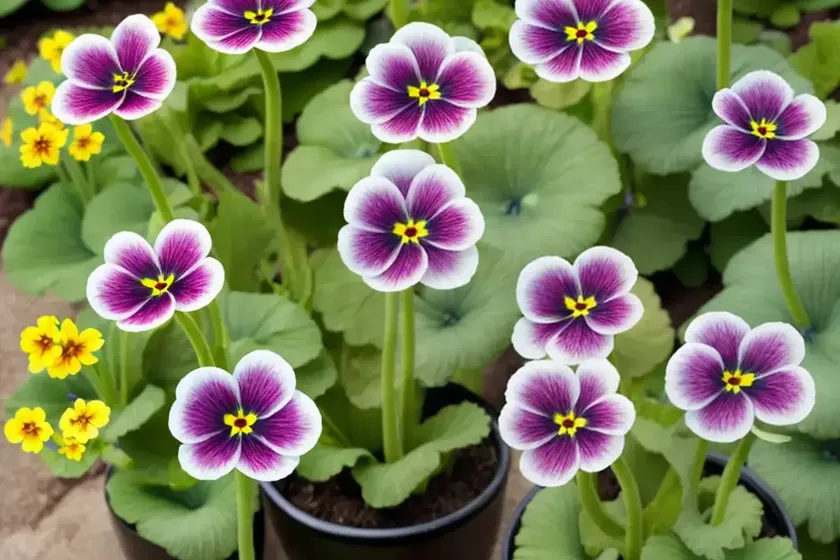
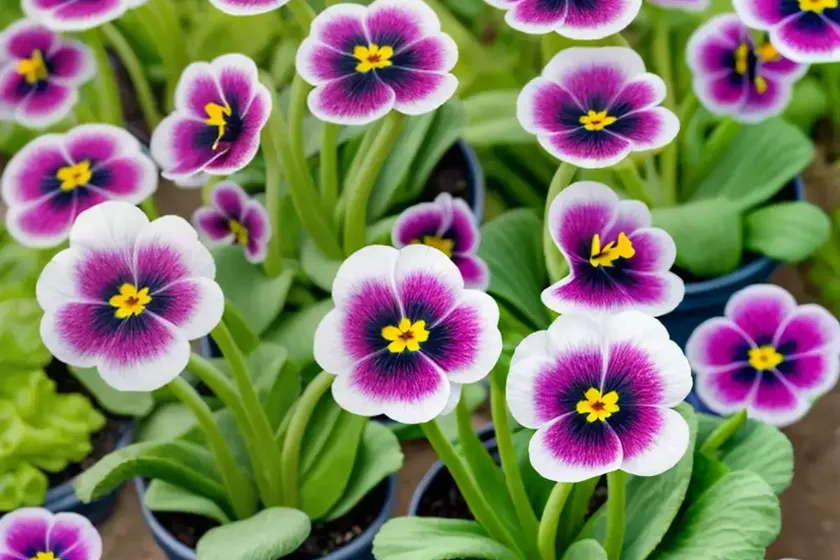
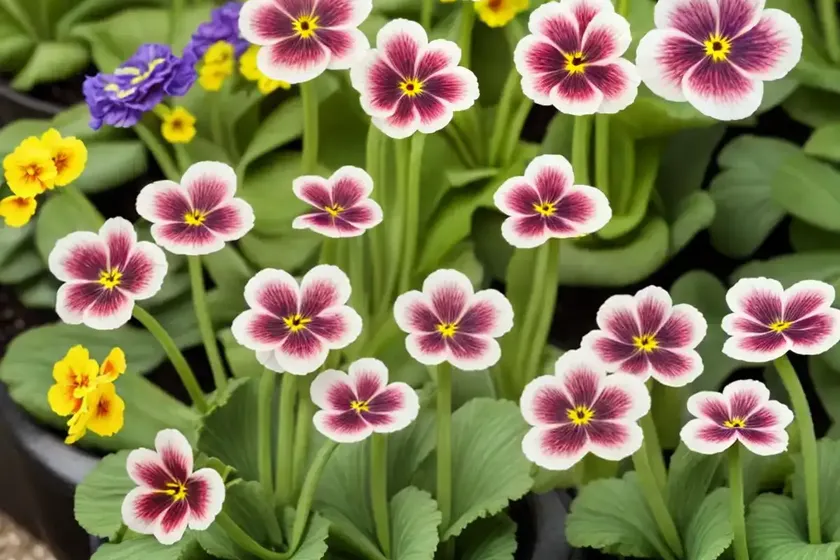
In the world of gardening, few plants compare to the beauty and allure of the Auricula, scientifically known as Primula auricula. This captivating plant is cherished for its stunning blooms and its unique cultivation requirements. In this comprehensive guide, we will delve into the key aspects of Auricula care, including its culture, uses, optimal growing conditions, common diseases and pests, as well as tips from botanists to ensure successful cultivation.
What is Auricula (Primula Auricula)?
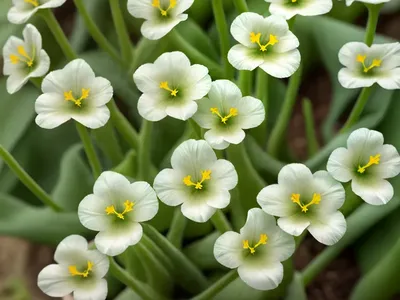
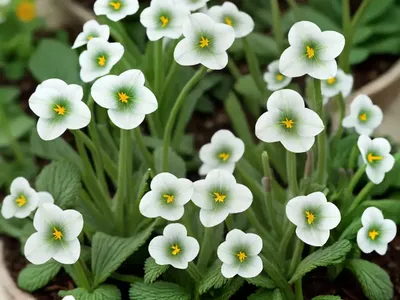
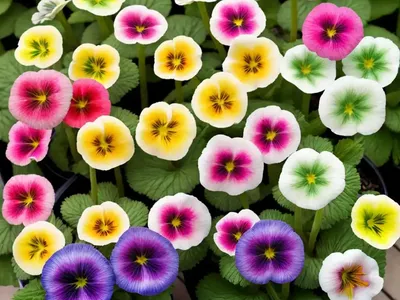
The Auricula, or Primula auricula, is a species of flowering plant in the family Primulaceae. This plant is native to the mountain ranges of Central Europe, where it is often found in rocky habitats and alpine meadows. The Auricula is known for its rosettes of fleshy leaves and stunning blooms that come in an array of colors ranging from vibrant yellows and oranges to deep maroons and purples.
Key Takeaways
- Scientific Name: Primula auricula
- Family: Primulaceae
- Native Habitat: Central Europe, mountainous regions
- Distinct features: Fleshy leaves, vibrant and colorful blooms
Culture
Uses
Auriculas have been cultivated for centuries for their ornamental value in gardens, rockeries, and alpine plant collections. The plant’s striking flowers make it a popular choice for both outdoor and indoor cultivation. Additionally, the Auricula is often showcased in floral displays and is widely used in horticultural shows and exhibitions.
Water
Proper watering is crucial for the health and vitality of Auriculas. These plants prefer moist, well-draining soil and require regular watering during the growing season. It is important to avoid waterlogged conditions, as excessive moisture can lead to root rot and other issues.
Sunlight
Auriculas thrive in bright, indirect sunlight or partial shade. In their natural habitat, they are often found in rocky areas with dappled sunlight. When grown in gardens or containers, they should be provided with ample light without being exposed to intense, direct sunlight for extended periods.
Fertilizer
Auriculas benefit from regular feeding during the growing season. A balanced, water-soluble fertilizer can be applied every two to four weeks to support healthy growth and vibrant blooms. It is important to follow recommended dosage guidelines to prevent overfertilization, which can harm the plants.
Soil
A well-draining, slightly acidic soil mix is ideal for Auriculas. A mix of peat, perlite, and a small amount of sand promotes healthy root development and prevents waterlogging. The soil should be free of compaction and allow for proper aeration to support the delicate root systems of these plants.
Pruning
Minimal pruning is required for Auriculas. Deadheading spent blooms can encourage further flowering and maintain the plant’s overall appearance. Additionally, any damaged or unhealthy foliage should be removed to promote the plant’s well-being.
Propagation
Auriculas can be propagated through various methods including division, seed sowing, and offsets. Division involves separating established plants into smaller sections, while seed sowing allows for the cultivation of new plants from collected seeds. Offsets, which are small plantlets that develop from the main plant, can also be used for propagation.
Container Popularity
Auriculas are well-suited for container gardening and are a popular choice for alpine container displays and patio gardens. Their compact size and vibrant blooms make them an attractive addition to outdoor spaces and allows for easy management and repositioning as needed.
Common Diseases
Disease Diagnosis
Auriculas are generally healthy plants, but they can be susceptible to certain diseases and issues. Common diseases that may affect Auriculas include powdery mildew, root rot, and botrytis. Powdery mildew appears as a white, powdery substance on the foliage, while root rot is characterized by wilting, yellowing, and mushy roots. Botrytis can cause gray mold on the plant’s leaves and flowers.
Common Pests
Botanist’s Tips
- Hygiene: Good hygiene practices, such as removing dead leaves and spent blooms, can help prevent the onset and spread of diseases.
- Air Circulation: Adequate airflow around the plants is essential to prevent the development of fungal issues such as powdery mildew and botrytis.
- Proper Watering: Avoid overwatering and ensure that the soil and drainage are suitable to prevent root rot and related issues.
Fun Facts
- The term “Auricula” is derived from the Latin word for “ear,” which refers to the shape and appearance of the plant’s leaves.
- Auriculas have been cherished by plant enthusiasts for centuries, with historical records dating back to the 16th century.
Links to External Resources
Plant Name: “Auricula ( Primula Auricula)”
I hope you find this guide helpful in understanding the beauty and care of the Auricula (Primula Auricula). Whether you are drawn to its captivating blooms or are intrigued by its unique growing requirements, cultivating Auriculas can be a rewarding endeavor for any plant enthusiast.
References:
- Royal Horticultural Society. Auriculas – Beautiful, Unique and Fascinating. www.rhs.org.uk/plants/popular/auricula
- The Alpine Garden Society. Primula auricula. www.alpinegardensociety.net/plants/primula/auricula
- University of Illinois Extension. Growing Primroses: A Splash of Spring in Your Garden. extension.illinois.edu/blog/growing-primroses-splash-spring-your-garden
The Auricula (Primula Auricula) is a plant that captivates gardeners and plant enthusiasts around the world, and its unique care requirements only add to its allure. From its stunning blooms to its historical significance, the Auricula is truly a plant worth exploring and cultivating.