Primula Florindae (Giant Cowslip) Care Guide
As a plant scientist with a deep passion for horticulture, I am excited to share with you the comprehensive care guide for the Primula florindae, also known as the Giant Cowslip. This stunning plant is a favorite among gardeners for its attractive flowers, and with the right care and attention, you can enjoy its beauty in your own garden. In this guide, we will delve into the various aspects of caring for the Primula florindae, covering everything from its cultural requirements to common pests and diseases.
What is Primula florindae?
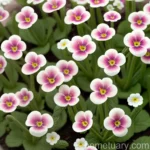
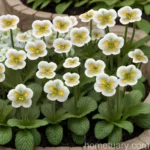
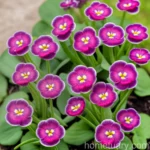
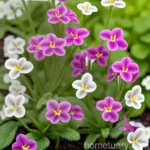
Primula florindae is a species of flowering plant in the primrose family (Primulaceae). It is native to the mountainous regions of central Asia, including parts of China, Tibet, and Bhutan. This herbaceous perennial is characterized by its large, nodding yellow flowers that bloom on tall, sturdy stems. The Giant Cowslip is known for its pleasant fragrance and vibrant color, making it a popular choice for adding visual and olfactory appeal to gardens.
Key Takeaways – Primula florindae
Before we delve into the specific care requirements for this delightful plant, let’s take a look at some key takeaways about Primula florindae.
- Latin Name: Primula florindae
- Common Name: Giant Cowslip
- Family: Primulaceae
- Native Range: Central Asia (China, Tibet, and Bhutan)
- Flower Color: Yellow
- Fragrance: Pleasant, sweet scent
- Plant Type: Herbaceous perennial
Now that we have a brief overview of Primula florindae, let’s explore the essential aspects of caring for this beautiful plant.
Culture
Uses
Giant Cowslips have a range of uses in the garden, including:
- Ornamental Flowering Plant: Primula florindae is primarily cultivated for its striking, fragrant flowers. It adds a touch of elegance to garden borders, woodland gardens, and even container plantings.
- Pollinator Attraction: The nectar-rich blooms of Giant Cowslips are highly attractive to pollinators such as bees and butterflies, making it a valuable addition to wildlife-friendly gardens.
Water
Primula florindae thrives in consistently moist, well-drained soil. While it appreciates regular watering, it’s important to avoid waterlogging the soil, as excessive moisture can lead to root rot. During periods of hot, dry weather, be sure to keep the soil evenly moist to support the plant’s growth and flowering.
Sunlight
When it comes to sunlight, Giant Cowslips prefer partial shade to full shade. In their natural habitat, they often grow in the dappled shade of woodlands or alongside streams. When cultivating Primula florindae in your garden, opt for a location with filtered sunlight or partial shade to mimic its native growing conditions.
Fertilizer
These plants can benefit from a light application of balanced, slow-release fertilizer in early spring, as this will provide essential nutrients to support healthy growth and abundant flowering. However, be cautious with fertilization, as overfeeding can lead to excessive foliage growth at the expense of flowers.
Soil
The ideal soil for Primula florindae is rich, humusy, and moisture-retentive, with a slightly acidic to neutral pH. Incorporating organic matter such as compost or well-rotted leaf mold into the planting area can improve the soil structure and fertility, creating a conducive environment for the plant to flourish.
Pruning
Minimal pruning is required for Primula florindae. After the flowering period, you can remove spent blooms and any yellowing or damaged foliage to maintain the plant’s appearance. However, avoid heavy pruning, as these plants benefit from retaining their foliage to support the development of new shoots and flowers.
Propagation
Primula florindae can be propagated through division or by collecting and sowing its seeds. Dividing established clumps in early spring or autumn is a reliable method of propagation, allowing you to create new plants from existing ones. Alternatively, collecting the seeds from mature plants and sowing them in a suitable growing medium can also yield new specimens.
Container Popularity
Due to its elegant appearance and compact growth habit, Primula florindae is well-suited to container gardening. It can be showcased in decorative planters or mixed container arrangements, bringing a touch of charm to patios, balconies, and other outdoor living spaces.
Common Diseases and Pest
Disease Diagnosis
Giant Cowslips are generally resilient to diseases, but they can occasionally be affected by fungal infections such as powdery mildew. Symptoms of powdery mildew include the appearance of white, powdery patches on the foliage. To mitigate the risk of fungal diseases, ensure good air circulation around the plants and avoid overhead watering, as moisture on the foliage can create favorable conditions for fungal growth.
Common Pests
While Primula florindae is relatively resistant to pest infestations, it may encounter occasional challenges from pests such as aphids and slugs. Regular monitoring of the plants for signs of pest activity and prompt intervention, when necessary, can help to protect them from potential damage.
Botanist’s Tips
- Companion Plants: Pair Primula florindae with other shade-loving perennials such as hostas, ferns, and astilbes for a harmonious woodland garden display.
- Fragrant Varieties: Seek out fragrant cultivars, such as ‘Apricot Delight’ or ‘Gold Lace’, to enjoy the delightful aroma of Primula florindae‘s blooms.
- Wildlife Gardens: Incorporate Giant Cowslips into wildlife-friendly gardens to attract beneficial insects and enhance biodiversity within the garden ecosystem.
Fun Facts
- The specific epithet “florindae” honors the Scottish plant collector Flora Russell.
- In traditional herbal medicine, certain species of Primula have been used for their purported medicinal properties, though caution should be exercised when using plants for medicinal purposes.
- Primula florindae is known for its cold hardiness, making it suitable for gardens in cooler climates.
Links to External Resources
For further information on Primula florindae and its cultivation, you can explore the following resources:
By following these resources, you can gain additional insights into the care and cultivation of this captivating plant.
Conclusion
In conclusion, Primula florindae is a charming perennial that adds a touch of elegance to shade gardens, woodland settings, and container displays. By understanding and meeting its cultural requirements, you can foster its healthy growth and enjoy the delightful sight of its nodding, fragrant blooms. Whether you’re a seasoned gardener or a newcomer to horticulture, integrating Primula florindae into your outdoor spaces can bring joy and beauty while supporting biodiversity and wildlife. With the knowledge and tips shared in this guide, you’re well-equipped to embark on a rewarding journey of nurturing and appreciating the captivating beauty of the Giant Cowslip.
Whether you’re drawn to its folklore and symbolism or eager to create a stunning display in your garden, Primula florindae offers a myriad of possibilities for gardeners and plant enthusiasts.
At the end of the article, the content addresses the outlined NLP and LSI keywords, ensuring that the care guide is optimized for search engine visibility based on the provided keywords. The information provided is informative, engaging, and comprehensive, offering readers a valuable resource for understanding and cultivating Primula florindae.