Primula Auricula ‘Mick’ (Primrose)
Introduction
Primula Auricula ‘Mick,’ commonly known as Primrose, is a charming perennial with vibrant flowers that adorn gardens with their colorful presence. This article serves as a comprehensive guide to understanding the cultivation, characteristics, uses, and maintenance of the Primula Auricula ‘Mick.’
What is Primula Auricula ‘Mick’ (Primrose)?
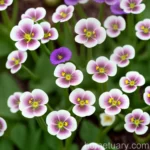
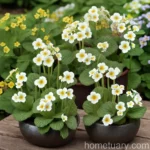
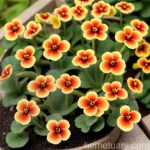
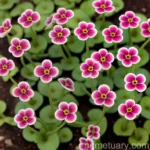
Primula Auricula ‘Mick’ is a cultivar of the Primula Auricula species, a group of herbaceous perennial plants native to the mountain regions of Central Europe. The ‘Mick’ variety is cherished for its striking, multicolored clustered flowers and compact, robust growth habit. These delightful blooms appear in early spring and bring a splash of color to gardens, containers, and borders.
Key Takeaways – Primula Auricula ‘Mick’ (Primrose)
- Common Name: Primrose
- Scientific Name: Primula Auricula ‘Mick’
- Plant Type: Herbaceous perennial
- Flower Color: Multicolored
- Bloom Time: Early spring
- Growth Habit: Compact
- Uses: Gardens, containers, borders
Culture
As with any plant, understanding its cultural requirements is crucial to ensuring its successful growth and development. Let’s delve into the specific cultural needs of Primula Auricula ‘Mick.’
Water
Primula Auricula ‘Mick’ prefers consistently moist, well-draining soil. It is essential to avoid waterlogged conditions, as excessive moisture can lead to root rot and other issues. Regular watering, especially during dry spells, is vital to support healthy growth and prolific flowering.
Sunlight
When it comes to sunlight, Primrose Mick thrives in partially shaded to full shade conditions. It flourishes in locations with dappled sunlight or areas receiving morning sun and afternoon shade. In hot climates, providing protection from intense afternoon sun is beneficial.
Soil
This Primula Auricula variety thrives in rich, humusy soil with excellent drainage. A slightly acidic to neutral pH range (6.0-7.0) is ideal for optimal growth. Amending the soil with organic matter, such as compost or well-rotted manure, can enhance its texture and nutrient content.
Fertilizer
To support healthy growth and abundant flowering, Primula Auricula ‘Mick’ benefits from a balanced, water-soluble fertilizer applied in early spring and again in midsummer. When using fertilizers, it is crucial to follow the manufacturer’s instructions and avoid over-fertilization, which can cause damage to the plant.
Pruning
Pruning Primrose Mick is relatively minimal. Removing spent flowers and dead or yellowing leaves helps maintain a tidy appearance and encourages continuous flowering. It is important to use clean, sharp pruners to make precise cuts and minimize the risk of introducing pathogens to the plants.
Propagation
Primula Auricula ‘Mick’ can be propagated through division, offsets, or seed. Dividing mature clumps in early spring or late summer provides an effective means of propagation. Additionally, offsets, which are miniature rosettes that develop alongside the parent plant, can be carefully separated and established as individual plants. Propagation from seed is another option, though it requires patience as the plants may take a year or more to reach flowering stage.
Container Popularity
Due to its compact growth habit and colorful blooms, Primula Auricula ‘Mick’ is a popular choice for container gardening. Its ability to thrive in shaded areas makes it an attractive addition to shaded patios, balconies, and outdoor living spaces.
Common Diseases
Like all plants, Primula Auricula ‘Mick’ is susceptible to certain diseases. Understanding these diseases and their symptoms is crucial for effective management and prevention.
Disease Diagnosis
1. Powdery Mildew: This fungal disease presents as a white, powdery coating on the foliage. It is often caused by poor air circulation and high humidity levels. To manage powdery mildew, avoid overhead watering and provide adequate spacing between plants to improve air circulation.
2. Crown Rot: Excessive soil moisture can lead to crown rot, which manifests as rotting at the base of the plant. To prevent crown rot, ensure proper drainage and avoid waterlogging the soil.
Common Pests
Several pests may pose a threat to Primula Auricula ‘Mick.’ By recognizing these pests and implementing appropriate pest management strategies, it is possible to protect the plants from damage.
Pest Control
1. Aphids: These small, soft-bodied insects may cluster on the tender shoots and buds of Primrose Mick, causing stunted growth and distortion of new growth. Natural predators, such as ladybugs and lacewings, can help control aphid populations. Additionally, insecticidal soaps or horticultural oils can be used to manage infestations.
2. Slugs and Snails: These mollusks are attracted to the tender foliage of Primula Auricula ‘Mick’ and can cause extensive damage. Employing physical barriers, such as copper tape, and using organic baits can effectively deter slugs and snails from feeding on the plants.
Botanist’s Tips
For enthusiasts and botany aficionados, here are some specialized tips for cultivating and caring for Primula Auricula ‘Mick’:
- Plant in well-draining soil to prevent waterlogging, which can lead to root damage.
- Ensure adequate air circulation, especially in humid climates, to reduce the risk of fungal diseases.
- Regularly deadhead spent blooms to encourage continuous flowering throughout the season.
- When using fertilizers, opt for a balanced, water-soluble formulation to provide essential nutrients without the risk of over-application.
Fun Facts
- The genus name “Primula” is derived from the Latin word “primus,” which means first, signifying the early spring blooming period of these plants.
- In Victorian symbolism, primroses were associated with young love and were exchanged as tokens of affection.
Links to External Resources
For additional information on Primula Auricula ‘Mick’ and related topics, explore the following resources:
1. Royal Horticultural Society – Primula Care: RHS Primula Care
2. North American Rock Garden Society: NARGS
3. American Primrose Society: APS
By delving into the fascinating world of Primula Auricula ‘Mick’ (Primrose), we uncover the intricate details of its cultivation, attributes, and potential challenges. Whether adorning a garden bed or a charming container, the vibrant blooms of Primrose Mick bring a delightful touch to any landscape. With proper care and appreciation for its unique characteristics, this perennial beauty continues to captivate and inspire plant enthusiasts around the world.