Primula Bulleyana (Candelabra Primrose): A Comprehensive Guide
Introduction
As a plant scientist, I am often fascinated by the diverse range of plant species and their unique characteristics. Among these, the Primula bulleyana, commonly known as the Candelabra Primrose, has always captured my attention due to its stunning appearance and varied uses in horticulture. In this comprehensive guide, we will delve into the various aspects of Primula bulleyana, including its cultural requirements, propagation techniques, common diseases and pests, and much more. Whether you are a seasoned gardener or a novice plant enthusiast, this guide will equip you with the knowledge to cultivate and appreciate this remarkable plant.
What is Primula bulleyana?
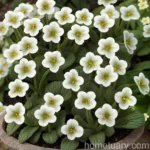
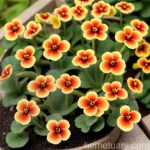
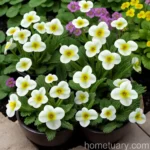
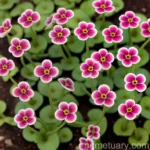
Primula bulleyana is a species of flowering plant in the family Primulaceae, native to the mountainous regions of China. It is characterized by its distinctive candelabra-like arrangement of flowers, which gives rise to its common name, Candelabra Primrose. This herbaceous perennial is renowned for its vibrant and showy blooms, making it a popular choice for gardeners looking to add color and visual interest to their landscapes.
Key Takeaways
Before we delve into the specifics of Primula bulleyana, let’s outline some key takeaways about this captivating plant.
- Botanical Name: Primula bulleyana
- Common Name: Candelabra Primrose
- Family: Primulaceae
- Native Habitat: Mountainous regions of China
- Growth Habit: Herbaceous perennial
- Distinctive Feature: Candelabra-like arrangement of flowers
- Blooming Season: Early spring
- Uses: Ornamental gardening, landscape design
- Hardiness Zones: 5 to 8
Now that we have an overview of Primula bulleyana, let’s explore the cultural requirements and best practices for cultivating and caring for this enchanting plant.
Cultural Requirements of Primula bulleyana
Cultivating Primula bulleyana successfully involves understanding and fulfilling its specific cultural requirements. From sunlight and water needs to soil preferences and maintenance practices, each aspect contributes to the overall health and vibrancy of the plant.
Water
Primula bulleyana thrives in consistently moist soil, making adequate watering a crucial aspect of its care. During the growing season, it is essential to ensure that the soil remains evenly moist, without becoming waterlogged. This can be achieved by providing regular, moderate watering, especially during dry spells. However, it is important to avoid overwatering, as this can lead to root rot and other water-related issues.
Sunlight
In terms of sunlight requirements, Primula bulleyana fares best in partial shade to full shade. While it appreciates bright, indirect light, especially in cooler climates, it benefits from some protection against the intense midday sun. When grown in regions with milder summers, it can tolerate more sunlight, but in hotter climates, providing dappled shade or partial shade is advisable to prevent the plant from becoming stressed.
Fertilizer
When it comes to fertilization, Primula bulleyana responds well to a balanced, slow-release fertilizer applied in early spring as new growth begins. It is crucial to use a fertilizer specifically formulated for flowering perennials, as this will provide the essential nutrients needed for robust growth and prolific blooming. Additionally, organic fertilizers can be beneficial in improving the overall soil health and promoting long-term vitality of the plant.
Soil
Primula bulleyana thrives in well-draining, humus-rich soil with a slightly acidic to neutral pH. A loamy soil texture is ideal for this plant, as it provides the necessary moisture retention while preventing waterlogging. Incorporating organic matter, such as compost or well-rotted manure, into the soil can enhance its fertility and structure, creating an optimal growing medium for Primula bulleyana.
Pruning
Pruning Primula bulleyana primarily involves deadheading spent blooms to promote continuous flowering and prevent the plant from expending energy on seed production. Additionally, removing any yellowing or damaged foliage helps maintain the plant’s overall health and aesthetics. Pruning should be carried out with sharp, clean tools to minimize the risk of introducing diseases or causing unnecessary damage to the plant.
Propagation of Primula bulleyana
Primula bulleyana can be propagated through various methods, allowing gardeners to expand their collection of these captivating plants or share them with fellow enthusiasts. Understanding the propagation techniques for this species empowers individuals to propagate new plants with confidence and success.
Division
One of the most common and effective methods of propagating Primula bulleyana is through division. This process involves carefully lifting the plant from the ground and dividing the clumps into smaller sections, each containing healthy roots and shoots. Division is typically carried out in early spring or after the plant has finished blooming, allowing the divided sections to establish themselves before the onset of winter.
Seed Propagation
Primula bulleyana can also be propagated from seeds, although this method requires patience and attention to detail. To propagate from seeds, it is essential to collect fresh seeds from mature seedpods and sow them in a prepared seed-starting mix. Providing consistent moisture and moderate warmth can encourage germination, and as the seedlings develop, they can be transplanted to individual containers or into the garden once they have established sturdy root systems.
Container Propagation
For gardeners with limited space or those wanting to showcase Primula bulleyana in containers, container propagation offers a convenient option. By carefully dividing a mature plant and potting the sections in suitable growing medium, individuals can create stunning container displays of Primula bulleyana, adding a delightful pop of color to patios, balconies, or indoor spaces.
Popularity and Uses of Primula bulleyana
Primula bulleyana has garnered popularity among gardeners and landscapers for its ornamental value and versatility in various settings. Let’s explore the uses and popularity of this charming plant in horticulture.
Ornamental Gardening
One of the primary uses of Primula bulleyana is as an ornamental plant in gardens, where it brightens up borders, woodland areas, and shaded gardens with its striking candelabra-like blooms. Its ability to thrive in partial to full shade makes it a valuable addition to landscapes with limited direct sunlight, and its early spring blooming season injects a burst of color into garden spaces after the dreariness of winter.
Landscape Design
Landscape designers and horticulturalists often incorporate Primula bulleyana into their designs to add visual interest and a touch of elegance to shaded areas. Whether used as a mass planting to create a breathtaking sea of blooms or as individual focal points in mixed borders, this species lends itself well to various landscape design applications, enhancing the overall aesthetic appeal of the outdoor environment.
Container Gardening
Due to its adaptability to container cultivation, Primula bulleyana is well-suited for container gardening, allowing individuals to enjoy its beauty on patios, decks, and other confined spaces. Its vibrant blooms and lush foliage make it a standout feature in container displays, and its relatively low maintenance requirements make it an attractive option for those seeking potted plants with a captivating floral display.
Common Diseases of Primula bulleyana and Disease Diagnosis
While Primula bulleyana is generally resilient, it can be susceptible to certain diseases that can affect its overall health and vigor. Understanding these common diseases and being able to diagnose them are essential for preserving the well-being of this remarkable plant.
Common Diseases
One of the primary diseases that can affect Primula bulleyana is powdery mildew, a fungal infection that manifests as a powdery white coating on the leaves and stems. This can occur in conditions of high humidity and poor air circulation, particularly in shaded areas. Additionally, root rot, caused by waterlogging and poorly draining soil, can pose a significant threat to the plant’s root system and overall vitality.
Disease Diagnosis
Diagnosing diseases in Primula bulleyana involves careful observation of the plant’s symptoms, including any changes in leaf color or texture, the presence of unusual growths or spots, and signs of wilting or decline. It is crucial to promptly identify and address any signs of disease to prevent the spread of infections and minimize the impact on the plant’s health.
Common Pests Affecting Primula bulleyana
In addition to diseases, Primula bulleyana may also be vulnerable to attacks by certain pests that can compromise its growth and appearance. Being aware of these common pests and implementing suitable pest management strategies is essential for preserving the plant’s condition.
Aphids
Aphids are a common pest that can infest Primula bulleyana, particularly in the presence of new growth or tender shoots. These small, sap-sucking insects can cause distortion of leaves, stunted growth, and overall weakening of the plant if left uncontrolled. Regular inspection and the use of insecticidal soaps or horticultural oils can effectively manage aphid populations.
Slugs and Snails
In humid and shaded environments, slugs and snails can pose a threat to Primula bulleyana by feeding on its foliage and flowers, leaving behind visible damage and unsightly trails. To deter these pests, methods such as beer traps, copper barriers, and organic slug baits can be employed to safeguard the plant from their feeding activity.
Botanist’s Tips for Growing Primula bulleyana
As a plant scientist with a passion for Primula bulleyana, I have accumulated valuable tips and insights for growing and caring for this enchanting plant. These botanist’s tips are born out of experience and a deep understanding of the plant’s needs, aiming to aid enthusiasts in cultivating Primula bulleyana successfully.
-
Mulching: Applying a layer of organic mulch, such as shredded bark or compost, around the base of Primula bulleyana can help conserve soil moisture, suppress weed growth, and provide insulation to the roots in fluctuating temperatures.
-
Air Circulation: Ensuring adequate air circulation around Primula bulleyana is crucial for preventing fungal diseases such as powdery mildew. This can be achieved by spacing plants appropriately and avoiding overcrowding in garden beds.
-
Winter Protection: In regions with harsh winters, providing a layer of protective mulch or covering Primula bulleyana with a frost cloth can safeguard the plant from extreme cold and frost damage, ensuring its survival and vitality into the following growing season.
Fun Facts about Primula bulleyana
Uncovering the intriguing aspects and lesser-known facts about Primula bulleyana adds an extra layer of fascination to this remarkable plant. Here are some fun facts about Primula bulleyana that highlight its unique characteristics and cultural significance.
-
In traditional folklore, Primula bulleyana has been associated with symbolism related to protection, renewal, and the arrival of spring, reflecting its early blooming season and vibrant presence in garden landscapes.
-
The genus name Primula is derived from the Latin word “primus,” meaning first, alluding to the plant’s early flowering habit and the symbolic associations with the onset of spring.
-
Primula bulleyana is known for its appeal to pollinators, attracting beneficial insects such as bees and butterflies with its nectar-rich blooms, making it a valuable asset for wildlife-friendly gardens and habitats.
Links to External Resources
For additional information and resources on Primula bulleyana, I recommend exploring the following links:
Conclusion
In this in-depth guide, we have ventured into the captivating world of Primula bulleyana, unraveling its cultural requirements, propagation techniques, common diseases and pests, and various uses in horticulture. By understanding the nuances of caring for this remarkable plant and appreciating its unique characteristics, individuals can cultivate and enjoy the beauty of Primula bulleyana in their own garden spaces. From its early spring blooms to its resilience in shaded environments, this species continues to enthrall plant enthusiasts and gardeners alike, enriching our natural landscapes with its presence and vibrancy. I hope this guide serves as a valuable resource for those seeking to embark on a journey with Primula bulleyana, fostering a deeper appreciation for this enchanting plant and its contributions to ornamental gardening and biodiversity.