Primula denticulata (Drumstick Primula): A Complete Guide
What is Primula denticulata?
Primula denticulata, commonly known as Drumstick Primula, is a beautiful herbaceous perennial plant that belongs to the Primulaceae family. It is native to the Himalayas, Afghanistan, and Tibet, where it can be found in alpine meadows and woodland areas. The species name “denticulata” refers to the toothed margins of its leaves. The plant is characterized by its spherical clusters of colorful flowers that rise above the foliage on sturdy stems, creating an eye-catching display in the garden.
Key Characteristics of Primula denticulata
- Common Name: Drumstick Primula
- Family: Primulaceae
- Native Habitat: Himalayas, Afghanistan, Tibet
- Foliage: Rosette of green, wrinkled, and toothed leaves
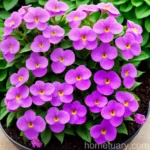
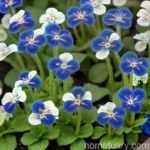
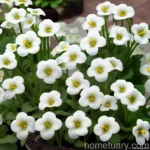
- Flowers: Spherical clusters of colorful, fragrant flowers on tall stems
- Blooming Period: Late spring to early summer
- Height: 6-12 inches (15-30 cm)
- Cultural Uses: Ornamental gardens, rock gardens, borders, containers
Key Takeaways – Primula denticulata
Culture
Understanding the cultural requirements of Primula denticulata is essential for its successful growth and flourishing in the garden. Proper care, including the right watering, sunlight exposure, soil conditions, and maintenance, can contribute to the plant’s robustness and vibrancy.
- Soil: Well-draining, rich, and humus-rich soil
- Watering: Evenly moist soil, avoid waterlogging
- Sunlight: Partial shade to full sun
- Fertilizer: Balanced, diluted fertilizer during the growing season
- Maintenance: Periodic deadheading, division every few years
- Propagation: Division, seed sowing
Uses
Primula denticulata holds notable significance in various gardening and landscaping applications, as well as its potential uses in wildlife support and natural habitats.
- Gardening: Borders, rock gardens, containers, cottage gardens
- Wildlife Support: Attracts pollinators, such as bees and butterflies
- Natural Habitat: Alpine meadows, woodland areas
Water
Adequate water supply is crucial for the successful growth and health of Primula denticulata. Understanding the plant’s water needs and implementing proper watering techniques is essential for cultivating lush and vibrant specimens.
- Watering Needs: Evenly moist soil
- Avoid Waterlogging: Ensure proper drainage to prevent waterlogged soil
- Rainwater: Can be beneficial due to its purity and natural pH
Sunlight
Sunlight plays a vital role in the growth and development of Primula denticulata. Proper understanding of the plant’s light requirements and careful placement in the garden can optimize its flowering and overall vigor.
- Light Conditions: Partial shade to full sun
- Morning Sun: Ideal for promoting healthy growth and abundant flowering
- Afternoon Shade: Protects the plant from intense heat and sunburn
Fertilizer
Supplemental fertilization can enhance the growth and blooming potential of Primula denticulata. By providing the right type and amount of fertilizer, gardeners can support the plant’s nutrient requirements and overall vitality.
- Type: Balanced, diluted fertilizer
- Application Time: During the growing season
- Avoid Overfertilization: Can lead to excessive foliage growth at the expense of flowers
Soil
The soil composition and quality significantly impact the overall health and performance of Primula denticulata. Adequate attention to soil type, pH, and drainage can foster optimal growth and resilience of the plant.
- Ideal Soil: Well-draining, humus-rich, slightly acidic soil
- pH Range: Slightly acidic to neutral (pH 6.0-7.0)
- Organic Matter: Incorporating organic compost can enrich the soil structure
Pruning
Pruning is an essential aspect of maintaining Primula denticulata’s appearance and promoting its long-term health. Proper pruning techniques can help manage the plant’s growth and enhance its aesthetic appeal.
- Deadheading: Removing spent flowers to promote continuous blooming
- Leaf Trimming: Tidying up the foliage for a neat appearance
- Division: Periodic division every few years to rejuvenate crowded clumps
Propagation
The propagation of Primula denticulata presents opportunities for gardeners to expand their plant collection and share the beauty of this species with others. Understanding the different propagation methods is essential for successful reproduction.
- Division: Separating mature clumps into smaller sections
- Seed Sowing: Collecting and sowing fresh seeds in suitable growing conditions
- Propagation Time: Best performed in early spring or late summer/early fall
Container Popularity
Primula denticulata’s charming appearance and adaptability make it a popular choice for container gardening. Its compact size and colorful blooms allow for stunning displays in various container arrangements.
- Suitable Containers: Well-draining pots or containers with adequate depth
- Group Planting: Combining multiple plants for a striking container garden
- Overwintering: Protecting containers from harsh winter conditions
Container Common Diseases
While Primula denticulata is generally resilient, certain diseases can affect plants grown in containers. Understanding these common diseases and their preventive measures is crucial for maintaining healthy container specimens.
- Root Rot: Caused by overwatering or poor drainage
- Powdery Mildew: Fungal disease favored by high humidity and poor air circulation
- Aphid Infestation: Sap-sucking insects that can weaken the plant
Disease Diagnosis
The timely diagnosis of diseases affecting Primula denticulata is essential for implementing effective treatment and preventing further spread. Recognizing the symptoms and signs of common diseases can aid in targeted intervention.
- Leaf Discoloration: Indicator of nutrient deficiency or leaf disease
- Wilting and Drooping: Potential signs of root rot or waterlogged soil
- White Powdery Coating: Symptom of powdery mildew infection
Common Pests
Various pests can pose a threat to the health and vitality of Primula denticulata. Identifying these common pests and implementing control measures is crucial for safeguarding the plant from infestations.
- Aphids: Small, sap-sucking insects that congregate on new growth
- Slugs and Snails: Feed on foliage and flowers, leaving characteristic slime trails
- Spider Mites: Minuscule pests that cause stippling and webbing on leaves
Botanist’s Tips
Expert insights and recommendations from botanists can provide valuable guidance for successfully growing and caring for Primula denticulata. Incorporating these tips can optimize the plant’s performance in the garden.
- Ample Air Circulation: Ensure good air movement to reduce the risk of fungal diseases
- Mulching: Apply a layer of organic mulch to moderate soil moisture and suppress weeds
- Regular Monitoring: Check plants for signs of pests, diseases, and nutrient deficiency
Fun Facts
Discovering interesting and unique facts about Primula denticulata can deepen appreciation for this captivating plant and showcase its remarkable attributes.
- Himalayan Origin: Primula denticulata hails from the majestic Himalayan region
- Fragrant Flowers: The blooms of Primula denticulata can emit a delicate, sweet fragrance
- Butterfly Magnet: Attracts and supports pollinators, creating a vibrant garden ecosystem
Links to External Resources
Explore the following links for further information and resources related to Primula denticulata:
- RHS – Primula denticulata
- Missouri Botanical Garden – Primula denticulata
- The Alpine Garden Society – Primula denticulata
In conclusion, the enchanting Primula denticulata, or Drumstick Primula, exemplifies the beauty and resilience of alpine plants. With its colorful, spherical flowers and moderate cultural requirements, this species holds immense potential for ornamental and ecological applications. By understanding and implementing the recommended practices, enthusiasts can foster robust and vibrant specimens of Primula denticulata, adding a touch of elegance to their gardens and landscapes.
References:
- Royal Horticultural Society. “Primula denticulata.” https://www.rhs.org.uk/Plants/17933/i-Primula-denticulata-i/Details
- Missouri Botanical Garden. “Primula denticulata.” https://www.missouribotanicalgarden.org/PlantFinder/PlantFinderDetails.aspx?kempercode=a713
- The Alpine Garden Society. “Primula denticulata.” https://www.alpinegardensociety.net/plants/primula/denticulata