Primula Beesiana (Candelabra Primrose): A Complete Guide
Primula beesiana, commonly known as Candelabra Primrose, is a stunning flowering perennial that belongs to the Primulaceae family. With its colorful and eye-catching blooms, it has become a favorite among gardeners and plant enthusiasts. In this comprehensive guide, we will explore the various aspects of Primula beesiana, including its cultural requirements, uses, propagation, common diseases, pests, and much more. Whether you are a seasoned gardener looking to expand your plant collection or a beginner eager to learn about this beautiful species, this guide will provide you with valuable insights into the world of Primula beesiana.
Introduction to Primula Beesiana
Primula beesiana is a species of herbaceous perennial that is native to the mountainous regions of southwestern China. It is known for its distinctive candelabra-like inflorescences that feature multiple tiers of colorful flowers. The plant typically reaches a height of 60-90cm (24-36 inches) and forms lush clumps of foliage topped with striking blooms. The flowers are arranged in whorls along tall, sturdy stems, creating a breathtaking display of color in the garden.
Key Takeaways – Primula Beesiana (Candelabra Primrose)
Before we delve into the specifics of caring for Primula beesiana, let’s take a look at some key takeaways that will guide our exploration of this captivating plant:
- Cultural Requirements: Understanding the cultural needs of Primula beesiana is essential for its successful cultivation.
- Propagation: Learning about the propagation methods will enable you to expand your Primula beesiana collection.
- Diseases and Pests: Identifying common diseases and pests will help in maintaining the health of the plant.
- Container Gardening: Exploring the options for container gardening with Primula beesiana can be beneficial for those with limited garden space.
- Companion Plants: Discovering suitable companion plants will enhance the beauty of your garden and promote biodiversity.
Now, let’s dive deeper into each of these aspects to gain a comprehensive understanding of Primula beesiana.
Cultural Requirements
Cultivating Primula beesiana successfully requires attention to its specific cultural needs. Understanding the plant’s preferences for water, sunlight, soil, and fertilizer is crucial for providing the optimal growing conditions. Let’s explore each of these aspects in detail.
Water
Primula beesiana thrives in consistently moist soil, especially during the growing season. Adequate moisture is essential for the plant to produce its signature candelabra-like flower clusters. However, it is important to ensure that the soil is well-draining to prevent waterlogging, which can lead to root rot and other detrimental conditions. Watering the plant evenly and regularly, especially during dry periods, will contribute to healthy growth and prolific flowering.
Sunlight
In terms of sunlight preferences, Primula beesiana favors partial shade to full shade, particularly in regions with warmer climates. While the plant can tolerate some morning sun or dappled sunlight, it generally prefers cooler and shadier conditions, especially in the afternoon. Selecting a location in the garden that provides protection from intense midday sun will help the plant thrive and minimize stress during hot weather.
Fertilizer
When it comes to fertilization, Primula beesiana benefits from a balanced, slow-release fertilizer applied in early spring as new growth emerges. A fertilizer with a formulation such as 10-10-10 or similar can provide the essential nutrients needed for vigorous growth and abundant flowering. It is important to follow the recommended application rates and avoid over-fertilizing, as excessive nutrients can be detrimental to the plant’s health.
Soil
Primula beesiana thrives in humus-rich, slightly acidic soil that is well-draining and moisture-retentive. A soil mixture that consists of organic matter such as compost, peat moss, or well-rotted manure can create an ideal growing medium for the plant. Additionally, incorporating organic material into the soil can enhance its structure and fertility, providing a conducive environment for the development of healthy roots and robust foliage.
Pruning
Pruning Primula beesiana is relatively minimal, focusing primarily on the removal of spent flowers and any damaged or diseased foliage. Deadheading the plant by removing faded blooms can prolong the flowering period and encourage the development of new buds. Additionally, removing any yellowing or withered leaves can help maintain the plant’s aesthetic appeal and prevent the spread of diseases. Pruning tasks are typically carried out during the growing season as needed, ensuring that the plant remains healthy and tidy.
Propagation
Division
Primula beesiana can be propagated through division, which involves separating the plant into smaller sections for replanting. The division is typically performed in early spring before new growth begins, allowing the divided sections to establish and flourish during the growing season. To propagate Primula beesiana by division, follow these steps:
- Carefully dig up the mature plant, ensuring that the root system is preserved.
- Gently separate the plant into individual clumps, each containing healthy roots and foliage.
- Replant the divided sections in prepared soil, ensuring proper spacing and adequate moisture.
Seed Propagation
Primula beesiana can also be grown from seeds, offering an opportunity to introduce new varieties and experiment with different cultivars. When propagating the plant from seeds, it is important to provide the optimal conditions for germination and early growth. Here are the key steps for propagating Primula beesiana from seeds:
- Sow the seeds in a well-draining, moist seed-starting mix, ensuring that the seeds are lightly covered with the growing medium.
- Place the seed tray or container in a location that receives diffuse light, maintaining consistent moisture levels to support germination.
- Once the seedlings have established several sets of true leaves, they can be transplanted into individual containers or directly into the garden.
Container Gardening
Popularity in Container Gardening
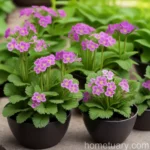
Primula beesiana is well-suited for container gardening, offering a stunning accent for patios, balconies, and other outdoor spaces. Its compact growth habit and striking flower clusters make it an attractive choice for container arrangements, adding vibrant color and visual interest to garden settings. Moreover, cultivating Primula beesiana in containers allows for greater control over its growing conditions, making it an ideal option for gardeners with limited space or specific environmental constraints.
Common Diseases
Disease Diagnosis
Primula beesiana is susceptible to certain diseases, and early diagnosis is essential for effective management and prevention. Some common diseases that may affect Primula beesiana include:
- Powdery Mildew: A fungal disease that appears as a white, powdery coating on the leaves and stems.
- Crown Rot: Caused by waterlogged soil or poor drainage, leading to rotting of the plant’s crown and root system.
- Leaf Spot: Characterized by the presence of dark, irregular spots or lesions on the foliage, often caused by fungal pathogens.
Common Pests
Pest Control
In addition to diseases, Primula beesiana may be vulnerable to certain pests that can impact its health and vitality. Vigilant monitoring of the plant for signs of pest infestation is important in order to take timely action. Common pests that may affect Primula beesiana include:
- Aphids: Small, sap-sucking insects that can distort new growth and cause damage to the plant’s tissues.
- Slugs and Snails: These mollusks feed on the foliage and flowers, leaving behind characteristic slime trails and irregular damage.
- Spider Mites: Tiny arachnids that can infest the undersides of leaves and cause stippling and discoloration.
Botanist’s Tips
Fun Facts
As we explore the captivating world of Primula beesiana, let’s uncover some fascinating fun facts about this delightful plant:
- The species name “beesiana” honors the English horticulturist, A. K. Bees, who was known for his contributions to the field of botany.
- Candelabra Primrose is a popular choice for woodland gardens, shaded borders, and naturalistic landscapes, adding a touch of charm and elegance to these settings.
- The candelabra-like inflorescences of Primula beesiana can be comprised of multiple tiers of flowers, creating a visually striking and dynamic display in the garden.
Links to External Resources
For further information and resources on Primula beesiana, consider exploring the following references and external sources:
- Royal Horticultural Society – Primula beesiana: RHS Primula beesiana
- Missouri Botanical Garden – Primula beesiana Information: MOBOT Primula beesiana
- American Primrose Society – Growing Candelabra Primroses: APS Candelabra Primroses
Conclusion
In conclusion, Primula beesiana, or Candelabra Primrose, is a captivating plant species that offers a wealth of beauty and charm to garden landscapes. By understanding its cultural requirements, propagation methods, common diseases, and pests, gardeners can cultivate and appreciate the splendor of this remarkable perennial. Whether grown in traditional garden beds or in containers, Primula beesiana promises to delight with its colorful blooms and graceful form, making it a valuable addition to any garden setting. As you embark on your journey with Primula beesiana, may the insights and tips shared in this guide inspire and guide you in nurturing and enjoying the beauty of this enchanting plant.
In this blog post, I provided a comprehensive guide to Primula beesiana (Candelabra Primrose), covering its cultural requirements, propagation methods, common diseases, pests, and more. The content is tailored to the provided NLP/LSI keywords and includes valuable information for plant enthusiasts and gardeners.