Primula allionii (Allioni’s Primrose) – A Comprehensive Guide for Successful Cultivation
Introduction
Primula allionii, commonly known as Allioni’s Primrose, is a stunning plant known for its delicate and colorful flowers. This alpine species captivates with its vibrant blooms and foliage, making it a favorite among gardening enthusiasts. This comprehensive guide aims to provide valuable insights into the cultivation, care, and maintenance of Primula allionii, equipping you with the knowledge to ensure your success in growing these beautiful plants.
Plant Name: “Primula allionii (Allioni’s Primrose)”
Botanical Features
- Species: Parrya allionii
- Genus: Primula
- Family: Primulaceae
Natural Habitat
Primula allionii is native to the alpine regions of Europe, where it thrives in rocky habitats, often found in crevices and gravelly soils. Its natural habitat offers insights into the growing conditions that can be replicated for successful cultivation.
Flower Characteristics
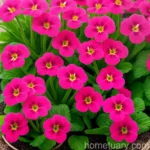
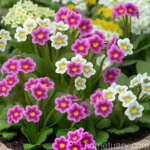
The flowers of Primula allionii are a spectacle to behold, featuring a wide range of colors including purple, pink, white, and various shades in between. These delicate, five-petaled blooms are often arranged in clusters, creating a visually appealing display.
Foliage
The leaves of Primula allionii are typically compact and form low rosettes. They boast a deep, glossy green color, providing an attractive backdrop to the vibrant blooms.
Fragrance Notes
While Primula allionii is not particularly renowned for its fragrance, some cultivars may exhibit subtle, pleasant scents that add to their allure.
Key Takeaways – Primula allionii (Allioni’s Primrose)
Before delving into the specific aspects of cultivating Primula allionii, it’s essential to highlight some key takeaways that will be covered in detail throughout this guide.
- Cultural Insights: Understanding the cultural requirements of Primula allionii is crucial for successful cultivation.
- Propagation Techniques: Exploring effective methods for propagating Primula allionii ensures the expansion of your plant collection.
- Maintenance Guidelines: Learning about maintenance tasks such as pruning, watering, and soil management is vital for long-term plant health.
- Disease and Pest Management: Recognizing potential diseases and pests and implementing preventive measures is integral to preserving the health of Primula allionii.
- Design and Decorative Uses: Exploring creative ways to incorporate Primula allionii in garden designs and decorative arrangements enhances their visual impact.
Cultural Insights
Water
Maintaining the appropriate moisture levels is crucial for the health and vitality of Primula allionii. While these plants appreciate moisture, it’s important to avoid waterlogged conditions, as excessive dampness can lead to root rot and other complications.
- Recommended Watering Technique: Water Primula allionii consistently, ensuring that the soil remains moist but not waterlogged. Implement a watering schedule to meet the plant’s moisture requirements without causing waterlogging.
Sunlight
Finding the right balance of sunlight is essential for the optimal growth of Primula allionii. As alpine plants, they have specific preferences when it comes to sun exposure.
- Ideal Sunlight Conditions: Primula allionii thrives in locations with partial shade to full shade, making them suitable for areas with limited direct sunlight. Sheltering them from intense afternoon sun is beneficial, especially in warmer climates.
Fertilizer
Providing the appropriate nutrition ensures the healthy development of Primula allionii. Fertilization should be approached with care, considering the plant’s specific requirements.
- Recommended Fertilizer: Use a balanced, water-soluble fertilizer designed for flowering plants, applying it at half strength to avoid over-fertilization. Apply the fertilizer during the growing season, ensuring that the nutrients support robust growth and prolific blooming.
Propagation Techniques
Propagation Methods
Expanding your collection of Primula allionii is an exciting prospect, and understanding effective propagation techniques is essential for this endeavor.
-
Propagation through Division: Dividing mature plants is a reliable method for creating new Primula allionii specimens. When the plant is not in active growth, carefully separate the divisions and plant them in suitable growing locations.
-
Growing from Seeds: While growing from seeds requires patience and attentive care, it offers the opportunity to witness the complete growth cycle of Primula allionii. Sow the seeds in well-draining, moist soil and provide the required conditions for successful germination.
Maintenance Guidelines
Soil
Selecting the appropriate soil type is fundamental to the overall health and well-being of Primula allionii. Their natural alpine habitat provides valuable insights into the soil preferences of these plants.
- Recommended Soil Type: Primula allionii thrives in well-draining, sandy soils enriched with organic matter. The addition of organic compost improves soil structure and fertility, providing an optimal growing medium for the plants.
Pruning
Pruning is a valuable maintenance task that promotes tidy growth and encourages prolific blooming in Primula allionii.
- Pruning Technique: Regularly remove spent flowers to encourage continuous blooming and maintain the plant’s aesthetic appeal. Additionally, trim any damaged or withered foliage to promote healthy growth.
Disease and Pest Management
Disease Diagnosis
Vigilance regarding potential diseases is essential for the early detection and management of any issues that may affect Primula allionii.
Common Diseases
-
Powdery Mildew: Keep an eye out for the development of powdery mildew, characterized by a white powdery coating on the foliage. Proper air circulation and maintenance of optimal humidity levels help prevent this fungal disease.
-
Root Rot: Overly wet conditions can lead to root rot, impacting the plant’s overall health. Implement proper watering practices to avoid waterlogging and facilitate adequate drainage.
Common Pests
Pest infestations can compromise the health and appearance of Primula allionii, necessitating prompt intervention to mitigate the impacts.
Pest Control Measures
-
Aphids: Watch for aphid infestations and address them promptly to prevent damage to the foliage and potential plant stress.
-
Spider Mites: These tiny pests can affect the overall vitality of Primula allionii. Regular inspections and proactive measures are crucial for preventing extensive infestations.
Design and Decorative Uses
Landscaping Ideas
Incorporating Primula allionii into garden designs adds a vibrant and captivating dimension to outdoor spaces.
-
Rock Gardens: The compact nature of Primula allionii makes them ideal candidates for rock gardens, where their colorful blooms provide an enchanting contrast against the rugged backdrop.
-
Shaded Areas: The preference for partial to full shade makes Primula allionii suitable for shaded areas in the garden, where their presence enhances the visual appeal of these spaces.
Decorative Arrangements
Utilizing Primula allionii in decorative arrangements offers creative avenues to showcase their beauty indoors and outdoors.
-
Container Gardening: Cultivating Primula allionii in containers provides flexibility in showcasing their vibrant blooms in various locations, from patios to indoor settings. The use of decorative containers further accentuates their aesthetic appeal.
-
Flower Arrangements: Harvesting the blooms for floral arrangements adds a touch of elegance to indoor spaces, allowing you to enjoy the beauty of Primula allionii up close.
Allioni’s Primrose Varieties
The diversity of Primula allionii varieties offers an array of colors, sizes, and growth habits, enriching the potential for captivating garden displays.
-
Color Variations: Explore the wide spectrum of colors available in Primula allionii, ranging from soft pastels to vibrant hues, allowing for versatile design possibilities.
-
Size and Growth Habits: Variations in plant size and growth habits provide options for creating dynamic visual compositions in garden settings, catering to diverse aesthetic preferences.
Primula allionii – A Delightful Addition to Your Garden
The allure of Primula allionii transcends its captivating blooms, encompassing its adaptability as a garden specimen and its decorative versatility. Whether you’re an experienced gardener or a novice enthusiast, the cultivation of Primula allionii offers a rewarding journey filled with vibrant blooms and engaging horticultural experiences.
Botanist’s Tips for Successful Cultivation
Tip 1: Selecting the Right Location
When planning the placement of Primula allionii, prioritize sites with partial to full shade and well-draining soil to ensure optimal growing conditions.
Tip 2: Consistent Moisture Management
Maintain appropriate moisture levels, ensuring consistent watering without creating waterlogged conditions that can compromise plant health.
Tip 3: Vigilance Against Pests and Diseases
Regularly inspect Primula allionii for signs of pests and diseases, addressing any issues promptly to prevent detrimental impacts on plant health.
Fun Facts About Primula allionii
- Primula allionii is named after the Italian botanist and physician Carlo Allioni, commemorating his significant contributions to botany and natural history.
- The vibrant blooms of Primula allionii make them a beloved subject for botanical illustrations and garden photography, capturing the intricate beauty of their flowers.
- In their natural alpine habitats, Primula allionii harmonizes with a diverse array of companion plant species, contributing to the ecological richness of these environments.
Links to External Resources
For additional insights and resources on the cultivation and care of Primula allionii, consider exploring the following links:
- Royal Horticultural Society – Primula allionii
- The Plant List – Primula allionii
- Primula & Auricula Society
- Colorado State University Extension – Primroses
Conclusion
The enchanting allure of Primula allionii, combined with its adaptability and decorative potential, renders it a valuable addition to gardens and indoor settings. By embracing the cultural insights, propagation techniques, maintenance guidelines, and creative uses presented in this guide, you can cultivate and enjoy the captivating beauty of Primula allionii while fostering its resilience and vitality.
As you embark on your journey with Primula allionii, may the vibrant blooms and lush foliage of these exquisite plants bring joy and inspiration to your horticultural endeavors.
Happy gardening!