Primula auricula ‘Golden Hind’ (Primrose) – The Ultimate Plant Care Guide
Introduction to Primula auricula ‘Golden Hind’
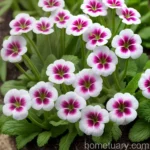
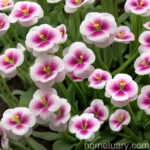
Primula auricula ‘Golden Hind’, commonly known as Primrose, is a delicate and charming perennial plant that is prized for its exquisite flowers and ease of cultivation. With vibrant yellow blooms and an exceptional tolerance for varying environmental conditions, this plant is a favorite among gardeners and plant enthusiasts. In this comprehensive plant care guide, we will explore the various aspects of growing and maintaining Primula auricula ‘Golden Hind’, including its culture, uses, water requirements, sunlight preferences, fertilizer needs, soil requirements, pruning techniques, propagation methods, container gardening tips, common diseases, pest management, and much more. Whether you are new to gardening or a seasoned enthusiast, this guide will equip you with the knowledge and insights you need to foster healthy and thriving Primula auricula ‘Golden Hind’ plants in your garden or indoor spaces.
Key Takeaways – Primula auricula ‘Golden Hind’ (Primrose)
Before delving into the detailed aspects of Primula auricula ‘Golden Hind’ care, let’s summarize the key takeaways to provide an overview of the information that will be covered in this guide.
- Culture
- Understanding the natural habitat and growth requirements of Primula auricula ‘Golden Hind’
- Uses
- Exploring the versatile uses of Primrose in various garden settings and landscape designs
- Water
- Addressing the specific water requirements of Primula auricula ‘Golden Hind’ for optimal growth
- Sunlight
- Determining the ideal sunlight exposure for healthy development and blooming
- Fertilizer
- Learning about the nutritional needs of Primrose and suitable fertilizer application
- Soil
- Identifying the soil preferences and composition best suited for Primula auricula ‘Golden Hind’
- Pruning
- Understanding the pruning techniques to maintain the plant’s form and encourage new growth
- Propagation
- Exploring the methods for propagating Primula auricula ‘Golden Hind’ and expanding your plant collection
- Container
- Guidelines for successful container gardening with Primrose
- Common Diseases
- Identifying and addressing common diseases that may affect Primula auricula ‘Golden Hind’
- Pests
- Strategies for pest management and protecting the plant from damaging insects
Now, let’s delve into each of these aspects to gain a comprehensive understanding of growing and caring for Primula auricula ‘Golden Hind’ plants.
Culture of Primula auricula ‘Golden Hind’
Understanding the natural habitat and cultural requirements of Primula auricula ‘Golden Hind’ is essential for creating an optimal growing environment and ensuring the plant’s health and vigor. This section will provide insights into the plant’s origin, habitat, and the cultural practices that promote its well-being.
Origin and Habitat
Primula auricula, including the ‘Golden Hind’ variety, is native to the mountainous regions of central and southern Europe. These plants thrive in alpine habitats, where they often cling to rocky ledges and crevices, displaying remarkable adaptability to challenging growing conditions. The natural habitat of Primula auricula ‘Golden Hind’ provides valuable insights into its preferences for cool temperatures, well-drained soil, and intermittent moisture, which are essential factors to consider when cultivating the plant in a garden setting.
Ideal Growing Conditions
To replicate the natural habitat of Primula auricula ‘Golden Hind’, it is crucial to provide an environment that mimics the cool, moist, and well-drained conditions that the plant favors. Here are the key elements of the ideal growing conditions for Primrose:
- Temperature: Cool to moderate temperatures, with protection from excessive heat and direct sun exposure.
- Moisture: Adequate moisture levels to support healthy growth, while avoiding waterlogged soil.
- Soil: Well-draining, humus-rich soil with a slightly acidic to neutral pH level.
- Shelter: Protection from intense sunlight and drying winds, particularly in warmer climates.
By adhering to these growing conditions, gardeners can create a hospitable environment for Primula auricula ‘Golden Hind’ to thrive and produce its characteristic vibrant blooms.
Landscape Uses
Primula auricula ‘Golden Hind’ is valued for its ornamental beauty and is often utilized in various landscape settings to enhance the visual appeal of garden beds, borders, rock gardens, and alpine plantings. Additionally, its compact growth habit and striking flowers make it a popular choice for container gardening, adding a splash of color to patios, balconies, and indoor spaces. The versatility of Primrose allows it to be integrated into diverse garden designs, providing cheerful blooms and brightening up shaded areas with its attractive foliage.
Understanding the cultural requirements and landscape uses of Primula auricula ‘Golden Hind’ forms the foundation for successful plant care and integration into garden settings. By aligning with the plant’s natural habitat and growth preferences, gardeners can set the stage for flourishing Primrose plants that contribute to the beauty of their outdoor spaces.
Water Requirements for Primula auricula ‘Golden Hind’
Water is a fundamental requirement for the growth and sustenance of all plants, and Primula auricula ‘Golden Hind’ is no exception. As with any plant, understanding its specific water needs is crucial for maintaining optimal health and preventing issues such as water stress or root rot. In this section, we will delve into the water requirements of Primrose, providing guidelines for watering frequency, moisture levels, and strategies for ensuring adequate hydration without waterlogging the soil.
Moisture Needs
Primula auricula ‘Golden Hind’ thrives in moist, well-drained soil, preferring consistent soil moisture without prolonged periods of drought or water saturation. The plant’s natural habitat in alpine regions, where it receives intermittent moisture from snowmelt and rainfall, offers insights into its preference for moderate but steady moisture levels. Therefore, it is essential to monitor the soil moisture and adjust watering practices to align with the plant’s needs, especially during periods of active growth and flowering.
Watering Frequency
In temperate climates, watering Primula auricula ‘Golden Hind’ approximately 1-2 times per week is usually sufficient, depending on the prevailing weather conditions and soil moisture retention. During dry spells or warmer periods, additional watering may be necessary to maintain adequate soil moisture. Conversely, in cooler and wetter seasons, the frequency of watering can be adjusted to prevent waterlogged conditions and excess moisture around the plant’s roots.
Watering Techniques
When watering Primrose, it is advisable to apply water directly to the soil at the base of the plant, avoiding wetting the foliage to reduce the risk of fungal diseases. This targeted watering approach ensures that the plant’s root system receives the necessary moisture while minimizing water wastage and potential leaf damage.
By understanding and implementing appropriate watering practices, gardeners can optimize the moisture levels for Primula auricula ‘Golden Hind’, promoting healthy growth and vibrant blooming throughout the growing season.
Sunlight Preferences of Primula auricula ‘Golden Hind’
The availability of sunlight significantly influences the growth, flowering, and overall health of plants, including Primula auricula ‘Golden Hind’. Understanding the plant’s sunlight preferences and making informed decisions about its placement in the garden or landscape are essential for maximizing its ornamental value and ensuring optimal development. This section will provide insights into the sunlight requirements of Primrose, helping gardeners make informed choices regarding its placement and exposure to sunlight.
Sun Exposure
Primula auricula ‘Golden Hind’ exhibits a preference for partial shade to full shade, particularly in regions with warmer temperatures and more intense sunlight. The plant’s natural habitat in alpine environments, where it receives dappled sunlight and protection from direct afternoon sun, highlights its adaptation to cooler and shadier conditions. Therefore, when selecting a location for planting or positioning Primula auricula ‘Golden Hind’ in the garden, it is advisable to prioritize areas with filtered light or partial shade to prevent sunscald and excessive heat stress.
Shaded Environments
The versatility of Primrose allows it to thrive in shaded environments, making it a valuable addition to gardens with limited direct sunlight, such as north-facing borders, under the canopy of trees, or in sheltered spots that receive gentle, indirect light. This adaptability to shaded conditions enables gardeners to incorporate Primula auricula ‘Golden Hind’ into various garden settings, adding vibrant color and lush foliage to areas that may not support sun-loving plants.
By respecting the plant’s preference for partial to full shade, gardeners can ensure that Primula auricula ‘Golden Hind’ receives the appropriate sunlight exposure to flourish and showcase its radiant blooms, while minimizing the risk of sun damage or heat-related stress.
Fertilizer Needs for Primula auricula ‘Golden Hind’
Providing adequate nutrition is essential for supporting the growth, flowering, and overall vitality of Primula auricula ‘Golden Hind’. While the plant is generally modest in its fertilizer requirements, understanding the specific nutritional needs and suitable fertilization practices is crucial for promoting robust growth and vibrant blooms. In this section, we will explore the fertilizer requirements of Primrose, offering guidance on the types of fertilizers, application timing, and best practices for maintaining nutrient balance in the soil.
Nutritional Needs
Primula auricula ‘Golden Hind’ benefits from a balanced and slightly acidic soil that is rich in organic matter, providing a favorable foundation for its development. While the plant can thrive in nutrient-poor conditions, supplementing the soil with essential nutrients during the growing season can enhance its overall vigor and flowering performance. The primary nutrients required by Primrose include nitrogen (N), phosphorus (P), and potassium (K), along with micronutrients such as iron, manganese, and magnesium, which contribute to the plant’s health and resilience.
Fertilizer Types
For feeding Primula auricula ‘Golden Hind’, a well-balanced, water-soluble fertilizer with a formulation such as 10-10-10 or 20-20-20 can be applied at half-strength, ensuring a gentle and consistent nutrient supply without overwhelming the plant with excessive fertilizers. Alternatively, organic fertilizers, such as compost, well-rotted manure, or fish emulsion, can be incorporated into the soil around the plant to provide slow-release nutrients and enrich the growing medium.
Application Timing
Applying fertilizer to Primrose in early spring, just as the plant emerges from dormancy and initiates new growth, is an opportune time to provide the necessary nutrients for robust development and flowering. Subsequent applications can be made every 4-6 weeks during the active growing season, tapering off as the plant prepares for dormancy in the fall. By timing the fertilization to align with the plant’s growth stages, gardeners can optimize the uptake and utilization of nutrients by Primula auricula ‘Golden Hind’, supporting its overall well-being.
By understanding the nutritional requirements of Primula auricula ‘Golden Hind’ and implementing appropriate fertilization practices, gardeners can ensure that the plant receives the essential nutrients for vigorous growth, prolific blooming, and resilient performance throughout the growing season.
Soil Requirements for Primula auricula ‘Golden Hind’
The composition and quality of the soil play a pivotal role in the growth, establishment, and sustained health of Primula auricula ‘Golden Hind’. Understanding the plant’s preferences for soil type, pH levels, and structure is essential for creating an optimal planting environment and promoting vigorous growth. This section will delve into the specific soil requirements of Primrose, providing insights into the ideal soil composition, pH range, and strategies for maintaining healthy soil conditions.
Soil Composition
Primula auricula ‘Golden Hind’ thrives in well-drained, humus-rich soil that offers a loose and friable texture, allowing ample aeration and root penetration. A combination of organic matter, such as compost, leaf mold, or well-rotted manure, can be incorporated into the soil to improve its structure and enrich the growing medium for enhanced plant growth. This amended soil provides essential nutrients, promotes moisture retention, and supports the development of a robust root system, which is crucial for the long-term health and vitality of Primrose.
pH Range
The pH level of the soil significantly influences the availability of nutrients to plants, and Primula auricula ‘Golden Hind’ exhibits a preference for slightly acidic to neutral soil conditions, with a pH range of approximately 5.5 to 7.0. Maintaining the soil within this pH range supports optimal nutrient uptake by the plant, prevents nutrient deficiencies or toxicities, and fosters a hospitable root environment for Primrose to thrive.
Soil Structure
The ideal soil structure for Primula auricula ‘Golden Hind’ is one that provides excellent drainage while retaining sufficient moisture for the plant’s needs. Well-drained, crumbly soil allows water to flow through the root zone without creating waterlogged conditions, safeguarding the plant from root rot and other moisture-related issues. Additionally, the looser soil structure facilitates root growth and establishment, enabling Primrose to anchor itself securely while accessing essential nutrients and moisture.
By adhering to the specific soil requirements of Primula auricula ‘Golden Hind’ and preparing a suitable planting site with well-amended, well-drained soil, gardeners can lay the foundation for healthy and resilient growth, enabling the plant to thrive in its chosen environment.
Pruning Techniques for Primula auricula ‘Golden Hind’
Pruning is a valuable horticultural practice that promotes the health, appearance, and productivity of plants, including Primula auricula ‘Golden Hind’. By employing appropriate pruning techniques, gardeners can maintain the plant’s form, encourage new growth, and remove dead or damaged foliage, contributing to its overall vigor and ornamental value. In this section, we will explore the essential pruning techniques for Primrose, offering guidelines for timing, methods, and considerations when performing pruning tasks.
Deadheading
Removing spent flowers, a practice known as deadheading, is a beneficial pruning technique for Primula auricula ‘Golden Hind’, as it directs the plant’s energy towards new growth and flower production, rather than seed formation. When the vibrant blooms of Primrose begin to fade, gently snipping off the spent flower heads with clean, sharp scissors or pruners can promote the emergence of fresh blossoms and prolong the flowering season. Deadheading also maintains the plant’s tidy appearance and prevents the development of seeds, allowing continued blooming and aesthetic appeal.
Removal of Damaged Foliage
Periodically inspecting Primula auricula ‘Golden Hind’ for signs of damaged, diseased, or yellowing foliage is essential to maintain the plant’s health and appearance. Any afflicted or unsightly leaves should be carefully pruned away, ensuring that the cuts are made at the base of the affected leaf or stem to encourage the emergence of healthy new growth. This proactive approach to removing damaged foliage not only enhances the plant’s visual appeal but also reduces the risk of disease spread and contributes to overall plant vitality.
Thinning and Shaping
Primrose plants benefit from occasional thinning and shaping to control their growth, prevent overcrowding, and promote good air circulation around the foliage. By selectively removing excess or congested stems, particularly those that detract from the plant’s overall form or impede neighboring growth, gardeners can enhance the aesthetic balance and resilience of Primula auricula ‘Golden Hind’. Thinning and shaping can be performed with gentle hand pruning, targeting specific branches or stems to maintain an open and well-spaced growth habit.
Timing of Pruning
The timing of pruning tasks for Primula auricula ‘Golden Hind’ is best carried out after the plant’s flowering period, once the blooms have faded, and the plant transitions into a period of vegetative growth. This post-blooming phase provides an opportune window to perform deadheading, removal of damaged foliage, and minor shaping to groom the plant and prepare it for continued vigor and future flowering.
By following these pruning techniques and timing, gardeners can promote the aesthetic appeal, vitality, and longevity of Primula auricula ‘Golden Hind’, ensuring that the plant remains healthy, vibrant, and visually captivating throughout the growing season.
Propagation Methods for Primula auricula ‘Golden Hind’
Expanding your collection of Primula auricula ‘Golden Hind’ or sharing the plant with fellow enthusiasts can be achieved through the propagation of new plants. Propagation methods such as division, seed sowing, and leaf cuttings offer opportunities to multiply Primrose and perpetuate its ornamental charm. In this section, we will explore the various propagation methods for Primula auricula ‘Golden Hind’, providing detailed insights into each approach and the steps involved in creating new plants from existing specimens.
Division
Dividing established clumps of Primula auricula ‘Golden Hind’ is a reliable method for propagation, particularly when the plant has formed dense clusters of offsets or individual crowns with separate root systems. The division process involves carefully separating the offsets or crowns from the parent plant, ensuring that each division retains sufficient roots and shoots for independent growth. Once divided, the new sections can be replanted in suitable growing locations, where they can establish themselves and develop into mature Primrose plants over time.
Seed Sowing
Growing Primula auricula ‘Golden Hind’ from seeds provides an opportunity to raise new plants with unique characteristics and variations, contributing to the diversity of the species. The process of seed sowing involves collecting ripe seeds from the plant, sowing them in well-prepared, moist seed-starting mix, and providing favorable conditions for germination and seedling growth. With proper care and attention to the needs of seedlings, gardeners can raise young Primrose plants from seeds, observing their development and nurturing them into robust individuals.
Leaf Cuttings
Leaf cuttings offer an alternative method for propagating Primula auricula ‘Golden Hind’, allowing gardeners to create new plants from individual leaves that possess the potential for root formation. By carefully selecting healthy, mature leaves, initiating the rooting process in a suitable growing medium, and providing appropriate care for the developing roots and shoots, gardeners can generate new Primrose plants through leaf cuttings, showcasing their adaptability and potential for propagation through this method.
Considerations for Propagation
When undertaking propagation of Primula auricula ‘Golden Hind’, it is essential to consider factors such as the timing of propagation, the health and vigor of the parent plant, and the specific requirements of each propagation method. By aligning with the appropriate seasonal conditions, selecting the most suitable method for the available plant material, and providing the necessary care for the new plants, gardeners can successfully propagate Primrose and expand their collection with thriving individuals.