Plant Scientist’s Guide to Primula ‘Francisca’ (Polyanthus Primrose)
What is Primula ‘Francisca’ (Polyanthus Primrose)?
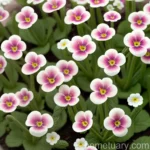
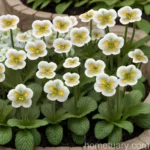
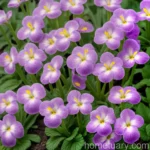
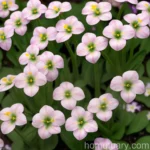
Primula ‘Francisca’, commonly known as Polyanthus Primrose, is a delightful and colorful flowering plant that belongs to the Primulaceae family. This plant is a hybrid species derived from the Primula genus and is prized for its attractive blooms and ornamental foliage. The Polyanthus Primrose is widely cultivated for its ability to thrive in cool climates and its capacity to add vibrant colors to spring gardens.

Key Takeaways – Primula ‘Francisca’ (Polyanthus Primrose)
To effectively cultivate and care for the Primula ‘Francisca’ (Polyanthus Primrose), it is essential to understand the plant’s specific requirements concerning culture, water, sunlight, fertilizer, soil, pruning, propagation, and container gardening. In addition, it is crucial to recognize the common uses of this plant, including its medicinal properties, ecological importance, fragrance description, and garden design tips.
Culture
- The Polyanthus Primrose is known for its simple cultivation requirements. It flourishes in well-drained, humus-rich soil, and thrives in landscapes that receive partial sunlight.
- The plant also requires moderate watering to maintain moist soil conditions.
Uses
- Primula ‘Francisca’ has various uses, including its therapeutic properties, stress-relieving attributes, and its efficacy in creating vibrant floral arrangements.
- It is also utilized for its ornamental appeal and its ability to attract wildlife, making it an excellent choice for pollinator-friendly gardens.
Water
- The Polyanthus Primrose necessitates consistent watering to ensure healthy growth and vibrant blooms.
- Care should be taken to avoid overwatering, as this can lead to waterlogged soil, potentially resulting in root rot and other detrimental conditions.
Sunlight
- In terms of sunlight requirements, the Polyanthus Primrose prefers partial shade to full sunlight.
- It is essential to position the plant in an area that receives ample sunlight to promote robust and abundant flowering.
Fertilizer
- Appropriate fertilization techniques are crucial for the successful cultivation of Primula ‘Francisca’. The use of a balanced and water-soluble fertilizer, applied according to the recommended guidelines, can significantly enhance the plant’s growth and flowering capabilities.
Soil
- Polyanthus Primrose thrives in well-drained, humus-rich soil that has a slightly acidic to neutral pH.
- The soil should have good moisture retention properties while preventing the risk of waterlogging.
Pruning
- Pruning is essential for maintaining the plant’s shape and controlling its size.
- Deadhead the faded flowers to encourage additional blooms and prevent the plant from allocating resources to seed production.
Propagation
- The propagation of Polyanthus Primrose can be achieved through seed sowing and division methods.
- By propagating the plant, gardeners can expand their collection and maintain genetic diversity within their garden.
Container Gardening
- The Polyanthus Primrose is well-suited for container gardening. Its compact size and colorful blooms make it an excellent choice for adding a touch of springtime charm to patios, balconies, and other outdoor living spaces.
Popularity
Primula ‘Francisca’ (Polyanthus Primrose) has garnered substantial popularity among gardeners due to its enchanting flowers, ease of cultivation, and versatile uses in both outdoor and indoor settings.
Common Diseases and Pests
Common Diseases
The Polyanthus Primrose is susceptible to several diseases, with fungal infections and powdery mildew being prevalent concerns. Adequate ventilation and appropriate watering practices are essential in preventing these ailments from affecting the plant.
Disease Diagnosis
- Visual symptoms, such as yellowing or browning of foliage, wilting, or the presence of powdery or fuzzy growth, can indicate potential diseases affecting the Primula ‘Francisca’ plant.
Common Pests
The plant may also face challenges from pests, including aphids, slugs, and snails. Vigilance and prompt action are necessary to address pest infestations and protect the plant’s health and vigor.
Botanist’s Tips
Fun Facts
- The Polyanthus Primrose is available in a vibrant array of colors, including shades of pink, purple, yellow, red, and white, allowing for endless possibilities in garden design and composition.
- The plant’s aromatic blooms and foliage contribute to its appeal as a fragrant garden addition, creating a delightful sensory experience for garden enthusiasts and visitors.
Links to External Resources
To further explore the cultivation and care of Primula ‘Francisca’ (Polyanthus Primrose), the following external resources provide valuable insights and guidance:
- Royal Horticultural Society – Primulas
- The American Primrose Society
- University of Florida – Primula spp.
- The Plant Lover’s Guide to Primulas
Continued in Part 2