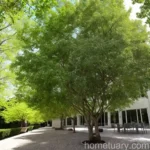
American Linden (Tilia americana): A Comprehensive Guide
As a plant scientist with a passion for botany and horticulture, I am excited to delve into the world of American linden (Tilia americana). In this comprehensive guide, we will explore the cultural significance, uses, growth requirements, care tips, and much more about this majestic tree. So, let’s embark on this botanical journey and unravel the wonders of the American linden.
What is American Linden (Tilia americana)?
The American linden, scientifically known as Tilia americana, is a deciduous tree native to North America. Belonging to the Tiliaceae family, this tree is commonly referred to as the basswood or lime tree. Renowned for its towering stature, fragrant flowers, and heart-shaped leaves, the American linden holds a special place in the hearts of nature enthusiasts and conservationists.
Key Takeaways – American Linden (Tilia americana)
Before we dive into the intricate details of the American linden, let’s take a moment to glance at the key takeaways that will be explored in this extensive guide:
- Cultural Significance: Uncover the historical and ecological importance of the American linden.
- Uses: Explore the diverse uses of the American linden, ranging from landscaping to medicinal and historical applications.
- Growth Requirements: Understand the essential elements for nurturing healthy American linden trees, including water, sunlight, soil, and fertilizer needs.
- Care and Maintenance: Learn about pruning techniques, disease management, and propagation methods for American linden trees.
- Fun Facts: Discover intriguing and lesser-known facts about the American linden, adding an element of fascination to your botanical knowledge.
Now that we have an overview of the key areas we will be delving into, let’s begin our exploration of the American linden.
Cultural Significance
The American linden has long been revered for its cultural and ecological significance. Let’s delve into some of the aspects that make this tree a cherished and vital component of the natural landscape.
Symbolism and Folklore
The American linden holds deep-rooted symbolism in various cultures and folklore. Revered for its longevity, resilience, and graceful beauty, this tree has often been associated with themes of protection, strength, and renewal. In European folklore, the linden tree was considered sacred and was often planted near village squares as a symbol of peace and community.
The linden’s fragrant flowers have also inspired poets and artists, symbolizing love, devotion, and the fleeting nature of life. Additionally, the linden tree has been a recurring motif in Germanic literature and mythology, where it is often depicted as a meeting place for joyous celebrations and communal gatherings.
Ecological Importance
From an ecological standpoint, the American linden plays a crucial role in supporting biodiversity. Its dense foliage provides ample shade and nesting sites for various bird species, while its flowers attract pollinators such as bees and butterflies. Moreover, the linden tree contributes to soil stabilization and nutrient cycling, enhancing the overall health of forest ecosystems where it thrives.
Historically, the linden has been a favored species for urban planting, providing cooling shade in city parks and boulevards. Its adaptability to urban environments makes it an invaluable asset in promoting green spaces and mitigating the urban heat island effect.
Medicinal and Culinary Uses
Beyond its cultural and ecological significance, the American linden has a rich history of medicinal and culinary uses. The flowers and leaves of the linden tree have been traditionally brewed into herbal teas known for their soothing properties. These teas are revered for their calming effects and are often used as a remedy for anxiety, insomnia, and digestive ailments.
In addition to its medicinal uses, the linden tree has also found a place in the culinary world. The fragrant flowers can be used to infuse syrups, teas, and desserts, adding a delicate floral note to culinary creations.
Uses
The American linden boasts a multitude of uses, ranging from its ornamental value in landscaping to its historical, medicinal, and even woodworking applications. Let’s explore the diverse ways in which the American linden enriches our lives and ecosystems.
Ornamental Landscaping
One of the primary uses of the American linden lies in its role as an ornamental tree in landscaping. Known for its towering yet graceful form, the linden tree serves as an excellent shade tree for parks, avenues, and residential landscapes. Its abundant foliage and fragrant flowers make it an attractive choice for creating serene outdoor spaces, attracting pollinators, and providing cooling shade during the warmer months.
Historical and Cultural Uses
The historical significance of the American linden is deeply intertwined with its cultural uses. Historically, the strong and flexible wood of the linden tree has been utilized in the crafting of intricate wood carvings, musical instruments, and traditional artifacts. In addition to its practical applications, the linden tree has been a symbol of community and togetherness, often planted in communal spaces and village squares to foster a sense of unity and harmony.
Medicinal and Therapeutic Applications
The medicinal properties of the American linden have been acknowledged for centuries. The flowers and leaves contain aromatic compounds that, when brewed into a tea, yield a fragrant and soothing beverage. This linden flower tea is esteemed for its calming effects and has been used as a natural remedy for promoting relaxation and alleviating symptoms of anxiety and tension.
Wildlife Habitat and Conservation
From an ecological standpoint, the American linden plays a pivotal role in providing habitat and sustenance for a diverse array of wildlife. Its dense foliage offers shelter for nesting birds, while its nectar-rich flowers attract bees, butterflies, and other pollinators. By nurturing the American linden, we contribute to the preservation of biodiversity and the enhancement of urban and rural ecosystems.
Woodworking and Craftsmanship
The durable and workable wood of the American linden has been prized for its use in woodworking and craftsmanship. The fine grain and light color of linden wood make it a favored material for carving intricate details in furniture, sculptures, and musical instruments. Its resonance and acoustic properties have made it a preferred choice for constructing soundboards in string instruments, contributing to the rich tradition of linden wood in artisanal crafts and music.
Growth Requirements
To cultivate healthy and flourishing American linden trees, it is essential to understand and fulfill their specific growth requirements. From ample sunlight to well-drained soil, each aspect plays a pivotal role in nurturing robust and resilient linden trees. Let’s delve into the key growth requirements for cultivating thriving American linden specimens.
Water
Proper water management is paramount for the healthy growth and vigor of American linden trees. While the linden tree exhibits tolerance to various soil moisture levels, it thrives in well-drained soils and benefits from consistent moisture, particularly during its initial establishment phase. Adequate watering, especially during dry spells, is crucial for promoting strong root development and overall vitality.
Sunlight
As a deciduous tree, the American linden thrives in full to partial sunlight. When selecting a planting site, it is important to ensure that the tree will receive ample sunlight throughout the day. Adequate sunlight not only supports robust growth and foliage development but also promotes the abundant blooming of its fragrant flowers, contributing to the tree’s ornamental appeal.
Fertilizer
While the American linden is relatively resilient and adaptable to various soil types, providing it with balanced fertilization can enhance its growth and overall health. A slow-release, balanced fertilizer applied in early spring can provide the necessary nutrients for the linden tree’s seasonal growth and flowering. Care should be taken to avoid excessive fertilization, as it may lead to imbalanced growth and reduced flowering.
Soil
The American linden thrives in moist, well-drained soils with a slightly acidic to neutral pH. Loamy or sandy loam soils that retain moisture without waterlogging are particularly well-suited for cultivating healthy linden trees. Prior to planting, it is beneficial to amend the soil with organic matter to improve its fertility and structure, providing an optimal growing environment for the linden tree’s roots.
Pruning
Proper pruning is an essential aspect of American linden tree care, contributing to its structural integrity, aesthetics, and overall health. Pruning practices for the linden tree should be undertaken with care and consideration for the tree’s natural form and growth patterns. Let’s delve into the key considerations and techniques for pruning American linden trees.
Structural Pruning
When establishing young American linden trees, structural pruning plays a vital role in promoting balanced and sturdy growth. Removing any competing or crossing branches early on encourages the development of a strong central leader and well-spaced lateral branches. By shaping the tree’s structure during its formative years, we lay the foundation for a healthy and resilient specimen.
Deadwood Removal
Regular inspection and removal of dead, diseased, or damaged branches are essential for maintaining the vitality and aesthetic appeal of the linden tree. Pruning out deadwood not only enhances the tree’s visual appeal but also reduces the risk of disease spread and potential hazards posed by weakened or brittle branches.
Flower and Fruit Removal
In some cases, selective pruning of spent flowers or developing seed pods may be considered to manage the tree’s energy allocation and promote vigorous growth. This practice is particularly relevant for ornamental linden trees where the focus is on maximizing the display of fragrant flowers and minimizing the production of seeds, contributing to a tidier and more vibrant canopy.
Seasonal Pruning Considerations
Pruning of American linden trees is best carried out during the dormant season to minimize stress and maximize the tree’s regenerative capacity. Late winter to early spring, before the onset of new growth, is an optimal time for undertaking pruning activities. Care should be taken to avoid heavy pruning during the growing season, as it may impede the tree’s natural processes and vitality.
Propagation
The propagation of American linden trees offers a rewarding opportunity to cultivate new generations of these majestic and culturally significant trees. From seed propagation to vegetative methods, a variety of approaches can be employed to propagate American linden trees. Let’s explore the propagation techniques commonly used for linden trees and delve into the nuances of each method.
Seed Propagation
Growing American linden trees from seeds offers a fascinating and rewarding journey, allowing us to witness the tree’s life cycle from its earliest stages. To propagate linden trees from seeds, it is essential to collect fresh, mature seeds in the fall and sow them in well-drained, moist growing medium. The stratification of linden seeds through cold, moist conditions can aid in breaking dormancy and promoting germination in the following spring.
Root Cuttings
Another method of propagating American linden trees involves utilizing root cuttings to generate new plants. Selecting healthy and vigorous roots from mature linden trees and planting them in a suitable growing medium can facilitate the development of new root systems and shoots. Root cuttings offer a reliable means of clonal propagation, preserving the desirable characteristics of the parent tree in the offspring.
Grafting and Budding
Grafting and budding techniques can also be employed to propagate specific cultivars or varieties of American linden trees. By uniting the desired linden cultivar, or scion, with a compatible rootstock, we can propagate trees with consistent traits and characteristics. These techniques are often utilized in the propagation of ornamental or specialized varieties, maintaining the genetic purity and distinct attributes of the parent tree.
Layering
Layering presents an alternative propagation method wherein a low branch or stem of the linden tree is encouraged to develop roots while still attached to the parent tree. Once the layered portion has established a strong root system, it can be separated from the parent tree and transplanted as an independent plant. This method provides a seamless transition for the developing tree and can yield robust and well-adapted offspring.
Container Popularity
The adaptation of American linden trees to container cultivation has garnered considerable popularity among gardening enthusiasts and urban landscape designers. By harnessing the linden’s ornamental beauty and environmental benefits in a container setting, we can introduce this majestic tree to diverse spaces and create thriving green environments. Let’s explore the appeal and considerations associated with container cultivation of American linden trees.
Urban Greening
In urban environments where space is at a premium, container cultivation offers a strategic approach to integrating the lush foliage and shade-providing qualities of linden trees. By placing linden trees in large containers on patios, rooftops, and urban courtyards, we can enhance the urban landscape, mitigate the heat island effect, and provide valuable habitat for urban wildlife.
Versatile Design Element
The use of American linden trees in containers adds a touch of elegance and vertical interest to outdoor settings. Whether used as standalone specimens or incorporated into mixed plantings, container-grown linden trees bring a sense of scale and maturity to landscape designs. Their seasonal beauty, from flowering in spring to vivid foliage in autumn, contributes to the visual allure of outdoor spaces.
Mobility and Flexibility
Container cultivation empowers gardeners and landscapers with the flexibility to relocate American linden trees as needed. This mobility allows for seasonal positioning, adaptive urban greening initiatives, and the ability to showcase the linden tree’s ornamental and ecological contributions in varying settings. Containers also offer greater control over soil conditions and moisture levels, optimizing the tree’s growth and health.
Considerations for Success
Successful container cultivation of American linden trees hinges on several key considerations. It is essential to select adequately sized containers with proper drainage for accommodating the linden’s robust root system. Additionally, the use of high-quality, well-draining potting mix and regular monitoring of water and nutrient requirements are critical for sustaining healthy container-grown linden trees.
Common Diseases
Despite its overall resilience, the American linden can be susceptible to certain diseases that may impact its growth and vitality. Familiarizing oneself with these potential ailments enables proactive management and preservation of healthy linden trees. Let’s examine some of the common diseases that may affect American linden trees and explore strategies for diagnosis and control.
Leaf Spot Diseases
Leaf spot diseases, caused by various fungal pathogens, can manifest as unsightly spots or lesions on the linden tree’s leaves. These diseases often thrive in humid and moist conditions, leading to the development of discolored patches and premature leaf drop. Proper sanitation, adequate airflow, and early-season fungicidal applications can help minimize the impact of leaf spot diseases and preserve the tree’s foliage.
Powdery Mildew
Powdery mildew, characterized by a powdery white growth on the leaves and shoots, is a common fungal disease that can affect American linden trees. While usually not fatal, powdery mildew can weaken the tree and detract from its ornamental appeal. Eliminating excess moisture, promoting air circulation, and considering fungicidal treatments are effective measures for managing powdery mildew outbreaks.
Aphid Infestations
Aphids are tiny sap-sucking insects that can colonize the tender shoots and foliage of American linden trees, often leading to distorted growth and sticky honeydew secretions. Severe aphid infestations can compromise the overall health of the tree and necessitate intervention. Encouraging natural predators, such as ladybugs, and employing horticultural oils or insecticidal soaps can aid in mitigating aphid populations.
Botryosphaeria Canker
Botryosphaeria canker, caused by the Botryosphaeria fungi, can result in dieback of branches, sunken lesions on the bark, and overall decline in the health of American linden trees. Pruning out affected branches, promoting tree vigor through proper cultural care, and minimizing stress factors can contribute to the prevention and management of Botryosphaeria canker.
Phytophthora Root Rot
Phytophthora root rot, stemming from various Phytophthora species, poses a threat to the root system of American linden trees, leading to diminished vigor and eventual decline. Improving soil drainage, avoiding excessive irrigation, and utilizing resistant rootstocks, where applicable, can aid in reducing the impact of Phytophthora root rot on linden trees.
Disease Diagnosis
Prompt and accurate diagnosis of potential diseases affecting American linden trees is critical for implementing targeted management and treatment strategies. By observing the symptoms and signs exhibited by the linden tree, we can decipher the underlying issues and initiate appropriate interventions. Let’s explore the diagnostic process for identifying common diseases that may afflict American linden trees.
Visual Symptoms
Careful observation of the linden tree’s foliage, bark, and overall appearance can provide valuable clues regarding the presence of diseases. The presence of leaf spots, abnormal discoloration, stunted growth, dieback, or cankers should be meticulously noted, as they can indicate specific diseases or detrimental stressors affecting the tree.
Pathogen Identification
In instances where visual symptoms suggest the presence of a specific pathogen, it is helpful to conduct diagnostic tests to confirm its identity. This may involve the collection of affected plant material for laboratory analysis, including culturing and microscopic examination, to pinpoint the causative agent responsible for the observed disease symptoms.
Environmental Assessment
Assessing the environmental conditions and cultural practices surrounding the linden tree is also essential in diagnosing diseases. Factors such as soil drainage, moisture levels, air circulation, and recent stress events can influence the tree’s susceptibility to diseases. Identifying and rectifying environmental stressors can aid in enhancing the tree’s resilience and recovery.
Consultation with Experts
Consulting with plant pathologists, arborists, or extension specialists can provide valuable insights for accurately diagnosing diseases affecting American linden trees. These experts can offer guidance on disease identification, management strategies, and preventive measures suited to the specific conditions and challenges faced by the linden tree.
Common Pests
In addition to diseases, American linden trees can also attract a variety of pests that may pose challenges to their health and aesthetic appeal. Understanding the potential pests and their management is crucial for safeguarding linden trees from infestations. Let’s explore some of the common pests that may affect American linden trees and delve into strategies for pest management.
Japanese Beetles
Japanese beetles are voracious herbivores that can cause significant damage to the foliage of American linden trees, feeding on the leaves and skeletonizing them. The presence of these metallic green beetles can lead to defoliation and stress for the linden tree. Practices such as handpicking, employing pheromone traps, and considering biological control agents can aid in managing Japanese beetle populations.
Scale Insects
Scale insects are commonly found on linden trees, appearing as small, immobile bumps on the branches and twigs. These pests can sap the tree’s vitality by feeding on its sap and excreting honeydew, leading to sooty mold development. Applying horticultural oils during the dormant season and encouraging natural predators are effective measures for controlling scale infestations on linden trees.
Elm Leaf Beetle
The larvae of the elm leaf beetle feed on the foliage of American linden trees, causing defoliation and weakening the tree over time. Vigilant monitoring for early signs of this pest, such as skeletonized leaves, and adopting integrated pest management approaches, including natural enemies and selective insecticides, can aid in mitigating elm leaf beetle populations.
Spider Mites
Spider mites, tiny arachnids that feed on the linden tree’s leaves, can cause stippling, discoloration, and reduced vitality. Their presence is often indicated by fine webbing and the stippled appearance of leaves. Regular inspection and washing with water, as well as the introduction of predatory mites, can be effective in managing spider mite infestations on linden trees