Poor-man’s-orchid (Schizanthus pinnatus): A Complete Guide
What is Poor-man’s-orchid (Schizanthus pinnatus)?
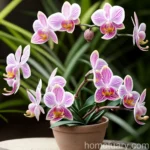
Poor-man’s-orchid (Schizanthus pinnatus) is an exquisite flowering plant that belongs to the Solanaceae family. With enchanting blooms that resemble orchids, it is often called “poor-man’s-orchid” due to its resemblance to the real orchids. Native to Chile, these plants are known for their delicate and colorful flowers, making them a popular choice among gardeners and flower enthusiasts.
Key Takeaways – Poor-man’s-orchid (Schizanthus pinnatus)
Before diving into the specifics of caring for Poor-man’s-orchid, let’s take a look at the key takeaways related to this enchanting plant:
- Scientific Name: Schizanthus pinnatus
- Common Name: Poor-man’s-orchid
- Family: Solanaceae
- Native to: Chile
- Flowering: Delicate, Orchid-like flowers
- Growth Habit: Herbaceous Annual or Biennial
- Foliage: Thin, pinnately compound leaves
- Popularity: Often grown for its ornamental value
Now, let’s delve into the details of caring for this charming plant, from its culture to common diseases and fun facts!
Culture
Uses
Poor-man’s-orchid is mainly cultivated for ornamental purposes, owing to its exquisite and orchid-like flowers. It is commonly grown in gardens, borders, containers, and hanging baskets to add a touch of elegance and color.
Water
When it comes to watering, Poor-man’s-orchid thrives in consistently moist soil, but it’s vital to avoid waterlogging. The soil should be allowed to dry slightly between watering sessions to prevent root rot.
Sunlight
For optimal growth and blooming, Poor-man’s-orchid prefers bright, indirect sunlight. When grown indoors, placing them near east or west-facing windows can provide the ideal light conditions.
Fertilizer
Applying a balanced, water-soluble fertilizer every 2-4 weeks during the growing season can significantly enhance the growth and blooming of Poor-man’s-orchid.
Soil
This plant thrives in well-draining, fertile soil with a slightly acidic to neutral pH. A mixture of peat, perlite, and loamy soil can create an ideal growing medium for Poor-man’s-orchid.
Pruning
Regular deadheading of spent flowers can encourage continuous blooming and maintain the plant’s overall appearance. Additionally, pruning leggy stems can promote bushier growth.
Propagation
Container Popularity
Poor-man’s-orchid is a popular choice for containers and hanging baskets due to its striking blooms and graceful foliage. It adds a delightful touch to any indoor or outdoor setting.
Propagation
Propagation of Poor-man’s-orchid can be achieved through seeds or stem cuttings. Both methods can be successful when done with care and attention to the plant’s needs.
Common Diseases
Disease Diagnosis
Poor-man’s-orchid is susceptible to certain diseases such as powdery mildew, botrytis, and damping off. Inspecting the plant regularly for any signs of wilting, discoloration, or unusual growth can aid in early disease detection.
Common Pests
Aphids and spider mites are common pests that can affect Poor-man’s-orchid. Regularly inspecting the plant and using appropriate insecticidal soaps can help prevent pest infestations.
Botanist’s Tips
- When growing Poor-man’s-orchid indoors, ensure that the indoor environment provides adequate light and humidity to support the plant’s growth and blooming.
- Regularly monitor the moisture levels in the soil to prevent overwatering or underwatering, which can affect the plant’s health and blooming.
- Introducing organic matter, such as compost, to the soil can enhance its fertility and structure, creating a conducive environment for Poor-man’s-orchid.
Fun Facts
- The delicate, orchid-like blooms of Poor-man’s-orchid are often used in floral arrangements to add an elegant and whimsical touch.
- Poor-man’s-orchid is an annual or biennial plant, meaning it completes its life cycle within one or two years, showcasing its blooms during its growth period.
- The vibrant and varied colors of Poor-man’s-orchid flowers make it a charming addition to garden landscapes, attracting butterflies and hummingbirds with its striking blooms.
Links to External Resources
To further explore the world of Poor-man’s-orchid and its captivating features and cultivation techniques, consider visiting the following valuable resources:
- The Royal Horticultural Society – Growing Schizanthus pinnatus
- Missouri Botanical Garden – Schizanthus pinnatus
In conclusion, Poor-man’s-orchid (Schizanthus pinnatus) is a charming and elegant plant that can enhance any garden or indoor space with its beautiful, orchid-like blooms. By understanding its specific care requirements and leveraging appropriate cultivation techniques, gardeners and plant enthusiasts can enjoy the enchanting presence of this delightful plant. Whether grown in containers, hanging baskets, or garden beds, the Poor-man’s-orchid adds a touch of sophistication and allure to any environment.
Remember to explore the additional resources provided to deepen your knowledge of this captivating plant.
Happy gardening with the exquisite Poor-man’s-orchid (Schizanthus pinnatus)!