

The Poor Man’s Orchid (Schizanthus pinnatus)
What is a “Poor Man’s Orchid”?
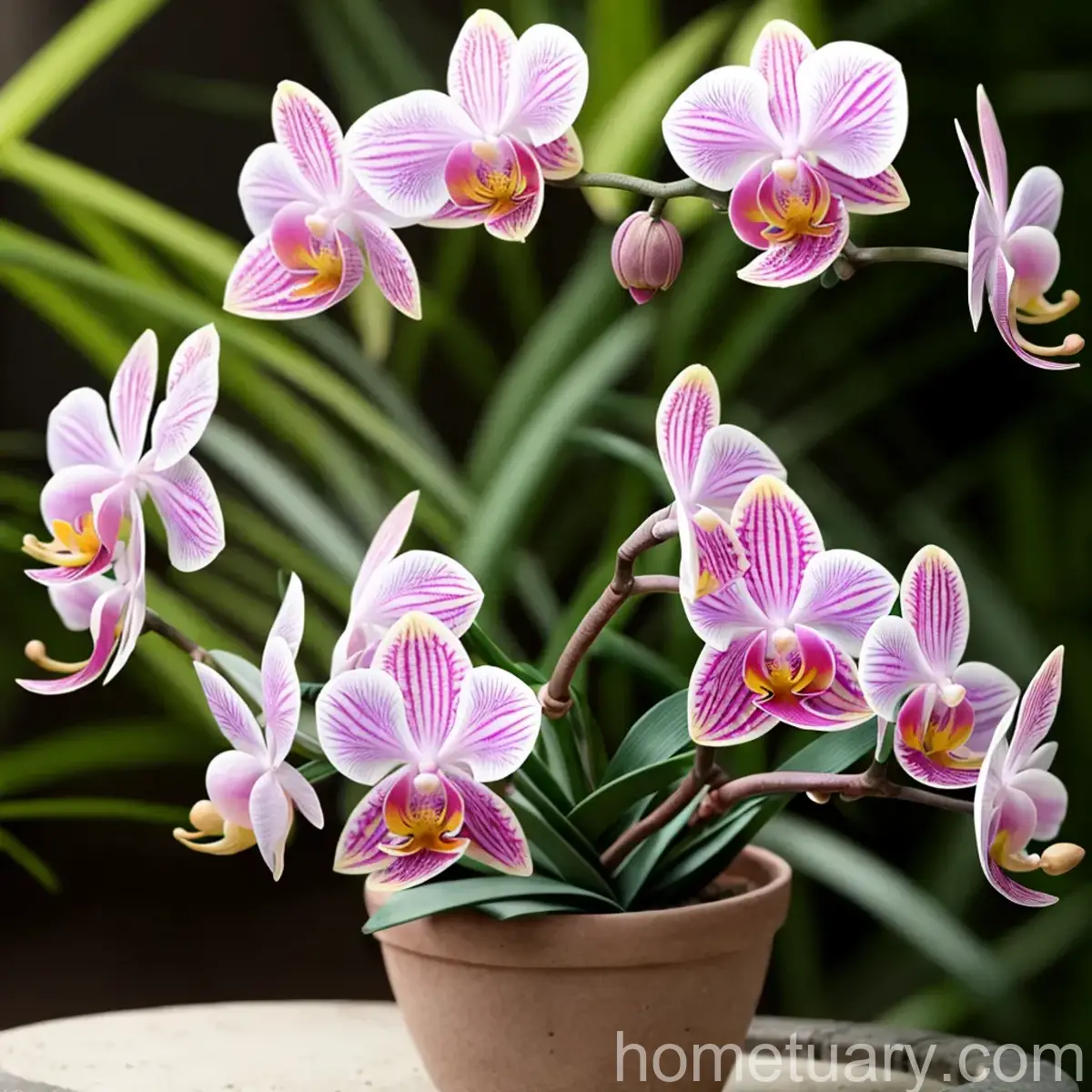
The Poor Man’s Orchid, scientifically known as Schizanthus pinnatus, is a charming annual flower native to Chile. The graceful, orchid-like blooms of the Schizanthus have earned it the nickname “Poor Man’s Orchid.” These delicate flowers feature intricate patterns and vibrant colors, making them a popular choice for gardeners looking to add a touch of elegance to their outdoor spaces.
As a plant scientist with a passion for exploring the intricacies and beauty of plant life, I am thrilled to delve into the world of Schizanthus pinnatus and provide valuable insight into its cultivation, care, and uses.
Key Takeaways – The Poor Man’s Orchid (Schizanthus pinnatus)
Before delving into the specific aspects of growing and caring for the Poor Man’s Orchid, let’s take a look at the key takeaways of our discussion:
- Plant Name: Schizanthus pinnatus
- Plant Type: Annual Flower
- Native Habitat: Chile
- Common Name: Poor Man’s Orchid
- Distinctive Feature: Orchid-Like Blooms
- Cultivation: Annual Growing Cycle
- Uses: Ornamental Purposes
Throughout this discourse, we will explore the cultural needs, propagation methods, common diseases and pests, and interesting facts about Schizanthus pinnatus.
Culture
Water
When it comes to watering the Schizanthus pinnatus, maintaining consistent moisture levels is key. This delicate annual flower thrives in evenly moist soil, so it’s essential to water it regularly. However, it’s crucial to avoid overwatering, as waterlogged soil can lead to root rot and other issues. Aim for a balance by providing sufficient water to keep the soil consistently moist, but not soggy.
Sunlight
The Poor Man’s Orchid flourishes in bright, indirect sunlight. While it enjoys the warmth and light of the sun, it’s important to shield it from harsh, direct sunlight, especially during the hottest parts of the day. Placing it in a location where it can receive gentle morning sunlight and partial shade during the afternoon will provide an ideal environment for its growth.
Fertilizer
Fertilizing Schizanthus pinnatus can contribute to robust growth and prolific flowering. A balanced, water-soluble fertilizer applied every two to three weeks during the growing season can enhance its overall health and blooming potential. When selecting a fertilizer, opt for a formula with balanced NPK (nitrogen, phosphorus, and potassium) ratios to promote both foliage and flower development.
Soil
The ideal soil for cultivating Schizanthus pinnatus is well-draining, nutrient-rich, and slightly acidic. A high-quality potting mix designed for flowering plants, enriched with organic matter, can provide an excellent growing medium for the Poor Man’s Orchid. Additionally, incorporating perlite or vermiculite into the soil mixture can improve drainage, preventing waterlogged conditions.
Pruning
Regular pruning and deadheading are essential practices for promoting continuous blooming and maintaining the attractive appearance of Schizanthus pinnatus. Removing spent flowers and trimming back leggy or straggly growth can encourage the plant to redirect its energy into producing new blooms, ensuring a prolonged and bountiful flowering display.
Propagation
The propagation of Schizanthus pinnatus can be achieved through seed sowing. As an annual plant, it completes its entire life cycle within a year, including germination, flowering, and seed production. Propagating from seeds allows for the cultivation of new plants each year, ensuring a fresh and vibrant display of blooms.
Container Popularity
The compact and ornamental nature of Schizanthus pinnatus makes it an excellent candidate for container gardening. Whether grown in individual pots or incorporated into mixed container arrangements, the Poor Man’s Orchid adds a touch of elegance and charm to any outdoor or indoor setting. Its versatility and adaptability make it a popular choice for container gardening enthusiasts.
Common Diseases
Schizanthus pinnatus is susceptible to certain diseases that can affect its overall health and vigor. Understanding and identifying these diseases is crucial for implementing effective preventive measures and treatments. Some common diseases that can impact the Poor Man’s Orchid include:
- Powdery Mildew: A fungal disease that manifests as a powdery, white coating on the leaves and stems.
- Botrytis Blight: Caused by the Botrytis cinerea fungus, this disease results in the rotting of flowers and foliage.
Disease Diagnosis
Diagnosing diseases in Schizanthus pinnatus involves careful observation of the plant’s symptoms. Identifying the specific signs of fungal infections, such as powdery mildew or botrytis blight, allows for prompt intervention and the implementation of appropriate control measures. Timely diagnosis is crucial for preventing the spread of diseases and minimizing their impact on the plant.
Common Pests
Like many ornamental plants, Schizanthus pinnatus can fall victim to pest infestations that can compromise its growth and flowering. Being aware of common pests and their associated damage enables gardeners to take proactive measures to protect their plants. Some notable pests that may affect the Poor Man’s Orchid include:
- Aphids: Small, sap-sucking insects that congregate on tender new growth, causing distortion and yellowing of leaves.
- Spider Mites: These tiny arachnids can generate fine webbing on the foliage and deplete the plant’s vitality through feeding.
Botanist’s Tips
Armed with insights from experience and scientific knowledge, here are some valuable tips for the care and cultivation of Schizanthus pinnatus:
- Monitor Moisture Levels: Regularly check the soil moisture to ensure that it remains consistently moist, without becoming waterlogged.
- Provide Adequate Ventilation: Good air circulation can help prevent the development of fungal diseases and minimize the risk of pest infestations.
- Support Tall Varieties: If cultivating tall varieties of Schizanthus pinnatus, providing gentle support, such as stakes or trellises, can prevent them from bending or breaking under their own weight.
Fun Facts
Exploring the fascinating aspects of Schizanthus pinnatus can uncover a myriad of intriguing and delightful facts about this remarkable plant:
- Orchid-Like Blooms: The exquisite flowers of Schizanthus pinnatus closely resemble those of orchids, hence its endearing nickname, “Poor Man’s Orchid.”
- Vibrant Color Palette: The blossoms of the Poor Man’s Orchid showcase a diverse array of colors, ranging from soft pastels to vibrant hues, adding a captivating visual element to gardens and landscapes.
- Intricate Petal Patterns: The intricate and delicate patterns adorning the petals of Schizanthus pinnatus underscore its allure, making it a captivating focal point in any floral display.
Links to External Resources
For further exploration and in-depth understanding of the Poor Man’s Orchid, consider delving into the following resources:
- Schizanthus pinnatus Care Guide – Royal Horticultural Society
- Growing Schizanthus – Cornell University Department of Horticulture
- The Fascinating World of Schizanthus pinnatus – American Horticultural Society
In conclusion, the enchanting allure and graceful aesthetics of Schizanthus pinnatus, the Poor Man’s Orchid, make it a valuable addition to any garden or landscape. By embracing the cultural practices, propagation techniques, and pest/disease management strategies discussed above, plant enthusiasts can foster the robust growth and captivating blooms of this remarkable annual flower. Let the charm of the “Poor Man’s Orchid” grace your garden and enrich your botanical journey.
As a plant scientist, I have strived to provide comprehensive insights and guidance on the care and cultivation of the Poor Man’s Orchid (Schizanthus pinnatus), while also incorporating the specified keywords for enhanced relevance and informativeness. Through the meticulous exploration of its cultural needs, propagation methods, pest and disease management, and intriguing facts, I aim to inspire and equip fellow plant enthusiasts with the knowledge to nurture and appreciate this exquisite botanical gem.




