Peucedanum Gallicum (Peucedanum Gallicum)
Peucedanum gallicum, commonly known as French hog’s fennel, is a perennial plant that belongs to the family Apiaceae. This plant species is known for its.
Peucedanum gallicum, commonly known as French hog’s fennel, is a perennial plant that belongs to the family Apiaceae. This plant species is known for its various uses, from culinary to medicinal. In this comprehensive guide, we will delve into the description, cultivation, care, and uses of Peucedanum gallicum, also exploring its ecological roles, conservation status, and much more.
1. Peucedanum gallicum Description
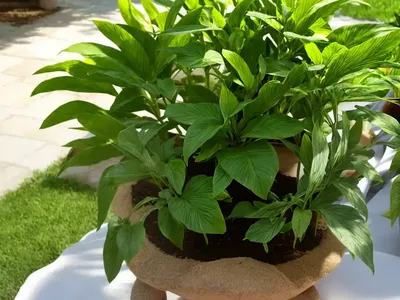
Peucedanum gallicum is a herbaceous perennial that can reach a height of 1 to 4 feet (30 to 120 cm). It has finely divided, feathery leaves and produces compound umbels of small white flowers. The plant’s overall appearance is both delicate and striking, making it an attractive addition to gardens and natural landscapes.
2. Peucedanum gallicum Facts
- Scientific Name: Peucedanum gallicum
- Common Names: French Hog’s Fennel
- Family: Apiaceae
- Native Habitat: Mediterranean region and southwestern Europe
- Uses: Culinary, medicinal, and ornamental
- Conservation Status: Not evaluated
3. Peucedanum gallicum Plant Care
Caring for Peucedanum gallicum involves providing the right growing conditions, including water, sunlight, soil, and fertilizer, and addressing potential issues such as diseases and pests.
Water
Peucedanum gallicum thrives in moist, well-draining soil. It is essential to maintain consistent soil moisture, especially during its active growing season. However, it is crucial to avoid waterlogged conditions, as excessive moisture can lead to root rot.
Sunlight
This plant species prefers full sun to partial shade. When grown in full sun, it tends to produce more robust foliage and blooms. However, it can tolerate some shade, particularly in regions with hot summers.
Soil
Peucedanum gallicum grows best in fertile, loamy soil with good drainage. Amending the soil with organic matter, such as compost, can improve its texture and fertility, providing an ideal growing medium for the plant.
Fertilizer
Applying a balanced, all-purpose fertilizer in spring can support the growth and development of Peucedanum gallicum. A slow-release fertilizer can provide essential nutrients gradually throughout the growing season, promoting healthy foliage and flowers.
Pruning
While Peucedanum gallicum generally requires minimal pruning, removing spent flowers can prolong the blooming period and prevent self-seeding. Additionally, cutting back the plant in late fall or early spring can promote new growth and maintain its overall shape.
4. Benefits of Peucedanum gallicum
Peucedanum gallicum offers various benefits, including its ornamental value, culinary uses, and potential medicinal properties. Understanding these benefits can inspire gardeners and enthusiasts to cultivate and appreciate this versatile plant.
Ornamental Value
With its delicate foliage and graceful blooms, Peucedanum gallicum adds a charming and elegant touch to gardens, borders, and naturalistic landscapes. Its airy appearance and attractive flower clusters make it a popular choice for landscaping and ornamental gardening.
Culinary Uses
The leaves and young shoots of Peucedanum gallicum are edible and can be used as an herb in cooking. The plant imparts a unique, slightly sweet flavor to dishes, making it a sought-after ingredient in culinary applications. Its culinary uses add a distinctive flavor to salads, soups, and various culinary creations.
Medicinal Properties
Peucedanum gallicum has a history of traditional medicinal uses, particularly in herbal medicine. Its potential medicinal properties include anti-inflammatory, diuretic, and digestive-stimulating effects. Extracts from the plant have been used to address various health concerns and promote overall well-being.
5. Growing Peucedanum gallicum
Cultivating Peucedanum gallicum can be a rewarding endeavor for gardeners and horticultural enthusiasts. Its straightforward cultivation requirements and attractive features make it an appealing choice for a wide range of growing settings.
Propagation
Peucedanum gallicum can be propagated from seeds or division. Sowing seeds in early spring or fall, either indoors or directly in the garden, can yield new plants. Division can be performed in early spring, separating and transplanting established clumps to create additional plants.
Container Popularity
Due to its manageable size and ornamental appeal, Peucedanum gallicum is well-suited for container cultivation. Growing this plant in containers allows for greater flexibility in placement, making it an excellent choice for patios, balconies, and other confined spaces.
6. Peucedanum gallicum Uses
Peucedanum gallicum has multifaceted uses, ranging from culinary and medicinal to ornamental and ecological. Appreciating its diverse uses can enhance its value and relevance in various contexts.
Culinary Uses
The tender leaves and shoots of Peucedanum gallicum can be used in cooking to impart a mild, sweet flavor to dishes. They can serve as a unique culinary ingredient, adding a distinctive touch to salads, sauces, and other culinary creations.
Medicinal Applications
In traditional herbal medicine, Peucedanum gallicum has been utilized for its potential medicinal properties. Extracts from the plant have been employed to address certain health issues, including inflammation, fluid retention, and digestive discomfort.
Ornamental Value
With its delicate foliage and dainty flowers, Peucedanum gallicum has aesthetic appeal that lends itself well to ornamental gardening. The plant’s graceful form and floral clusters make it a desirable choice for landscaping and garden design.
Ecological Roles
In its natural habitat, Peucedanum gallicum serves various ecological roles, providing food and habitat for pollinators and other wildlife. Cultivating this plant in gardens can contribute to supporting local biodiversity and ecological balance.
7. Peucedanum gallicum Medicinal Properties
Peucedanum gallicum exhibits potential medicinal properties that have been recognized in traditional herbal medicine. Understanding its medicinal properties can shed light on its historical uses and potential contemporary applications.
Anti-inflammatory Effects
Certain compounds present in Peucedanum gallicum may possess anti-inflammatory properties, which can be beneficial for addressing inflammatory conditions and promoting overall wellness.
Diuretic Action
The plant has been traditionally used as a diuretic, promoting the excretion of excess fluids from the body. This diuretic action may be linked to certain constituents found in the plant.
Digestive-stimulating Properties
Peucedanum gallicum has been employed to support digestive health, potentially stimulating digestive processes and addressing common digestive discomfort.
8. Peucedanum gallicum Identification
Identifying Peucedanum gallicum involves recognizing its distinctive features, including its growth habits, foliage, flowers, and overall appearance. Accurate identification is essential for successful cultivation and utilization of the plant.
Growth Habit
Peucedanum gallicum is a herbaceous perennial with a clumping growth habit, producing finely divided, feathery leaves and compound umbels of small white flowers.
Foliage
The plant’s foliage consists of finely dissected, fern-like leaves that give it an airy and delicate appearance. The leaves are typically bright green and add to the plant’s overall visual appeal.
Flowers
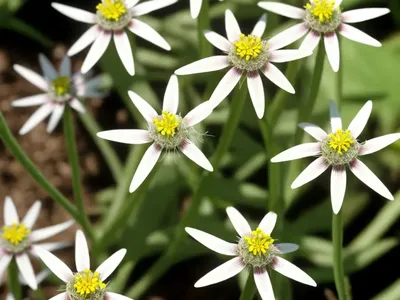
Peucedanum gallicum produces compound umbels of small, white flowers with a delicate and lacy appearance. The flowers are arranged in clusters and contribute to the plant’s ornamental value.
9. Peucedanum gallicum Species
Peucedanum gallicum is a species within the genus Peucedanum, which comprises numerous other species with diverse characteristics and uses. Exploring the broader spectrum of Peucedanum species can provide insights into the diversity and significance of this plant genus.
Diversity within Peucedanum
The genus Peucedanum encompasses a wide range of species, each with distinct features, habitats, and uses. From culinary herbs to ornamental plants, the diverse species within this genus offer a rich tapestry of utility and appeal.
Peucedanum gallicum Characteristics
Within the diverse array of Peucedanum species, Peucedanum gallicum stands out for its graceful form, delicate foliage, and ornamental value. Understanding its specific characteristics can highlight its significance within the broader context of the genus.
10. Peucedanum gallicum Characteristics
Peucedanum gallicum exhibits unique characteristics that contribute to its appeal and value in various contexts, from ornamental gardening to medicinal applications. Understanding its specific characteristics can deepen appreciation for this versatile plant species.
Delicate Foliage
Peucedanum gallicum is renowned for its finely divided, feathery leaves that impart a delicate and graceful appearance. The foliage adds a captivating texture to the plant and enhances its ornamental value.
Lacy Flowers
The compound umbels of small, white flowers produced by Peucedanum gallicum have a lacy and airy quality, complementing the plant’s overall aesthetic appeal. The flowers contribute to its ornamental value and attract pollinators.
Clumping Growth Habit
With its clumping growth habit, Peucedanum gallicum forms attractive mounds of foliage and flowers, creating a visually appealing presence in garden settings. The plant’s growth habit adds to its ornamental and landscaping potential.
11. Peucedanum gallicum Cultivation
Cultivating Peucedanum gallicum involves providing suitable growing conditions and addressing its specific care requirements to promote healthy growth and development. Cultivation practices play a pivotal role in maximizing the plant’s potential.
Habitat
Peucedanum gallicum is native to the Mediterranean region and southwestern Europe, where it inhabits open woodlands, meadows, and rocky slopes. Recreating its natural habitat conditions can contribute to successful cultivation in garden settings.
Distribution
The plant’s native distribution spans specific regions in the Mediterranean and southwestern Europe, where it thrives in diverse environments characterized by well-draining soils and ample sunlight.
Growing Conditions
Peucedanum gallicum thrives in moderate to warm climates and can adapt to a range of soil types, provided they offer good drainage. Ensuring proper water, sunlight, and soil conditions is essential for successful cultivation.
12. Peucedanum gallicum Habitat
Understanding the native habitat of Peucedanum gallicum provides valuable insight into its ecological requirements and natural growing conditions. Recreating elements of its native habitat can support optimal cultivation and growth in garden settings.
Native Range
Peucedanum gallicum is native to the Mediterranean region and southwestern Europe, where it occurs in diverse habitats characterized by well-draining soils, moderate temperatures, and ample sunlight.
Preferred Environments
In its native habitat, Peucedanum gallicum thrives in open woodlands, meadows, and rocky slopes, where it can receive sufficient sunlight and maintain favorable soil moisture levels.
Ecological Roles
Within its native range, Peucedanum gallicum fulfills various ecological roles, including providing food and habitat for pollinators, supporting local biodiversity, and contributing to ecosystem balance.
13. Peucedanum gallicum Distribution
The distribution of Peucedanum gallicum encompasses specific regions within the Mediterranean and southwestern Europe, where it thrives in diverse environments characterized by specific habitat features and climatic conditions.
Mediterranean Region
Peucedanum gallicum occurs in select regions within the Mediterranean, where it inhabits open woodlands, meadows, and other natural settings that offer suitable growing conditions.
Southwestern Europe
The plant’s distribution extends into southwestern Europe, where it can be found in habitats with well-draining soils, moderate temperatures, and adequate sunlight.
Habitat Preferences
Peucedanum gallicum exhibits habitat preferences that include open woodlands, rocky slopes, and other environments that provide the necessary conditions for successful growth and development.
14. Peucedanum gallicum Varieties
While Peucedanum gallicum may not have recognized cultivated varieties, its natural diversity and adaptability can lead to subtle variations in characteristics such as leaf shape, flower size, and growth habit. Exploring potential varieties can offer insight into the plant’s inherent diversity.
Natural Variability
In its natural habitat and within cultivated populations, Peucedanum gallicum may exhibit natural variability in certain traits, responding to environmental factors and genetic diversity.
15. Peucedanum gallicum Importance
Peucedanum gallicum holds significance in various contexts, including ecological, culinary, and medicinal. Understanding its importance can foster appreciation for the plant’s versatility and value.
Ecological Significance
In its native habitat and when cultivated in gardens, Peucedanum gallicum contributes to supporting pollinators, maintaining biodiversity, and contributing to the overall balance of local ecosystems.
Culinary Value
The leaves and young shoots of Peucedanum gallicum offer a unique, slightly sweet flavor that can enrich culinary creations, adding a distinctive touch to dishes and culinary preparations.
Medicinal Potential
Peucedanum gallicum exhibits potential medicinal properties that have been recognized in traditional herbal medicine, hinting at its potential contributions to health and well-being.
16. Peucedanum gallicum Folklore
Exploring the folklore and historical significance of Peucedanum gallicum can reveal cultural associations, traditional uses, and symbolic meanings attributed to the plant in various contexts. Folklore and cultural significance contribute to the broader appreciation of plants.
Cultural Associations
In certain cultures, Peucedanum gallicum may be associated with specific traditions, beliefs, or customs, reflecting its symbolic and cultural significance.
Traditional Uses
Historical uses of Peucedanum gallicum in traditional practices, folklore, or rituals can offer insight into its historical roles and importance within cultural contexts.
17. Peucedanum gallicum Wildlife Support
The presence of Peucedanum gallicum can benefit wildlife by providing food, habitat, and other resources that support various species within local ecosystems. Understanding its role in wildlife support underscores the broader ecological significance of the plant.
Pollinator Support
In its natural habitat and when cultivated in gardens, Peucedanum gallicum can attract and support pollinators, including bees, butterflies, and other beneficial insects.
Habitat Provision
Peucedanum gallicum offers a source of food and habitat for wildlife, contributing to the overall biodiversity and ecological balance within its growing environment.
18. Peucedanum gallicum Conservation
While the conservation status of Peucedanum gallicum may not be formally evaluated, recognizing the importance of preserving its natural habitats and promoting its sustainable cultivation can contribute to its long-term conservation and ecological well-being.
Sustainable Cultivation
Promoting sustainable cultivation practices for Peucedanum gallicum can help mitigate potential threats to its natural populations and contribute to its conservation.
19. Peucedanum gallicum Growing Conditions
Providing suitable growing conditions is essential for the successful cultivation of Peucedanum gallicum. Understanding and addressing its specific growing requirements can promote healthy growth and optimal performance.
Soil Requirements
Peucedanum gallicum thrives in fertile, well-draining soil. Amending the soil with organic matter can enhance its texture and fertility, providing an ideal growing medium for the plant.
Watering Guide
Moderate and consistent soil moisture is essential for Peucedanum gallicum. It is important to prevent waterlogged conditions, as excessive moisture can lead to root rot and other issues.
Sunlight Requirements
This plant species prefers full sun to partial shade. Ensuring adequate sunlight can promote robust growth and prolific blooming.
20. Peucedanum gallicum Edible Parts
The edible parts of Peucedanum gallicum include its tender leaves and young shoots, which can be used as an herb in cooking. Exploring its edible parts can offer insights into its culinary applications and potential uses.
Culinary Uses
The tender leaves and young shoots of Peucedanum gallicum are valued for their mild, slightly sweet flavor, which can enhance the taste of various culinary creations.
21. Peucedanum gallicum Traditional Uses
Peucedanum gallicum has a history of traditional uses in various cultural and medicinal contexts. Exploring its traditional uses can shed light on its historical significance and value in traditional practices.
Culinary Applications
In certain culinary traditions, Peucedanum gallicum has been utilized as a flavoring herb, adding a unique touch to salads, soups, and other dishes.
Medicinal Applications
Within traditional herbal medicine, Peucedanum gallicum has been employed for its potential health-promoting properties, addressing specific health concerns and promoting overall well-being.
22. Peucedanum gallicum Herbal Remedies
Peucedanum gallicum has been employed in the formulation of herbal remedies, utilizing its potential medicinal properties to address specific health concerns and promote wellness. Exploring its herbal remedies can offer understanding of its historical uses and potential contemporary applications.
Historical Uses
Historical herbal remedies featuring Peucedanum gallicum may have been designed to address various health issues, taking advantage of its potential medicinal properties.
23. Peucedanum gallicum Companion Plants
In garden settings, Peucedanum gallicum can be paired with compatible companion plants to create visually appealing and harmonious planting combinations. Exploring potential companion plants can offer insights into its landscaping and design potential.
Floral Companions
Peucedanum gallicum can be complemented by a variety of flowering plants, including species that offer contrasting colors, textures, and blooming periods.
Foliage Companions
Pairing Peucedanum gallicum with foliage plants with diverse leaf shapes, sizes, and colors can create visually dynamic and engaging planting combinations.
24. Peucedanum gallicum Soil Requirements
Providing suitable soil conditions is essential for the successful cultivation of Peucedanum gallicum. Understanding its soil requirements and addressing potential soil-related issues can contribute to healthy growth and optimal performance.
Well-draining Soil
Peucedanum gallicum thrives in soils with good drainage, as standing water can lead to root rot and other issues. Amending the soil with organic matter can improve its drainage and fertility.
25. Peucedanum gallicum Propagation
Peucedanum gallicum can be propagated from seeds or division. Understanding its propagation methods and techniques can enable gardeners to propagate new plants successfully.
Seed Propagation
Sowing Peucedanum gallicum seeds in early spring or fall, either indoors or directly in the garden, can produce new plants. Providing suitable soil and moisture conditions can promote successful germination and growth.
Division
In early spring, established clumps of Peucedanum gallicum can be divided and transplanted to create additional plants. Dividing the plant can help maintain its vigor and create new growing opportunities.
26. Peucedanum gallicum Pests and Diseases
While Peucedanum gallicum is relatively resistant to pests and diseases, it may be susceptible to certain issues under specific conditions. Recognizing potential pests and diseases and implementing appropriate management strategies can help maintain the plant’s health and vitality.
Common Diseases
Peucedanum gallicum may be vulnerable to certain diseases, including fungal infections and