Henbane (Hyoscyamus Niger)
In the world of plants, there are some that are shrouded in mystery and fascination. One such plant is Hyoscyamus niger, commonly known as henbane. This.
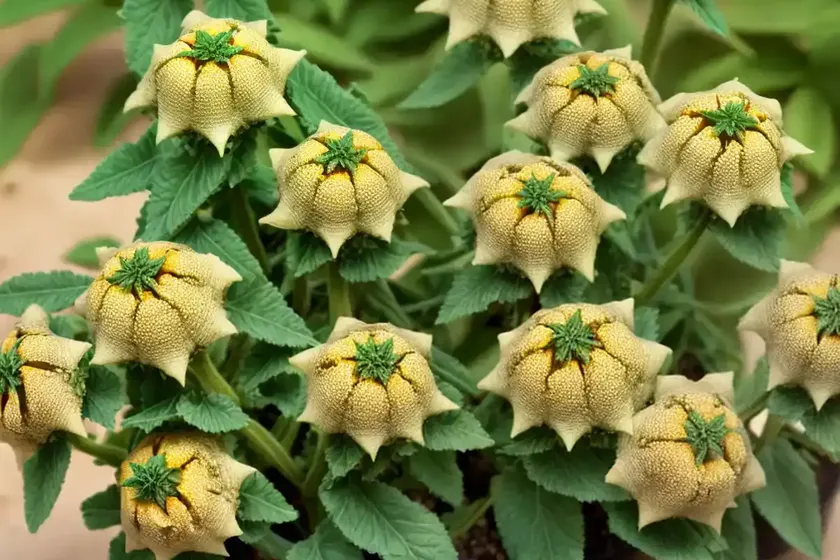
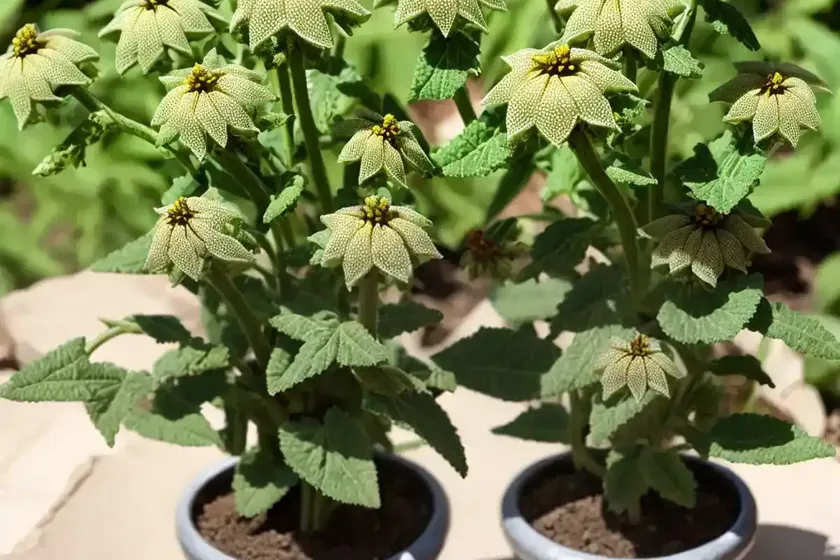
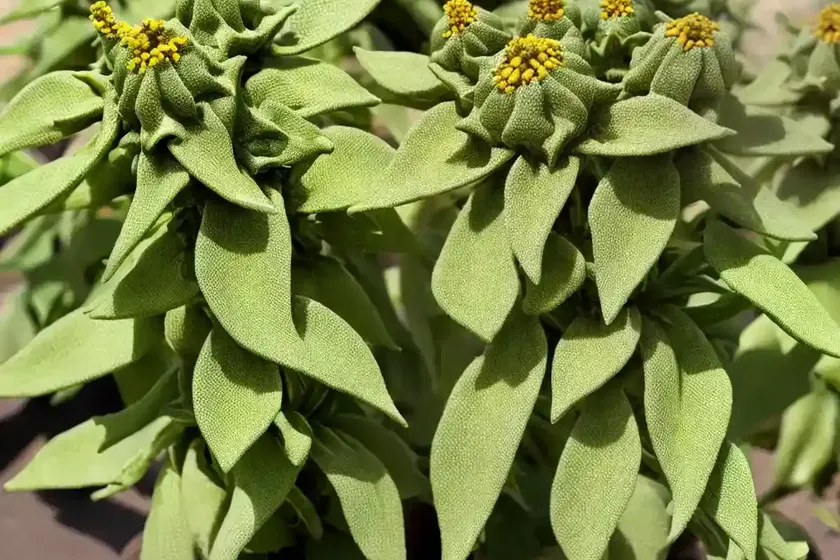
In the world of plants, there are some that are shrouded in mystery and fascination. One such plant is Hyoscyamus niger, commonly known as henbane. This enigmatic plant has a rich history, cultural significance, and a range of uses – from medicinal to toxic. In this comprehensive guide, we will delve into the world of henbane and explore its characteristics, uses, cultivation, folklore, and much more.
In this exploration, we will cover the following key aspects of Henbane (Hyoscyamus niger):
- What is Henbane (Hyoscyamus niger)?
- Culture
- Uses
- Watering Needs
- Sunlight Requirements
- Fertilization
- Soil Requirements
- Pruning
- Propagation
- Container Gardening
- Popularity
- Common Diseases
- Disease Diagnosis
- Common Pests
- Botanist’s Tips
- Fun Facts
- Links to External Resources
So, let’s embark on this journey to unravel the secrets and wonders of the captivating Henbane (Hyoscyamus niger) plant.
What is Henbane (Hyoscyamus niger)?
Henbane, scientifically known as Hyoscyamus niger, is a highly toxic plant species belonging to the Solanaceae family, which is also referred to as the nightshade family. This plant is native to Eurasia and is characterized by its striking, bell-shaped flowers and distinctive, deeply lobed leaves. Henbane is an herbaceous perennial, known for its aggressive growth habit and ability to thrive in various habitats.
Key Takeaways – Henbane (Hyoscyamus niger)
- Family: Solanaceae
- Genus: Hyoscyamus
- Species: niger
- Common Name: Henbane
- Toxicity: Highly toxic
Culture
Before delving into the specific care requirements for Henbane, it is essential to understand its cultural significance and historical uses. Henbane has a rich folklore and history, often associated with both medicinal practices and superstitions.
Henbane in Folklore and Myths
Henbane has been deeply entrenched in folklore and myths for centuries, often associated with magic, witchcraft, and supernatural rituals. In various cultures, the plant was believed to possess mystical and spiritual significance, and its association with ancient rituals and traditions has contributed to its enigmatic reputation.
Henbane in Ancient Medicine and Traditional Practices
In ancient times, Henbane was utilized in different medicinal preparations and was believed to possess potent properties. Despite its toxic nature, it was employed in traditional medicine for a range of ailments, albeit with caution due to its dangerous effects. Additionally, folklore stories often depict Henbane as a key element in potions and concoctions, further solidifying its association with mysticism and magic.
Uses
Medicinal Uses of Henbane (Hyoscyamus niger)
Historical Medicinal Applications
Historically, Henbane has been used in medicine, though its toxicity has always been a concern. It was employed for its sedative and pain-relieving properties. However, due to its high toxicity, its use in modern medicine is very limited.
Psychoactive Effects and Traditional Uses
In some cultures, Henbane was used for its psychoactive effects. It was mixed into beverages or smoked to induce altered states of consciousness. These traditional uses were often integrated into spiritual and religious practices, reflecting the plant’s significant role in various cultural rituals.
Herbal Remedies and Precautions
In contemporary herbal remedies, Henbane is seldom used due to its high toxic content. Any potential use of Henbane in herbal remedies should be approached with the utmost caution, and it should be avoided by amateur herbalists due to the risks associated with its toxicity.
Henbane, with its potent properties and historical significance, continues to intrigue botanists and plant enthusiasts. Its cultivation and care require a nuanced understanding of its needs and risks, making it a plant that demands respect and careful attention.
Water
Watering Needs
Henbane, being a perennial plant, has specific watering needs that are essential to its overall health and vitality. It generally requires moderate watering, allowing the top few inches of soil to dry out before the next watering session. Overwatering must be avoided, as it can lead to root rot and other moisture-related issues.
Soil Moisture and Drainage
The soil should have excellent drainage to prevent waterlogging, which is detrimental to Henbane’s root system. A well-draining soil mix is recommended, and the use of a container with drainage holes is essential to facilitate proper water management.
Hyoscyamus niger side effects
As with most plants, Henbane (Hyoscyamus niger) also has specific side effects, especially relating to its toxicity. It is important to be aware of the potential adverse effects, especially when handling the plant and its parts. Any direct contact with the plant, ingestion of its parts, or exposure to its sap can lead to severe complications.
Sunlight
Sunlight Requirements
Henbane thrives in full sun to partial shade conditions, making it adaptable to various light intensities. However, it typically favors locations with ample sunlight, ensuring robust growth and flowering. When grown indoors, placing the plant near a south-facing window often provides the adequate light exposure it needs.
Light Intensity and Growth
Adequate light is crucial for Henbane to exhibit its characteristic growth patterns and flower abundantly. Without sufficient light, the plant may become leggy and fail to produce an optimal floral display. Therefore, when cultivating Henbane, it is crucial to ensure a suitable light environment to promote its overall health and vitality.
Fertilizer
Nutrient Requirements
Henbane, like many flowering perennials, benefits from a balanced fertilizer regimen. A general-purpose fertilizer with balanced NPK (nitrogen, phosphorus, potassium) ratios, supplemented with micronutrients, can support healthy growth and flowering.
Fertilization Schedule
During the growing season, which typically spans from spring to early fall, regular fertilization is recommended. However, it is crucial to avoid over-fertilizing, as it can result in excessive vegetative growth at the expense of flowering. As a general guideline, fertilizing every 4-6 weeks with a diluted, balanced fertilizer solution is sufficient to sustain the plant’s nutritional requirements.
Toxicity Concerns and Precautions
Given Henbane’s high toxicity, any potential application of fertilizers should be handled with care. It is crucial to prevent accidental ingestion or contact with the plant when applying fertilizers to minimize potential risks.
Soil
Soil Composition
Henbane thrives in well-draining soil with good aeration. A suitable soil mix for Henbane should ideally be enriched with organic matter to promote healthy root development and overall plant vigor.
pH Requirements
The optimal soil pH for Henbane cultivation falls within the slightly acidic to neutral range, approximately between 6.0 and 7.0. Soil pH plays a critical role in nutrient availability and uptake, directly impacting the plant’s overall health and growth.
Soil Amendments and Preparation
When cultivating Henbane, amending the soil with organic matter, such as compost or well-rotted manure, can greatly benefit the plant. Furthermore, maintaining a loose and friable soil structure supports healthy root growth and allows for efficient nutrient absorption.
Henbane plant gardening tips
Incorporating Henbane into a garden setting requires careful planning and consideration of its specific care requirements. In addition to the basic cultivation guidelines, there are several key gardening tips and considerations that can contribute to the successful growth and maintenance of Henbane.
- Selecting a suitable location with adequate sunlight exposure.
- Ensuring proper soil drainage and aeration for healthy root development.
- Implementing a watering regimen that prevents waterlogging and promotes optimal moisture levels.
- Monitoring the plant for signs of stress, disease, or pest infestations, and addressing any issues promptly.
Pruning
Pruning Techniques
Pruning can play a crucial role in maintaining Henbane’s overall shape and vigor. Deadheading spent flowers, removing leggy growth, and shaping the plant to enhance its aesthetic appeal are key aspects of effective pruning.
Timing and Frequency
Regular monitoring of the plant for any diseased or damaged foliage and the timely removal of such growth can prevent the spread of diseases and maintain the plant’s overall health. Additionally, removing spent flowers can encourage continuous blooming and prevent the plant from expending energy on seed production.
Safety Precautions
When handling Henbane for pruning or maintenance purposes, it is essential to observe safety precautions and wear gloves to prevent direct contact with the plant and its toxic compounds.
Propagation
Propagation Methods
Henbane can be propagated through seeds, divisions, or cuttings. Each propagation method has its unique advantages and considerations, and the selection of an appropriate method depends on the grower’s preference and the availability of plant materials.
Seed Propagation
Sowing Henbane seeds requires a well-prepared seedbed, optimum soil moisture, and suitable temperature conditions for germination. The seeds are generally sown in early spring or fall, and consistent moisture is essential for successful seedling emergence.
Division Propagation
Division involves separating the plant into smaller sections, each containing viable roots and shoots. This method can rejuvenate older plants and increase the number of Henbane specimens in a garden or landscape.
Cuttings Propagation
Propagating Henbane from cuttings involves taking stem sections from the plant and encouraging them to develop roots. This method requires careful attention to rooting hormone application, humidity control, and suitable substrate for root development.
Henbane plant folklore and myths
Henbane’s folklore and mythical associations have contributed to its enduring allure and fascination. In various cultural narratives and traditions, the plant has been depicted as possessing mystical and magical properties, often associated with folklore rituals, myths, and legends.
Container Gardening
Container Requirements
When cultivating Henbane in containers, selecting an appropriately sized container with adequate drainage is essential. The container should provide ample room for the plant’s root system to expand, and the use of a well-draining potting mix is crucial to prevent waterlogging.
Advantages of Container Cultivation
Container gardening offers the flexibility to adjust the plant’s growing conditions, including light exposure, moisture levels, and temperature. For individuals with limited garden space or those seeking to establish a controlled environment for Henbane cultivation, container gardening presents a viable option.
Limitations and Considerations
When growing Henbane in containers, attention must be given to its toxic nature, especially in household settings with children or pets. It is imperative to place the container out of reach and to exercise caution when handling the plant to minimize potential risks.
Popularity
Historical Significance
Henbane’s historical significance is deeply rooted in ancient traditions and practices, where it was revered for its perceived medicinal and mystical properties. Its presence in historical texts, herbal lore, and ancient rituals reflects its enduring popularity and relevance.
Modern Cultivation and Interest
Despite its toxic nature and limited contemporary use, Henbane continues to captivate botanists, historians, and individuals with a keen interest in ethnobotany and plant folklore. Its unique characteristics and rich cultural associations contribute to sustained interest and intrigue surrounding the plant.
Cultural Importance and Symbolism
Throughout history, Henbane has been associated with various cultural symbols and rituals, often embodying otherworldly significance and spiritual connotations. Its inclusion in ancient practices and its portrayal in literary works underscore its enduring cultural importance.
Common Diseases
Fungal Pathogens
Henbane is susceptible to certain fungal diseases, including powdery mildew and leaf spot diseases. These pathogens can affect the plant’s foliage and overall health if not addressed promptly.
Vigilant Monitoring
Regular inspection of the plant for any signs of fungal infections, such as characteristic powdery residue or discoloration on the leaves, enables early detection and intervention to prevent the spread of diseases.
Disease Management
Applying appropriate fungicidal treatments and implementing cultural practices that promote good air circulation and reduce foliage moisture can mitigate the risk of fungal diseases in Henbane cultivation.
Disease Diagnosis
Symptoms and Identification
Diagnosing diseases in Henbane involves recognizing specific symptoms, such as leaf discoloration, powdery growth on foliage, and wilting. Careful observation and understanding of common disease patterns are essential for accurate diagnosis.
Laboratory Analysis
In certain cases, it may be necessary to conduct laboratory analysis to identify the specific pathogens responsible for the observed symptoms. This approach can facilitate targeted disease management strategies and prevent misdiagnosis.
Integrated Disease Management
A holistic approach to disease management, incorporating cultural practices, disease-resistant cultivars, and effective treatment measures, can contribute to the overall health and resilience of Henbane plants.
Common Pests
Aphids and Spider Mites
Henbane is susceptible to infestations by aphids and spider mites, which can impact the plant’s vitality and ornamental value. These pests often target the plant’s tender shoots and foliage, leading to distorted growth and leaf damage.
Pest Control Measures
Implementing pest control measures, such as using insecticidal soaps, neem oil, or biological control agents, can effectively manage aphid and spider mite infestations. Regular monitoring and prompt intervention are key to preventing pest-related stress on the plant.
Environmental Considerations
Creating a hospitable environment for beneficial predators, such as ladybugs and lacewings, can contribute to natural pest control and minimize the need for chemical interventions.
Botanist’s Tips
Henbane Cultivation
When cultivating Henbane, it is essential to prioritize safety and awareness of the plant’s toxic nature. Additionally, considering its space requirements, cultural needs, and environmental considerations can contribute to successful plant growth and management.
Ethnobotanical Aspects
Exploring the ethnobotanical aspects of Henbane, including its historical uses, folklore, and traditional significance, provides valuable insights into the plant’s multifaceted cultural importance.
Conservation Efforts
Given the ecological significance and historical relevance of Henbane, conservation efforts and documentation of traditional uses can contribute to the preservation of its cultural and botanical heritage.
Fun Facts
Historical Notoriety
Henbane has been associated with notoriety throughout history, often intertwined with legends, folklore, and stories of its mystique. Its portrayal in cultural narratives reflects the plant’s enduring enigma and allure.
Literary References
In literature, Henbane has been depicted in various works, often symbolizing mystery, enchantment, and otherworldly elements. Its presence in literary contexts further accentuates the plant’s cultural and symbolic significance.
Ethnopharmacological Significance
The ethnopharmacological significance of Henbane spans diverse cultural traditions and historical practices, underscoring its enduring relevance in the realm of traditional medicine and folklore.
Links to External Resources
In our quest to understand and appreciate the captivating Henbane (Hyoscyamus niger), it is valuable to explore a range of external resources that offer comprehensive information and insights into its botanical, historical, and cultural aspects. The following external resources provide avenues for further exploration and study:
- Royal Horticultural Society – Hyoscyamus niger – The Royal Horticultural Society offers detailed information on the characteristics and cultivation of Hyoscyamus niger.
- USDA Plants Database – Hyoscyamus niger – The USDA Plants Database provides botanical and distributional data for Hyoscyamus niger, contributing to a comprehensive understanding of its natural habitat and occurrence.
- PubMed – Medicinal Uses and Toxicity of Hyoscyamus niger – Scientific research articles on the medicinal uses and toxicity of Hyoscyamus niger are available on PubMed, offering valuable insights into its pharmacological properties and potential applications.
- The Plant List – Hyoscyamus niger – The Plant List presents taxonomic information and nomenclatural details for Hyoscyamus niger, contributing to an in-depth exploration of its botanical classification and relationships within the plant kingdom.
- Ethnobotanical Study on Hyoscyamus niger – ResearchGate hosts ethnobotanical studies on Hyoscyamus niger, shedding light on its traditional uses, folklore, and cultural significance in specific regions.
In conclusion, the captivating Henbane (Hyoscyamus niger) encapsulates a world of mystery, historical significance, and botanical intrigue. From its toxic properties to its enigmatic folklore, this perennial plant offers a wealth of exploration for botanists, historians, and enthusiasts seeking to unravel its secrets and hidden wonders.
Through comprehensive care, awareness of its cultural relevance, and responsible engagement, Henbane continues to inspire awe and curiosity, inviting us to delve deeper into its multifaceted nature and rich botanical legacy.
Hyoscyamus niger uses, Henbane plant benefits, Hyoscyamus niger side effects, Henbane plant care, Hyoscyamus niger toxicity, Henbane plant cultivation, Hyoscyamus niger medicinal uses, Henbane plant characteristics, Hyoscyamus niger history, Henbane plant folklore, Hyoscyamus niger natural habitat, Henbane plant symbolism, Hyoscyamus niger traditional medicine, Henbane plant precautions, Hyoscyamus niger spiritual significance, Henbane plant toxicity levels, Hyoscyamus niger legends, Henbane plant properties, Hyoscyamus niger mythology, Henbane plant medicinal properties, Hyoscyamus niger psychoactive effects, Henbane plant gardening tips, Hyoscyamus niger traditional uses, Henbane plant symbolism in literature, Hyoscyamus niger plant family, Henbane plant herbal remedies, Hyoscyamus niger cultivation guide, Henbane plant folklore and myths, Hyoscyamus niger potential applications, Henbane plant traditional medicine, Hyoscyamus niger folklore legends, Henbane plant spiritual uses, Hyoscyamus niger ecological significance, Henbane plant historical significance, Hyoscyamus niger natural remedies, Henbane plant poison properties, Hyoscyamus niger cultural importance, Henbane plant traditional rituals, Hyoscyamus niger medicinal benefits, Henbane plant garden design ideas, Hyoscyamus niger ancient uses, Henbane plant traditional symbolism, Hyoscyamus niger folklore stories, Henbane plant toxic components, Hyoscyamus niger traditional remedies, Henbane plant in herbal medicine, Hyoscyamus niger folklore rituals, Henbane plant landscape design, Hyoscyamus niger historical uses, Henbane plant significance in witchcraft.
The enigmatic world of the captivating Henbane (Hyoscyamus niger) beckons, inviting us to unveil its mysteries, explore its folklore, and understand its place in both history and botany. Are you ready to embark on this extraordinary journey?


