Ninebark (Physocarpus Opulifolius)
As a plant scientist, I am delighted to delve into the enchanting realm of Ninebark (Physocarpus opulifolius), a captivating shrub that adds beauty and.
As a plant scientist, I am delighted to delve into the enchanting realm of Ninebark (Physocarpus opulifolius), a captivating shrub that adds beauty and functionality to landscapes. Throughout this comprehensive article, we will explore the key facets of this remarkable plant, including its culture, uses, preferences, diseases, and much more. By the end, you will have an in-depth understanding of the intricate world of Ninebark and how to cultivate it successfully.
What is Ninebark (Physocarpus opulifolius)?
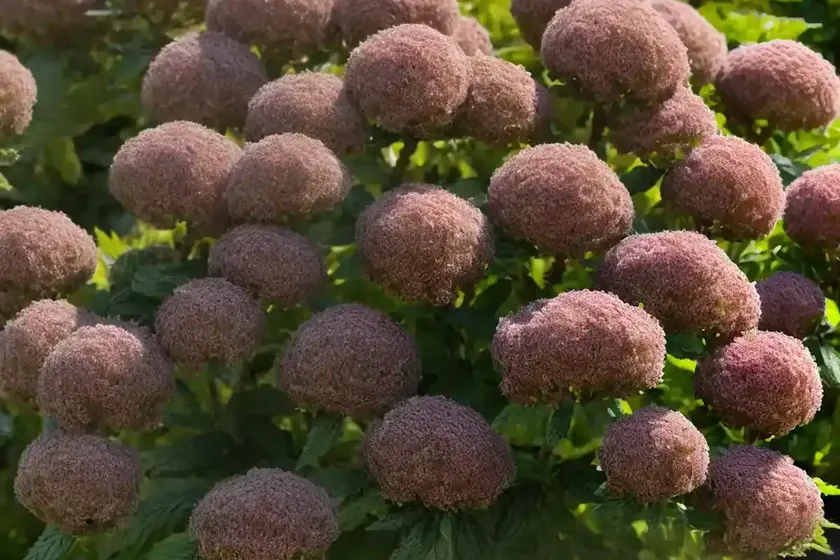
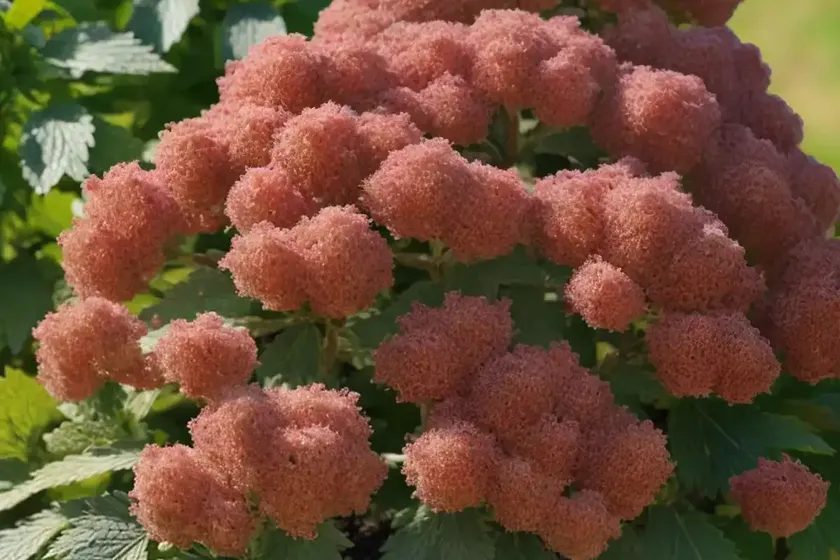
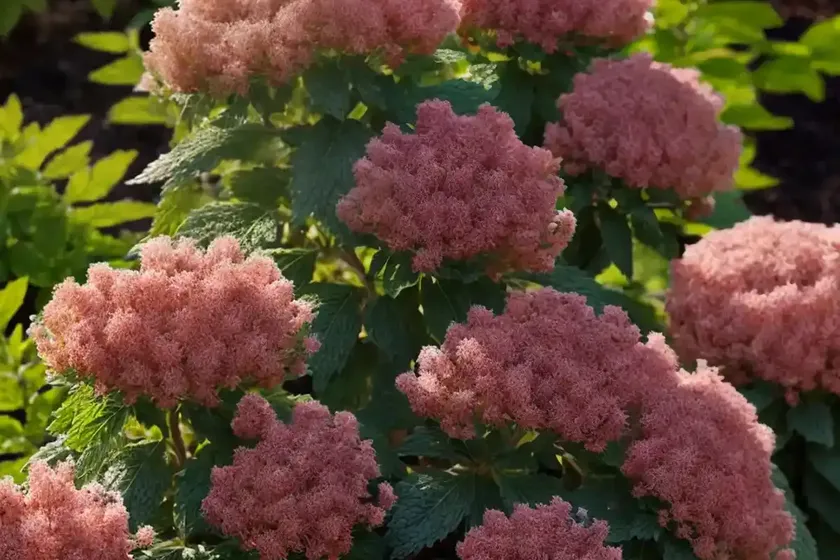
Ninebark, scientifically known as Physocarpus opulifolius, is a deciduous flowering shrub belonging to the Rose family, Rosaceae. This plant is native to North America, primarily found in regions from Canada to Georgia and as far west as California. It boasts a remarkable combination of ornamental features, such as attractive foliage, clusters of delicate flowers, and exfoliating bark, making it a prized addition to gardens and landscapes.
Key Takeaways – Ninebark (Physocarpus opulifolius)
Before we delve into the specific nuances of cultivating Ninebark, let’s provide a sneak peek of what’s to come:
- Culture
- Uses
- Water
- Sunlight
- Fertilizer
- Soil
- Pruning
- Propagation
- Container Popularity
- Common Diseases
- Common Pests
- Botanist’s Tips
- Fun Facts
- Links to External Resources
Now, let’s embark on a detailed exploration of each of these elements.
Culture
Uses
One of the most remarkable attributes of Ninebark is its versatility. This shrub is employed in various landscaping scenarios due to its adaptability and aesthetic appeal. Some common uses of Ninebark include:
- Foundation Plantings: The compact varieties of Ninebark are often used to adorn the periphery of buildings, adding a touch of natural beauty to architectural structures.
- Hedging: With its dense foliage and malleable nature, Ninebark is frequently utilized to create decorative hedges, delineating boundaries with finesse.
- Erosion Control: Given its ability to thrive in diverse soil conditions, Ninebark is employed for erosion control on sloped terrain, lending stability and visual charm to landscapes simultaneously.
- Wildlife Habitat: The flowers and fruits of Ninebark have significant wildlife attraction, drawing birds and pollinators, thus contributing to biodiversity in gardens and natural areas.
Water
Ninebark is considered to be a moderately moisture-tolerant plant. During its initial establishment period, regular watering is essential to promote strong root development. Once established, it showcases a commendable tolerance to dry spells, making it suitable for regions with sporadic rainfall. However, during prolonged dry periods, supplemental watering can help uphold its vitality and flowering prowess.
Sunlight
In the realm of sunlight, Ninebark shines as a versatile performer. It exhibits a preference for full sun to partial shade. When provided with full sun, it tends to produce a more abundant floral display, while partial shade may result in a slightly more open growth habit. Hence, in the context of landscaping, Ninebark can thrive in a spectrum of light conditions, bolstering its appeal to horticulturists and garden enthusiasts.
Fertilizer
The fertilizer requirements of Ninebark are relatively modest. A balanced, slow-release fertilizer applied in spring can bolster its growth and vigor. It is imperative to avoid excessive nitrogen as this may lead to excessive vegetative growth to the detriment of flowering and overall plant health. A soil test can shed light on any specific nutrient deficiencies, allowing for targeted fertilizer applications.
Soil
Ninebark exhibits a commendable adaptability to varying soil types. It thrives in moist, well-drained soils but can endure periods of drought once established. The plant demonstrates a degree of tolerance to acidic and alkaline soils, further expanding its suitability to a broad spectrum of garden environments. The adaptability of Ninebark to diverse soil conditions positions it as an invaluable asset in landscape design and horticultural endeavors.
Pruning
Pruning plays a pivotal role in shaping the form and enhancing the health of Ninebark. Periodic pruning helps to rejuvenate the plant, remove damaged or crossing branches, and maintain its size according to the desired aesthetic and functional outcomes. Prune Ninebark in late winter to early spring to facilitate robust growth and the development of fresh, vibrant foliage and flowers. During the dormant season, the structure of the plant is more evident, allowing for precise pruning to achieve the desired shape and density.
Propagation
There are several effective methods for propagating Ninebark, allowing horticulturists and enthusiasts to multiply their prized specimens. The primary propagation techniques for Ninebark include:
- Softwood Cuttings: Softwood cuttings, usually taken in early summer, can be employed to propagate new plants with a high success rate. A rooting hormone can significantly augment the success of softwood cuttings.
- Seed Propagation: While Ninebark can be propagated from seeds, this method requires patience as it may take several years for the plants to reach maturity and exhibit the desired characteristics. Nevertheless, seed propagation can be a fascinating and rewarding endeavor for patient gardeners.
Container Popularity
The adaptability and moderate size of certain Ninebark cultivars make them well-suited for container cultivation. This opens up an array of possibilities for urban gardening, balcony displays, and patio adornments. When cultivating Ninebark in containers, it is essential to ensure adequate drainage and use a well-balanced potting mix. Regular watering and occasional fertilization can uphold the vigor and ornamental appeal of Ninebark in container settings.
Common Diseases
Disease Diagnosis
Ninebark faces a few potential diseases, and prompt diagnosis is pivotal for implementing effective management strategies. Some of the common diseases affecting Ninebark include:
- Powdery Mildew (Podosphaera phytoptophila): This fungal disease manifests as a powdery, white coating on the leaves, impairing their physiological functions. Adequate airflow, proper spacing, and fungicidal sprays can aid in managing powdery mildew.
- Cankers: Cankers are characterized by sunken areas on the bark, often accompanied by oozing. These can be caused by various pathogens and environmental stressors. Pruning affected branches and promoting plant vigor through proper cultural practices are integral in mitigating canker issues.
Common Pests
Ninebark is relatively resistant to pests but may encounter occasional infestations. Some of the common pests impacting Ninebark include:
- Aphids: These sap-sucking insects can distort the foliage and excrete honeydew, leading to the development of sooty mold. Insecticidal soaps and horticultural oils can help manage aphid populations effectively.
- Spider Mites: These diminutive arachnids can cause stippling and webbing on the foliage, particularly under dry and hot conditions. Regular misting and the application of miticides can aid in controlling spider mite outbreaks.
Botanist’s Tips
This section will be dedicated to tips from experienced botanists and horticulturists, offering valuable insights and recommendations for cultivating and caring for Ninebark. Stay tuned for forthcoming blog posts for this engrossing section!
Fun Facts
Uncover fascinating and little-known facts about Ninebark that will enrich your appreciation for this captivating shrub. From its historical uses to ecological significance, these fun facts will add depth to your understanding of Ninebark and its place in the natural world.
Links to External Resources
To enrich your knowledge and foster a deeper understanding of Ninebark, we have curated a collection of authoritative external resources. These include scientific papers, institutional publications, and reputable gardening websites that offer a wealth of information on the cultivation, uses, and ecological role of Ninebark.
With this holistic guide, you have embarked on a compelling journey into the realm of Ninebark (Physocarpus opulifolius). This fascinating plant, with its ornamental allure and ecological value, has rightfully earned its place as a cherished element of native landscapes and cultivated gardens.
The multifaceted nature of Ninebark, encompassing its adaptability, aesthetic appeal, and ecological contributions, underscores its significance in horticulture and the broader context of botanical exploration. As you contemplate your next horticultural endeavors, consider the remarkable potential of Ninebark and the rich tapestry of benefits it offers to diverse landscapes and gardening pursuits.
As a plant scientist, I am thrilled to have shared this comprehensive insight into the captivating world of Ninebark. May this guide inspire and empower you as you immerse yourself in the wondrous realm of plants and their myriad enchantments.


