Pittosporum Tobira ‘Nanum’ (Mock Orange)
Pittosporum tobira ‘Nanum,’ commonly known as Mock Orange, is a charming and versatile evergreen shrub that is widely cultivated for its ornamental foliage.
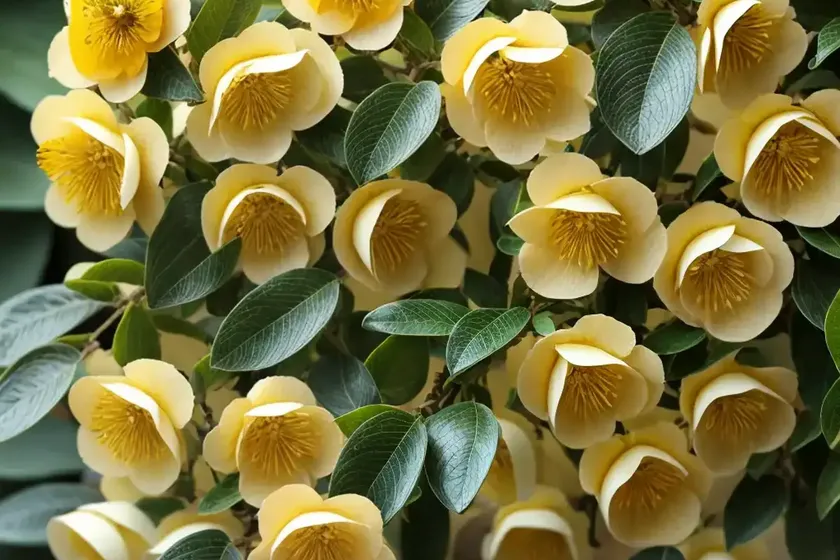
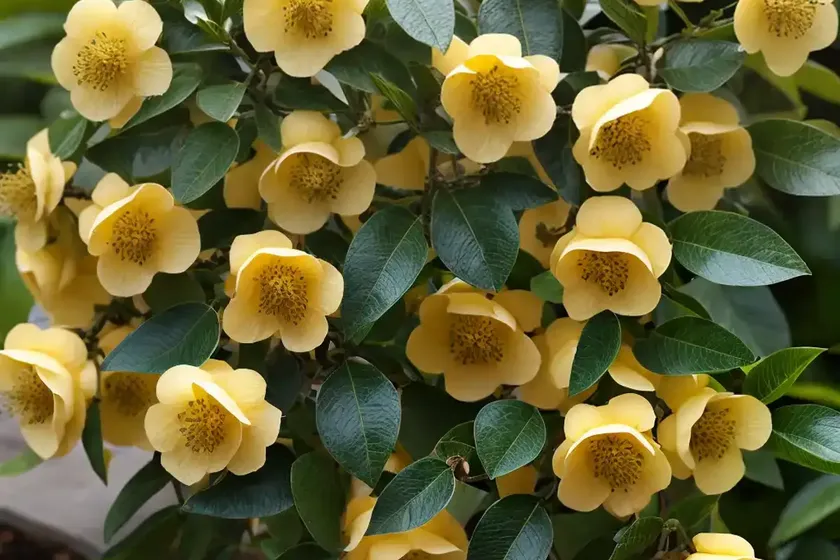

Pittosporum tobira ‘Nanum,’ commonly known as Mock Orange, is a charming and versatile evergreen shrub that is widely cultivated for its ornamental foliage and fragrant flowers. This dwarf variety of Pittosporum tobira is a popular choice for landscaping, container gardening, and hedging due to its compact size and low maintenance requirements. In this comprehensive guide, we will delve into the cultivation, care, and uses of the Pittosporum tobira ‘Nanum,’ providing valuable insights for both novice and experienced gardeners.
What is Pittosporum tobira ‘Nanum’?
Pittosporum tobira ‘Nanum’, a member of the Pittosporaceae family, is a slow-growing evergreen shrub native to East Asia, particularly Japan and China. It is characterized by its dense, rounded growth habit and glossy, leathery leaves, which emit a delightful fragrance when crushed. The plant’s small, cream-colored flowers further enhance its appeal, adding a touch of elegance to any garden or landscape.
Key Takeaways
Before delving deeper into the details, let’s explore some key takeaways about Pittosporum tobira ‘Nanum’:
- Common Name: Mock Orange
- Botanical Name: Pittosporum tobira ‘Nanum’
- Plant Type: Dwarf evergreen shrub
- Growth Habit: Compact, rounded
- Foliage: Glossy, leathery, dark green
- Flowers: Small, cream-colored, fragrant
- Uses: Landscaping, container gardening, hedging, borders
- Hardiness Zone: USDA Zones 8-11
Culture
Cultivating Pittosporum tobira ‘Nanum’ requires an understanding of its specific cultural requirements to ensure optimal growth and vigor. Let’s explore the essential elements of its culture, including watering, sunlight, fertilizer, soil, and pruning.
Water
Mock Orange plants prefer consistently moist, well-draining soil. During the establishment phase, regular watering is crucial to promote healthy root development. Once established, the plant exhibits moderate drought tolerance but will benefit from supplemental irrigation during prolonged dry spells, especially in hot climates.
- Watering Frequency: Water deeply once or twice a week during dry periods.
- Watering Method: Use a soaker hose or drip irrigation to deliver water directly to the root zone.
- Avoid Overwatering: Ensure adequate drainage to prevent waterlogged soil, which can lead to root rot.
Sunlight
Mock Orange plants thrive in full sun to partial shade, exhibiting optimal growth and flowering when provided with ample sunlight. While they can tolerate partial shade, prolonged exposure to low light conditions may result in reduced flowering and sparse foliage.
- Sun Exposure: Plant in a location with at least 6 hours of direct sunlight per day.
- Morning Sun: Morning sun exposure is preferred, especially in hot climates to avoid intense afternoon heat.
Fertilizer
Appropriate fertilization is essential for promoting healthy growth and flowering in Pittosporum tobira ‘Nanum.’ A balanced, slow-release fertilizer formulated for evergreen shrubs can provide the necessary nutrients for sustained vitality and abundant flowering.
- Fertilizer Type: Use a balanced, slow-release fertilizer with a formulation such as 10-10-10 or 20-20-20.
- Fertilizing Schedule: Apply fertilizer in early spring before the start of new growth and again in late summer to support flower bud formation.
- Avoid Excessive Nitrogen: Refrain from using high-nitrogen fertilizers, as they can promote excessive foliage growth at the expense of flowering.
Soil
Well-draining, fertile soil is crucial for the successful cultivation of Pittosporum tobira ‘Nanum.’ The plant thrives in slightly acidic to neutral soil with good drainage, and incorporating organic matter can improve soil structure and fertility.
- Soil Type: Loamy, well-draining soil is ideal. Sandy or clay soils should be amended with organic matter to enhance drainage.
- Soil pH: Aim for a pH range of 5.5 to 7.0 for optimal nutrient uptake.
- Mulching: Apply a 2-3 inch layer of organic mulch around the base of the plant to conserve soil moisture and suppress weed growth.
Pruning
Regular pruning helps maintain the desired shape, size, and density of Mock Orange plants while also promoting air circulation and reducing the risk of disease. Pruning is typically carried out after the flowering period to avoid interfering with the next season’s blooms.
- Pruning Time: Conduct pruning in late spring or early summer after the flowering period.
- Pruning Technique: Use clean, sharp pruners to remove dead, damaged, or overgrown branches. Shape the plant as desired, ensuring to maintain its natural form.
- Caution: Avoid extensive pruning in late summer or fall, as it can remove the next season’s flower buds.
Uses
Pittosporum tobira ‘Nanum’ offers a myriad of uses in landscaping, container gardening, and other horticultural applications. Its versatility, attractive foliage, and fragrant flowers make it a valuable addition to any garden setting.
- Landscaping: Use as a low hedge, border plant, or specimen shrub in garden beds and borders. Its compact size and dense growth make it suitable for formal or informal landscape designs.
- Container Gardening: Plant in containers or decorative pots to add greenery and fragrance to patios, decks, and outdoor living spaces. It can also be utilized as a focal point in mixed container plantings.
- Hedging: Create low hedges or edging along pathways and garden beds to define spaces and provide a lush, green backdrop.
- Fragrance: The sweet, citrus-like fragrance of the flowers makes Mock Orange an excellent choice for scented gardens and outdoor seating areas.
Propagation
Mock Orange plants can be propagated through various methods, including seeds, cuttings, and division. Each approach offers unique advantages and potential challenges, allowing gardeners to choose the most suitable method based on their expertise and resources.
Container Popularity
The compact size and attractive features of Pittosporum tobira ‘Nanum’ make it a popular choice for container gardening. Its adaptability to container culture, combined with its ornamental value, sets it apart as a versatile and visually appealing addition to outdoor spaces.
- Container Selection: Choose a spacious container with adequate drainage holes to accommodate the plant’s root system and promote healthy growth.
- Potting Mix: Use a well-draining, high-quality potting mix to ensure proper aeration and moisture retention.
- Maintenance: Regular watering and fertilization are essential for container-grown Mock Orange plants to support their growth and flowering.
Common Diseases
While Pittosporum tobira ‘Nanum’ is generally resilient, it can be susceptible to certain diseases under unfavorable growing conditions. Recognizing common diseases and implementing preventive measures is crucial for maintaining the plant’s health and vigor.
Disease Diagnosis
As a plant scientist, it is essential to identify and address common diseases that can affect Mock Orange plants. Some typical diseases to watch out for include:
- Leaf Spot: Characterized by dark, water-soaked spots on the foliage, leaf spot can lead to leaf yellowing and defoliation if left unmanaged.
- Root Rot: Excessive moisture or poorly draining soil can contribute to root rot, causing wilting, yellowing foliage, and overall decline in plant health.
- Powdery Mildew: A fungal disease that manifests as powdery white patches on the leaves and stems, powdery mildew can weaken the plant and inhibit growth.
Common Pests
Mock Orange plants may also encounter pest infestations that can impact their overall vitality and appearance. By monitoring for common pests and implementing integrated pest management strategies, gardeners can effectively mitigate potential damage.
Botanist’s Tips
Foliage Color:
The dark green, glossy foliage of Pittosporum tobira ‘Nanum’ provides year-round visual interest and serves as an excellent backdrop for the plant’s delicate, fragrant flowers.
Fragrant Flowers:
The small, cream-colored flowers emit a sweet, citrus-like fragrance, attracting pollinators and adding a delightful scent to the garden.
Compact Growth Habit:
The compact, rounded growth habit of the Mock Orange shrub makes it suitable for small gardens, urban landscapes, and container gardening.
Cold Hardiness:
Pittosporum tobira ‘Nanum’ exhibits good cold hardiness, making it well-suited for temperate regions where winter temperatures may fluctuate.
Fun Facts
- The common name “Mock Orange” is derived from the plant’s fragrant flowers, which resemble those of the true orange tree.
- Pittosporum tobira ‘Nanum’ is known for its resilience in coastal environments, making it a popular choice for seaside gardens and landscapes.
Links to External Resources
For further exploration of Pittosporum tobira ‘Nanum’ and related topics, consider visiting the following reputable resources:
- Royal Horticultural Society – Gardening Advice
- University Extension or Agricultural Service
- Botanical Gardens or Arboretums
- Plant Pathology and Entomology Departments of Universities
In conclusion, Pittosporum tobira ‘Nanum’, or Mock Orange, stands out as an exceptional ornamental shrub with year-round appeal, fragrant flowers, and a compact growth habit suited for diverse horticultural applications. By understanding its specific cultural requirements, uses, and potential challenges, gardeners can successfully incorporate this delightful plant into their outdoor spaces, creating visually stunning landscapes and enhancing sensory experiences through its aromatic blooms.
References
- University of California Agriculture & Natural Resources, “Pittosporum tobira: Mock orange”, Accessed here
- University of Florida IFAS Extension, “Pittosporum tobira Pittosporum”, Accessed here
- North Carolina State University Extension, “Pittosporum- Pittosporum tobira”, Accessed here
- Missouri Botanical Garden, “Pittosporum tobira”, Accessed here


